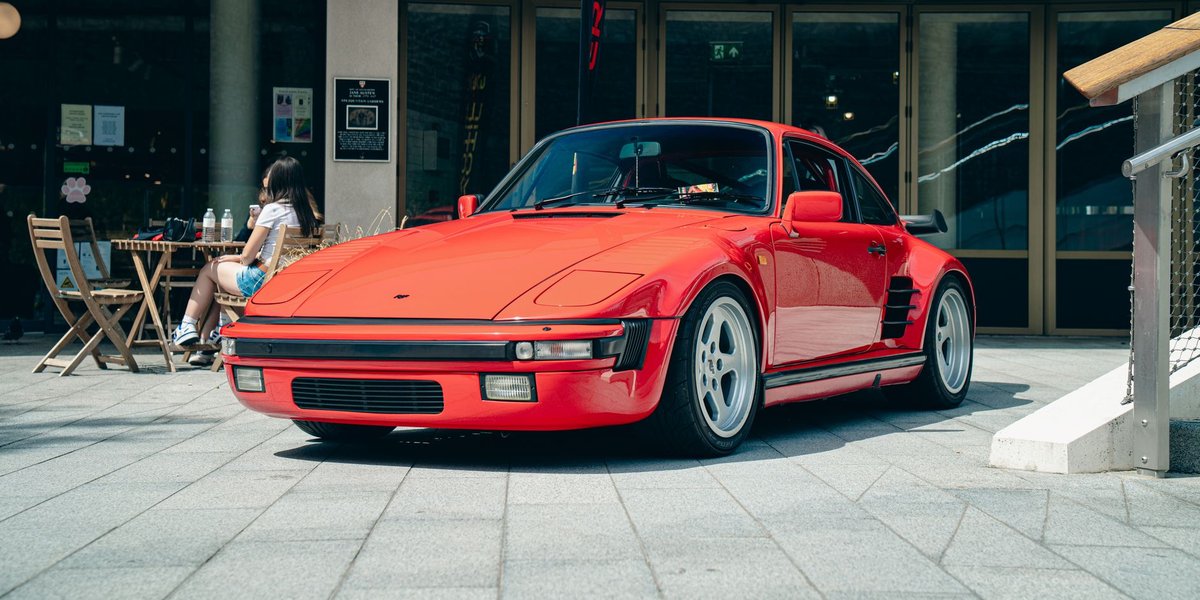
The 1990s nearly killed Porsche. The company was bleeding money in 1992, selling fewer than 15,000 cars a year worldwide, and the rumor mill had it getting bought out or folded into a bigger group. Then it did two things: built the most beautiful air-cooled 911 ever made, and bet the whole company on a cheap roadster. Both worked.
So this isn’t a “fastest Porsches of the 90s” countdown. It’s a tour of the models that actually defined the decade — what they were, what they cost now, and which ones are worth chasing if you want one in your garage. The 90s were the end of one Porsche and the start of another, and you can read the whole story in the cars.
Table of Contents
- TLDR: The Short Version
- Porsche 964: The Awkward, Underrated 911
- Porsche 993: The Last Air-Cooled 911
- Porsche 928 GTS: The V8 Grand Tourer
- Porsche 968: The Front-Engine Finale
- Porsche 944 Turbo: The One That Bridged the Decade
- Porsche 986 Boxster: The Car That Saved Porsche
- The Halo Cars: 993 GT2 and 911 GT1
- Which 1990s Porsche Should You Buy?
- Spec Comparison Table
TLDR: The Short Version
If you want the definitive 90s Porsche and have the money, it’s the 993 — the last air-cooled 911, and the one values have followed upward for fifteen years straight. If you want the same air-cooled magic for less, the 964 is the smart-money play. The 928 GTS is the bargain grand tourer everyone forgot. And the 986 Boxster is the most car-per-dollar in the entire Porsche back catalog — still cheap, still brilliant, and historically the most important Porsche of the decade because it’s the reason there’s still a Porsche.
Porsche 964: The Awkward, Underrated 911
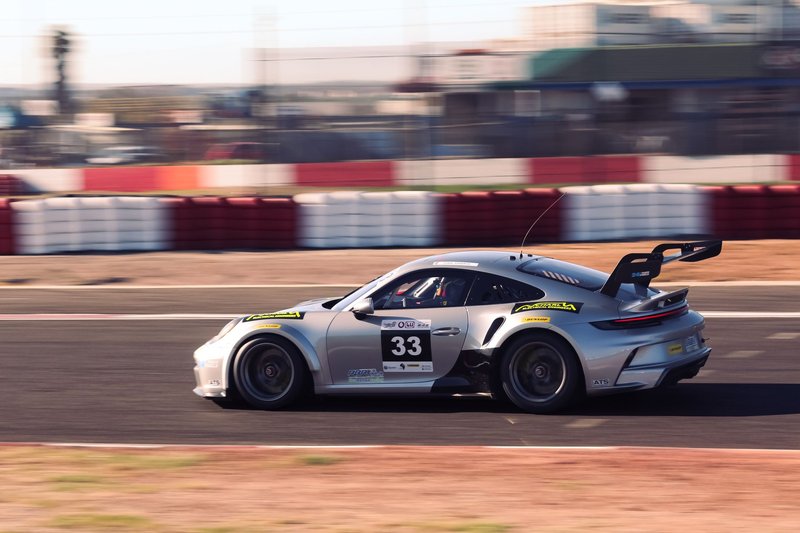
The 964 gets called the “awkward middle child” of air-cooled 911s, and there’s truth in it. Launched in 1989 and running through 1994, it was Porsche’s attempt to drag the 911 into the modern era — 85% new parts, the company claimed, even though it kept the classic silhouette. It brought the first all-wheel-drive 911 (the Carrera 4), coil springs instead of torsion bars, ABS, power steering, and an integrated rear spoiler that popped up at speed and tucked away at rest.
Enthusiasts spent years sneering at it for not being a 993. That’s over. The 964 has been the quiet appreciation story of the air-cooled world, and the special versions are now genuinely collectible. The Carrera RS — lightweight, stripped, stiffer, and never officially sold in the US — is the one collectors fight over. The 964 Turbo, still running the old 3.3-liter single-turbo flat-six before the later 3.6, is a brutal, laggy, wonderful thing that looks like the wide-body poster on every 90s teenager’s wall.
The catch: early 964s had real problems. Dual-mass flywheels failed, and the engines were notorious for leaking oil from the cylinder head studs pulling out of the case. A 964 with documented engine work is worth more than a “low mileage” one that’s never been touched. Buy on history, not odometer.
Porsche 993: The Last Air-Cooled 911
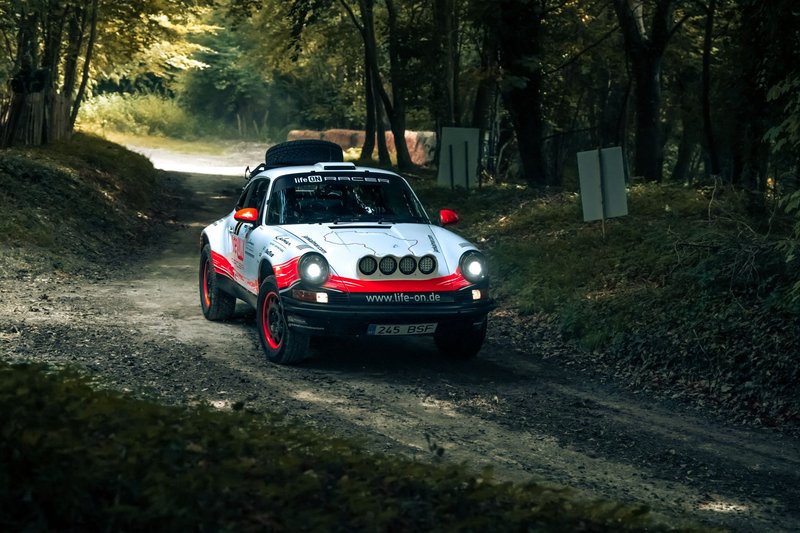
This is the one. Built from 1994 to 1998, the 993 is the final air-cooled 911, and depending on who you ask, the best-looking 911 ever made. The flared arches, the laid-back headlights, the way it sits — Porsche’s designers knew this was the end of an era and styled it like a sendoff.
It wasn’t just pretty. The 993 introduced a multi-link rear suspension that finally tamed the 911’s lift-off-oversteer reputation, the tendency of older 911s to swap ends when you panicked off the throttle mid-corner. The 3.6-liter flat-six made around 272 horsepower at launch and grew to 285, and the later 993 Turbo went twin-turbo and all-wheel-drive for the first time, making 408 horsepower and a top speed north of 180 mph.
The reason values went vertical is simple: 1998 was the last year Porsche built an air-cooled engine. Everything after was water-cooled. The 993 is the bookend, and collectors treat it that way. A clean Carrera that sold used for $35,000 in the early 2010s can run well into six figures now for the right variant. If there’s one 90s Porsche that’s a blue-chip asset, it’s this. The market has been remarkably consistent about it — classic Porsche values have been tracked for years by Hagerty’s valuation team, and the 993 sits near the top of the air-cooled curve. It’s also the car that routinely tops any list of the best 1990s sports cars and what they cost now, standing as Europe’s answer to the Japanese icons of the decade.
Porsche 928 GTS: The V8 Grand Tourer
Here’s the Porsche almost nobody talks about, and that’s exactly why it’s interesting. The 928 was Porsche’s water-cooled, front-engine V8 grand tourer — the car Porsche thought would replace the 911 back in the late 70s. It didn’t. But it stuck around until 1995, and the final version, the 928 GTS, is a genuinely great car hiding in plain sight.
The GTS ran a 5.4-liter V8 making 345 horsepower, a proper transaxle layout for balance, and styling with those teardrop body-colored arches that still looks expensive. It’s a continent-crushing cruiser — the kind of car that does 160 mph and then carries your luggage in comfort.
For years it was the cheap Porsche, the one people bought because they couldn’t afford a 911 and then regretted when the maintenance bills hit. Timing belts, complex electronics, and a small parts network make it a car you buy from someone who already spent the money fixing it. But GTS values have woken up, and a sorted one is one of the most car you can get for the money in the 90s Porsche world. It bowed out in 1995, a year that quietly produced a surprising number of overlooked cars worth knowing, and the GTS is one of the strongest arguments for paying that forgotten year more attention. It’s the connoisseur’s pick.
Porsche 968: The Front-Engine Finale
The 968 was the last of Porsche’s front-engine, four-cylinder line — the final evolution of the 924/944 family, built from 1992 to 1995. It used a 3.0-liter inline-four, one of the largest production four-cylinders of its time, making 236 horsepower with Porsche’s VarioCam variable valve timing.
The standard 968 is a fine, balanced sports car. The one worth caring about is the 968 Club Sport (968 CS), a stripped-down, lowered, lightened track-focused version that deleted the rear seats, power windows, and sound deadening to save weight. It’s the four-cylinder Porsche that handling nerds rave about — the chassis was so good that the missing cylinders barely matter once you’re in a corner.
Production numbers were small, which keeps the Club Sport rare and rising. The regular 968 remains one of the more affordable ways into 90s Porsche ownership, and the transaxle four-cylinders are mechanically tougher than the air-cooled sixes. If you want a Porsche you can actually use without a six-figure parts fund, this is a sleeper.
Porsche 944 Turbo: The One That Bridged the Decade
The 944 is really an 80s car, but the 944 Turbo (and the Turbo S) carried into the early 90s before the 968 replaced it, and it earns a spot for what it was: one of the great handling Porsches of its generation. The Turbo’s 2.5-liter four made up to 250 horsepower in S form, and the near-50/50 weight balance from the transaxle layout made it a corner-carver that could embarrass more expensive machinery.
It’s the most analog driving experience on this list — no all-wheel drive, no electronic nannies, just a balanced chassis and a turbo that builds boost in a way modern engines have engineered away. Values have climbed as the air-cooled 911s priced people out, and the 944 Turbo S in particular has become a collectible in its own right. As an entry into the transaxle Porsche world, it’s hard to beat.
Porsche 986 Boxster: The Car That Saved Porsche
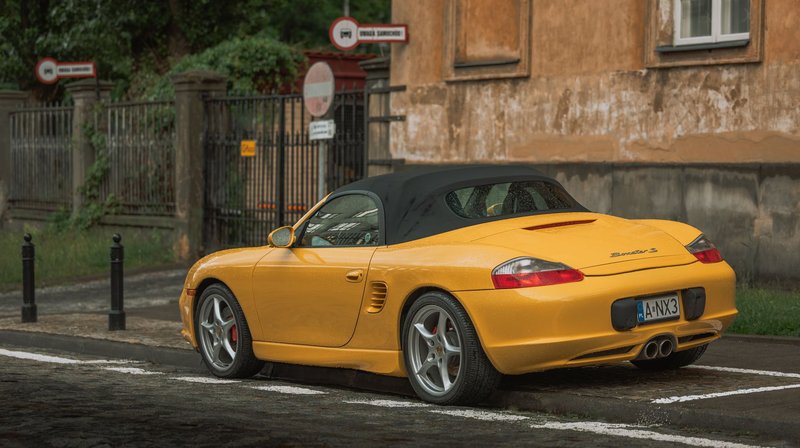
Everything else on this list is about the past. The Boxster was about survival.
By the mid-90s Porsche was in real trouble — the 911 was expensive to build, the 928 and 968 weren’t selling, and the company needed a cheaper car that more people could actually afford. The answer, revealed as a concept in 1993 and launched as the 986 Boxster in 1996, was a mid-engine roadster built to a price. Porsche brought in Toyota production consultants to learn how to build cars efficiently, shared parts between the Boxster and the upcoming water-cooled 911, and bet the company on it.
It worked completely. The Boxster sold in numbers Porsche hadn’t seen, its mid-engine balance made it one of the best-handling cars of the decade regardless of price, and the cash it generated funded the modern Porsche you know today. The 2.5-liter flat-six made 201 horsepower — modest on paper, but the chassis was so good that journalists at the time argued it out-handled the 911 it was supposed to sit beneath. That kind of balance is why the Boxster keeps turning up alongside the era’s heavyweights whenever someone ranks the best sports cars of the 1990s, despite being the cheapest car in the room.
Here’s the collector angle nobody pushes hard enough: the 986 Boxster is, historically, the most important Porsche of the 1990s, and it’s still one of the cheapest. Early cars trade for the price of a used economy hatchback. The catch is the infamous IMS bearing — an intermediate shaft bearing that can fail and destroy the engine — so any 986 you buy should ideally have had the bearing addressed or be priced with that work in mind. Sort that, and you have the bargain of the entire Porsche catalog.
The Halo Cars: 993 GT2 and 911 GT1
Two cars sat at the very top of the 90s Porsche pyramid, and they’re worth knowing about even if you’ll never own one.
The 993 GT2 was the homologation special born from GT racing — a rear-wheel-drive, twin-turbo monster with bolt-on plastic fender flares, around 430 horsepower, and a reputation for trying to kill you. Take away the all-wheel drive of the regular Turbo, add a ton of boost, and you get one of the most feared and valuable air-cooled 911s ever built. Auction prices run into the millions.
The 911 GT1 was barely a road car at all. Built to satisfy Le Mans GT1 regulations, Porsche made a tiny handful of road-legal “Straßenversion” examples — mid-engine, twin-turbo, and visually a race car with license plates. It’s one of the rarest and most valuable Porsches in existence, and it closed out the decade by proving Porsche could still build something monstrous when it wanted to.
Which 1990s Porsche Should You Buy?
It depends on what you actually want.
You want the icon and money isn’t the constraint: Buy the 993. It’s the last air-cooled 911, values have only gone up, and it’s arguably the best-looking 911 ever. The closest thing to a guaranteed appreciating asset on this list.
You want air-cooled character for less: Buy a 964. It does everything the 993 does emotionally, for meaningfully less money, and the gap to 993 prices means there’s still room to climb. Just budget for the engine work it probably needs.
You want the most car for the least money: Buy a 986 Boxster. Best-handling, historically the most significant, and still absurdly cheap. Get the IMS bearing sorted and drive it daily.
You want a usable bargain with rising value: Buy a 968 Club Sport or a 944 Turbo. Tougher than the air-cooled sixes, brilliant to drive, and the transaxle cars are appreciating without the air-cooled tax.
You want the connoisseur’s grand tourer: Buy a 928 GTS. A V8 Porsche for the price of a used family SUV, as long as you find one someone else has already spent money fixing.
The pattern across all of these is the same: in the 90s Porsche world, a documented maintenance history beats low mileage every time. The cheapest example is almost always the most expensive one to own. Buy the sorted car, not the deal.
Spec Comparison Table
| Model | Years | Engine | Power | Top Speed | Why It Matters |
|---|---|---|---|---|---|
| 964 Carrera | 1989–1994 | 3.6L air-cooled flat-six | ~247 hp | ~162 mph | Underrated, appreciating air-cooled 911 |
| 993 Carrera | 1994–1998 | 3.6L air-cooled flat-six | 272–285 hp | ~168 mph | Last air-cooled 911; blue-chip collectible |
| 993 Turbo | 1995–1998 | 3.6L twin-turbo flat-six | 408 hp | ~180+ mph | First twin-turbo AWD 911 |
| 928 GTS | 1992–1995 | 5.4L V8 | 345 hp | ~170 mph | Forgotten V8 grand tourer; bargain |
| 968 Club Sport | 1993–1995 | 3.0L inline-four | 236 hp | ~160 mph | Stripped, lightweight handling cult car |
| 944 Turbo S | 1988–1991 | 2.5L turbo four | 250 hp | ~162 mph | Balanced transaxle corner-carver |
| 986 Boxster | 1996–1999 | 2.5L flat-six | 201 hp | ~149 mph | The car that saved Porsche; best value |
| 993 GT2 | 1995–1998 | 3.6L twin-turbo flat-six | ~430 hp | ~187 mph | Feared homologation halo car |
The 1990s gave Porsche its last air-cooled engine and its first taste of mass-market survival in the same decade. That’s the thread running through every car here: the end of one Porsche, paid for by the start of another. Pick the one that speaks to which Porsche you actually love.
Marco Delantero
More from Marco DelanteroHow we reviewed this article
This article was researched against manufacturer records and editorially reviewed before publishing. We accept no payment for coverage.