Table of Contents
- The Decade That Proved Triumph Was Back
- TLDR: The Essentials
- Speed Triple 955i (2000–2004)
- Bonneville T100 (2002–)
- TT600 (2000–2003)
- Tiger 955i (2001–2006)
- Sprint ST (2002–2011)
- Rocket III (2004–)
- Daytona 675 (2006–)
- Which One Should You Buy?
The Decade That Proved Triumph Was Back
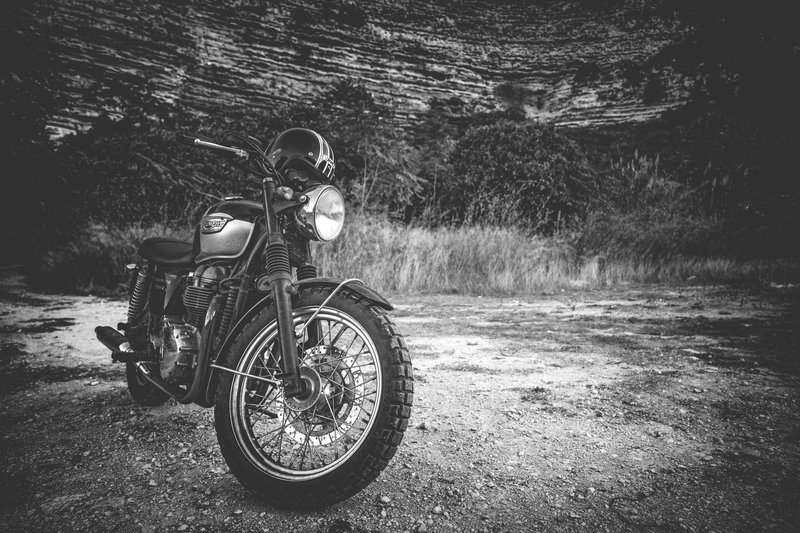
Triumph’s 2000s story doesn’t start with a motorcycle. It starts with fire.
In March 2002, a blaze tore through the Triumph factory in Jacknell Road, Hinckley. A lesser company would have taken years to recover, or quietly folded. Triumph had the new Bonneville T100 and the Tiger 955 ready to launch that spring. They rented facilities, kept production going within weeks, and rebuilt the factory from scratch while simultaneously expanding their lineup.
That’s the context for everything that followed. By the time the Daytona 675 landed in 2006, Triumph wasn’t just a revived British marque running on nostalgia — it was competing directly with Honda, Kawasaki, and Ducati on their own terms. The 2000s were the decade that made that credible.
These are the machines that did it.
TLDR: The Essentials
Best all-rounder: Speed Triple 955i — raw, characterful, and still one of the most charismatic naked bikes ever built. Best heritage pick: Bonneville T100 — the bike that funded everything else, and it looks better in person than in any photo. Best sportbike: Daytona 675 — a genuine class contender that embarrassed bikes costing twice as much. Most unhinged: Rocket III — 2.3 litres, more torque than most cars, and the kind of presence that stops traffic.
Speed Triple 955i (2000–2004)
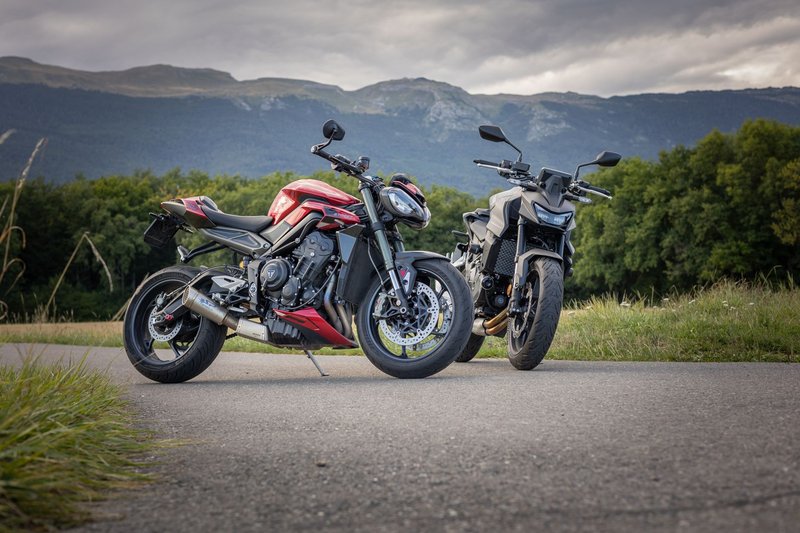
The Speed Triple 955i is the starting point for any serious discussion of 2000s Triumph. It had been around since 1994, but the 2002 refresh — round headlights replaced with twin bug-eye projectors, revised ergonomics, upgraded suspension — transformed it from cult favourite into one of the most recognisable naked bikes on the road.
The 955cc triple made 108 bhp in standard tune, but the number doesn’t capture what it felt like. The motor had a physical quality to its powerband — a surge between 4,000 and 8,000 rpm that felt like the bike was actively choosing to accelerate. At idle it rumbled with a slightly uneven three-cylinder beat that Triumph never fully smoothed out, and enthusiasts were glad they didn’t.
Handling was confident rather than razor-sharp. The frame was stiff enough for committed B-road pace but forgiving enough that you didn’t need to be in the mood for a fight. A decent aftermarket existed even then — Arrow and Remus exhausts were common — and a de-restricted Speed Triple with a proper pipe was a different animal from the caged, catalysed version many markets received.
What to watch on used examples: the cam chain tensioner is the known weak point. Budget for replacement if the seller can’t prove it’s been done. Also check the throttle bodies — syncing them yourself or having a dealer do it transforms the low-speed fuelling, which can be jumpy on neglected bikes.
Bonneville T100 (2002–)
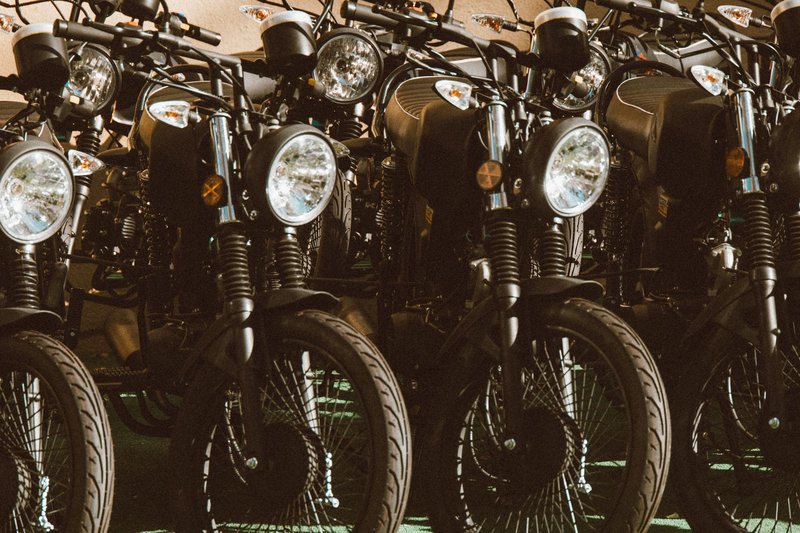
The modern Bonneville launched in 2001 and the T100 variant — twin-stripe tank, wire-spoke wheels, higher-spec finish — followed in 2002. It was, and remains, the bike that commercially anchored Triumph’s revival. They needed a flagship that non-enthusiasts would recognise and dealers could sell to people who weren’t already deep into the marque.
What they built was more honest than that commercial brief demanded. The 865cc parallel twin was soft, torquey, and genuinely pleasant at legal speeds. It wasn’t trying to be a sportbike. The geometry was upright, the seat was low enough that shorter riders could get a foot down, and the whole experience communicated relaxation rather than urgency.
The T100 also benefited from an aesthetic coherence that many retro bikes lack — it didn’t look like a compromise between old and new, it just looked right. The period details (chrome side panels, gaitered forks, fish-tail end cans) were executed without feeling like a costume.
Reliability on early units was strong, though the carburettor-equipped versions (pre-2008 fuel injection) can be fussy in cold temperatures. The fuel injection upgrade in 2008 sorted that without changing the character.
TT600 (2000–2003)
The TT600 is the model people forget, and it shouldn’t be.
Triumph needed a 600cc supersport contender. Their answer was an inline four with a claimed 110 bhp, frameless aluminium perimeter frame, and a chassis that reviewers consistently described as composed and predictable at pace. Against the CBR600F4i and the R6 of the same era, the TT600 was competitive — not dominant, but legitimate. It held its own in a class that, looking back, produced some of the best motorcycles of the 2000s.
It was cancelled after 2003, replaced by the Daytona 600. The 600 class was fiercely competitive and the TT’s early fuelling issues (a software problem that affected throttle response in the midrange) took time to rectify properly. By the time later production years had it sorted, the development budget had already shifted toward the 675.
On the used market the TT600 represents a genuine bargain. Low production numbers mean parts availability can be patchy, but the chassis and engine are fundamentally solid. If you find one in good condition, it’s a capable track day bike that costs a fraction of what a contemporaneous R6 demands today.
Tiger 955i (2001–2006)
The Tiger 955i predates the adventure-touring boom by several years and deserves credit for that. While BMW’s GS was already established and KTM were building their off-road reputation, Triumph’s contribution was a 955cc triple mounted in a high-riding chassis with long-travel suspension and a riding position that made long days on unfamiliar roads feel manageable rather than punishing.
It wasn’t a hardcore off-roader. The 19-inch front wheel and the weight (just over 200 kg wet) made loose terrain slow-speed work. But on tarmac, especially on secondary roads through mountains or across moorland, the Tiger 955 was hard to beat. The triple motor had more low-end grunt than the parallel twins competitors were using, and the midrange torque translated to relaxed, confident overtaking without needing to rev the engine hard.
The 2006 Tiger 1050 replaced it with fuel injection and more power. The 955i remains the pick for buyers who want the character of the older motor and aren’t bothered by carburettors.
Sprint ST (2002–2011)
Sport-touring sits at the awkward intersection of “quick enough to enjoy” and “comfortable enough to ride all day,” and most manufacturers hedged. The Sprint ST didn’t.
The 955cc triple gave it genuine pace — it would comfortably sit at motorway speeds all day and still have enough left to embarrass most sportbikes in the corners leading to them. The half-fairing kept wind off the chest without restricting peripheral vision. Pillion accommodation was actual accommodation rather than a polite suggestion. The luggage system (optional panniers) was practical enough that people actually used it.
It ran from 2002 to 2011 with updates along the way, and the later 1050cc versions had even more low-down pull. For the purposes of the 2000s, the 955 variant is the one — revised suspension and better fuelling arrived from 2005 onward, making those years the sweet spot.
Rocket III (2004–)
The Rocket III exists to make a point. Specifically, the point that displacement is a legitimate form of expression.
The 2.3-litre inline triple was — and remains — the largest production motorcycle engine ever fitted to a road bike. It made 140 Nm of torque at 2,500 rpm. Not peak torque, not at the limit of its powerband — at 2,500 rpm, barely above idle. The character of the thing was unlike any other motorcycle: you rolled the throttle, the bike squatted and surged, and the next corner arrived faster than expected.
It was large. It weighed over 320 kg. Parking it in a tight space was a two-person job and reversing it into a spot required planning. None of that mattered to the people who bought one, because none of that was why you bought one.
The Rocket III addressed a demographic that Japanese cruisers weren’t reaching — people who wanted the visual presence and mechanical theatre of a big V-twin but with something other than a Harley’s engine note and Harley’s dealer network.
Daytona 675 (2006–)
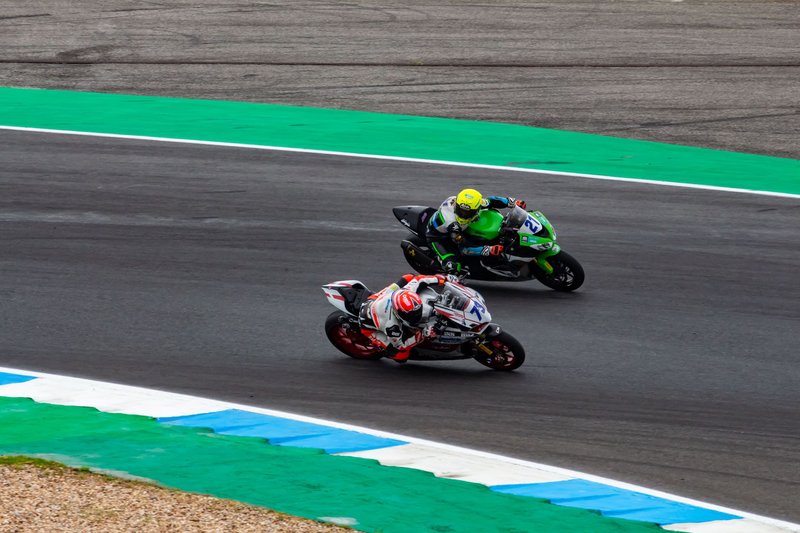
The 675 was Triumph’s answer to a question nobody was asking, which is usually how the best motorcycles happen. The middleweight sportbike class was dominated by 600cc fours. Triumph built a 675cc triple, and in doing so created a bike that had more low-end torque than any 600 and more top-end breath than the 600s expected.
Contemporary tests put it ahead of the R6 for road use and competitive on track. The chassis was purpose-built rather than evolved from an existing platform — Triumph had learned from the TT600 that you don’t survive in the supersport class with a first-generation effort. The 675 was a second-generation effort, developed with that knowledge.
It’s now one of the most collectible sportbikes of the era. Prices on clean, low-mileage examples have been climbing for several years. If you want one for the road, the early 2006–2008 models are the originals; the 2009 R model brought Öhlins and Brembo hardware for track-focused buyers.
Which One Should You Buy?
The Bonneville T100 is the easiest recommendation: parts are plentiful, dealer support is still active, and it’ll start every morning without drama. If you’re returning to bikes after years away or want something you can ride daily without thinking about it, that’s the answer.
For raw satisfaction, the Speed Triple 955i is the machine from this era that holds up best. It’s not fast by current standards, but it’s involving in a way that modern electronics-laden bikes aren’t. You feel everything.
The Daytona 675 is a sound investment as well as a good motorcycle — prices are moving and the window for buying one at a reasonable figure is closing. The Rocket III is for people who’ve already owned everything else and want something nobody will forget.
The TT600 and Tiger 955i are the sleepers — undervalued relative to what they are, and likely to stay that way given lower production numbers and quieter following. They’re not the easy choice, but they’re the interesting one.

Marco Delantero
More from Marco DelanteroHow we reviewed this article
This article was researched against manufacturer records and editorially reviewed before publishing. We accept no payment for coverage. Some guides contain affiliate links; see our affiliate disclosure.