If you’ve found a 1980s “Indian” motorcycle for sale and your gut says something’s off, trust the gut. The Springfield, Massachusetts company that built genuine Indian Chiefs and Scouts shut its doors in 1953. Everything wearing the Indian name in the 1980s was something else entirely: a Taiwanese moped, a discounted parts-bin special, or a go-kart engine with a war-bonnet sticker.
That’s not a knock on anyone who owns one. It’s just the truth most listings won’t tell you, and the difference between a $1,500 curiosity and a $40,000 fraud comes down to knowing it.
Table of Contents
- The short version
- Why there were no real Indians in the 1980s
- The AMI-50 Chief: a Honda in a headdress
- The trademark soap opera
- What a 1980s “Indian” is worth
- How to spot a fake or rebadged Indian
- Genuine Indian vs. 1980s badge: a comparison
- FAQ
The short version
There was no authentic, American-built Indian motorcycle produced in the 1980s. The brand existed only as a trademark passed between owners, and the machines sold under it were small imported mopeds and minibikes, not the V-twin cruisers people picture.
If you want a real Indian from before the company died, you’re looking at pre-1953 bikes — and those run from roughly $20,000 to well past $100,000 depending on model and condition. The 1980s “Indians” trade in the $1,000 to $3,000 range, because that’s what they are: novelty imports with a famous name stamped on the tank.
The modern Indian Motorcycle you see in dealerships today is a separate, legitimate revival launched by Polaris in 2011. It has no manufacturing lineage to anything from the 1980s.
Why there were no real Indians in the 1980s
Indian was America’s first major motorcycle company, founded in 1901 — two years before Harley-Davidson. Through the 1940s it built the Chief, the Scout, and the Four, bikes that defined the look of the American cruiser. It earned its place among the classic motorcycle brands that shaped the early industry. Then it fell apart. Production of genuine Indian motorcycles ended in 1953, and the factory that made them never reopened.
What survived was the name. A trademark is just intellectual property, and over the following decades it changed hands repeatedly through a tangle of importers, distributors, and opportunists. None of them had the tooling, the engineers, or the factory to build a Chief. What they had was permission to put the word “Indian” on a motorcycle, so that’s what they did — on whatever motorcycle they could source cheaply.
By the time the 1980s rolled around, the badge was decades removed from anything Springfield ever produced. Owning the trademark and owning a motorcycle company are very different things, and the people holding the name in this era had the former, not the latter.
The AMI-50 Chief: a Honda in a headdress
The most famous 1980s “Indian” is the AMI-50 Chief, a 50cc moped sold roughly from 1978 into the early 1980s. The name was the most authentic thing about it.
It was built in Taiwan, and its engine was based on licensed patents from the Honda PC50 — a humble step-through commuter motor. American Moped Industries (AMI) handled the importing and badging. So the “Indian Chief” of the early 1980s was, mechanically, a Taiwanese-assembled small-displacement moped riding on a Japanese engine design, dressed up with Indian script and Chief-style fender skirting to evoke the old V-twins.
To be clear about scale: a genuine 1948 Indian Chief carried a 74-cubic-inch (around 1,200cc) flathead V-twin. The AMI-50 carried 50cc. That’s not a smaller version of the same idea. It’s a different category of machine wearing a costume.
A handful of related oddities floated around the same period. There were minibikes and small-engine machines marketed under the Indian name, and reports of “4-stroke Indian” go-karts tied to Derbi and Manco-style small-engine recreational equipment. The through-line is consistent: small imported engines, recreational or commuter use, and a legendary American badge doing all the heavy lifting in the marketing.
The trademark soap opera
Here’s the part most pages skip, and it’s the part that actually explains the chaos.
After 1953, the Indian name didn’t sit quietly. Through the 1960s and 1970s, the rights got picked up by figures like Floyd Clymer, the racing promoter and publisher, who tried to revive the brand by bolting the name onto European-built machines. When he died in 1970, the trademark passed onward — to associates and then to a string of importers who used it to sell exactly the kind of badged mopeds and minibikes described above.
By 1984, the operation selling Indian-badged imports had effectively dissolved, and the brand went dark as an active seller of new machines. But the name was too valuable to abandon. Through the late 1980s and into the 1990s, multiple parties filed competing claims to the Indian trademark, each insisting they held the legitimate rights. Lawsuits stacked up. For years it was genuinely unclear who, if anyone, could legally build an “Indian motorcycle.”
That legal limbo is why nothing credible came out of the brand for decades. It wasn’t until the dust settled and Polaris acquired the rights that a real, well-funded Indian Motorcycle returned in 2011 — a clean reboot with no manufacturing connection to the 1980s mopeds. If you want the official corporate version of the modern story, Polaris lays out the post-2011 revival on its own pages.
What a 1980s “Indian” is worth
Set expectations before you negotiate.
A 1980s Indian-badged moped or minibike in good running order is generally a $1,000 to $3,000 item. Clean examples with original badging and paperwork sit at the top of that band, mostly because they’re novelties with collector curiosity, not because they’re capable machines. A rough one is a few hundred dollars of project.
A genuine pre-1953 Indian is a different universe. A solid, running Chief or Scout typically starts around $20,000, and rare or fully restored examples — early Fours, board-track racers, concours Chiefs — climb past $100,000 at auction. The gap between the two is so large that it creates an obvious incentive for sellers to blur the line, which is exactly where buyers get hurt.
The mistake to avoid: paying genuine-Indian money for a badge-era machine, or paying badge-era money and believing you’ve found a steal on a real Chief. There are no steals here. The market knows what these are.
How to spot a fake or rebadged Indian
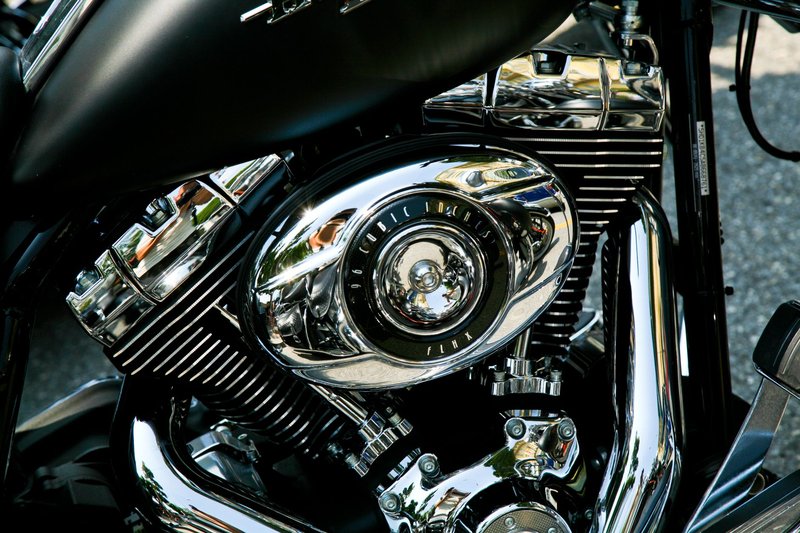
If a listing says “Indian” and the year is anywhere from 1954 to 2010, you are not looking at a factory Springfield Indian. From there, run the checks:
- Engine displacement. A real Chief is a big-inch V-twin. If the bike is a small single-cylinder, a 50cc–125cc motor, or anything moped-sized, the badge is decoration.
- Country of origin. Casting marks, stampings, or paperwork pointing to Taiwan, Italy (Derbi/Italjet-style sources), or other importers are a tell. Springfield Indians were made in Massachusetts.
- The engine is the giveaway, not the tank. Tanks, fenders, and badges are the easiest parts to swap. Match the engine’s casting numbers and architecture against known genuine Indian specs, not against the script on the fuel tank.
- Serial and frame numbers. Genuine pre-1953 Indians follow documented numbering schemes. A “1980 Indian Chief” with a VIN-style number is a contradiction in terms — Springfield wasn’t building Chiefs then.
- Period-correct everything. Modern fasteners, metric hardware throughout, or plastic components on a bike claimed to be a vintage American V-twin don’t add up.
- The price-to-claim mismatch. A “rare vintage Indian Chief” priced at $2,000 isn’t a bargain. It’s a moped telling you the truth through its price tag.
When in doubt, bring in someone who knows pre-war American iron, or cross-reference against a marque registry before money changes hands. The vintage-bike community is small and generous with knowledge — a forum thread or a club expert will spot a rebadge faster than any listing photo can hide it.
Genuine Indian vs. 1980s badge: a comparison
| Genuine pre-1953 Indian | 1980s “Indian” (AMI-50 era) | |
|---|---|---|
| Maker | Indian Motocycle Co., Springfield, MA | Importers (AMI and successors) |
| Built in | United States | Taiwan and other overseas sources |
| Engine | Large V-twin (e.g. ~1,200cc Chief) | 50cc moped, Honda PC50-based design |
| Type | Full-size American cruiser | Moped / minibike / novelty |
| Era | 1901–1953 | ~1978–1984 |
| Typical value | $20,000–$100,000+ | $1,000–$3,000 |
| Collector status | Blue-chip classic | Curiosity / conversation piece |
FAQ
Did Indian make motorcycles in 1980? Not real ones. The original company stopped building motorcycles in 1953. The “Indian” machines sold around 1980 were imported mopeds and minibikes wearing a licensed badge, not factory-built American cruisers.
What is the Indian AMI-50 Chief? A 50cc moped sold from roughly 1978 to the early 1980s, assembled in Taiwan with an engine based on licensed Honda PC50 patents and imported by American Moped Industries. It used the Indian name and Chief-style styling cues but shares no engineering with the original Chief V-twins.
Is a 1980s Indian motorcycle worth anything? As a rideable collectible, a clean one runs about $1,000 to $3,000. It has novelty and curiosity value, but it isn’t a genuine vintage Indian and shouldn’t be priced like one.
Are modern Indian motorcycles related to the 1980s ones? No. The current Indian Motorcycle brand was relaunched by Polaris in 2011 after years of trademark disputes were resolved. It’s a clean revival with no manufacturing link to the 1980s badged imports.
Why are there so many trademark claims around Indian? Because the name outlived the company. After 1953 the trademark changed hands repeatedly, and through the late 1980s multiple parties claimed rights to it, leading to years of litigation. That legal fog is why no credible new Indian appeared until the Polaris era.
The takeaway
The romance of a “1980s Indian motorcycle” runs straight into a flat fact: the real ones ended in 1953, and the decade’s badge belonged to small imported mopeds and minibikes. That doesn’t make a clean AMI-50 worthless — it’s a genuine piece of the brand’s strange afterlife, and worth owning if you understand what it is. The trouble only starts when a seller pretends it’s a Chief. Know the engine, know the price bands, and you’ll never confuse a Taiwanese moped with a Springfield V-twin again.

Marco Delantero
More from Marco DelanteroHow we reviewed this article
This article was researched against manufacturer records and editorially reviewed before publishing. We accept no payment for coverage. Some guides contain affiliate links; see our affiliate disclosure.