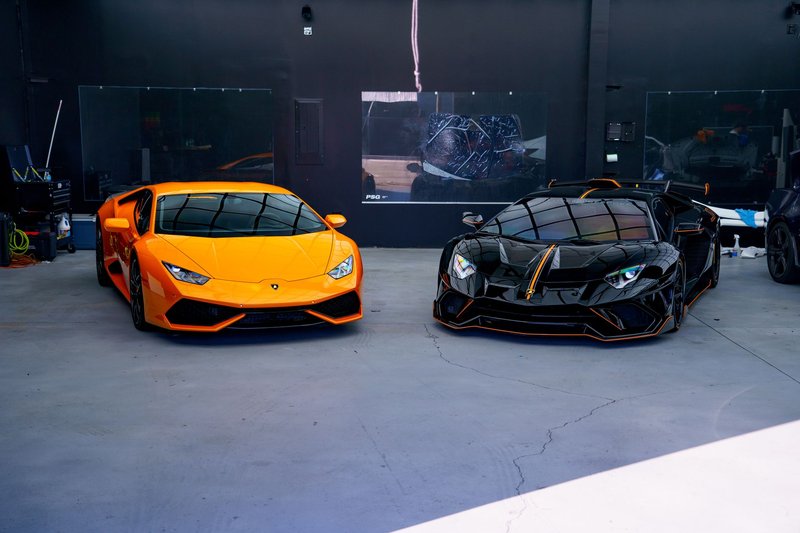
The 2010 Lamborghini lineup was small by any standard — two core models, four variants — but it captured the brand at an interesting crossroads. The Murcielago was in its final act, and the Gallardo was at its most refined. One of the year’s special editions was named after a man who’d worked at Lamborghini for 40 years. That’s not a marketing stunt. That’s a story.
Here’s every model Lamborghini offered in 2010, what made each one distinct, and what you should know if you’re considering buying one today.
Table of Contents
- TLDR
- The 2010 Lineup at a Glance
- Gallardo LP 560-4: The Everyday Lambo (Sort Of)
- Gallardo LP 550-2 Valentino Balboni: The One With a Story
- Murcielago LP 670-4 SuperVeloce: The Swan Song
- Murcielago LP 670-4 Roadster: Open-Air V12
- Specs Comparison
- Buying One Used: What to Know
TLDR
The 2010 Lamborghini range had two models: the V10 Gallardo and the V12 Murcielago. The LP 560-4 Gallardo was the everyday driver of the two; the LP 550-2 Balboni was a rear-wheel-drive special edition honoring a long-serving test driver. The Murcielago LP 670-4 SuperVeloce was essentially the last great expression of the outgoing flagship. If you’re buying used, the Gallardo LP 560-4 is the lower-risk entry point; the SuperVeloce is rarer and commands premium pricing.
The 2010 Lineup at a Glance
Lamborghini’s 2010 catalog came down to four variants across two platforms:
- Gallardo LP 560-4 — coupe and Spyder (convertible)
- Gallardo LP 550-2 Valentino Balboni — limited-edition coupe, rear-wheel drive only
- Murcielago LP 670-4 SuperVeloce — hardtop
- Murcielago LP 670-4 Roadster — convertible
The LP designations tell you most of what you need to know. “LP” stands for Longitudinale Posteriore (engine mounted longitudinally at the rear). The first number is horsepower; the second is the number of driven wheels. So “LP 550-2” means 550 hp and rear-wheel drive. “LP 670-4” means 670 hp and all-wheel drive.
Gallardo LP 560-4: The Everyday Lambo (Sort Of)
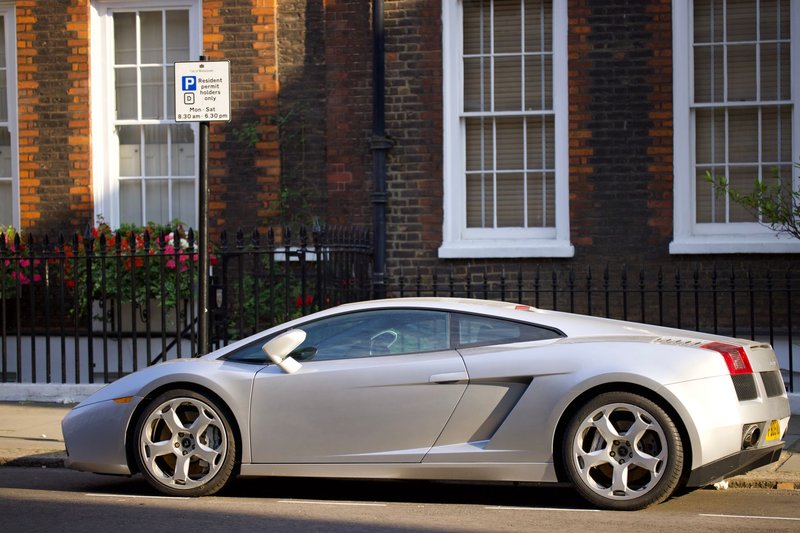
The LP 560-4 was the Gallardo in its final major iteration before the LP 570-4 Superleggera and the eventual transition to the Huracán. By 2010, the platform had been refined for nearly a decade, and it showed.
Power came from a 5.2-liter naturally aspirated V10, producing 552 hp and 398 lb-ft of torque — figures that would have been exotic headline material a decade earlier but were now Lamborghini’s entry-level offering. The six-speed e-gear automated manual was the default transmission, and while Lamborghini still offered a six-speed manual, most buyers opted for the paddle-shift setup.
The Spyder variant added about 110 lbs over the coupe, mostly due to the folding roof structure, but the performance gap was negligible in real-world driving. 0–60 came in around 3.7 seconds; top speed was 202 mph for the coupe.
What made the LP 560-4 livable — relative to something like the Murcielago — was the all-wheel-drive system and the lower seating position, which made visibility slightly less catastrophic. It was still a car that required commitment on city streets, but it was the Lamborghini a committed driver could actually use regularly.
Starting price new was around $198,000 for the coupe.
Gallardo LP 550-2 Valentino Balboni: The One With a Story
This is the interesting one.
Valentino Balboni joined Lamborghini in 1967 as a test driver. He worked there for more than 40 years, becoming the guy who dialed in the chassis feel on nearly every major Lamborghini produced during that era. When he announced his retirement, the factory built a car in his name.
The LP 550-2 Balboni wore a white body with a single gold longitudinal stripe — Balboni’s racing livery of choice. But the meaningful change was under the skin: they removed the front axle from the drivetrain. Unlike every other Gallardo, the Balboni was rear-wheel drive only, which was a deliberate nod to Lamborghini’s pre-AWD heritage and Balboni’s own stated preference. The brand has a long history of cars that rewarded driver skill over electronic assistance — a thread that runs through many Lamborghini discontinued models from earlier eras.
The V10 was detuned slightly to 542 hp to work within the rear-axle’s limits, and the suspension was retuned to match the power delivery. Production was capped at 250 units globally. Prices started at around $218,000.
If you want a 2010 Gallardo that will hold its value and tell a real story, this is the one. It’s also the one that demands more skill behind the wheel — without AWD, there’s no electronic safety net catching your mistakes at the limit.
Murcielago LP 670-4 SuperVeloce: The Swan Song
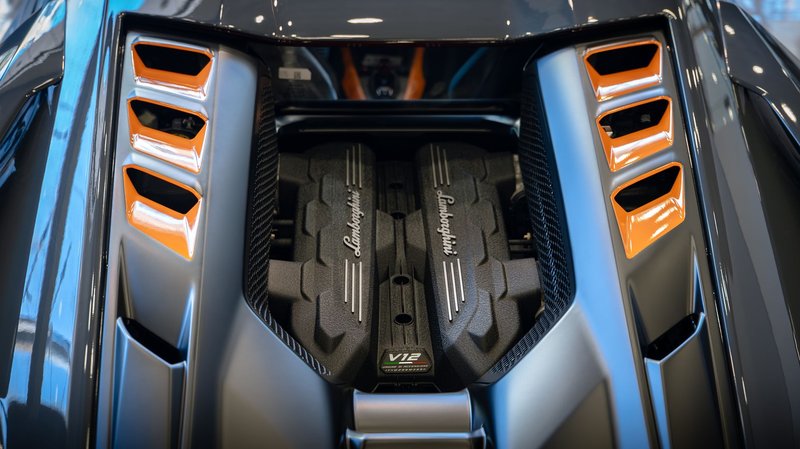
The Murcielago had been in production since 2001, which was an eternity by supercar standards. To put the longevity of that platform in perspective, the 2001 Lamborghini lineup shows just how different the brand looked when the Murcielago first arrived. By 2010, Lamborghini knew the platform was on borrowed time — the Aventador was in development, and the Murcielago was being pushed out the door with maximum drama.
The LP 670-4 SuperVeloce was exactly that. The 6.5-liter V12 produced 670 hp, making it the most powerful road-going Murcielago ever sold. Carbon fiber components (roof panel, rear diffuser, front splitter) stripped 66 lbs from the standard car’s curb weight. Fixed carbon fiber rear wing, titanium exhaust, lightweight Alcantara interior.
The result was a 0–60 time of around 3.2 seconds and a claimed top speed of 212 mph. In a car with a silhouette that dates to 2001, those numbers still held up against most of the field.
Only 350 SuperVeloce coupes were built. At launch, prices started around $450,000. Today, clean examples with low miles regularly trade at or above that figure — collectors understand what this car represented as the Murcielago’s final performance statement before the curtain fell.
The SuperVeloce is not a car for someone who’s never owned a Lamborghini. The clutch is heavy, the visibility is legendary for its absence, and the V12 runs hot in traffic. It’s a car that rewards experienced hands and punishes inattention.
Murcielago LP 670-4 Roadster: Open-Air V12
The Murcielago Roadster brought the same 670 hp V12 but replaced the fixed roof with a manually removable soft top. Unlike modern convertibles, “convertible” here was a loose term — the top came off in two pieces and wasn’t designed for on-the-go use. You took it off before the drive.
Weight was slightly higher than the SuperVeloce due to structural reinforcements required by the open body, so performance figures were marginally softer. But the experience of a 6.5-liter V12 at full chat with no roof overhead is its own argument.
Production was similarly limited, and values track closely with the hardtop SuperVeloce.
Specs Comparison
| Model | Engine | Power | Drive | 0–60 | Top Speed | New MSRP |
|---|---|---|---|---|---|---|
| Gallardo LP 560-4 Coupe | 5.2L V10 | 552 hp | AWD | ~3.7 s | 202 mph | ~$198,000 |
| Gallardo LP 560-4 Spyder | 5.2L V10 | 552 hp | AWD | ~3.9 s | 200 mph | ~$218,000 |
| Gallardo LP 550-2 Balboni | 5.2L V10 | 542 hp | RWD | ~3.9 s | 199 mph | ~$218,000 |
| Murcielago LP 670-4 SV | 6.5L V12 | 670 hp | AWD | ~3.2 s | 212 mph | ~$450,000 |
| Murcielago LP 670-4 Roadster | 6.5L V12 | 670 hp | AWD | ~3.4 s | 208 mph | ~$450,000+ |
Buying One Used: What to Know
The used market for 2010 Lamborghinis has matured, and pricing has largely stabilized — though clean, low-mileage examples continue to hold value better than the broader exotic car market. For context on how these cars stack up against other performance machines of the decade, the best sports cars of the 2000s offers useful perspective on where the Gallardo and Murcielago sat in the broader landscape.
Gallardo LP 560-4: This is the accessible entry point. Expect to find decent examples in the $90,000–$140,000 range depending on mileage and service history. The V10 is regarded as one of the more reliable exotic engines of its era, with fewer catastrophic failure modes than some competitors. That said, clutch replacement on the e-gear system is a major service event — budget $7,000–$12,000 when that interval comes. Cooling system maintenance, belts, and fluids should all be verified before purchase.
Gallardo LP 550-2 Balboni: Fewer than 250 units globally, rear-wheel drive, named after a legend. Prices have risen relative to the standard LP 560-4 — expect to pay a 20–40% premium. Inspect the rear differential and driveshafts carefully; RWD-only setups can show unusual wear if the car has been driven hard without proper maintenance intervals.
Murcielago LP 670-4 SuperVeloce: This is a collector purchase. Low-mileage examples in original trim routinely ask $350,000–$500,000+, and the market has been firm. The V12 requires meticulous thermal management — overheating in traffic can cause expensive damage. Pre-purchase inspection by a Lamborghini specialist is non-negotiable. Parts availability is adequate but not cheap; a full service can run $10,000–$15,000 at a qualified shop.
For any of these cars, avoid examples with significant modifications, accident history, or gaps in service records. The used exotic market is full of cars that look clean but have deferred maintenance that will cost as much as the car’s annual depreciation to address.
Final Word
The 2010 Lamborghini lineup was tight and purposeful. The Gallardo LP 560-4 was Lamborghini’s most well-rounded car to date — not a compliment they’d probably choose to market, but accurate. The Balboni edition was a genuine tribute to a genuine contributor, and the rear-wheel-drive setup gave it a character the standard AWD car didn’t have. The Murcielago SuperVeloce was a V12 flagship wrung out to its limit before retirement, and the collector market has priced it accordingly.
If you’re researching 2010 Lamborghinis as a potential buyer, the Gallardo LP 560-4 is the pragmatic choice. If you want the one people will ask about at every car meet, find a Balboni with clean history. And if you have the budget and the experience for the SuperVeloce, you’re buying one of the last great expressions of an engine that defined an era.

Daniela Voss
More from Daniela VossHow we reviewed this article
This article was researched against manufacturer records and editorially reviewed before publishing. We accept no payment for coverage. Some guides contain affiliate links; see our affiliate disclosure.