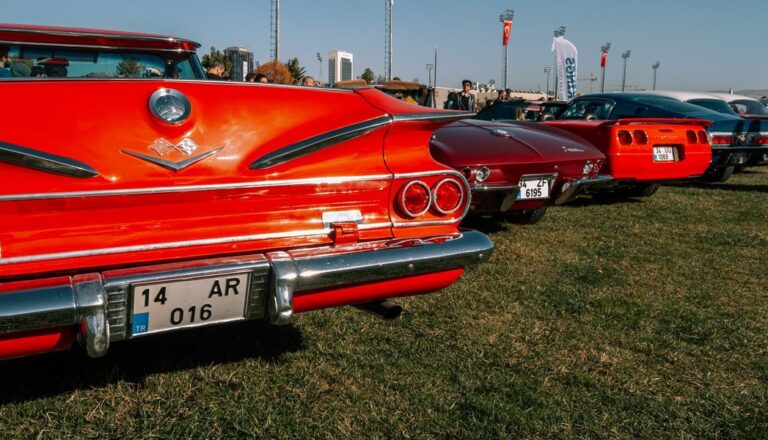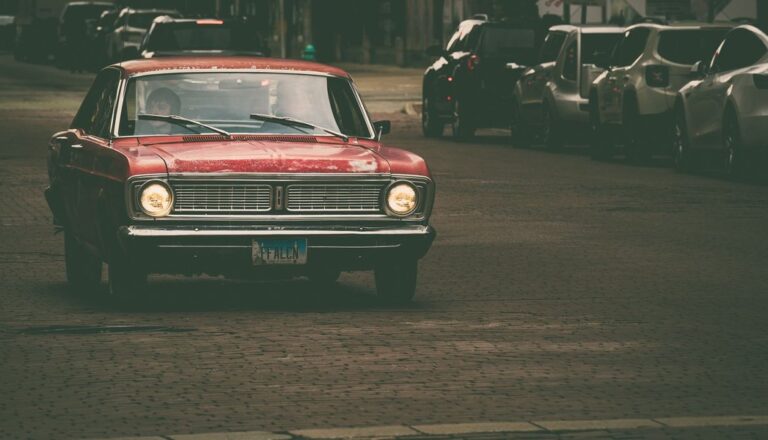
When the Jaguar E-Type debuted at the 1961 Geneva Motor Show, Enzo Ferrari called it “the most beautiful car ever made” — a line that captured the Sixties appetite for graceful, daring automotive design. The 1960s mattered because designers pushed forms that reflected new performance and lifestyle demands: long bonnets to house big V8s, fastback profiles for a sportier silhouette, and cleaner cabin layouts that suggested both luxury and speed. That decade also spawned the muscle-car phenomenon, the first mid-engine supercars, and the rise of global marques from Japan and Italy to the United States and France. This piece profiles ten landmark cars of the Sixties chosen for historical influence, engineering significance, and cultural reach — the models that still shape how vehicles look, drive, and excite people today. Read on for numbered profiles that mix design, race-bred tech, and pop-culture moments, from the E-Type’s 1961 debut to the Mustang’s breakout sales milestone in 1965.
Design & Styling Masterpieces
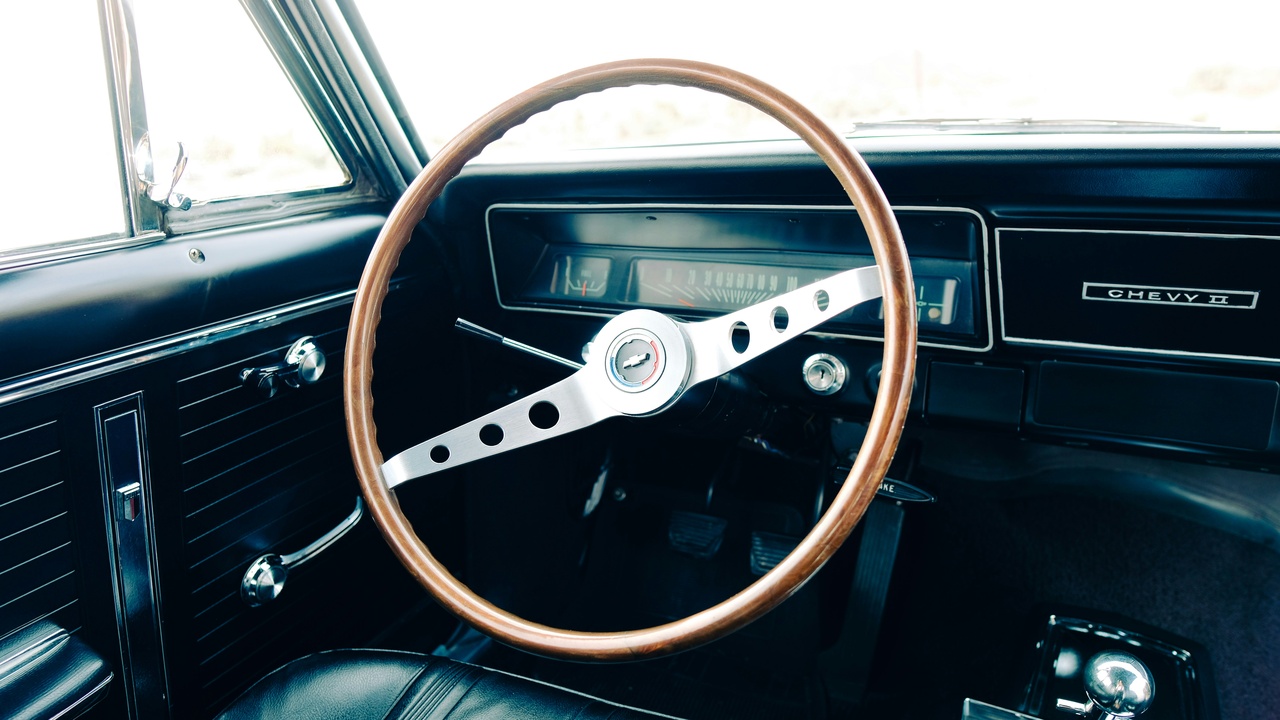
The 1960s were arguably the decade when form became as persuasive as function for car buyers. Sculpted bodies, dramatic bonnet lengths and fastback rear ends signaled aspiration as much as speed, helping manufacturers sell lifestyle as well as transportation.
Styling often reflected engineering realities — long front ends for big front-mounted V8s, compact cabins when engines moved midship — and a few designs set visual benchmarks that linger today.
1. Jaguar E-Type (1961) — Pure, Timeless Design
The E-Type debuted at the 1961 Geneva Motor Show and was hailed for proportions that seemed almost perfect: a long, graceful bonnet, low greenhouse and taut, flowing rear lines. Enzo Ferrari’s famous praise amplified the car’s mystique.
Underneath that beauty sat serious engineering for the era — independent rear suspension and, in Series I form, a reported top speed near 150 mph. The package offered supercar looks and performance at a price that felt attainable for many buyers.
Coachbuilders and future sports-car designers kept returning to the E-Type’s cues: the long bonnet, covered headlights (in early variants) and elegant fastback proportions remain reference points for classic 1960s cars.
2. Chevrolet Corvette Sting Ray (1963) — Sculpted American Sportscar
The 1963 Corvette Sting Ray represented a radical shift in American sports-car styling, most famously offering a split rear window on the coupe that year only. That split-window has become one of the most collectible Corvette features.
Beyond looks, the Sting Ray refined handling with its independent rear suspension and was sold with a variety of small-block V8s that let buyers balance performance and cost. The sharp lines and hidden headlamps influenced U.S. sports styling for years.
Collectors prize the 1963 coupe not just for rarity but for the way it signaled American cars could be both sculptural and technically sophisticated.
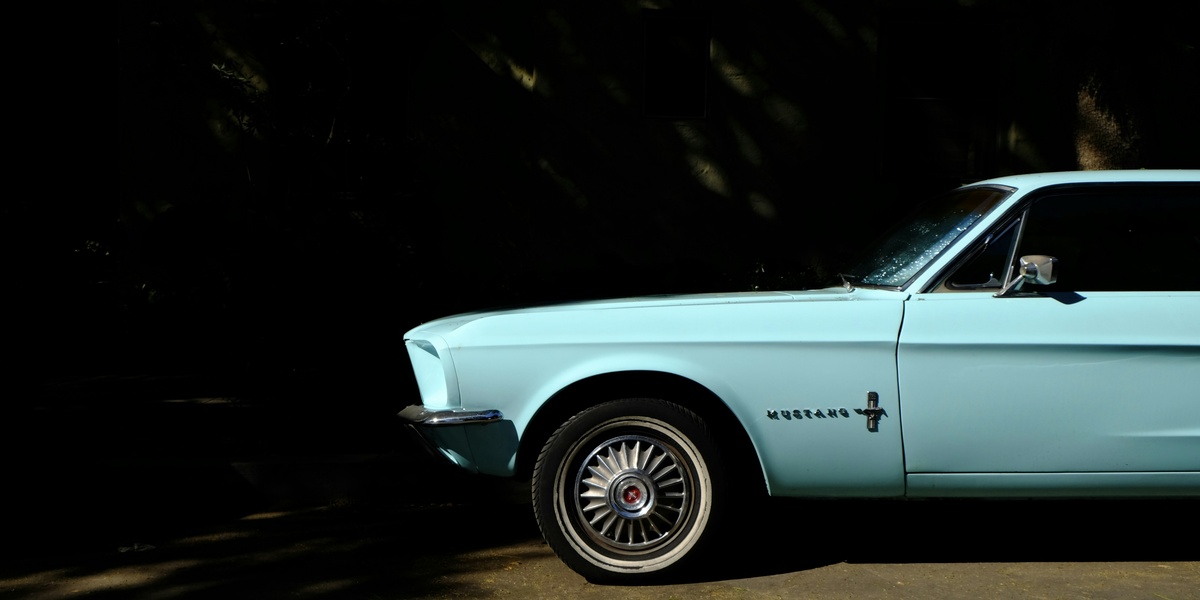
3. Ford Mustang (1964½) — Style for the Masses
The Mustang launched in April 1964 and created the “pony car” segment almost overnight, marrying a long hood and short deck to accessible pricing and broad customization options.
It reached a key sales milestone — more than one million units sold within roughly 18 months — showing how desirable sporty styling could be when made affordable. Trim and performance choices ranged from modest six-cylinder cruisers to performance-oriented GTs and Shelby-tuned variants like the GT350.
The Mustang’s silhouette became an industry template, democratizing performance looks and spawning rivals across the world.
Performance & Engineering Milestones
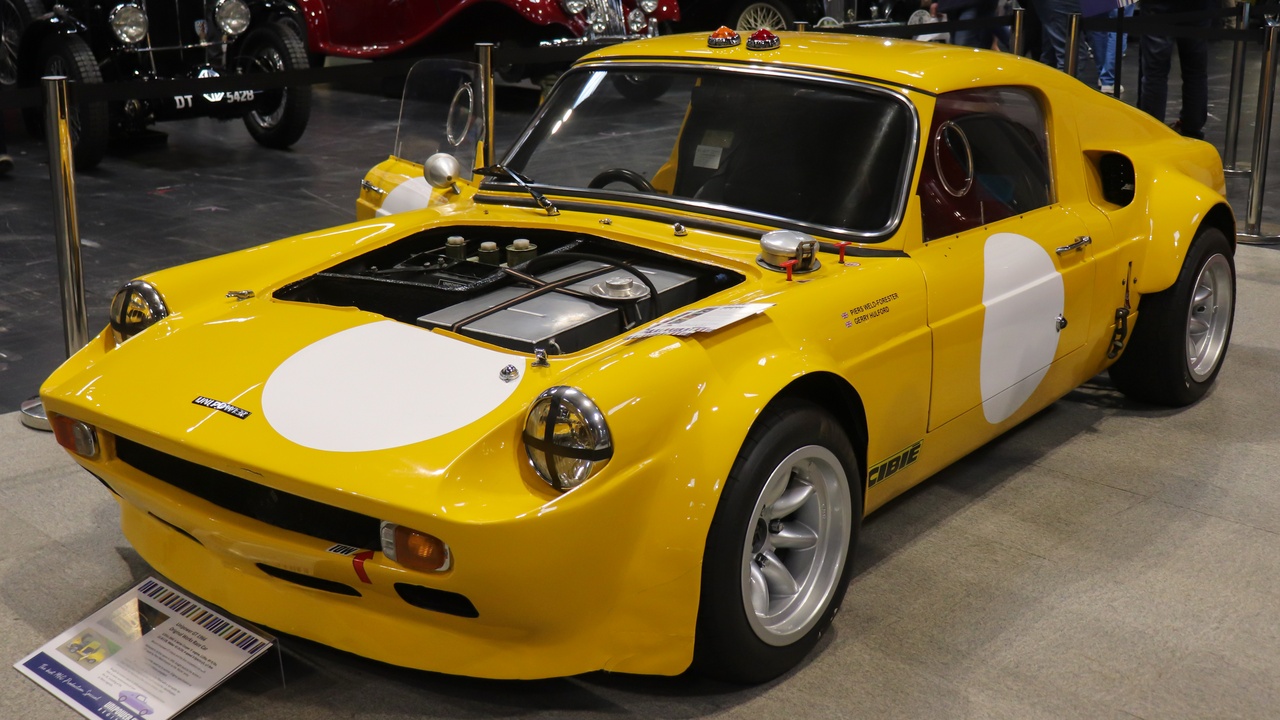
The Sixties pushed power-to-weight ratios, chassis innovation and packaging boundaries. Top models of the era often produced 300–425 horsepower and claimed 0–60 times that dazzled buyers and judges alike. Racing, boutique builders and muscle-car culture together accelerated what engineers tried on the road.
Lightweight construction plus high-displacement engines yielded cars that felt immediate, while the emergence of mid-engine layouts signaled a new future for supercars.
4. Shelby Cobra (early 1960s) — Lightweight American Power
The Shelby Cobra married a light British AC chassis with Ford V8 power, producing an explosive power-to-weight formula. The 427-era Cobras were often quoted at roughly 400–425 hp, depending on tune.
Contemporary tests and period claims suggested sub-4-second 0–60 times in the most aggressive configurations, a startling figure at the time. Carroll Shelby’s hands-on collaboration with AC and Ford made the car a racing and showroom legend.
The Cobra’s success in SCCA events and on international tracks influenced later American sports cars and helped cement the idea that lightweight chassis plus big engines beat brute force alone.
5. Lamborghini Miura (1966) — The First Supercar Template
Debuting in mid-1966, the Miura introduced a transverse mid-mounted V12 to a road car, creating the handling and packaging template for modern supercars. Marcello Gandini’s Bertone design gave the Miura a low, sensuous profile that remains iconic.
Early Miuras produced roughly 350–380 hp, with claimed top speeds near 170 mph — extraordinary numbers then. Its limited production run (1966–1973) made each example a coveted piece of automotive history.
The Miura proved that race-bred layouts could be fitted to road cars and that exotic design and engineering could coexist in a machine intended for the public road.
6. Porsche 911 (1964) — Enduring Engineering and Balance
Porsche’s 911 first appeared as a production model in 1964 (an earlier prototype had been shown as the 901 in 1963) and established the rear flat-six layout and weight distribution that define the car’s character.
That compact rear-engine package prioritized agility over straight-line heroics and allowed the 911 to be both a comfortable road car and a competitive racer. Early Carrera and RS variants proved the platform’s adaptability.
Decades of evolution have kept the 911’s core engineering philosophy intact, showing how a thoughtful balance of packaging and chassis design can yield longevity.
Innovation & Technical Firsts

The 1960s produced not just faster cars but novel technical solutions: adjustable suspensions, DOHC engines from new makers, and craftsmanship that challenged established producers. These innovations often foreshadowed features that later became mainstream.
Below are two cars that signaled broader shifts — one from Japan and one from France — each influential in different technical ways.
7. Toyota 2000GT (1967) — Japan Announces Itself
The hand-built Toyota 2000GT (1967) proved Japan could craft a world-class grand tourer. Production totaled approximately 351 units between 1967 and 1970, underscoring its exclusivity.
Under the hood sat a DOHC inline-six and the car’s coupe body and finish quality changed perceptions of Japanese automakers. Its appearance in the James Bond film You Only Live Twice (1967) helped introduce the model to international buyers.
Today the 2000GT is celebrated not just for looks but as a milestone that opened export markets and encouraged further investment in performance and design from Japan.
8. Citroën DS (1955–1975; 1960s prominence) — Ride and Handling Innovation
Although launched in 1955, the Citroën DS dominated 1960s conversation about suspension and aerodynamics. Its hydropneumatic self-leveling suspension offered adjustable ride height and a level of comfort uncommon in the era.
Combined with power-assisted steering and streamlined bodywork, the DS reduced driver fatigue and improved road-holding, especially on uneven surfaces. Luxury and executive cars later borrowed these ideas for ride quality.
The DS demonstrated that innovation didn’t always mean more power; sometimes it meant a smarter way to handle bumps, braking and driver comfort.
Cultural Impact & Enduring Legacy
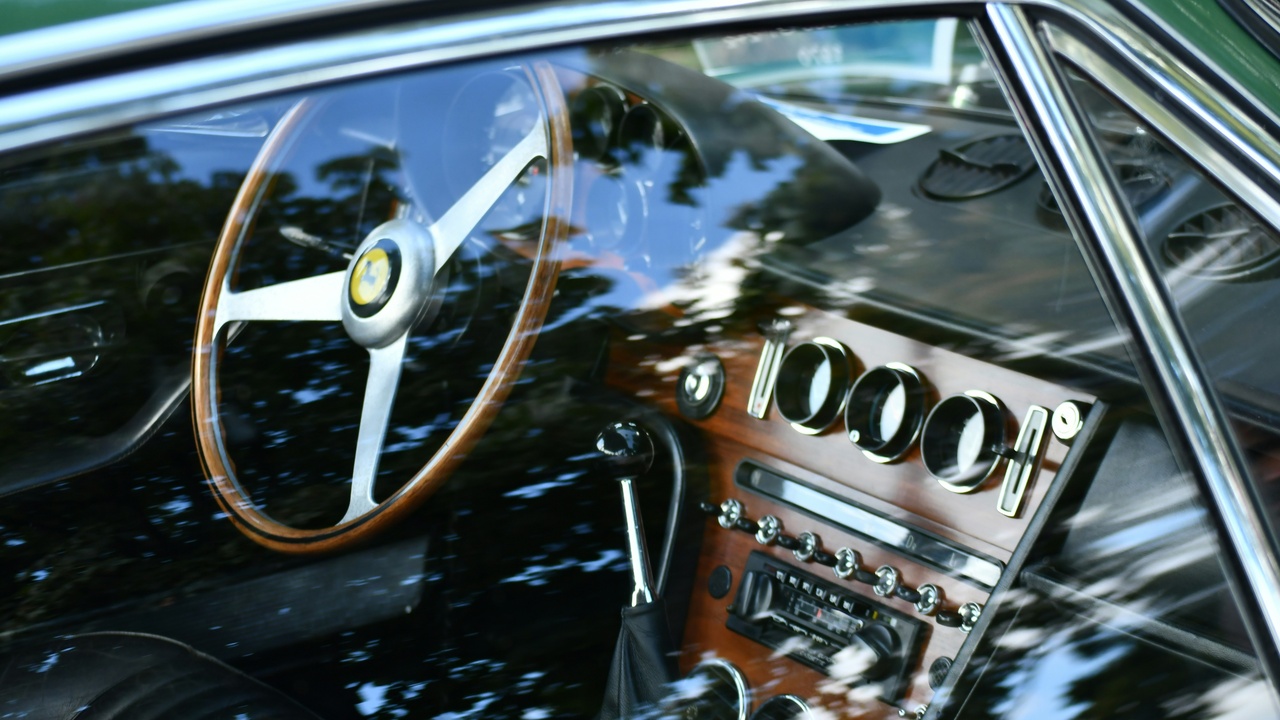
Some cars from the Sixties became shorthand in film, TV and advertising: the Mustang came to mean freedom, the Charger represented raw American muscle, and specific movie placements elevated values and desirability overnight.
Collectors, restoration shops and enthusiast clubs keep these cars alive, and their appearances in media continue to shape how successive generations view the decade.
9. Ford Mustang GT (1968 ‘Bullitt’) — Movie-Star Cool
The 1968 Mustang GT gained immortal status after starring in Bullitt (1968), thanks to Steve McQueen and a now-legendary San Francisco chase sequence. That on-screen exposure turbocharged the car’s desirability.
Original Bullitt Mustangs (equipped with the 390 V8) and later tribute models fetch premium prices among collectors. The film demonstrated how cinematic placement can transform a production car into a cultural artifact.
Manufacturers have long since recognized this effect, producing official tribute editions and aftermarket specialists offering period-correct restorations to meet enthusiastic demand.
10. Dodge Charger (late 1960s) — Muscle Car Symbol
Late-1960s Chargers, notably 1968–1970 models, stand as quintessential muscle cars with bold coke-bottle styling and big-block V8 options. Engines such as the 426 Hemi and 440 V8s were often rated well over 400 hp in race-tuned forms.
The Charger R/T and the aero-focused Daytona showed the platform’s range, from raw street performance to purpose-built track variants. Popular culture amplified the Charger’s image — TV and film placements (the later General Lee of The Dukes of Hazzard) kept it in the public eye.
The Charger helped define dealer performance programs and the aftermarket scene that supports restoration and modification to this day.
Summary
The 1960s blended stylistic daring with meaningful engineering advances, producing cars that remain influential in design, technology and culture. From the E-Type’s 1961 debut to the Mustang’s explosive early sales, these models taught makers how to marry looks with performance and how a single film scene can lift a car into legend.
- Design flair met practical innovation — vehicles like the E-Type and Miura set visual and technical templates.
- Engineering breakthroughs — mid-engine layouts, advanced suspensions and lightweight approaches shaped future supercars and everyday models.
- Cultural resonance endures — movie placements and racing pedigrees fuel collector markets and restoration communities.
- Explore further — visit a local classic-car meet, read restoration stories, or research auction results to see how these cars still captivate.

Marco Delantero
More from Marco DelanteroHow we reviewed this article
This article was researched against manufacturer records and editorially reviewed before publishing. We accept no payment for coverage.