Land Rover has quietly killed off more models than it currently sells. The Freelander, the LR2, LR3, and LR4, the original Defender that ran for 67 years, and three generations of the Series trucks that started the whole thing — all gone. Most lists you’ll find just name them and move on. That misses the interesting part: why each one got the axe, and which of these orphaned models is actually worth your money now.
Some were dropped because they couldn’t pass crash and emissions rules. Some died when Land Rover switched from body-on-frame to car-based monocoque platforms. A couple just sold badly. Here’s the complete roster, in the order they appeared, with what replaced them and what you’ll pay for a used one today.
Table of Contents
- Quick Reference Table
- Land Rover Series I, II, and III (1948–1985)
- Land Rover Discovery Series I & II (1989–2004)
- Land Rover Freelander / LR2 (1997–2015)
- Land Rover LR3 / Discovery 3 (2004–2009)
- Land Rover LR4 / Discovery 4 (2009–2016)
- The Original Defender (1983–2016)
- Which Discontinued Land Rover Should You Buy?
Quick Reference Table {#quick-reference-table}
| Model | Years (US/Global) | Why It Was Killed | Successor | Used Price (USD) |
|---|---|---|---|---|
| Series I–III | 1948–1985 | Replaced by the Defender name/spec | Defender (Ninety/One Ten) | $15,000–$60,000+ |
| Discovery Series I/II | 1989–2004 | Platform aging, US emissions | LR3 | $5,000–$18,000 |
| Freelander / LR2 | 1997–2015 | Replaced by car-based Discovery Sport | Discovery Sport | $4,000–$12,000 |
| LR3 (Discovery 3) | 2004–2009 | Mid-cycle refresh into LR4 | LR4 | $6,000–$14,000 |
| LR4 (Discovery 4) | 2009–2016 | Replaced by unibody Discovery 5 | Discovery (L462) | $14,000–$28,000 |
| Original Defender | 1948/1983–2016 | Failed modern crash & emissions rules | New Defender (L663) | $35,000–$120,000+ |
Land Rover Series I, II, and III (1948–1985) {#series}
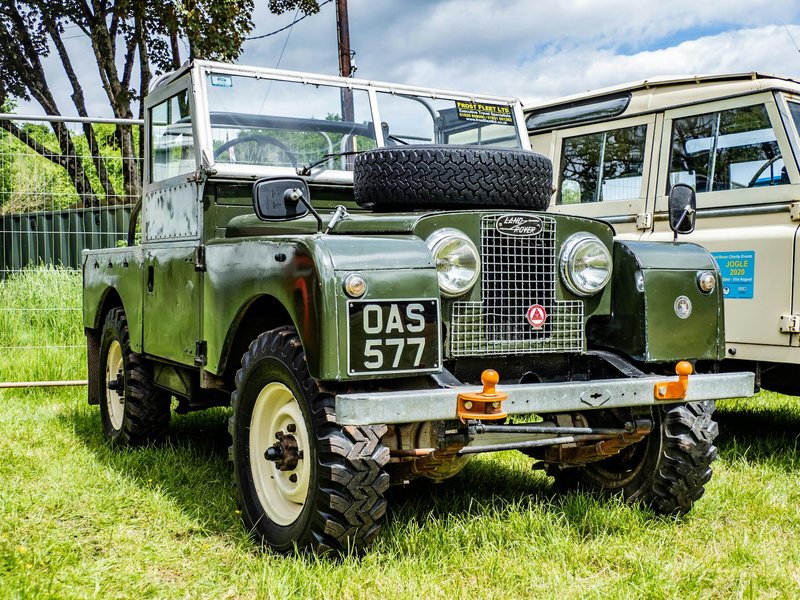
This is where it all started. The Series I debuted at the 1948 Amsterdam Motor Show as a stopgap farm vehicle, built on a steel ladder frame with aluminum-alloy body panels because steel was rationed after the war. That aluminum decision, made out of pure scarcity, became a Land Rover signature for decades because it didn’t rust like body steel.
The Series II (1958) brought the barrel-side body shape most people picture when they think “old Land Rover,” and the Series III (1971) added a fully synchronized gearbox and a plastic grille. None of these were discontinued because they failed — they evolved. By 1983 the line had been split into the Ninety and One Ten (named for their wheelbases in inches), which were renamed Defender in 1990 to distinguish them from the new Discovery.
So the Series didn’t really die. It mutated into the Defender. The reason it matters here: a clean Series truck is now a genuine collector item. A restored Series I can clear $60,000, and even rough Series III project trucks start around $15,000.
Land Rover Discovery Series I & II (1989–2004) {#discovery-classic}
The original Discovery launched in 1989 to slot between the utilitarian Defender and the luxury Range Rover. It shared the Range Rover Classic’s chassis and that excellent permanent four-wheel-drive system, but wrapped it in a more family-friendly, slightly cheaper package — stadium seating, the stepped roof, those rear quarter windows.
The Series I and the heavily revised Series II (1998) sold well, but two things ended them. The platform was aging fast against newer SUVs, and the early V8 and diesel engines developed a reputation for head-gasket failures and electrical gremlins that haunts these trucks to this day. Land Rover replaced the whole thing in 2004 with the LR3, a clean-sheet design. If you’re shopping the tail end of this generation, it’s worth seeing where it landed among the rest of the cars made in 2000 to gauge how the segment had moved on by then.
These are the cheapest way into a classic Land Rover shape — $5,000 to $18,000 — but they’re also the riskiest. Budget for the head gasket job before you even drive it home.
Land Rover Freelander / LR2 (1997–2015) {#freelander}
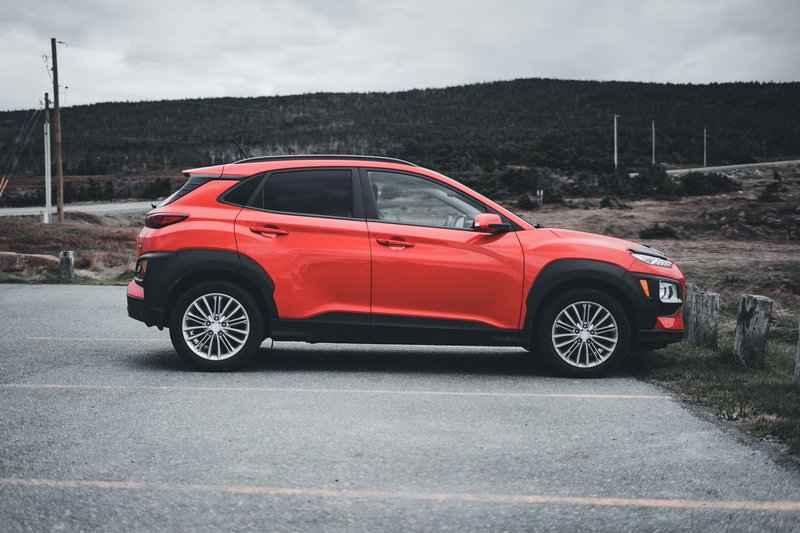
The Freelander was Land Rover’s first attempt at a small, car-based crossover, and it sold in huge numbers in Europe. It arrived in the US in 2002, then came back as the rebadged LR2 for 2008 when Land Rover unified its naming with the LR3.
The Freelander has a rough reputation, and the first-generation models earned it — early ones were plagued by the troublesome K-series engine and a fragile Intermediate Reduction Drive in the rear differential. The LR2 and later Freelander 2 were far more reliable, built on a Volvo-derived platform after Ford owned both brands.
It was discontinued in 2015 and replaced by the Discovery Sport, which moved to a more modern, more efficient unibody architecture. Used LR2s are cheap ($4,000–$12,000) and the later ones are reasonable buys, but parts and specialist labor still cost Land Rover money on a vehicle worth Honda money.
Land Rover LR3 / Discovery 3 (2004–2009) {#lr3}
The LR3 (called Discovery 3 outside North America) was a serious leap. It introduced the Integrated Body Frame — a hybrid monocoque-on-ladder structure — and the brilliant Terrain Response system, which lets you dial in settings for mud, sand, rock, or grass. It genuinely went anywhere while carrying seven people in comfort.
It wasn’t killed so much as updated. In 2009 Land Rover gave it a comprehensive refresh, a new direct-injection diesel and a punchier petrol V8, and renamed it the LR4. The LR3’s weak spots are the air suspension (compressors and bags fail) and the same electrical complexity that defines the brand. Clean examples run $6,000–$14,000.
Land Rover LR4 / Discovery 4 (2009–2016) {#lr4}
The LR4 is the one a lot of enthusiasts consider the sweet spot of the modern Discovery line. It kept the LR3’s go-anywhere chassis and Terrain Response but fixed many of the rough edges, and the later 3.0-liter supercharged V6 (from 2014) is the engine to find.
It was discontinued in 2016 when Land Rover replaced it with the fifth-generation Discovery (L462), which dropped the boxy, upright styling for a curvier monocoque body — a move that split the fanbase hard. The LR4’s body-on-frame-style toughness was gone.
Because it’s the last of the “real” old-school Discoverys, the LR4 holds value better than its siblings: $14,000–$28,000 depending on year and engine. Land Rover’s own J.D. Power dependability rankings have historically placed the brand near the bottom of the industry, so a documented service history matters more here than on almost any other used SUV. It’s a pattern that holds across most carmakers — reliability reputations vary wildly between the different car brands, and Land Rover has long sat on the riskier end of that spectrum.
The Original Defender (1983–2016) {#defender}
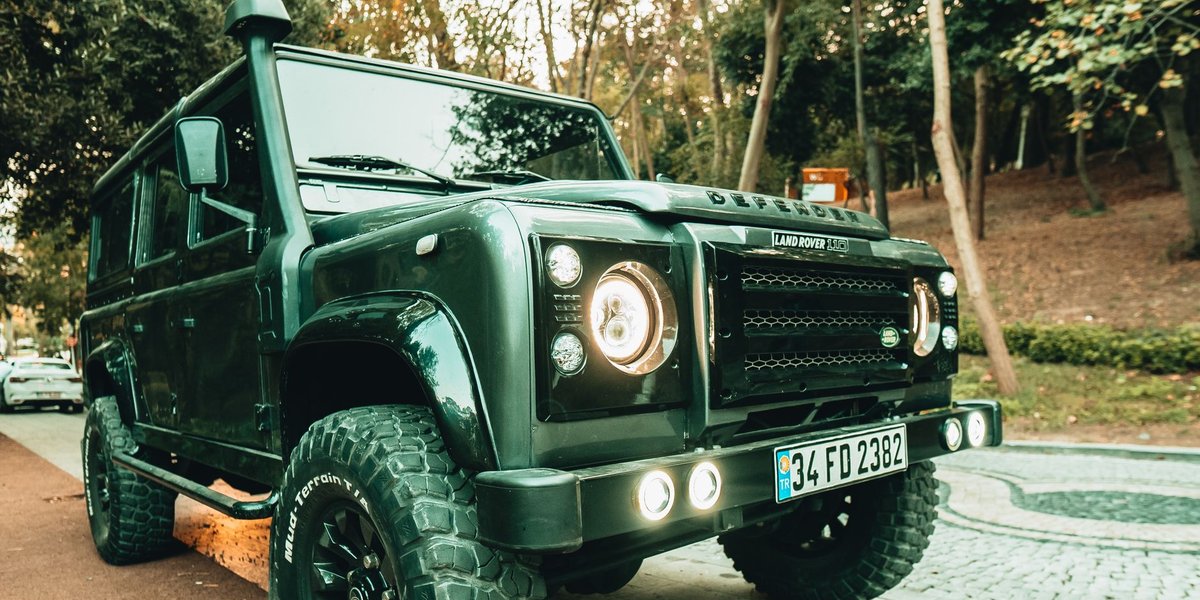
The Defender is the model everyone means when they mourn discontinued Land Rovers. As a direct descendant of the 1948 Series I, it stayed in production with the same basic ladder-frame, aluminum-bodied design for an astonishing run. The US never officially got it after 1997 due to airbag and emissions regulations, which is exactly why grey-market and 25-year-rule imports command absurd prices here.
Land Rover ended production in January 2016 for a blunt reason: the old Defender could not meet modern pedestrian-impact, crash-safety, and emissions standards without a ground-up redesign. The hand-built body and the lack of airbags made it a legal dead end. The company confirmed the end of Defender production after more than two million had been built. Land Rover is hardly alone in retiring an icon over rules and economics, either — even mainstream marques have culled long lists of nameplates, as the complete list of SEAT discontinued models shows.
The all-new Defender (L663) arrived in 2020 — a fully modern, monocoque, computerized SUV that’s wildly capable but shares almost nothing mechanically with the original. Prices for clean original Defenders are brutal: a legally imported, well-sorted Defender 90 or 110 routinely sells for $35,000 to well over $120,000 for restomod builds.
Which Discontinued Land Rover Should You Buy? {#which-to-buy}
It depends entirely on what you want out of it.
Best daily-driveable buy: LR4 (2014–2016). The supercharged V6, seven seats, real off-road ability, and the most refinement of any model on this list. It’s the last “tough” Discovery and the easiest to live with. Pay up for service records.
Best cheap project / classic look: Discovery Series II or LR3. You’ll get the iconic stepped-roof shape for the price of a used economy car. Just go in knowing you’re buying a mechanic’s relationship, not just a truck.
Best investment / appreciating asset: original Defender or a Series I. These aren’t transportation, they’re collectibles. They’ve appreciated steadily and a clean one is unlikely to lose money, but maintenance is specialist-only and expensive.
Most affordable Land Rover badge: Freelander 2 / LR2. The later, Volvo-platform versions are the only Land Rovers on this list you can buy purely as cheap transport — and even then, keep a repair fund.
The thread running through every one of these is the same. Land Rovers are spectacular when they work and expensive when they don’t, and a discontinued one means parts and specialists get scarcer every year. Buy the best-maintained example you can find, not the cheapest, and the discontinued badge becomes a feature instead of a warning.

James Kowalski
More from James KowalskiHow we reviewed this article
This article was researched against manufacturer records and editorially reviewed before publishing. We accept no payment for coverage.