
Table of Contents
- The Quick Take
- The Full 2013 Lineup, at a Glance
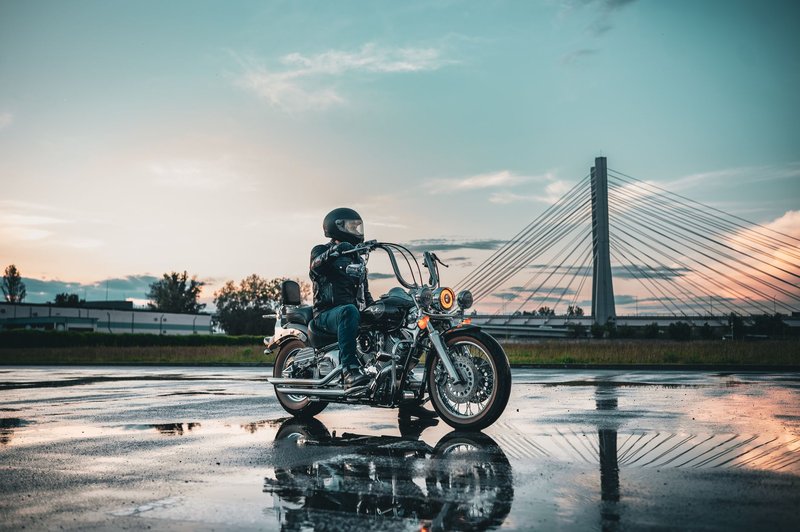
- Cruisers: The Biggest Category by Far
- Touring: The Gold Wing F6B
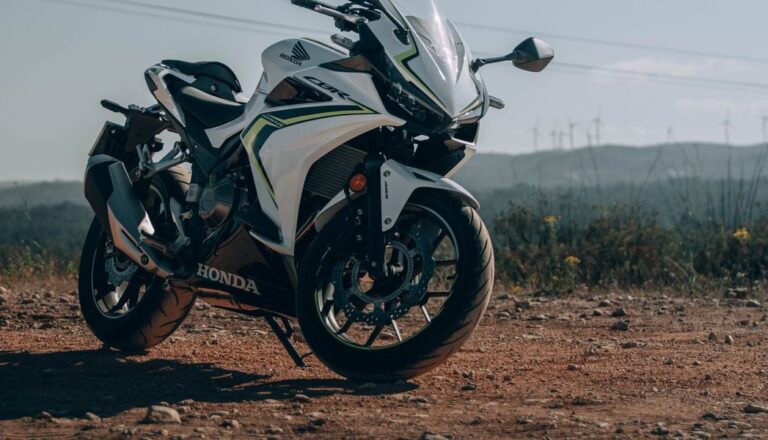
- Sport Bikes: CBR600RR and the New CBR500R
- Standard and Adventure: CB500F and CB500X
- Dual-Sport and Entry-Level Riders
- What These Bikes Are Actually Worth in 2026
- Reliability and Common Issues, Model by Model
- Which 2013 Hondas Are Turning Collectible
- Buying One Today
The Quick Take
Every “2013 Honda motorcycle models” article still online is a repackaged press release from the year the bikes launched. None of them tell you what actually matters thirteen years later: which of these bikes are still cheap and plentiful, which ones have quietly become sought-after, and which ones you should walk away from at any price.
The short version: the 745cc Shadow family and the XR650L are the ones to buy if you just want a reliable bike that starts every time. The Gold Wing F6B and the Fury are the ones climbing in value because Honda never made anything quite like them again. The CB500 trio (CB500F, CB500X, CBR500R) is the smartest buy for a rider who wants modern fuel injection and real parts availability without touring-bike money. Skip a rough CBR250R unless the price reflects a bike that’s been dropped.
The Full 2013 Lineup, at a Glance
Honda’s 2013 street bike range covered five categories and roughly sixteen distinct models, several of them badge variants of the same platform.
| Model | Category | Engine | Approx. 2013 MSRP |
|---|---|---|---|
| Gold Wing F6B | Touring | 1,832cc flat-six | ~$17,999 |
| Fury | Cruiser (chopper) | 1,312cc V-twin | ~$9,999 |
| Sabre | Cruiser | 1,312cc V-twin | ~$10,999 |
| Stateline | Cruiser | 1,312cc V-twin | ~$10,999 |
| Interstate | Cruiser (bagger) | 1,312cc V-twin | ~$12,999 |
| Shadow Aero | Cruiser | 745cc V-twin | ~$7,699 |
| Shadow Phantom | Cruiser | 745cc V-twin | ~$7,999 |
| Shadow RS | Cruiser (sport) | 745cc V-twin | ~$7,999 |
| Shadow Spirit | Cruiser | 745cc V-twin | ~$7,499 |
| CBR600RR | Supersport | 599cc inline-four | ~$11,490 |
| CBR500R | Sport | 471cc parallel-twin | ~$6,999 |
| CB500F | Standard/naked | 471cc parallel-twin | ~$5,999 |
| CB500X | Adventure-standard | 471cc parallel-twin | ~$6,999 |
| XR650L | Dual-sport | 644cc single | ~$6,690 |
| CBR250R | Entry sport | 249cc single | ~$4,199 |
| Rebel 250 | Entry cruiser | 234cc V-twin | ~$4,190 |
Prices are approximate MSRPs at launch, before freight and setup, and varied by trim (ABS models ran higher).
Cruisers: The Biggest Category by Far
Cruisers made up more than half the 2013 lineup, split into two engine families that never overlapped in parts or feel.
The 1,312cc V-twin bikes — Fury, Sabre, Stateline, and Interstate — all shared the same liquid-cooled engine but wore completely different bodywork. The Fury was Honda’s factory chopper, a long, low, stretched-out bike with a 32-degree rake that made it look custom-built without ever touching a fabrication shop. The Sabre added a fairing-mounted shroud and cast wheels for a more finished look. The Stateline went full old-school with valanced fenders and wire-spoke wheels. The Interstate took the Stateline’s styling and bolted on a windscreen and hard saddlebags, turning it into the closest thing Honda offered to a budget bagger that year.
The smaller 745cc Shadow family — Aero, Phantom, RS, and Spirit — ran a different, air-cooled V-twin that had been in Honda’s lineup in one form or another since the late 1990s. That long production run is exactly why these bikes are everywhere on the used market and why every independent shop already knows how to work on them. The Phantom’s blacked-out finish and the RS’s spoked wheels and dual shocks were cosmetic differences on the same reliable platform underneath.
Touring: The Gold Wing F6B
The Gold Wing F6B was new for 2013, and it was Honda’s answer to a question full-dress Gold Wing owners kept asking: what if you stripped off the top box and CB radio and just kept the bagger essentials? Same 1,832cc flat-six, same shaft drive, same bulletproof reputation, but with a lower seat, a shorter windscreen, and none of the trunk-mounted extras that made the standard Gold Wing feel like a rolling living room.
It landed at a lower price than the full-dress version and immediately split opinion. Traditionalists missed the trunk storage. Everyone else liked that it finally looked like a motorcycle a rider under fifty might choose on purpose. Long-haul touring riders who cover serious interstate mileage still cite the flat-six’s smoothness — Honda’s own engineering data has held up for years on this point, and independent long-term owner reports back it up.
Sport Bikes: CBR600RR and the New CBR500R
The CBR600RR carried the supersport banner in 2013, largely unchanged from the previous year’s refinement of a platform that had already won its share of track days. It’s an inline-four built for aggressive geometry and high-rev power delivery, not for commuting comfort, and buyers who bought one for anything but backroads and track days usually sold it within a year.
The CBR500R, on the other hand, was brand new and aimed at a completely different rider. It used the same 471cc parallel-twin as its CB500 siblings, tuned for smooth midrange power rather than a screaming top end, wrapped in sportbike bodywork. It was Honda’s pitch to a rider who wanted the look of a sportbike without the insurance premium or the wrist strain of a full supersport.
Standard and Adventure: CB500F and CB500X
The CB500F and CB500X shared the CBR500R’s engine and frame but wore it differently. The CB500F stripped the bodywork down to a naked standard: upright seating, minimal fairing, and a seat height low enough that shorter riders could flat-foot it at a stop. The CB500X added a taller windscreen, longer-travel suspension, and a more upright riding position aimed at riders who wanted light adventure capability without stepping up to a full-size ADV bike.
All three 500cc twins arrived with fuel injection and a genuinely modern parts catalog, which matters more now than it did in 2013 — Honda kept this platform in production for years afterward with only minor updates, so a 2013 CB500F or CB500X shares the vast majority of its consumable parts with bikes built as late as 2018.
Dual-Sport and Entry-Level Riders
The XR650L is the outlier of the 2013 lineup: a big-bore, air-cooled single built for riders who wanted a bike that could handle a gravel fire road on Saturday and a highway commute on Monday. Honda barely changed this model for over two decades because there was nothing to fix. It’s tall, it’s simple, and it’s the bike mechanics recommend when someone asks for “something that’ll start in February after sitting all winter.”
The CBR250R and Rebel 250 covered the entry-level end. The CBR250R was a single-cylinder sportbike with fuel injection and, on ABS models, genuinely useful braking assistance for new riders — a feature that wasn’t standard on competing 250s at the time. The Rebel 250 ran a smaller air-cooled V-twin in classic cruiser styling and had been a fixture of beginner rider courses for so long that plenty of licensed riders learned to ride on one before ever buying their first “real” bike.
What These Bikes Are Actually Worth in 2026
Thirteen years on, values track condition and mileage far more than model prestige, but there’s a clear pattern by category.
The 745cc Shadow family and the Rebel 250 sit at the bottom of the used market in dollar terms, typically trading in the $2,500 to $4,500 range for a clean, running example with moderate mileage — which is exactly why they’re popular first bikes and beater commuters. The CB500 trio holds value better than almost anything else in the lineup because demand for a modern, fuel-injected, easy-to-insure middleweight never really dropped; expect $3,500 to $5,500 depending on mileage and whether it’s the F, X, or R variant.
The 1,312cc cruisers (Fury, Sabre, Stateline, Interstate) generally land in the $5,000 to $8,000 band, with the Fury commanding a premium over its siblings because its styling never got a direct successor in Honda’s current lineup. The CBR600RR varies enormously based on whether it was track-only or street-ridden — track bikes with dropped bodywork and replaced subframes sell for half of what a clean, garage-kept example brings, often $4,000 to $7,000 for the good ones.
The Gold Wing F6B is the strongest performer of the bunch. Clean, low-mileage examples still bring $10,000 to $13,000, holding a bigger share of original MSRP than any other 2013 Honda street bike, because full-dress touring riders who want the bagger silhouette without full trunk storage still can’t get exactly this configuration new. The XR650L, thanks to its cult following among adventure and overland riders, has actually crept up in the last few years rather than depreciating further — expect $3,500 to $5,000 for a good one, more if it’s been fitted with aftermarket suspension.
Reliability and Common Issues, Model by Model
None of the 2013 Honda street bikes have a reputation for major engine failures — that’s the baseline you’re working from. The issues that show up are almost entirely maintenance-related, not design flaws.
The 1,312cc and 745cc cruisers both develop the same age-related complaints: fuel petcocks that stick after years of ethanol-blended gas sitting in the tank, and carbureted models (most of the 745cc Shadows) that need a carb clean if they’ve sat for more than a season. Neither is expensive to fix, but both are common enough that a seller who can’t answer “when was the carb last cleaned” is a seller who hasn’t been maintaining the bike.
The CB500 platform’s most-reported issue is a stalling complaint tied to early ECU fuel mapping, addressed by a factory reflash — worth confirming has been done if you’re looking at a 2013 or 2014 model specifically. The CBR600RR’s biggest risk isn’t mechanical at all; it’s cosmetic and structural damage from track use that a cursory look won’t reveal, so a pre-purchase inspection matters more here than on any other bike in this lineup.
The Gold Wing F6B has a well-documented history of reverse-gear linkage wear on high-mileage examples, a known quantity that shops familiar with the platform check as a matter of course. The XR650L’s only real quirk is a lean stock jetting that causes hard starting in cold weather — most owners re-jet it in the first year and never think about it again. The CBR250R and Rebel 250 are about as mechanically simple as street-legal motorcycles get, and their most common problem is cosmetic damage from being dropped by new riders learning clutch control, not anything under the bodywork.
For anyone buying used, the National Highway Traffic Safety Administration’s motorcycle recall database is worth a five-minute check before handing over cash — it’s free, and it will flag anything Honda issued a service bulletin for on the specific VIN.
Which 2013 Hondas Are Turning Collectible
Three models stand out as the ones actually gaining enthusiast interest rather than just holding steady.
The Fury is the clearest case. It was Honda’s only factory chopper, built for exactly one design era before cruiser trends moved on, and nothing in Honda’s current lineup replaces it. Clean, unmodified examples are starting to draw attention from collectors who want a factory custom without the maintenance headaches of an actual custom build.
The Gold Wing F6B is the second, for the reason covered above: it’s a specific configuration — Gold Wing power and comfort without the full trunk — that Honda hasn’t repeated in later Gold Wing generations, which pivoted toward an entirely redesigned platform in 2018.
The XR650L rounds out the list, not because it’s rare but because it’s become the default recommendation in overlanding and dual-sport communities for a big-bore thumper that’s simple enough to fix on the trail. That demand has kept prices firmer than a bike this old and this basic would otherwise command.
Buying One Today
Match the bike to what you’ll actually do with it, not what looks best in a listing photo. A Shadow or Rebel 250 bought for city commuting will outlast a CBR600RR bought for the same job and cost a third as much to insure. A CB500X bought for weekend gravel exploring will do the job better than an XR650L bought by someone who really just wanted a comfortable seat.
Whatever model you’re looking at, ask for maintenance records before mileage. A 40,000-mile CB500F with documented service history is a better buy than a 12,000-mile one that sat for six years between owners. Check the Motorcycle Safety Foundation’s guidance on buying and inspecting a used motorcycle if it’s your first used purchase — the checklist takes ten minutes and catches the problems a casual look-over misses. If your search isn’t limited to 2013, the 2011 motorcycle models and 2014 models share many of the same platforms and engine families, so expanding by a year or two on either side can surface cleaner examples in the same price range. These bikes were built to be ridden for two decades, not thirteen years. The ones still running well today are the ones that’ll keep running well for whoever buys them next.

Sarah Thornton
More from Sarah ThorntonHow we reviewed this article
This article was researched against manufacturer records and editorially reviewed before publishing. We accept no payment for coverage. Some guides contain affiliate links; see our affiliate disclosure.