2011 was a stranger model year than it looks on paper. The European makers came in swinging — BMW dropped a six-cylinder tourer, Triumph finally built a real adventure bike, and Ducati invented a category nobody asked for and then sold a pile of them. Meanwhile a March earthquake in Japan knocked Honda, Yamaha, Suzuki, and Kawasaki production sideways for months, which quietly tightened used pricing on Japanese bikes for years afterward.
So if you’re shopping a used 2011, or just trying to identify the bike in your uncle’s garage, this is the lineup that mattered — sorted by category, with what each one cost new and roughly what it trades for now.
Table of Contents
- TLDR: the 2011 bikes worth your money
- Why 2011 was a pivot year
- Sport bikes
- Cruisers and Harley-Davidson
- Touring
- Adventure and dual-sport
- Standards and naked bikes
- 2011 model comparison table
- What to check before you buy a 2011
TLDR: the 2011 bikes worth your money
If you want the short version:
- Best all-around tourer: BMW K1600GT — the inline-six still feels special, and depreciation has done its work.
- Best adventure value: Triumph Tiger 800XC — cheaper to buy and run than a GS, nearly as capable.
- Most fun for the money: Ducati Monster 796 or a Kawasaki Ninja 650 if you want reliable.
- Best cruiser to keep forever: Harley-Davidson Softail series — parts and knowledge everywhere.
- Sleeper sport bike: Suzuki GSX-R600 — the 2011 refresh sharpened it, and it’s a bargain used.
Now the detail.
Why 2011 was a pivot year
Two things define the 2011 model year, and you can feel both of them in the used market today.
First, the center of gravity in motorcycling shifted toward Europe. For a decade the conversation had been Japanese liter-bikes and American cruisers. In 2011 the most interesting launches wore German, British, and Italian badges. BMW, Triumph, and Ducati each shipped a bike that opened a new lane rather than chasing an existing one.
Second, the Tōhoku earthquake and tsunami in March 2011 hit Japanese manufacturing hard. Honda’s factories took weeks to come back, and component shortages rippled through all four Japanese brands. The practical result for buyers: fewer 2011 Japanese bikes built than planned, and prices that held firmer than a normal model year. That’s still visible in used listings — a clean 2011 Japanese bike often costs more than its 2012 sibling, which makes no sense until you remember the supply story.
Keep both in mind as you read. The European bikes below were genuinely new ideas; the Japanese ones were refinements of proven machines, and they aged accordingly.
Sport bikes
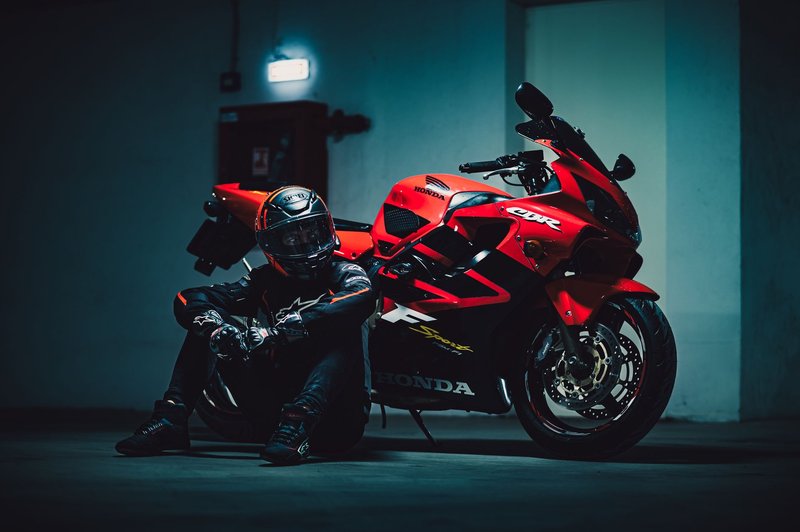
The 2011 sport segment was deep — Motorcycle.com counted more than fifty distinct sport models that year. Most were carryovers. A few got real updates.
Suzuki GSX-R600 / GSX-R750 (~$11,599 / $12,399 new). This was the big one. Suzuki redesigned the chassis around the 2011 model, dropping weight and adding Showa Big Piston Fork up front. The 600 and 750 share a frame, and the 750 is the connoisseur’s pick — almost no extra weight, a meaningful jump in midrange. Today a sorted GSX-R750 from this generation runs roughly $5,000–$6,500, and it’s arguably the smartest used supersport buy of the era.
Kawasaki Ninja ZX-10R (~$13,799 new). Completely new for 2011, and the first Japanese superbike with factory traction control as a serious system rather than an afterthought — a piece of tech that would go on to define Kawasaki’s 2010s lineup across the rest of the decade. It won Cycle World’s nod as a standout that year. Used prices sit around $6,000–$8,500 depending on track history — and that history is exactly what you need to vet, because plenty got thrashed.
Yamaha YZF-R1 (~$13,990 new). Still riding the crossplane-crank wave introduced in 2009. The flat-plane growl and lumpy power delivery make it the character pick among 2011 liter-bikes. Expect $6,500–$9,000 used.
For most riders shopping this category now, the 600s are the sweet spot. Insurance is saner, the bikes are more forgiving, and a 2011 supersport is plenty fast for any public road.
Cruisers and Harley-Davidson
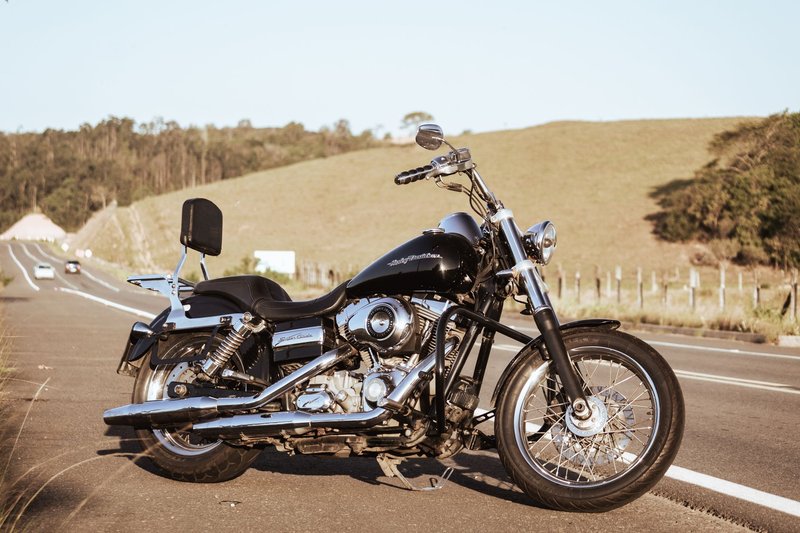
Harley-Davidson rolled out five new or significantly revised models for 2011, and the cruiser category overall was where the volume lived.
Harley-Davidson Softail lineup (~$15,000–$20,000 new). The 2011 Softails carried the Twin Cam 96B counterbalanced engine, and the Blackline joined the family as a stripped-down, blacked-out cruiser aimed at younger buyers. These are forever bikes — the aftermarket is bottomless and any competent shop knows them cold. A 2011 Softail today typically trades for $7,500–$11,000, and they hold value better than almost anything else here.
Honda Sabre, Stateline, and Shadow additions (~$10,000–$13,000 new). Honda expanded its VT1300 cruiser line with the raked-out Sabre and the low-slung Stateline. They’re smooth, reliable, and substantially cheaper used than a comparable Harley — often $5,500–$8,000. The trade-off is resale and community: you won’t find a VT1300 specialist on every corner.
Yamaha/Star V-Star and Stryker. Star introduced the Stryker for 2011, a factory chopper-styled cruiser with a stretched front end. It nailed the look without the custom-build headache, and used examples are an easy entry into the slammed-cruiser aesthetic for around $5,000–$7,000.
If you’re buying a cruiser to keep, the Harley math usually wins on the back end. If you’re buying to ride and don’t care about badge resale, the Japanese cruisers are quietly the better machines for the money.
Touring
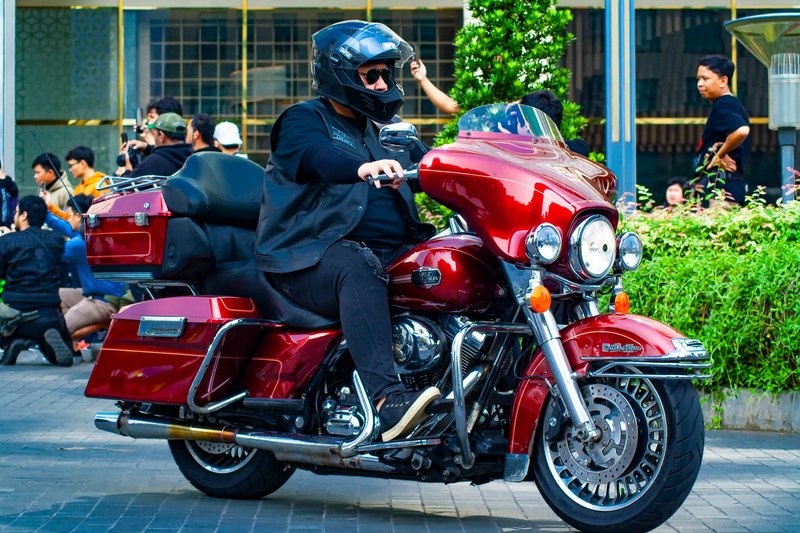
This is where 2011 produced its genuine landmark.
BMW K1600GT / K1600GTL (~$20,900 / $23,200 new). BMW built an inline-six. Not a flat-six, not a boxer — a narrow, 1,649cc straight-six making 160 horsepower, and somehow they packaged it no wider than a typical four. The GT is the sportier tourer; the GTL is the full luxury barge. More than a decade on, nothing else in touring sounds or pulls quite like it. Depreciation has been steep, which is your opportunity: clean K1600GTs now sell in the $9,000–$13,000 range, a stunning amount of motorcycle for the money. Budget for shaft and electronics service and buy one with records.
Honda Gold Wing (~$23,000 new). The 2011 Wing was late in its run before the 2012 redesign, which makes it a known quantity — bulletproof, comfortable, and cheap to keep relative to its capability. Used examples around $9,000–$12,000.
Harley-Davidson Electra Glide / Street Glide (~$20,000+ new). The 2011 touring models ran the Twin Cam 103 in several trims — the engine that would become standard across far more of the 2012 Harley-Davidson lineup the very next year. They’re the default American long-haul bike for a reason, and the used supply is enormous, which keeps prices honest at roughly $10,000–$14,000.
The K1600 is the enthusiast’s answer here. The Gold Wing is the pragmatist’s. You won’t be wrong with either.
Adventure and dual-sport
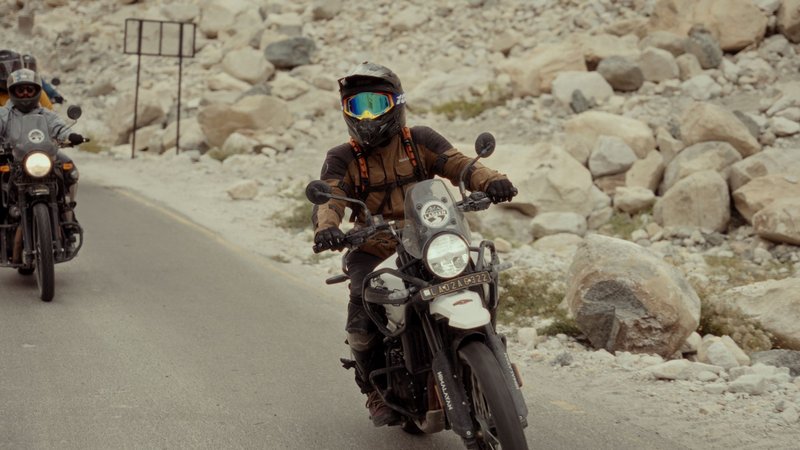
Adventure riding was hitting its stride in 2011, and two bikes defined the year.
Triumph Tiger 800 / 800XC (~$9,999 / $10,999 new). Triumph took the excellent 800cc triple from the Street Triple lineage — the same vein of engineering that powered Triumph’s resurgent 2000s — and built a proper middleweight adventure bike around it. The base 800 is road-biased on cast wheels; the 800XC adds spoked wheels, longer travel, and real off-road intent. It landed as the value alternative to BMW’s F800GS and arguably out-charmed it on the engine. Used Tiger 800s run $5,500–$8,000 and remain one of the best adventure-bike bargains you can find.
Ducati Multistrada 1200 S (~$19,995 new). Ducati’s “four bikes in one” — selectable Sport, Touring, Urban, and Enduro modes that actually changed the throttle map and suspension. The 1200 superbike-derived engine made it the fastest thing in the category by a wide margin. It’s more sport-tourer than dirt-worthy, but it rewrote what an adventure bike could be. Used S models sit around $8,000–$11,000; factor Ducati service costs into the equation.
BMW R1200GS (~$16,150 new). The benchmark. The 2011 GS is the air/oil-cooled boxer before the 2013 water-cooled redesign, and a lot of riders prefer this generation for its mechanical simplicity. Expect $8,500–$12,000 used, and they routinely clear 100,000 miles.
For value, the Tiger 800XC. For the cult and the resale, the GS. For pure speed and theater, the Multistrada.
Standards and naked bikes
The unfaired middleweight category was where 2011 hid its best everyday bikes.
Ducati Diavel (~$16,995 new). Ducati’s other 2011 wild card — a power-cruiser that paired a 162-horsepower Testastretta engine with a fat 240-section rear tire and somehow handled like nothing that shape should. It created a niche of one. Used Diavels run $9,000–$12,000 and still turn heads.
Ducati Monster 796 (~$9,995 new). The Goldilocks Monster: enough torque to be exciting, light enough to flick around town, and the air-cooled L-twin keeps maintenance saner than the bigger Monsters. Around $5,500–$7,500 used.
Kawasaki Ninja 650 / ER-6n (~$7,599 new). Not exciting on paper, deeply sensible in practice. The parallel-twin is reliable, fuel-efficient, and forgiving, which is exactly why these make the best first big bikes. Used examples are everywhere at $3,500–$5,000, and they almost never let you down.
If you want one do-everything bike from 2011 that won’t drain your wallet, a Ninja 650 or a Monster 796 is the honest answer.
2011 model comparison table
| Model | Category | Engine | Original MSRP |
|---|---|---|---|
| Suzuki GSX-R750 | Sport | 750cc inline-four | ~$12,399 |
| Kawasaki ZX-10R | Sport | 998cc inline-four | ~$13,799 |
| Yamaha YZF-R1 | Sport | 998cc crossplane four | ~$13,990 |
| Harley Softail Blackline | Cruiser | 1,584cc V-twin | ~$15,499 |
| Honda Stateline (VT1300) | Cruiser | 1,312cc V-twin | ~$11,800 |
| Star Stryker | Cruiser | 1,304cc V-twin | ~$10,990 |
| BMW K1600GT | Touring | 1,649cc inline-six | ~$20,900 |
| Honda Gold Wing | Touring | 1,832cc flat-six | ~$23,000 |
| Triumph Tiger 800XC | Adventure | 799cc triple | ~$10,999 |
| Ducati Multistrada 1200 S | Adventure | 1,198cc L-twin | ~$19,995 |
| BMW R1200GS | Adventure | 1,170cc boxer twin | ~$16,150 |
| Ducati Diavel | Standard/Power | 1,198cc L-twin | ~$16,995 |
| Ducati Monster 796 | Standard | 803cc L-twin | ~$9,995 |
| Kawasaki Ninja 650 | Standard | 649cc parallel-twin | ~$7,599 |
Used values above are ballpark figures for clean, well-maintained examples and vary widely by mileage, region, and condition. Treat them as a starting point, not gospel.
What to check before you buy a 2011
A 2011 bike is now well over a decade old, which means condition matters far more than model year. A few things specific to this era:
- Fork seals and suspension service. The Showa Big Piston forks on the 2011 GSX-Rs and the electronic suspension on the Multistrada and K1600 are excellent when maintained and expensive when neglected. Ask for records.
- Electronics on the European bikes. The BMW K1600’s electronics and the Ducati ride-by-wire systems are reliable but pricey to diagnose. A pre-purchase inspection at a brand specialist pays for itself.
- Valve service intervals on Ducatis. The air-cooled twins (Monster 796, Diavel) need periodic valve clearance checks. Find out when the last one happened — skipping them is how people get burned.
- Mileage isn’t the enemy. A 60,000-mile R1200GS or Gold Wing with full service history is a better buy than a 12,000-mile bike that sat in a shed with old fluids and a rotting fuel system.
The 2011 model year sits in a sweet spot right now: modern enough to have fuel injection, ABS options, and traction control on the flagships, old enough that depreciation has done the heavy lifting. The European launches that made 2011 interesting are exactly the bikes where that depreciation is steepest — which is good news if you’re the one buying second.

Sarah Thornton
More from Sarah ThorntonHow we reviewed this article
This article was researched against manufacturer records and editorially reviewed before publishing. We accept no payment for coverage. Some guides contain affiliate links; see our affiliate disclosure.