TLDR
VW’s 2011 US lineup ran nine actual vehicles spread across eleven catalog entries: CC, Eos, Golf, GTI, Jetta, Jetta Sedan, Jetta SportWagen, Routan, Tiguan, Touareg, and Touareg Hybrid. The two big stories were the ground-up Jetta redesign that made the car bigger and noticeably cheaper, and the all-new second-generation Touareg, which arrived lighter, more efficient, and with VW’s first-ever hybrid drivetrain. One name is conspicuously missing: the Passat sat out 2011 entirely between generations.
Table of Contents
- Jetta and Jetta Sedan
- Jetta SportWagen
- Golf
- GTI
- CC
- Eos
- Routan
- Tiguan
- Touareg
- Touareg Hybrid
- Where’s the Passat?
- Buying one of these today
If you’re trying to make sense of a 2011 Volkswagen lineup that lists both “Jetta” and “Jetta Sedan” as if they’re different cars, you’re not imagining things — VW’s own order guide did that too. Here’s what every nameplate actually was that year, what changed, and what it’s worth knowing before you buy one fifteen years later.
Jetta and Jetta Sedan
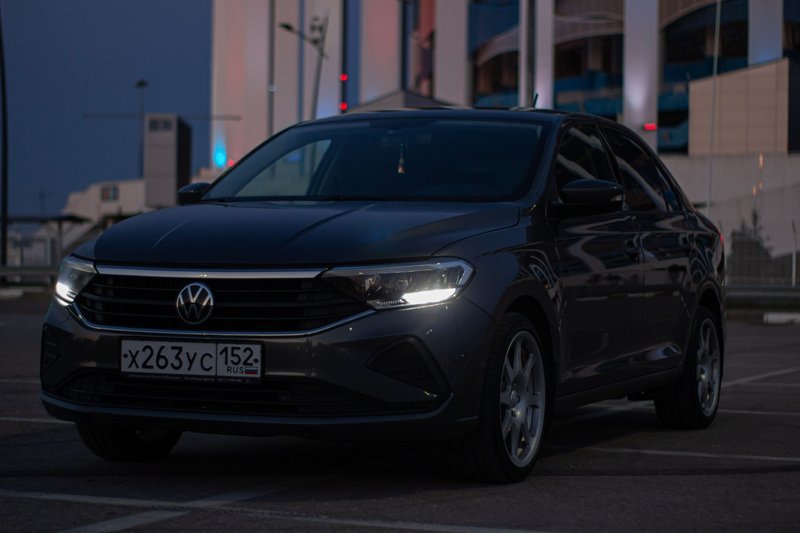
The 2011 Jetta wasn’t a refresh — it was a different car wearing a familiar name. VW stretched the body by about three inches, almost all of it going into rear legroom, and swapped the outgoing model’s independent rear suspension for a simpler torsion beam setup. That’s a cost decision, not a comfort one, and VW made it on purpose: the strategy was bigger and cheaper, aimed squarely at Corolla and Civic buyers who didn’t care about German suspension pedigree.
The base S trim got a reintroduced 2.0-liter four-cylinder making 115 horsepower — a step down in refinement from the old five-cylinder base engine, but it dropped the starting price meaningfully. SE and SEL trims kept the carryover 2.5-liter five-cylinder, and the TDI diesel continued as its own thing. The plunging grille that had defined Jettas for two generations was gone, replaced by the horizontal-bar face that would show up on the Golf and, eventually, most of the rest of the range.
VW’s catalog listed “Jetta Sedan” as a separate line from plain “Jetta,” but they’re the same car — the sedan naming just distinguished it from the wagon, which is where things get more interesting.
Jetta SportWagen
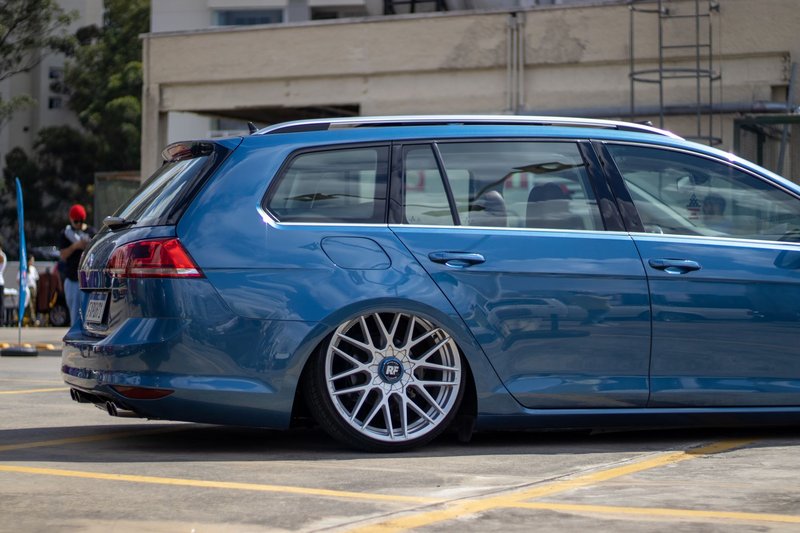
While the sedan got the ground-up redesign, the SportWagen didn’t. VW kept it on the previous-generation platform — the same one shared with the Golf — for the entire 2011 model year, independent rear suspension included. That means a 2011 Jetta and a 2011 Jetta SportWagen, despite sharing a name and a showroom floor, are built on genuinely different underpinnings. If you’ve cross-shopped a used sedan against a used wagon from this exact year and noticed the wagon rides differently, that’s why.
The SportWagen carried the 2.5-liter five-cylinder as standard and the TDI diesel as an option, with the versatility case being the obvious one: a proper wagon with a Golf-quality chassis, at a time when almost nobody else in the compact segment still sold one.
Golf
The Golf’s 2011 changes were smaller in scale but set the visual tone for everything else that year. The front end picked up the wide, double-bar grille flowing into angled halogen headlamps — the same face that had just landed on the new Jetta, signaling VW was standardizing its look across the range rather than letting each model wander on its own.
Mechanically the Golf carried on largely as it had, which was fine, because the previous version wasn’t broken. It remained the more premium-feeling alternative to the cheaper new Jetta for buyers who wanted the German road manners the redesigned sedan had traded away.
GTI
The GTI shared the Golf’s 2011 face lift and continued with the turbocharged 2.0-liter four making around 200 horsepower, paired with either a six-speed manual or VW’s dual-clutch DSG automatic. It stayed the enthusiast’s pick in the lineup that year: the only car in the catalog aimed squarely at people who wanted to drive, not just commute, and it did that job well enough that period reviewers kept comparing everything else in the compact segment back to it.
CC
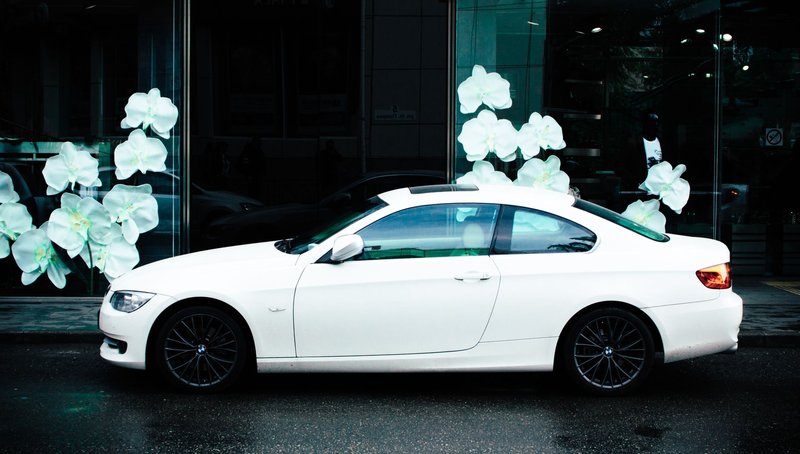
The CC’s story for 2011 is that there isn’t one — VW left it alone. Only two years into its run as the swoopy, coupe-roofline alternative to a conventional Passat-sized sedan, the CC didn’t need changes yet. It kept its four frameless-door design and the lowered, arcing roofline that made it look more expensive than its badge suggested, riding on the same platform underpinnings the outgoing Passat had used.
Eos
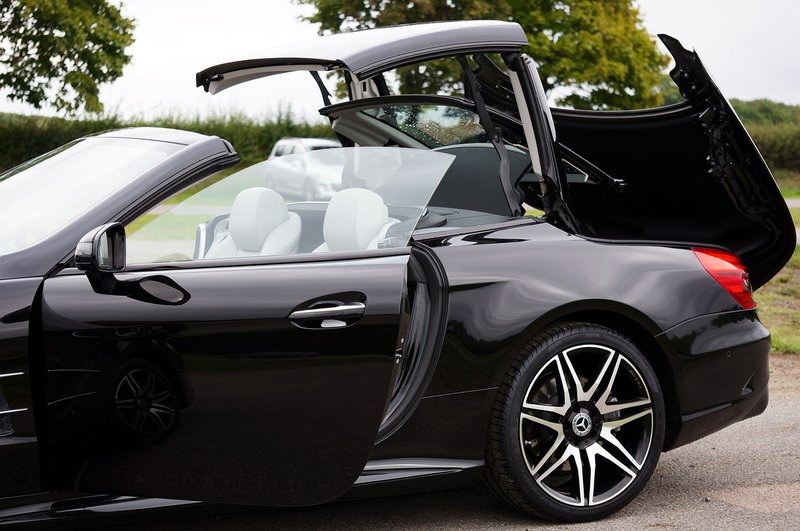
The hardtop convertible got a genuine upgrade under the hood: the 2011 Eos swapped in the 2.0-liter TSI four-cylinder shared with the GTI, good for 211 horsepower and 280 Nm of torque, a real step up from the engine it replaced. VW also added Vienna leather upholstery with heated front seats as standard, fresh 17-inch wheels, and a handful of new exterior colors. It remained the only true retractable hardtop in VW’s US lineup, folding metal roof and all.
Routan
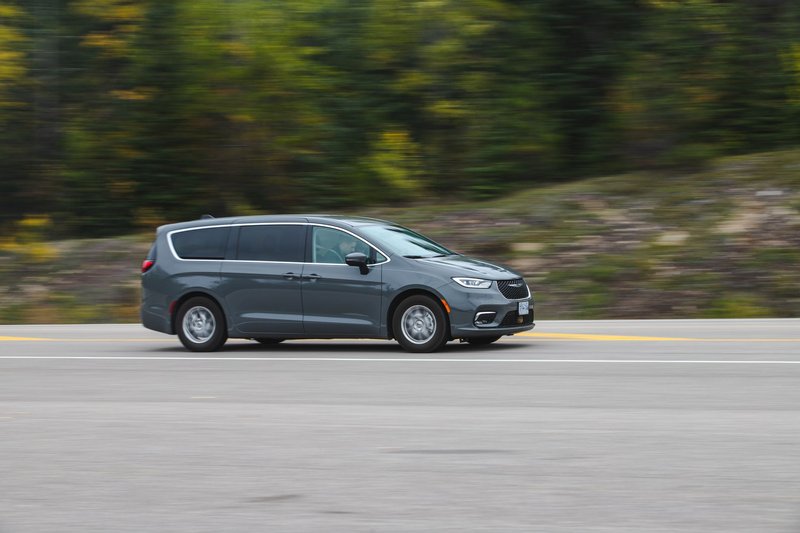
The Routan — VW’s rebadged version of the Chrysler minivan platform — got its most meaningful update yet for 2011: Chrysler’s new 3.6-liter Pentastar V6, replacing the previous 3.8-liter and 4.0-liter options with a single, better engine across the board. Rated at roughly 283 horsepower and 260 lb-ft of torque and paired with a six-speed automatic, it pushed EPA estimates to 17 mpg city and 25 highway, up from 16/23 before. VW’s engineers also retuned the steering, springs, shocks, and suspension bushings rather than just dropping in the new motor and calling it done. An ECO switch that adjusted transmission shift points, a leather-wrapped steering wheel, and a stowable roof rack rounded out the changes. It was, by a fair margin, the best Routan VW ever sold — which didn’t stop it from remaining the least VW-like thing in the showroom.
Tiguan
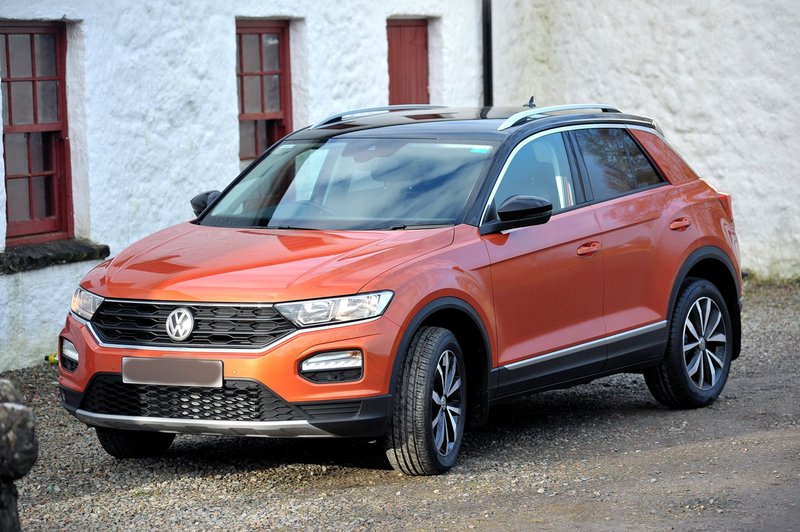
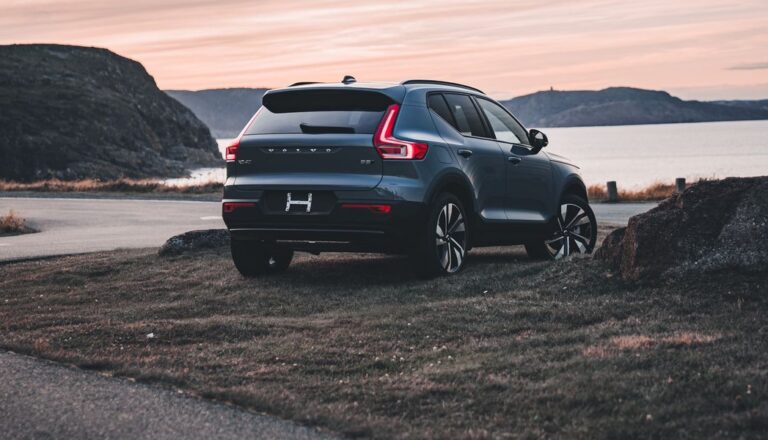
The Tiguan carried into its third US model year with no major changes, still riding on Golf underpinnings and still powered by the turbocharged 2.0-liter four. Worth knowing if you’re shopping one now rather than buying one new: this specific model year is the one owners and reliability trackers flag most often, with carbon buildup on the intake valves of the direct-injection engine, a timing chain tensioner known to wear out early enough to cause stalling, and ignition coils that can fail without warning. None of that made headlines in 2011 — it surfaced over the following decade of ownership.
Touareg
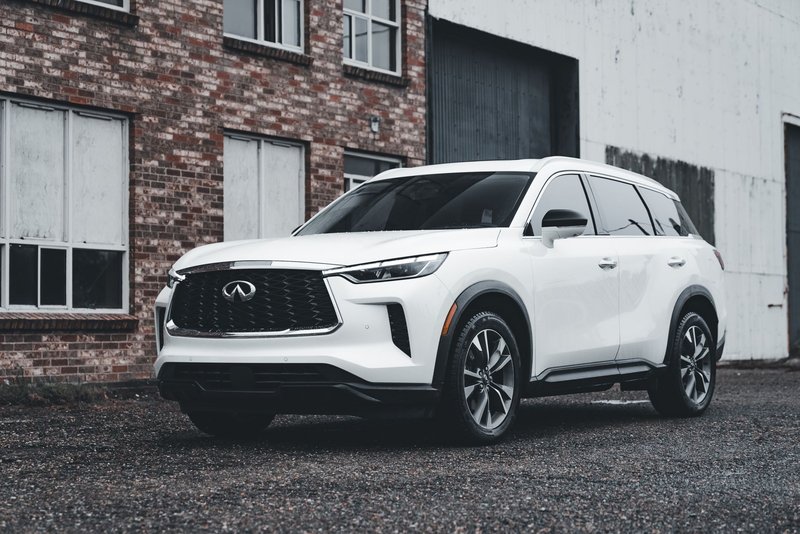
This was the Touareg’s real news year. The second generation arrived completely reengineered: 450 pounds lighter than the SUV it replaced and about 20 percent more fuel-efficient, with a longer wheelbase and more overall length adding interior space despite the reduced height. An eight-speed automatic replaced the old six-speed as standard equipment, and the complex dual-range transfer case — previously standard — became optional, bundled into a dedicated off-road package instead of assumed on every trim. The styling followed the same brief as the rest of the range that year: more car-like, less deliberately rugged, in line with where three-row and midsize SUV buyers were actually headed.
Touareg Hybrid
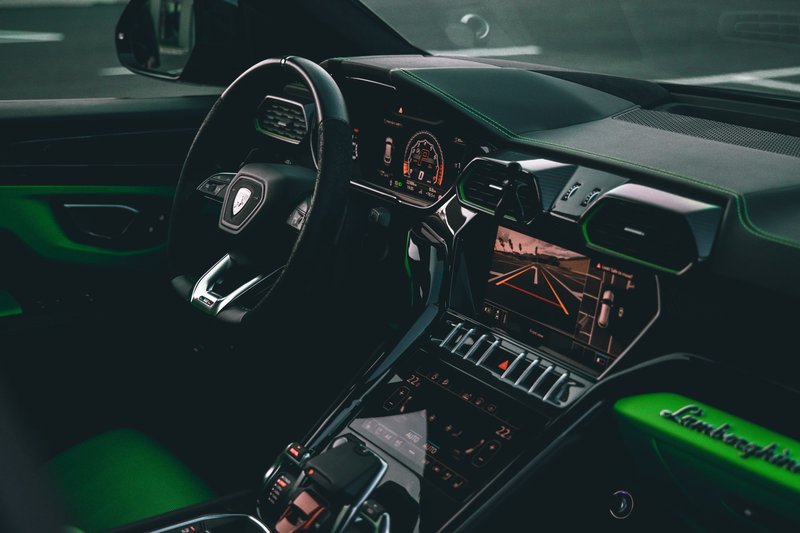
VW’s first-ever showroom hybrid arrived wearing a Touareg badge. The setup paired a supercharged 3.0-liter V6 making 333 horsepower with a 47-horsepower electric motor, and its most distinctive trick was what VW called “sailing” — decoupling the gas engine from the gearbox during trailing-throttle coasting at speeds up to 100 mph to cut mechanical drag and stretch fuel economy. It was a genuinely unusual approach for a hybrid SUV at the time, more concerned with high-speed efficiency than the low-speed electric-only crawling most hybrids optimized for.
Where’s the Passat?
There isn’t a 2011 Volkswagen Passat, and that’s not a gap in the historical record — VW simply didn’t sell one that year. The outgoing B6-generation Passat wrapped up production after 2010, and its replacement, an all-new model built specifically for the US market at VW’s new Chattanooga, Tennessee plant, didn’t launch until the 2012 model year. If you’re searching for a 2011 Passat listing and coming up empty, that’s why: for one year, the nameplate simply didn’t exist stateside. If you’re curious about other Volkswagen models VW has discontinued, that article has more details.
Buying one of these today
Fifteen years on, every one of these is a used car, and pricing tracks mileage and condition more than nameplate prestige. As rough guidance: a 2011 Jetta or Golf in decent shape typically lands in the $4,000–$8,000 range, the GTI and CC run a bit higher given their sportier and more upscale positioning, the Eos and Tiguan tend to sit in the $6,000–$10,000 band, and the Touareg — especially the Hybrid — commands the most of the group thanks to its size and more recent-feeling underpinnings. The Routan, never a strong resale performer even new, is usually the cheapest entry point into the lineup.
Two things worth checking before you buy any of them. First, the 2011 Jetta was subject to a recall over a contaminated airbag clock spring, the coiled cable that keeps the driver’s airbag connected while the steering wheel turns — confirm it was addressed. Second, if you’re looking at a Tiguan from this specific year, budget for a timing chain tensioner and ignition coil inspection even on a car that otherwise looks clean; those are the two failure points that show up most consistently in long-term ownership data. For anything with a TDI badge, EPA fuel economy figures are worth comparing directly against what an owner reports getting in practice, since real-world diesel mileage on these cars varies more than the window sticker suggests.

Daniela Voss
More from Daniela VossHow we reviewed this article
This article was researched against manufacturer records and editorially reviewed before publishing. We accept no payment for coverage. Some guides contain affiliate links; see our affiliate disclosure.