

The most reliable Volvo cars are the ones with the simplest hardware inside: the 2010 S80 with its inline-six, the 2011 to 2013 XC60 and the second-generation XC60 from 2018 onward, and the 2021 XC40. The least reliable are early examples of any new platform, because Volvo’s problems cluster in first-year electronics and specific gearbox and engine pairings, not in the badge as a whole.
That’s why “are Volvos reliable?” gets contradictory answers. One site calls the XC90 a top pick, another calls it the worst Volvo you can buy. Both are right, because a 2013 XC90 and a 2016 XC90 are different cars with almost nothing in common underneath.
Table of Contents
- TLDR: Quick Picks
- How We Ranked Them
- The Most Reliable Volvo Models, Ranked
- Why the XC90 Gets Both Praise and Blame
- Volvo Years to Avoid
- How Long Do Volvos Last?
- Buying Checklist
TLDR: Quick Picks
| Category | Pick | Why |
|---|---|---|
| Best overall | 2018+ XC60 (non-hybrid) | Mature platform, strong crash scores, steady owner reports |
| Best used | 2010 S80 (3.2 inline-six) | Old-school engine, proven Aisin gearbox, cheap to fix |
| Best on a budget | 2011-2013 XC60 (3.2 or T6) | Plenty on the market, parts are everywhere |
| Best compact | 2021 XC40 | Fewer first-year bugs, easy to live with |
| Best hybrid/EV | Skip the first years | Newer T8 and Recharge cars are still building a track record |
How We Ranked Them
Reliability data is messy, so no single number settles it. We weighed four things together: J.D. Power and Consumer Reports style owner-reported problem scores, the volume and severity of NHTSA recalls and complaints, how often a model turns up in owner forums with the same expensive fault, and what the common repairs cost.
Costs below are rough ranges, not quotes. Independent shops typically put a Volvo’s yearly upkeep somewhere between $700 and $1,100 outside of big failures, a notch above mainstream brands and below German rivals. Your mileage and your mechanic will move that.
The Most Reliable Volvo Models, Ranked
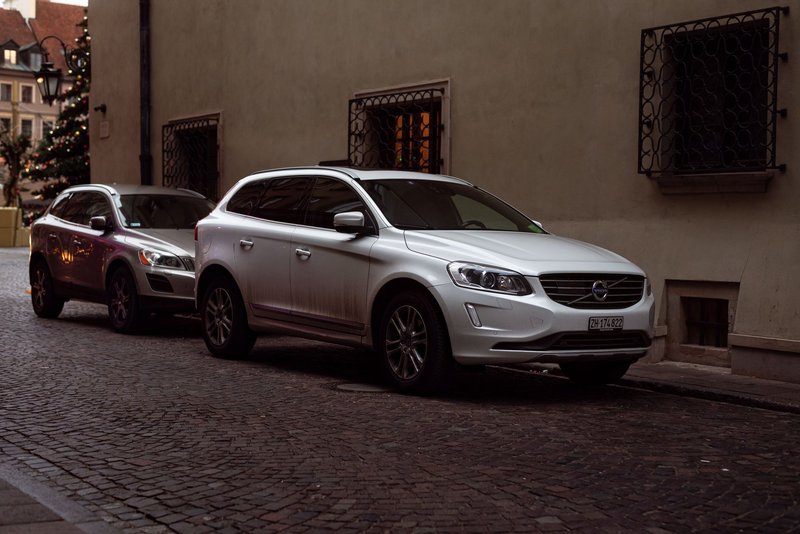
1. XC60 (2018 and later, gasoline)
The second-generation XC60 is the safest bet in the lineup today. It sits on Volvo’s SPA platform with the 2.0-liter Drive-E four-cylinder, which by now has years of real-world mileage behind it. Owner complaints skew toward the infotainment screen lagging or rebooting, not toward things that strand you.
Known faults: occasional software glitches, and the usual wear on brakes and tires that comes with a 4,000-pound crossover. Skip the plug-in T8 if you want the simplest ownership, since it adds a battery, charger and second drivetrain. The XC60 also scores well in IIHS crash testing, which matters if you keep a car a decade.
Verdict: buy any year after the first model year, with a full dealer service history.
2. S80 (2010, 3.2 inline-six)
The 2010 S80 is the sleeper. Its naturally aspirated 3.2-liter six has no turbo to fail and no direct-injection carbon buildup, and the six-speed Aisin automatic is one of the better gearboxes Volvo has fitted. Owners report cars running well past 200,000 miles.
Known faults: aging engine mounts, worn suspension bushings and the odd failed electronic part module at this age. These are cheap fixes compared with a modern turbo engine.
Verdict: the best used Volvo for someone who wants a comfortable sedan and doesn’t need a touchscreen.
3. XC60 (2011 to 2013)
The first-generation XC60 sold in huge numbers, which means parts are cheap and every independent Volvo shop knows it. The 3.2 inline-six is the safer engine. The T6 turbo six is fine if maintained but costs more when it isn’t.
Known faults: the Haldex all-wheel-drive coupling needs fluid service that many owners skip, and carbon and sensor issues show up past 100,000 miles. Check that the fluids were changed.
Verdict: a solid value pick, if the service record is clean.
4. XC40 (2021)
By 2021 Volvo had worked through the early bugs of the compact SUV launched in 2019. The 2021 XC40 posts better owner scores than the first model years and pairs the T4 and T5 gasoline engines with a conventional automatic.
Known faults: tight rear seat and cabin storage complaints are common, and some owners report glitchy driver-assist sensors. Mechanically it’s the least dramatic Volvo you can buy.
Verdict: the right small Volvo for city and suburban use.
5. S60 (2021)
Volvo S60 reliability improved noticeably with the current generation. The 2021 car is a refined sedan with the same Drive-E engine family as the XC60, and owners praise the seats and the quiet highway ride more than they complain about faults.
Known faults: sensitive electronics and the occasional start-stop or software hiccup. Nothing structural.
Verdict: the sensible choice if you’d rather have a sedan than a crossover.
6. V60 Cross Country (2020)
The wagon with raised suspension is a cult favorite for good reason: it offers most of the XC60’s ability in a lower, more driveable package. The 2020 model uses the proven T5 engine and shares its platform with cars that have a decent track record.
Known faults: low-volume model, so some parts come at a premium and fewer independent shops see them regularly.
Verdict: the enthusiast’s pick, and a reliable one.

7. XC90 (2013 and 2020)
The 2013 first-generation XC90 is the high point of the old model, with the 3.2 inline-six and a gearbox refined over a decade. The 2020 second-generation car is the version where Volvo’s early software problems had largely been fixed.
Known faults: on the 2013 car, aging suspension and electrical gremlins. On the 2020 car, the infotainment and the plug-in hybrid’s added complexity.
Verdict: pick the year deliberately, which brings us to the contradiction.
Why the XC90 Gets Both Praise and Blame
Search “Volvo XC90 problems” and you’ll find horror stories. Search for the best used SUVs and it shows up on lists. Both are accurate because the XC90 spans two entirely different vehicles across more than two decades.
The first generation (2003 to 2014) had weak early years. Cars from 2003 to 2005 are known for automatic transmission failures, and the 4.4-liter V8 offered later is expensive to maintain. By 2013 and 2014 most of that was fixed, and the car had a loyal following.
The second generation launched for 2016 and was a technical leap, with new engines and a touchscreen-driven interior. First-year cars had software glitches and a handful of recalls, which hurt early reliability scores. By 2019 and 2020 most had been resolved.
So the rule is simple: avoid the early year of each generation, and buy the end of each generation.
Volvo Years to Avoid
These are the weakest bets, based on recalls, owner complaints and repair frequency:
- 2003 to 2005 XC90: transmission failures on early cars.
- 2016 XC90: first-year electronics and software problems.
- Early plug-in T8 models (XC90, XC60, S90): complex drivetrains with limited long-term data.
- 2001 to 2004 S60/V70 with the 2.5T five-cylinder: the crankcase ventilation oil trap clogs, which can cause leaks and seal failures if ignored.
- 2019 XC40: first-year electronics bugs before Volvo ironed them out.
For electric and plug-in models, the XC40 Recharge and EX30 are too new to rank with confidence. Check the NHTSA database for open recalls before you buy any of them.
How Long Do Volvos Last?
Volvos have a reputation for lasting 200,000 miles and more, and the older inline-six and five-cylinder cars have often earned it. The key is maintenance. A Volvo with documented oil changes, transmission service and timely brake work is a very different car from one that was run on extended intervals.
Modern Volvos last as long as their owners keep up with software updates and fluids. Expect 150,000 to 200,000 miles from a well-kept gasoline model. Plug-in hybrids depend on battery health, so ask for a battery report.
Buying Checklist
- Get the full service history. Missed transmission and Haldex fluid changes are the biggest red flag on older cars.
- Pick the engine deliberately. Naturally aspirated sixes and the 2.0 Drive-E four are the safe choices. Early turbo models cost more to fix.
- Test every electronic feature. Cycle the touchscreen, cameras, parking sensors and driver-assist features. Glitches here are the most common complaint on newer cars.
- Check the recall status on the NHTSA website using the VIN.
- Have an independent Volvo specialist inspect it. Under $200 and cheaper than one gearbox repair.
The most reliable Volvo cars aren’t a mystery once you separate model years: buy late in a generation, avoid unproven drivetrains, and demand paperwork.

Daniela Voss
More from Daniela VossHow we reviewed this article
This article was researched against manufacturer records and editorially reviewed before publishing. We accept no payment for coverage. Some guides contain affiliate links; see our affiliate disclosure.