Ask someone to name a Maserati and you’ll get the Ghibli or, if they’re older, the GranTurismo. What most people miss is that the 2010s were the decade Maserati stopped being a niche Italian curiosity and became a brand you could actually cross-shop against a BMW 5 Series or a Porsche Cayenne. Five nameplates carried that shift, and none of them looked or drove like the Maseratis that came before.
The company entered 2010 building low-volume grand tourers for people who already knew what a Maserati was. It left 2019 selling a diesel-optional sport sedan and a turbocharged SUV to buyers cross-shopping German luxury brands. That’s not a small pivot — it’s the difference between a coachbuilder and a volume luxury manufacturer, and it happened in about six years.
This is a model-by-model walk through everything Maserati built or significantly updated between 2010 and 2019, in the order it happened, with the specs and trim details that actually matter if you’re researching the decade or shopping a used one.
Table of Contents
- Why the 2010s Mattered for Maserati
- Maserati GranTurismo (2010–2019)
- Maserati GranCabrio (2010–2019)
- Maserati Quattroporte VI (2013–2019)
- Maserati Ghibli III (2013–2019)
- Maserati Levante (2016–2019)
- Which 2010s Maserati Holds Up Best?
Why the 2010s Mattered for Maserati
Two things happened in this decade that changed what Maserati was. First, the Ghibli returned in 2013 as a genuinely new car — not a rebadge, not a limited run — aimed squarely at the mid-size executive sedan segment that Maserati had ignored since the original Biturbo era. Second, the Levante arrived in 2016 as the brand’s first-ever SUV, built at the same Mirafiori plant in Turin that had been running under capacity for years.
Both moves were about volume. A Maserati that only sold GranTurismos and Quattroportes to six-figure buyers was never going to hit meaningful sales numbers. A Maserati with a diesel sedan and a crossover could. It worked, for a while — Levante production at the Mirafiori plant briefly gave line workers their first real job security in years after a decade of Fiat-era layoffs.
Maserati GranTurismo (2010–2019)
The GranTurismo wasn’t new in 2010 — it launched in 2007 — but the version you’d actually cross-shop as a “2010s Maserati” got its major refresh in 2012, with revised bumpers, LED running lights, and an interior overhaul that carried the car to the end of its production run in 2019. That’s a 12-year run on one platform, which tells you how much Maserati leaned on this car as its halo product while everything else got rebuilt around it.
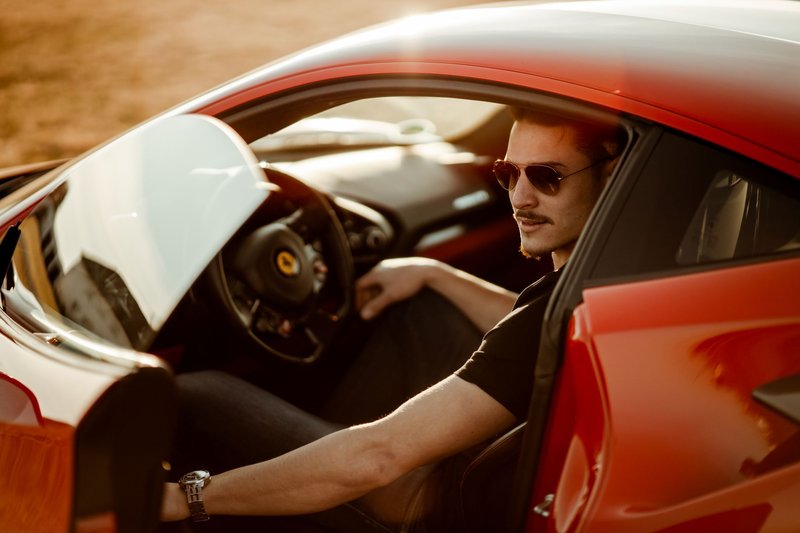
The engine lineup split by trim: the base GranTurismo and GranTurismo Sport ran naturally aspirated V8s (4.2-liter and later 4.7-liter), while the top-tier MC Stradale, launched for 2011, was the closest thing to a road-legal race car Maserati sold that decade. It borrowed its aero and chassis tuning from the Trofeo GT4 and GTD race cars, dropped 110 pounds versus the Sport, and Maserati built only 497 of the two-seat version worldwide between 2011 and 2013 — a genuinely small number for a “production” car.
| Spec | Detail |
|---|---|
| Launch (as refreshed) | 2012 model year facelift; production ended 2019 |
| Engine | 4.2L or 4.7L naturally aspirated V8 |
| Notable trim | MC Stradale (2011–2013, 497 two-seat units) |
| Body style | 2-door coupe |
Maserati GranCabrio (2010–2019)
The GranCabrio is the GranTurismo’s convertible sibling, and it’s easy to treat it as an afterthought — don’t. It launched for the 2010 model year specifically to give Maserati a four-seat open-top grand tourer, a segment slot the brand hadn’t filled since the 1980s Spyder. Where most convertible GTs of the era squeezed two adults and two suitcases in the back, the GranCabrio’s stretched wheelbase actually fit four adults for a real drive, not just a photo op.
It tracked the GranTurismo’s engine upgrades step for step — the 4.7-liter V8 arriving with the Sport trim, and an MC Stradale-adjacent Sport variant sharpening the suspension and exhaust note without going full track-car. Production wound down alongside the GranTurismo in 2019, closing out both nameplates together after more than a decade on sale.
Maserati Quattroporte VI (2013–2019)
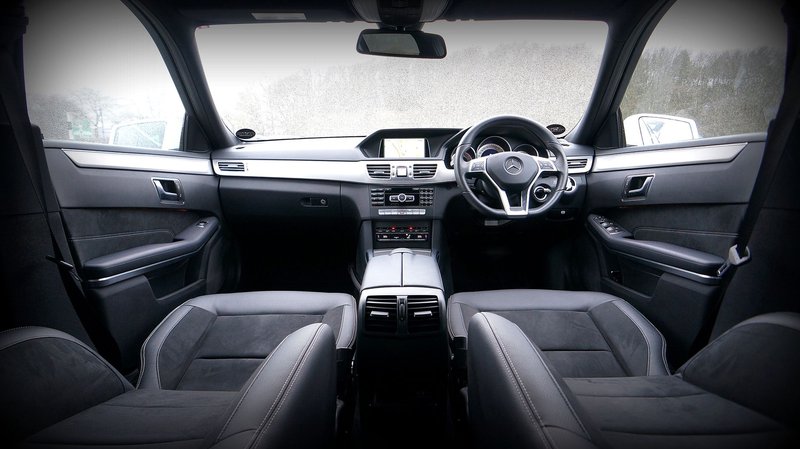
The sixth-generation Quattroporte is where Maserati’s decade really pivots. Unveiled at the 2013 Detroit Auto Show and built on an all-new platform shared with the coming Ghibli, it grew nearly 4 inches in wheelbase over its predecessor and, for the first time in the nameplate’s history, offered a diesel engine and all-wheel drive — both aimed squarely at European buyers who’d never previously considered the car.
Engine choices spanned a 3.0-liter twin-turbo V6 (Quattroporte S), a 3.8-liter twin-turbo V8 (Quattroporte GTS, making around 523 horsepower), and the 3.0-liter turbodiesel V6 for markets outside North America. Maserati also leaned into limited editions to keep the flagship sedan culturally relevant — the Ermenegildo Zegna Limited Edition, unveiled at Frankfurt in 2013, used a custom herringbone silk-wool interior fabric developed with the Italian fashion house instead of standard leather, NBC News covered at the time. It’s the kind of detail that tells you Maserati was still selling craftsmanship even as it chased volume. Top Gear’s Jeremy Clarkson, for what it’s worth, called the new Quattroporte one of the more interesting cars in the segment specifically because it didn’t drive like a German sedan.
| Spec | Detail |
|---|---|
| Launch | 2013 (Detroit Auto Show reveal) |
| Engines | 3.0L twin-turbo V6, 3.8L twin-turbo V8, 3.0L V6 diesel |
| Key trims | S, S Q4, GTS, Ermenegildo Zegna Limited Edition |
| Notable first | First Quattroporte with AWD and a diesel option |
Maserati Ghibli III (2013–2019)
The Ghibli name had sat unused since 1994, and its 2013 revival at the Frankfurt Motor Show was the single most consequential product decision Maserati made that decade. Built on a shortened version of the Quattroporte’s platform, the Ghibli undercut its bigger sibling by roughly 16 inches in length and dropped Maserati into the mid-size executive segment for the first time — going after the BMW 5 Series, Mercedes E-Class, and Audi A6 directly instead of chasing S-Class-adjacent buyers.
The Ghibli Diesel was the real story: Maserati’s first-ever diesel-powered car, a 3.0-liter turbodiesel V6 rated around 6 liters per 100km on the European cycle, built specifically because the brand couldn’t compete in Europe’s business-lease market without one. Gasoline buyers got the twin-turbo V6 in base and S trim, with all-wheel-drive Q4 versions added shortly after launch. On the EPA’s own numbers, the U.S.-market Ghibli V6 rated in the high teens to low twenties for combined fuel economy — respectable for a twin-turbo V6 luxury sedan, and a figure that would have been unthinkable for a Maserati a decade earlier.
| Spec | Detail |
|---|---|
| Launch | 2013 (Frankfurt Motor Show) |
| Engines | 3.0L twin-turbo V6 (base/S), 3.0L V6 diesel |
| Key trims | Ghibli, Ghibli S, Ghibli S Q4, Ghibli Diesel |
| Notable first | Maserati’s first diesel-powered production car |
Maserati Levante (2016–2019)
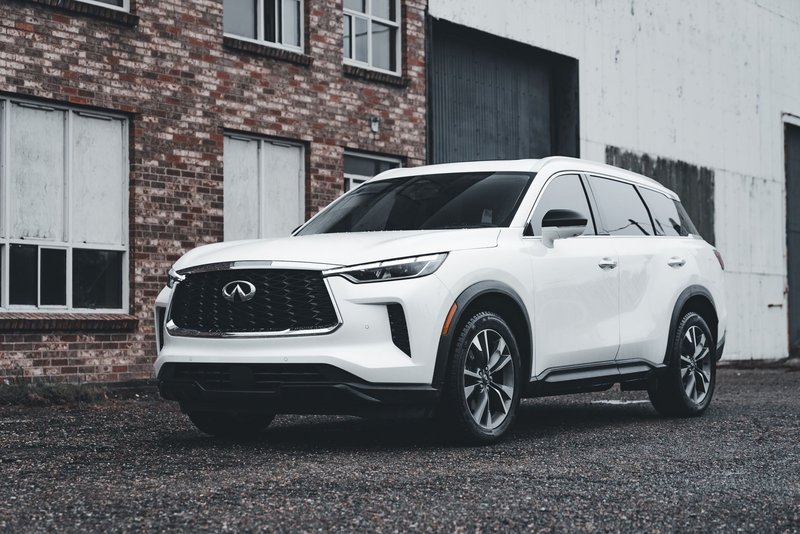
The Levante is the car that finally answered a question Maserati had been dodging since the 2011 Kubang concept: would the brand actually build an SUV. It debuted at the 2016 Geneva Motor Show, went on sale in Europe that spring and in the U.S. that September, and shared its platform with the Ghibli and Quattroporte rather than borrowing wholesale from a Jeep or Chrysler cousin, despite Maserati’s ownership under Fiat Chrysler at the time.
Power came from Ferrari-built twin-turbo V6 engines in 3.0-liter displacement across base, S, and diesel variants, with the range-topping Levante Trofeo joining for the 2019 model year packing a 3.8-liter twin-turbo V8 good for 590 horsepower — a genuinely quick SUV, not a badge exercise. Analysts were skeptical going in; IHS Automotive predicted the Levante would remain a “minnow in the marketplace” with sales peaking around 17,000 units a year. It undersold rivals like the Cayenne, but it did what it needed to: it kept the Mirafiori plant running and gave Maserati a second growth lever beyond sedans.
| Spec | Detail |
|---|---|
| Launch | 2016 (Geneva Motor Show) |
| Engines | 3.0L twin-turbo V6, 3.0L V6 diesel, 3.8L twin-turbo V8 (Trofeo, 2019) |
| Key trims | Levante, S, Diesel, Trofeo |
| Notable first | Maserati’s first-ever production SUV |
Which 2010s Maserati Holds Up Best?
If you’re weighing these as used buys rather than just researching the history, the calculus changes by model. The GranTurismo and GranCabrio are the safer long-term bets mechanically — naturally aspirated V8s with no turbos to fail are simpler to live with, and values on the MC Stradale in particular have held up because so few were built. The Quattroporte VI and Ghibli III are cheaper to buy used than their original sticker prices suggest, largely because depreciation on Italian luxury sedans is brutal, but that same depreciation means maintenance costs (still real, still Maserati-expensive) land on an owner who paid a fraction of MSRP.
The Levante is the newest and most useful day-to-day, and the NHTSA’s safety data on the platform reflects the shared engineering underneath — a solid four-star overall rating, respectable for a low-volume luxury brand. It’s also the model most likely to need real money spent on air suspension or electronics as it ages past 60,000 miles—issues The 10 Least Reliable Maserati Cars covers in detail across the lineup, so budget for that rather than being surprised by it.
None of these cars are appliance-reliable, and nobody’s buying one expecting that. What the 2010s actually gave Maserati was range — a coupe, a convertible, a flagship sedan, a mid-size sedan, and an SUV, all sharing enough engineering that the brand could finally compete on more than one front at once. That’s the real story behind the model names: not five unrelated cars, but one company deciding, all at once, to stop being a specialty act.

Daniela Voss
More from Daniela VossHow we reviewed this article
This article was researched against manufacturer records and editorially reviewed before publishing. We accept no payment for coverage. Some guides contain affiliate links; see our affiliate disclosure.