2006 was the year Harley quietly fixed one of the biggest complaints riders had about the Big Twins: the Dyna finally got a six-speed transmission. That alone makes the year worth knowing if you’re shopping used. But the lineup ran 33 models deep, from a bare-bones 883 Sportster to a $19,795 Screamin’ Eagle Ultra, and most reference pages give you either the photos or the prices — never both, and never the part that actually matters when you’re handing over cash.
This is the whole roster, sorted by family. Each model gets its engine, the price Harley printed on the window sticker in 2006, and a realistic used-value range today. Where it earns it, you’ll find what to watch for and which bikes have aged into something collectors care about.
Table of Contents
- What Changed for 2006
- Sportster Family
- Dyna Family
- Softail Family
- VRSC / V-Rod Family
- Touring Family
- CVO / Screamin’ Eagle
- Which 2006 Harleys Hold Value
- Common Issues to Watch For
- Buyer’s Summary
What Changed for 2006
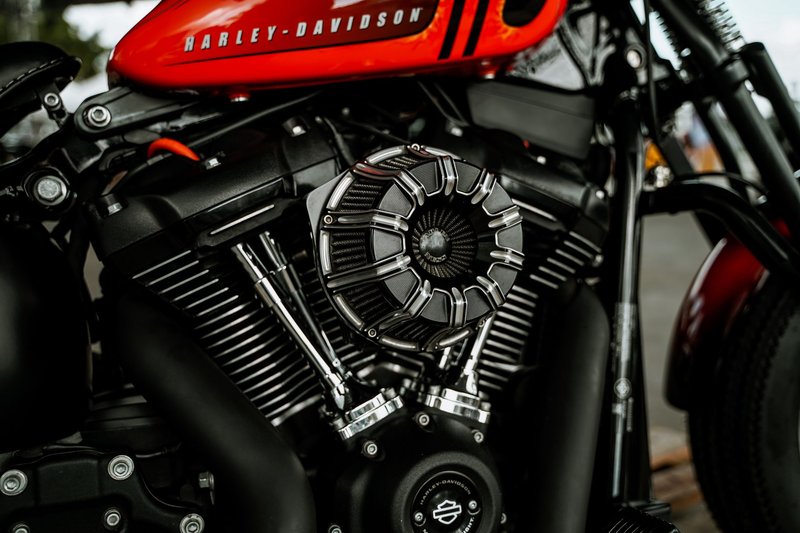
The headline was the Dyna’s new six-speed Cruise Drive transmission. Until 2006, every Big Twin made do with five gears, and at highway speed the engine buzzed at revs that made long days tiring. The sixth gear dropped cruising rpm noticeably and turned the Dyna line from a city bike into something you’d actually take across a state. The five-speed-to-six-speed jump matters when you’re comparing a 2006 against an ’05 of the same model — it’s the single biggest functional difference between those years.
Harley also introduced the Street Bob (FXDBI) for 2006, a stripped, blacked-out Dyna with mini-apes, a solo seat, and a deliberately spare look. It became one of the most enduring nameplates in the catalog and arguably launched the whole “dark custom” direction the brand leaned into hard a few years later.
The third 2006-specific note: the 35th Anniversary Super Glide (FXD35), a limited commemorative marking 35 years since the original 1971 FX Super Glide that Willie G. Davidson designed by bolting a Sportster front end onto a Big Twin frame. The anniversary bikes got special two-tone paint, badging, and serialized numbering.
Under the skin, the Big Twins ran the Twin Cam 88 (1450cc) across most of the line, with the counterbalanced Twin Cam 88B in the Softails to tame vibration from the rigid-mounted engine. The 2006 Dynas got fuel injection as standard on most trims — the carbureted holdouts were on their way out. This was also the last full year before the 96-cubic-inch Twin Cam 96 arrived for 2007, which makes 2006 the final and most refined year of the 88-inch era. If you’re cross-shopping beyond the bar-and-shield, it’s worth seeing how the rest of the 2006 motorcycle lineup stacked up that same year.
Sportster Family
The Sportster ran the Evolution 883cc and 1200cc air-cooled V-twins. These are the entry point to the brand and, dollar for dollar, the easiest 2006 Harleys to buy and own.
| Model | Engine | Original MSRP | Used Value Today |
|---|---|---|---|
| XL 883 Sportster | 883cc | $6,495 | $3,000–$5,000 |
| XL 883L Sportster Low | 883cc | $6,795 | $3,200–$5,200 |
| XL 883R Sportster | 883cc | $7,095 | $3,500–$5,500 |
| XL 883C Sportster Custom | 883cc | $7,895 | $3,500–$5,800 |
| XL 1200R Sportster Roadster | 1200cc | $8,795 | $4,500–$7,000 |
| XL 1200C Sportster Custom | 1200cc | $9,545 | $4,800–$7,500 |
| XL 1200L Sportster Low | 1200cc | $8,995 | $4,500–$7,000 |
| XL 50 50th Anniversary Sportster | 1200cc | $10,495 | $6,000–$9,000 |
The 883 is the cheap-to-run pick — light, simple, and a common first Harley. The 1200s give you real midrange and are the better long-term buy if you’re not planning to flip it. The standout is the XL 50, a serialized 50th-anniversary edition (the Sportster debuted in 1957) with unique two-tone Mirage Pearl paint; clean low-mileage examples still pull a premium over a standard 1200.
Dyna Family
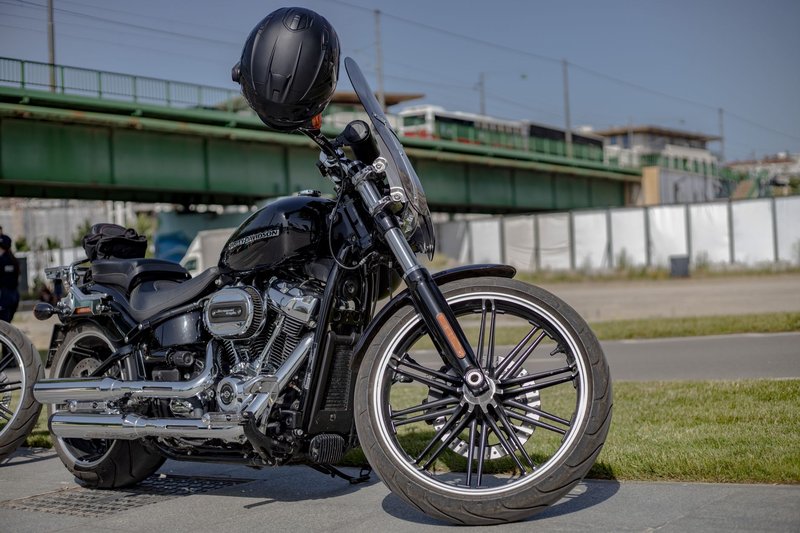
This is the family that got the big 2006 upgrade. Every Dyna here runs the Twin Cam 88 (1450cc) with the new six-speed.
| Model | Engine | Original MSRP | Used Value Today |
|---|---|---|---|
| FXD Dyna Super Glide | 1450cc | $11,995 | $5,500–$8,500 |
| FXDI Dyna Super Glide (EFI) | 1450cc | $12,395 | $5,800–$9,000 |
| FXD35 35th Anniversary Super Glide | 1450cc | $13,495 | $7,000–$11,000 |
| FXDBI Dyna Street Bob | 1450cc | $13,675 | $6,500–$10,500 |
| FXDCI Dyna Super Glide Custom | 1450cc | $14,495 | $6,500–$10,000 |
| FXDLI Dyna Low Rider | 1450cc | $14,995 | $7,000–$10,500 |
| FXDWGI Dyna Wide Glide | 1450cc | $15,995 | $7,500–$12,000 |
The Street Bob is the one with a future. As the first year of a model that’s still in the catalog’s DNA, a clean 2006 FXDBI carries collector interest the spec sheet doesn’t capture. The Wide Glide, with its raked-out 21-inch front wheel and flames, is the most visually distinct of the bunch and holds value well. For pure value, the plain Super Glide is the most bike-for-the-money Big Twin Harley made that year.
Softail Family
The Softails hide the rear suspension under the frame for that rigid-hardtail look, and they use the counterbalanced Twin Cam 88B (1450cc) to keep the rubber-band vibration in check.
| Model | Engine | Original MSRP | Used Value Today |
|---|---|---|---|
| FXST Softail Standard | 1450cc | $13,675 | $6,500–$10,000 |
| FXSTI Softail Standard (EFI) | 1450cc | $14,075 | $7,000–$10,500 |
| FXSTBI Night Train | 1450cc | $16,290 | $7,500–$11,500 |
| FXSTSI Springer Softail | 1450cc | $17,290 | $8,000–$13,000 |
| FXSTDI Softail Deuce | 1450cc | $16,995 | $8,500–$13,500 |
| FLSTI Heritage Softail | 1450cc | $16,795 | $8,000–$12,500 |
| FLSTCI Heritage Softail Classic | 1450cc | $17,695 | $8,500–$13,000 |
| FLSTFI Fat Boy | 1450cc | $16,995 | $9,000–$14,500 |
| FLSTNI Softail Deluxe | 1450cc | $17,395 | $8,500–$13,000 |
| FLSTSCI Softail Springer Classic | 1450cc | $18,295 | $9,000–$14,000 |
The Fat Boy is the cultural icon of the group — solid disc wheels, fat front end, the bike everyone pictures when they hear “Softail.” It’s also the strongest holder of value here, helped by its instant recognizability. The Springer Softail with its exposed front fork is the niche-collector pick. The Softail Deluxe, with its whitewalls and chrome, is the one that ages gracefully and still looks expensive.
VRSC / V-Rod Family
The V-Rod is the outlier — a liquid-cooled, 1130cc Revolution engine developed with Porsche, making real horsepower (around 115 hp) and revving past where any pushrod Harley dares to go. It looks and rides nothing like the rest of the catalog, and it’s the bike that most reminds you Harley has always shared the road with a much wider field of motorcycle brands chasing performance from very different angles.
| Model | Engine | Original MSRP | Used Value Today |
|---|---|---|---|
| VRSCD Night Rod | 1130cc | $15,495 | $7,000–$11,000 |
| VRSCA V-Rod | 1130cc | $16,495 | $7,500–$11,500 |
| VRSCR Street Rod | 1130cc | $16,995 | $7,500–$12,000 |
| VRSCSE Screamin’ Eagle V-Rod (CVO) | 1250cc | $30,295 | $13,000–$20,000 |
The Street Rod (VRSCR) is the enthusiast’s V-Rod: more aggressive geometry, mid-mount controls, and genuine cornering clearance, which makes it the closest thing Harley built to a sport-cruiser. It sold modestly and is harder to find than the standard V-Rod, which is exactly why the people who want one really want one. The CVO Screamin’ Eagle V-Rod bumped displacement to 1250cc and was the most expensive non-tourer in the lineup.
Touring Family
The full-dress baggers and the platform behind every cross-country Harley story you’ve heard. All run the Twin Cam 88 (1450cc).
| Model | Engine | Original MSRP | Used Value Today |
|---|---|---|---|
| FLHRI Road King | 1450cc | $17,425 | $8,000–$12,500 |
| FLHRCI Road King Classic | 1450cc | $18,510 | $8,500–$13,500 |
| FLHRSI Road King Custom | 1450cc | $18,395 | $8,500–$13,000 |
| FLHXI Street Glide | 1450cc | $18,225 | $9,000–$14,000 |
| FLHTI Electra Glide Standard | 1450cc | $16,995 | $7,500–$12,000 |
| FLHTCI Electra Glide Classic | 1450cc | $18,565 | $8,500–$13,500 |
| FLHTCUI Ultra Classic Electra Glide | 1450cc | $19,795 | $9,500–$15,000 |
| FLTRI Road Glide | 1450cc | $18,135 | $9,000–$14,500 |
2006 was an early year for the Street Glide (FLHXI), the slammed, fork-mounted-fairing bagger that would go on to become Harley’s best-seller. A clean early Street Glide holds interest beyond its spec sheet for the same reason the first Street Bob does — it’s the start of a dynasty. The Road Glide, with its frame-mounted shark-nose fairing, is the long-haul favorite; the fairing doesn’t tug at the bars in crosswinds the way a fork-mounted one does. The Ultra Classic was the top of the standard line: full luggage, CB radio, cruise, and the price tag to match.
CVO / Screamin’ Eagle
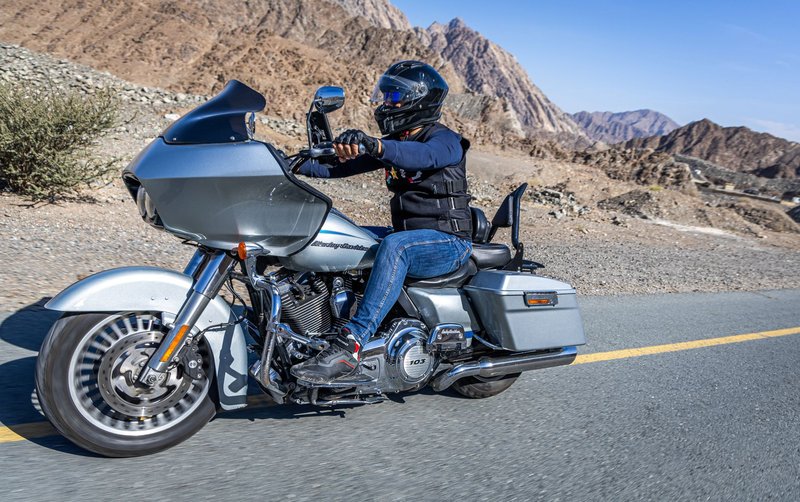
The Custom Vehicle Operations bikes were the factory’s limited-run flagships — bigger engines, serialized numbers, and paint that cost more than some used cars.
| Model | Engine | Original MSRP | Used Value Today |
|---|---|---|---|
| FLHTCSE2 Screamin’ Eagle Electra Glide | 1690cc (103ci) | $30,995 | $14,000–$21,000 |
| FLSTFSE2 Screamin’ Eagle Fat Boy | 1690cc (103ci) | $26,995 | $13,000–$20,000 |
| FXDWG3 Screamin’ Eagle Dyna Wide Glide | 1690cc (103ci) | ~$26,000 | $13,000–$20,000 |
| VRSCSE Screamin’ Eagle V-Rod | 1250cc | $30,295 | $13,000–$20,000 |
These got the 110-cubic-inch-class 103ci (1690cc) Twin Cam years before that displacement reached the standard catalog, which is part of why CVOs from this era still command strong money. Production numbers were low — typically a few thousand units worldwide per model — so condition and originality drive value hard. A documented, low-mileage CVO is the closest thing to an appreciating asset in the 2006 lineup.
Which 2006 Harleys Hold Value
Three patterns separate the bikes that held their money from the ones that just depreciated like normal:
- First-year icons. The 2006 Street Bob and the early Street Glide both launched nameplates that are still flagships. First-year examples of a long-running model carry a premium the spec sheet doesn’t show.
- CVO and anniversary editions. The Screamin’ Eagle models, the XL 50 Sportster, and the FXD35 Super Glide were serialized and limited. Originality matters most here — an unmolested anniversary bike is worth real money over a customized one.
- The cultural icons. The Fat Boy and the Road King are the names non-riders recognize, and that recognition props up resale across the board.
Common Issues to Watch For
The Twin Cam 88 is a well-understood engine by now, but a few 2006-era items are worth a flashlight and a test ride:
- Cam chain tensioners. The early Twin Cams used spring-loaded plastic-shoe tensioners that wear, and in worst cases the debris can damage the oil pump and cams. Ask whether the bike has had the tensioners inspected or upgraded to a hydraulic/gear-drive setup. This is the single most important question on any 2006 Big Twin.
- Compensator and primary chain noise. A rattling primary on startup is common and usually the compensator sprocket; not always urgent, but factor it into the price.
- EFI vs carb. Most 2006 models were fuel-injected (the “I” suffix). A carbureted holdout isn’t a dealbreaker, but EFI starts better cold and is the more desirable spec.
- V-Rod is different. The liquid-cooled Revolution engine is robust but needs its coolant and tighter service intervals respected. A neglected V-Rod is a different kind of headache than a neglected Big Twin.
For valuation reality-checks before you buy, the standard references are Kelley Blue Book and J.D. Power’s motorcycle values, both of which list 2006 Harley pricing model by model.
Buyer’s Summary
For the most bike per dollar, the plain Dyna Super Glide is the value play — a six-speed Big Twin for the least money. For a first Harley, the 883 Sportster is the obvious low-risk entry. If you care about resale, lean toward a Fat Boy, an early Street Glide, or a first-year Street Bob. And if you’re treating the purchase as a keeper or a collectible, a documented CVO or one of the anniversary editions is where the 2006 catalog rewards patience.
Whatever you land on, 2006 is a smart year to shop. It’s the final, most-sorted iteration of the Twin Cam 88, the first year of the six-speed Dyna, and a model year that launched two nameplates Harley still builds. Get the cam tensioners checked, confirm the EFI, and you’re buying into the best version of an era the brand spent a decade refining.

Sarah Thornton
More from Sarah ThorntonHow we reviewed this article
This article was researched against manufacturer records and editorially reviewed before publishing. We accept no payment for coverage.