
TLDR
Every directory site gives you the same grid: Accord, Civic, CR-V, Element, Insight, Odyssey, Pilot, S2000. What they skip is the part that matters if you’re actually shopping for one of these in 2026 — these cars are 20 years old now, and some of that platform-era reliability reputation deserves a second look. The short version: CR-V and Element are the safe bets, the V6 Accord and Odyssey both carry known transmission risk, the Civic and Insight hybrids need a battery check before you hand over cash, and the S2000 is the one model on this list that’s gone from used car to appreciating classic. Full breakdown below.
Table of Contents
- Honda Accord (Sedan, Coupe, and Hybrid)
- Honda Civic (Sedan, Coupe, Si, and Hybrid)
- Honda CR-V
- Honda Element
- Honda Insight
- Honda Odyssey
- Honda Pilot
- Honda S2000
- 2005 Honda Lineup Comparison Table
- Buying One in 2026: What to Check First
Honda Accord (Sedan, Coupe, and Hybrid)
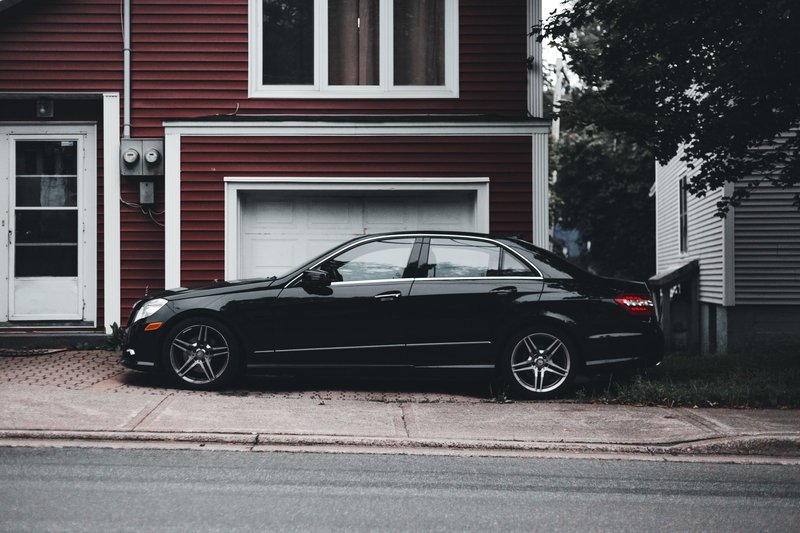
The seventh-generation Accord had been on sale since 2003, so by 2005 it was a known quantity: DX, LX, EX, and EX-V6 trims, offered as both a four-door sedan and a two-door coupe. The four-cylinder was a 2.4L K24 making 160 horsepower; step up to the V6 and you got a 3.0L J30 putting out 240 horsepower, enough to make the Accord one of the quicker family sedans you could buy that year.
The real headline was new for 2005: the Accord Hybrid, Honda’s first hybrid sedan. It paired the 3.0L V6 with Honda’s IMA electric assist system for a combined 255 horsepower — more than the standard V6 Accord — while still posting better EPA numbers around town. It wasn’t sold as an economy hybrid. It was sold as a hybrid that didn’t feel like a compromise, and at launch it was genuinely quick for the segment.
What breaks: the automatic transmission paired with the 3.0L V6 across 2003–2007 Accords is the one issue that shows up over and over in owner forums and independent shop reports, often failing in the 80,000–120,000 mile range if fluid changes were skipped. The four-cylinder Accord doesn’t share this problem and has a strong reputation for just running. On the Hybrid, the IMA battery pack is now old enough that degradation is common — budget for a battery health check or eventual replacement.
Used value today: four-cylinder sedans in decent shape typically land in the $2,500–$5,500 range depending on mileage and rust. V6 coupes with documented transmission service can command a premium; ones without records are a gamble. The Hybrid is a niche buy now — cheap on paper, but a fresh IMA battery can cost more than the car.
Honda Civic (Sedan, Coupe, Si, and Hybrid)
2005 was the last year of the seventh-generation Civic before a full redesign, which makes it the most refined version of that platform. The lineup covered DX, LX, and EX trims in sedan and coupe body styles, plus two variants worth calling out on their own: the Civic Si and the Civic Hybrid.
The Si was a hatchback-only performance trim running Honda’s K20 2.0L VTEC four, rated at 160 horsepower and revving to a 8,000 RPM redline — a genuinely fun car that stood out against other 2000s hatchbacks for its performance and has since become a minor cult favorite among enthusiasts restoring early-2000s Hondas. The Civic Hybrid, in its first generation, used a 1.3L engine with IMA assist and could return figures in the high 40s to near-50 mpg combined — more efficient than most hybrid cars at the time — making it one of the most efficient cars sold in America that year outside the Insight.
What breaks: the standard gas Civic is about as close to bulletproof as this era of car gets — timing belt service at the recommended interval and it’ll run past 200,000 miles. The Hybrid is the exception: like the Accord Hybrid, its IMA battery pack is now beyond typical service life on most surviving examples, and a weak or dead pack will trigger warning lights and kill the fuel economy advantage that’s the whole reason to buy one.
Used value today: standard Civics are cheap and plentiful, often $2,000–$4,500. Clean Si hatchbacks with an unmodified drivetrain have started climbing as collector interest grows — expect to pay more than you would for a comparable base Civic. Hybrids are priced low but factor in a likely battery replacement.
Honda CR-V
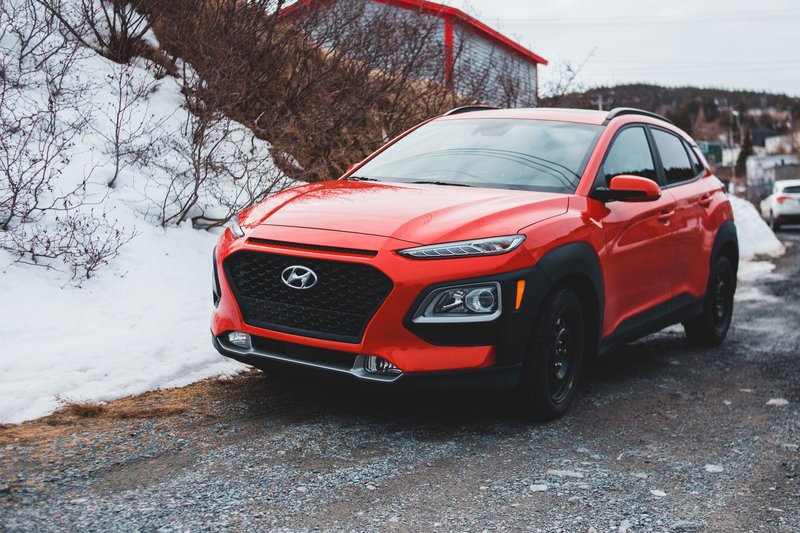
The second-generation CR-V, sold from 2002–2006, was firmly in its stride by 2005. It ran the same 2.4L K24 four-cylinder as the four-cylinder Accord, making 160 horsepower, with a choice of front-wheel or Honda’s Real Time all-wheel drive. Trims were LX and EX, with a new SE package added for 2005 that bundled leather and alloy wheels onto the EX.
It’s not an exciting vehicle to talk about, and that’s exactly the point — the CR-V’s reputation was built on being the compact SUV people didn’t have to think about.
What breaks: genuinely little. It uses a timing chain rather than a belt, so there’s no interval replacement to miss. The main age-related issue on surviving examples is worn rear door latches, which was the subject of a factory recall, so confirm any car you’re looking at got that fix.
Used value today: typically $3,000–$6,000 for a well-maintained example with under 150,000 miles, making it one of the better value-per-dollar picks on this entire list for someone who just wants a reliable used SUV.
Honda Element
The Element’s boxy, clamshell-door design made it look like nothing else on the road in 2005, and that’s still true two decades later. Built on the CR-V’s platform and sharing its 2.4L 160-horsepower engine, it was offered in DX, LX, and EX trims with front- or all-wheel drive. The rubberized, washable interior floor was a genuine selling point for buyers with dogs, kayaks, or muddy gear — Honda leaned into that in its marketing rather than pretending the Element was something it wasn’t.
What breaks: mechanically it shares the CR-V’s strong reliability record. The most common age-related complaints are squeaks and rattles from the unconventional door and window design rather than anything under the hood.
Used value today: the Element has developed a small but loyal following, and clean AWD examples — especially ones that were kept stock — can sell for more than a comparable CR-V of the same year simply because people specifically want an Element and there aren’t that many left in good shape.
Honda Insight
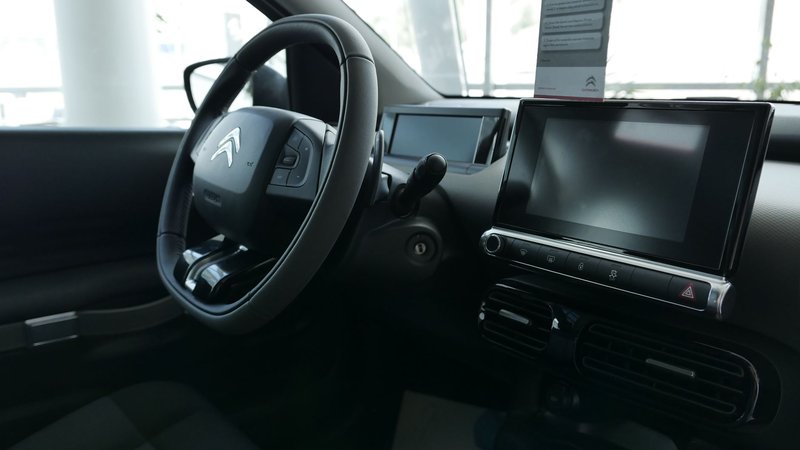
The first-generation Insight, sold from 2000–2006, was Honda’s answer to the original Prius, and by most measures it was the more extreme car. A two-seat aluminum-bodied coupe with a 1.0L three-cylinder engine and IMA electric assist, the manual-transmission version could return close to 70 mpg on the highway — a figure few gas-electric hybrids have matched since, let alone in 2005.
It never sold in big numbers. It wasn’t practical: two seats, minimal cargo room, and a design built entirely around aerodynamics and weight. But it’s the car that proved a hybrid could be genuinely efficient rather than just efficient-for-its-size, and that’s why it shows up on more “important cars” lists than sales-chart lists.
What breaks: the same IMA battery aging issue affects every Insight on the road today, and given the car’s age, assume any example you’re looking at needs a battery health check at minimum. The aluminum body resists rust well, which is one advantage over its steel-bodied contemporaries.
Used value today: clean, well-documented Insights have quietly become collector cars, with good examples selling well above what you’d expect for a 20-year-old economy hybrid. Rough ones with unknown battery health are cheap but risky.
Honda Odyssey
The Odyssey was fully redesigned for 2005 — new platform, new 3.5L V6 making 255 horsepower, and a longer wheelbase than the outgoing generation. Trims ran LX, EX, EX-L, and the range-topping Touring, with features like a rear entertainment system and, on higher trims, vehicle stability assist that were still relatively novel in a minivan at the time.
What breaks: the redesign didn’t fully escape Honda’s minivan-era transmission reputation. Early builds of this generation had documented automatic transmission issues, and like the V6 Accord, a service history showing regular fluid changes is the difference between a safe buy and an expensive one. Sliding door track wear is also a common complaint on high-mileage examples. Because this generation overlaps with the industry-wide Takata airbag recall era, it’s worth running the VIN through NHTSA’s recall lookup before buying — many surviving examples still need the airbag inflator replaced, and Honda has covered the part under recall regardless of the car’s age.
Used value today: typically $3,000–$7,000 depending on mileage and trim, with Touring models on the higher end when equipped with working rear entertainment and clean interiors — minivan interiors take a beating from car seats and kids, so condition varies wildly on this one more than most.
Honda Pilot
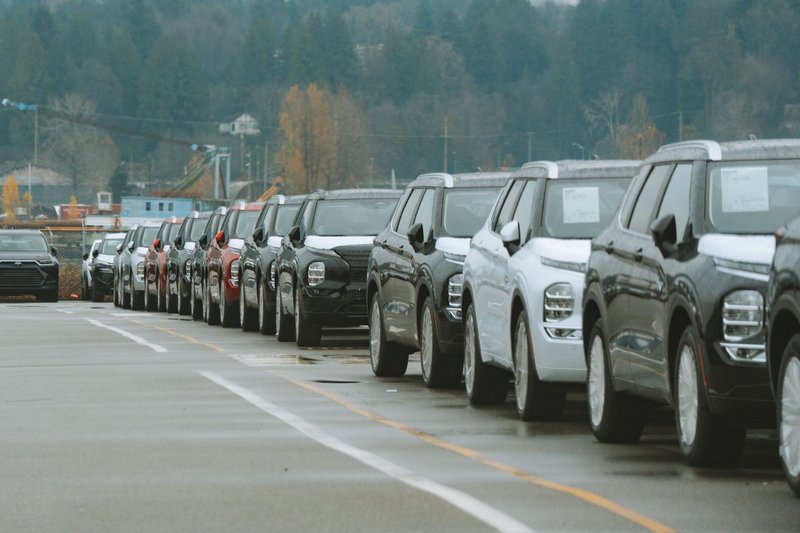
The first-generation Pilot, in its final model year before a 2006 update, offered three rows of seating on a Honda platform shared underneath with the Odyssey and Acura MDX. It ran the same 3.5L V6 as the Odyssey, in LX, EX, and EX-L trims, with available all-wheel drive.
What breaks: more durable than the minivan it’s related to, but not immune to the era’s automatic transmission concerns — less commonly reported than on the Odyssey or V6 Accord, but still worth checking service records for. Otherwise it holds up well as a mechanically simple V6 SUV.
Used value today: generally $3,500–$6,500, with AWD EX-L trims commanding the top of that range when the leather and third row are in good shape.
Honda S2000
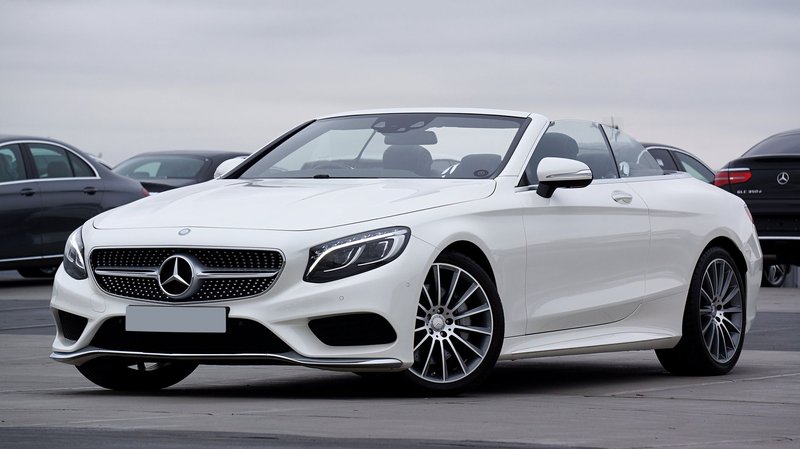
By 2005 the S2000 had moved to its second-generation AP2 form, introduced in 2004, with a 2.2L four-cylinder replacing the original’s high-revving 2.0L. It made slightly less peak horsepower on paper — 240 versus the earlier car’s 237 at a screaming 8,800 RPM — but with a broader torque curve that made it easier to drive without redlining it everywhere. It remained a six-speed manual, rear-wheel-drive-only roadster, no automatic offered, ever.
What breaks: the S2000 has one of the strongest reliability reputations of any car on this list, gas or hybrid. High-revving engines demand disciplined oil change intervals, and clutches wear faster on cars that were tracked or driven hard, so ask about maintenance history rather than assuming problems.
Used value today: this is the outlier on the whole list. Where every other 2005 Honda has depreciated the way you’d expect a 20-year-old car to, clean, low-mileage, unmodified S2000s have appreciated into genuine collector territory — well into five figures for the best examples, with rougher or modified cars still commanding more than most people expect for a car this old.
2005 Honda Lineup Comparison Table
| Model | Engine | Power | Body Style | Reliability Watch-Out | Typical Value Today |
|---|---|---|---|---|---|
| Accord (4-cyl) | 2.4L I4 | 160 hp | Sedan, Coupe | Minor | $2,500–$5,500 |
| Accord (V6) | 3.0L V6 | 240 hp | Sedan, Coupe | Automatic transmission | $2,500–$6,000+ |
| Accord Hybrid | 3.0L V6 + IMA | 255 hp | Sedan | IMA battery age | Low, plus battery cost |
| Civic | 1.7L I4 | 115 hp | Sedan, Coupe | Minor | $2,000–$4,500 |
| Civic Si | 2.0L I4 | 160 hp | Hatchback | Minor, watch for mods | Rising, collector interest |
| Civic Hybrid | 1.3L I4 + IMA | 93 hp | Sedan | IMA battery age | Low, plus battery cost |
| CR-V | 2.4L I4 | 160 hp | Compact SUV | Rear door latch recall | $3,000–$6,000 |
| Element | 2.4L I4 | 160 hp | Compact SUV | Minor | $3,000–$6,500 |
| Insight | 1.0L I3 + IMA | 73 hp | 2-seat coupe | IMA battery age | Rising, collector interest |
| Odyssey | 3.5L V6 | 255 hp | Minivan | Automatic transmission, Takata airbags | $3,000–$7,000 |
| Pilot | 3.5L V6 | 240 hp | 3-row SUV | Automatic transmission (less common) | $3,500–$6,500 |
| S2000 | 2.2L I4 | 240 hp | Roadster | Clutch wear on tracked cars | Five figures for clean cars |
Buying One in 2026: What to Check First
Twenty years puts every one of these cars past the point where age alone tells you anything useful — condition and paperwork matter more than the badge on the trunk. A few things apply across the whole lineup regardless of which model you’re after.
Get service records, specifically transmission fluid changes, on any V6 Accord, Odyssey, or Pilot. This single document separates a safe buy from a five-figure repair bill on Honda’s V6 automatics from this era. On the two IMA hybrids — Civic Hybrid and Insight — ask the seller point-blank about the battery pack’s condition and get any available diagnostic history; it’s the single biggest cost variable on those cars.
Check the VIN against NHTSA’s recall database before you buy anything on this list, not just the Odyssey — the Takata airbag recall touched a huge share of Honda’s 2001–2015 lineup, and the replacement parts are free even on a car this old. If safety ratings matter to your decision, IIHS still has period crash-test data for most of these models, which is worth a look given how much crash-test methodology has changed since 2005. And if fuel economy is part of the pitch — especially for the hybrids — fueleconomy.gov has the original EPA-rated figures for direct comparison against what a car is actually getting now, which tells you a lot about battery and engine health before you even open the hood.
None of these are exotic cars. They’re 20-year-old Hondas, which is exactly why they’re still worth buying: parts are everywhere, independent mechanics know them cold, and the reliability reputation that made Honda’s name in this era is, for the most part, still earned.

James Kowalski
More from James KowalskiHow we reviewed this article
This article was researched against manufacturer records and editorially reviewed before publishing. We accept no payment for coverage. Some guides contain affiliate links; see our affiliate disclosure.