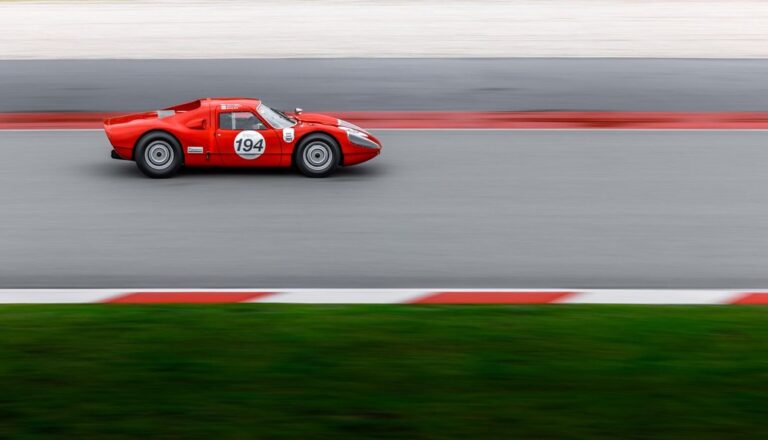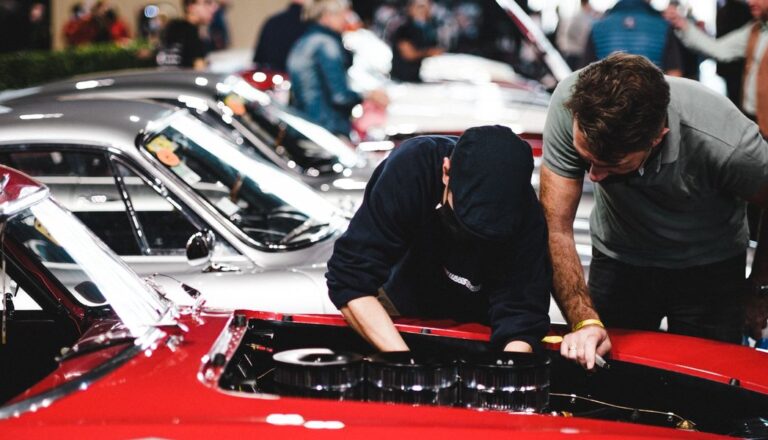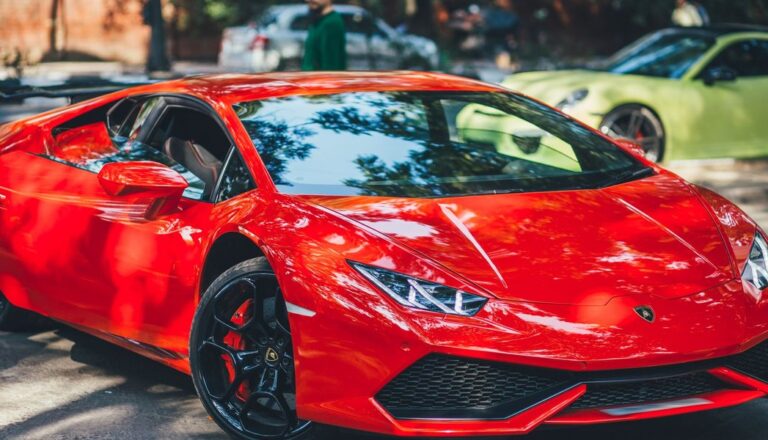
The 2000s were the decade Maserati came back from the dead. Ferrari took the keys in 1997, plugged its own engine plant into Modena, and turned a brand that had been coasting on fumes into something you could actually walk into a showroom and buy. The cars that came out of that period are now the cheapest way into a hand-built Italian V8 with a Ferrari-derived heart — which is exactly why people keep typing “2000s Maserati models” into a search bar and then disappearing down a used-listing rabbit hole.
Here’s the whole roster, model by model, with what each one actually is, what it’ll cost you, and which ones are bargains versus which ones are traps.
Table of Contents
- TLDR: The short version
- Maserati 3200 GT (1998–2002)
- Maserati 4200 / Coupé (2001–2007)
- Maserati Spyder (2001–2007)
- Maserati GranSport (2004–2007)
- Maserati Quattroporte V (2003–2012)
- Maserati MC12 (2004–2005)
- Maserati GranTurismo (2007 onward)
- The Cambiocorsa question
- Comparison table
TLDR: The short version
If you want the most car for the least money and you’re handy with an independent specialist, the 3200 GT is the steal — twin-turbo V8, those boomerang taillights, often under the price of a used Camry. If you want the safe, classic-V8 daily that’ll still be worth something, the GranSport is the pick of the naturally aspirated 4200 family. The Quattroporte V is the most car per dollar but the deepest service hole. And whatever you do, get a manual gearbox if you can find one, or go in with eyes open on the Cambiocorsa — more on that below.
Maserati 3200 GT (1998–2002)
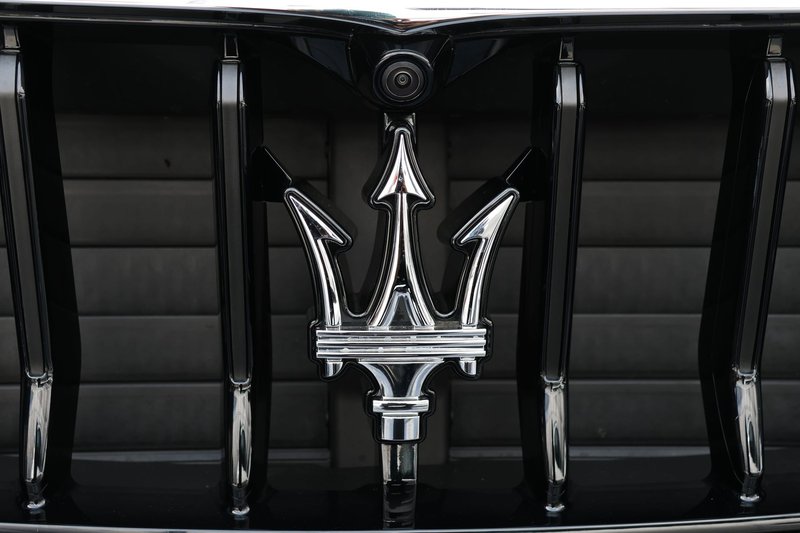
The 3200 GT is the car that announced Maserati was alive again. Unveiled at the 1998 Paris Motor Show and built until early 2002, it ran a twin-turbocharged 3.2-litre V8 making 365 horsepower — the last turbo Maserati for nearly two decades, and the only forced-induction car on this list. Nearly 5,000 were built.
Two things define it. First, those LED boomerang taillights designed by Giugiaro — instantly recognizable, and quietly dropped on later cars because not everyone loved them. Second, the turbo character: it’s softer and torquier than the screaming naturally aspirated cars that followed, which makes it the relaxed grand tourer of the bunch.
Most 3200 GTs came with a proper six-speed manual, which is the configuration to chase. Values are the lowest of any 2000s Maserati — clean examples regularly trade under $25,000, and rough ones for the price of a used economy car. The catch is parts and turbo-era complexity, so budget for a specialist. Buy the best one you can find, not the cheapest.
Maserati 4200 / Coupé (2001–2007)
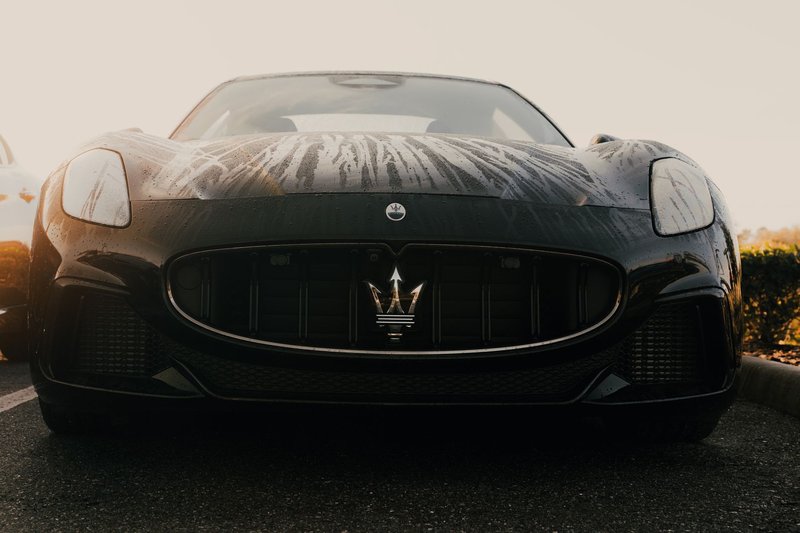
This is where Maserati went all-in on the Ferrari relationship. The Coupé — internally the M138, often called the 4200 GT — dropped the turbos for a naturally aspirated 4.2-litre V8 from the Ferrari/Maserati F136 family, making 390 horsepower and a noise that’s the entire reason these cars still have a following. Pininfarina styled it; it’s cleaner and less polarizing than the 3200 it replaced.
The 4.2 is the engine that powers almost everything else on this list, which means it’s well-understood and parts are findable. Reliability comes down to two things: how it was maintained, and which gearbox it has. A well-kept Coupé is one of the better-value modern classics out there — and if dependability is your priority, it’s worth knowing where it lands among the most reliable Maserati cars before you commit. A neglected one is a money pit with a beautiful exhaust note.
Maserati Spyder (2001–2007)
The Spyder is the Coupé with the roof cut off and the wheelbase shortened. Same 4.2 V8, same 390 horsepower, same era — just open-top and a touch rarer. It actually launched alongside the Coupé in 2001 rather than arriving as an afterthought, which is unusual and tells you Maserati took the convertible seriously.
Buy it for the same reasons as the Coupé, with the obvious caveat: check the soft-top mechanism works, because a convertible roof on a low-volume Italian car is exactly the kind of part that costs more than the rest of the car to fix. Prices track the Coupé closely, sometimes a little higher for good examples because the open-air experience is the whole point.
Maserati GranSport (2004–2007)
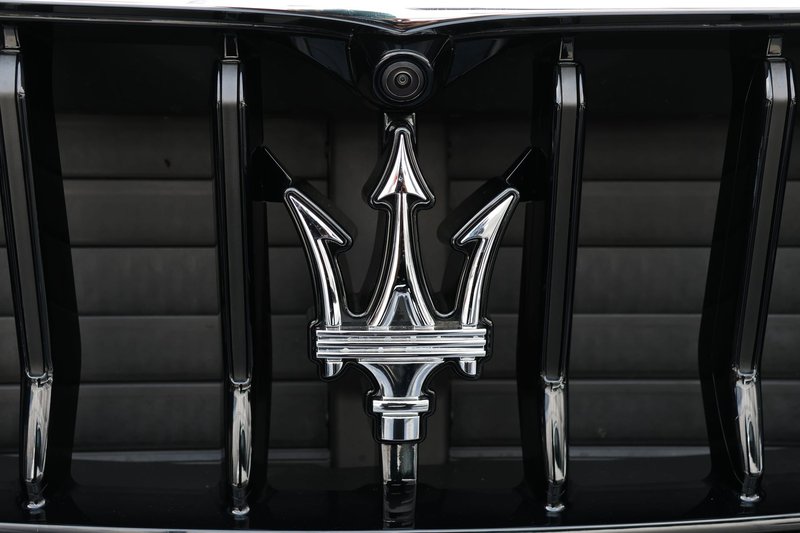
The GranSport is the 4200 done right. Arriving in 2004, it took the same 4.2 V8 and tuned it to 400 horsepower, paired with a quicker-shifting Cambiocorsa gearbox, a lowered and stiffened chassis, and a more aggressive face. This is the enthusiast’s pick of the naturally aspirated family.
Crucially, the faster Cambiocorsa software in the GranSport addresses the worst of the gearbox’s reputation — it shifts noticeably better than the early Coupés. Combine that with the extra power and the sharper handling and you get the car most owners say is the one to have. Values reflect that: it’s the most expensive of the 4200 line on the used market, and it holds its money better. If your budget stretches to a clean GranSport over a clean Coupé, take the GranSport.
Maserati Quattroporte V (2003–2012)
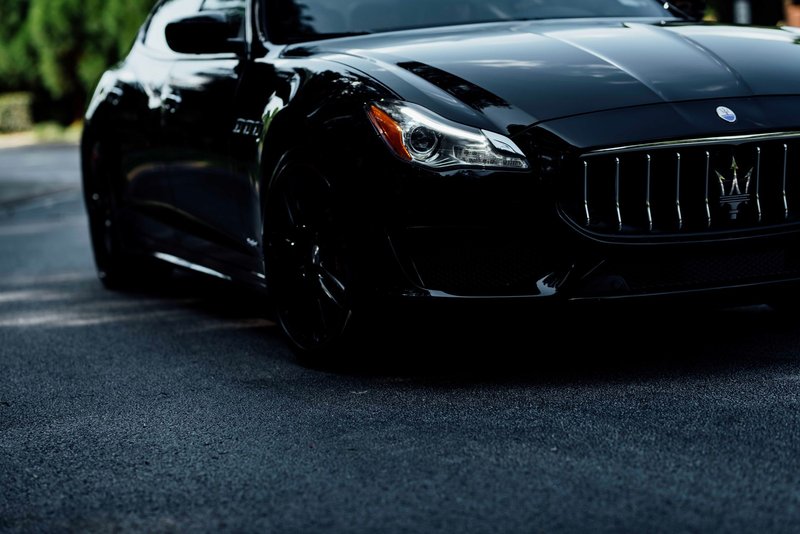
The fifth-generation Quattroporte (chassis code M139) is the car that proved a four-door could be genuinely beautiful. Pininfarina drew it, it launched in 2003 with a 4.2-litre V8 making 400 horsepower, and early cars used a transaxle Cambiocorsa setup mounted at the rear for balance. Later in the decade Maserati switched to a conventional ZF automatic, which transformed the driving experience for the better.
This is the most car for the money in the entire 2000s Maserati lineup — a hand-built Italian sedan with a Ferrari-built V8 for the price of a mid-spec German family car. It is also the deepest service hole on this list, and it regularly shows up among the least reliable Maserati cars for exactly that reason. The early Cambiocorsa autos are the ones to approach with real caution; the later ZF-automatic cars are far more livable as something you’d actually drive often. Get a pre-purchase inspection from a Maserati specialist, no exceptions.
Maserati MC12 (2004–2005)
The MC12 is the outlier — the one you’ll never buy, but the one that makes the rest of the family make sense. Built in 2004 and 2005 in a run of just 50 road cars to homologate Maserati’s GT racing program, it’s an Enzo Ferrari underneath: same carbon tub, same 6.0-litre V12, dressed in a vast white-and-blue body with a removable roof and no rear window to speak of.
It’s the most extreme Maserati of the decade and now a seven-figure collector car. Mentioned here because any honest list of 2000s Maseratis has to include it, and because it’s the clearest proof of what the Ferrari ownership era actually unlocked.
Maserati GranTurismo (2007 onward)
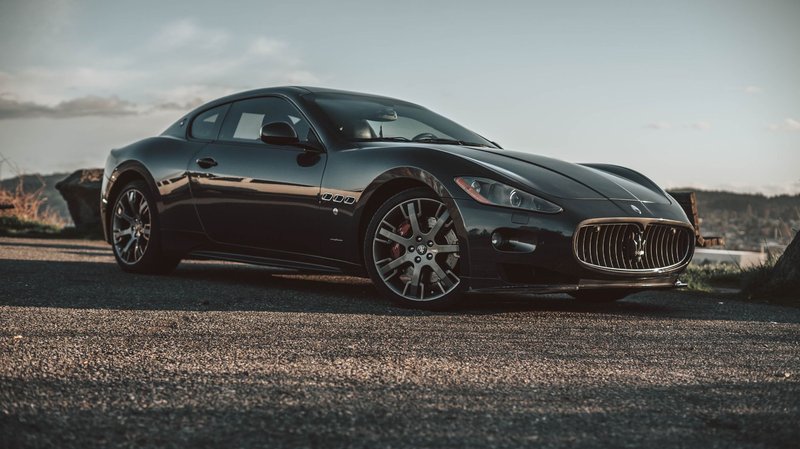
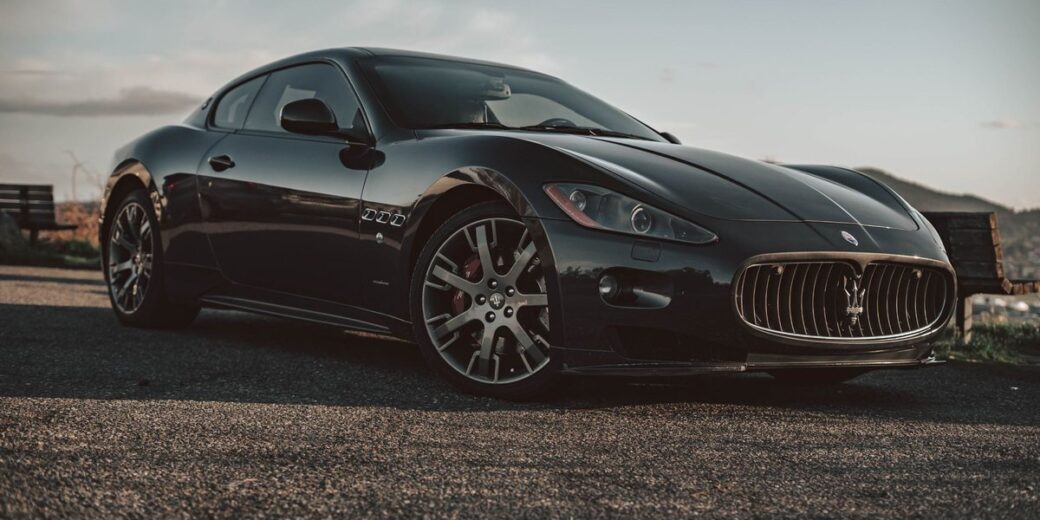
The GranTurismo arrived in 2007 as the decade’s closer and the model that finally fixed the gearbox problem for good. It’s a larger, more grand-touring 2+2 built on the Quattroporte platform, again styled by Pininfarina, and across its long life it offered both the 4.2 and a later 4.7-litre V8. Crucially, GranTurismo buyers could get a smooth ZF six-speed automatic instead of the automated manual.
That makes the GranTurismo the most usable car on this list and the one you can treat closest to a normal vehicle. It’s also the bridge to Maserati’s 2010s — production ran for over a decade — so a 2007–2009 example is the newest, easiest entry point into the era. You’ll pay more than for a 4200, but you get a car that stands out even against the broader field of 2000s European sports cars and doesn’t punish you for driving it in traffic.
The Cambiocorsa question
You can’t shop 2000s Maseratis without running into the Cambiocorsa, so let’s settle it. It’s a single-clutch automated manual — a robotized version of the manual gearbox, not a true automatic. On the early Coupé and Spyder it was slow, jerky at low speed, and expensive to fix, with clutches that could wear out in as little as 20,000 miles depending on how the car was driven.
Three practical rules:
- A genuine manual gearbox sidesteps the whole problem. If you can find a six-speed stick (common on the 3200 GT, available on the 4200), that’s the reliability play.
- Later software is better software. The GranSport’s quicker calibration and the Quattroporte/GranTurismo’s eventual move to ZF automatics fixed most of the complaints.
- Use a specialist. US dealers often don’t know the F1 system; an independent Ferrari or Maserati shop is far more likely to diagnose and service it correctly. Drive any Cambiocorsa car hard before buying — if it smells, slips, or shifts harshly, walk.
Comparison table
| Model | Years | Engine | Power | Buyer’s note |
|---|---|---|---|---|
| 3200 GT | 1998–2002 | 3.2L twin-turbo V8 | 365 hp | Cheapest way in; chase the manual |
| Coupé (4200) | 2001–2007 | 4.2L V8 | 390 hp | Well-understood; condition is everything |
| Spyder | 2001–2007 | 4.2L V8 | 390 hp | Same as Coupé; check the roof |
| GranSport | 2004–2007 | 4.2L V8 | 400 hp | Pick of the 4200 family |
| Quattroporte V | 2003–2012 | 4.2L V8 | 400 hp | Most car per dollar; deepest service hole |
| MC12 | 2004–2005 | 6.0L V12 | ~620 hp | Enzo underneath; collector unicorn |
| GranTurismo | 2007 onward | 4.2 / 4.7L V8 | 405–440 hp | Most usable; ZF auto available |
The through-line is simple. Every one of these cars exists because Ferrari rebuilt Maserati in the late ’90s and handed it a real engine. That’s why a two-decade-old 2000s Maserati still sounds like a small Ferrari and still drives like something special — and why, if you buy on condition and service history rather than sticker price, it’s one of the most car-for-the-money propositions in the classifieds today.

Marco Delantero
More from Marco DelanteroHow we reviewed this article
This article was researched against manufacturer records and editorially reviewed before publishing. We accept no payment for coverage.