1988 was the year Honda stopped playing it safe. The CBR Hurricane line had just landed, the Hawk GT showed up with a single-sided swingarm nobody asked for but everybody remembered, and the Gold Wing got its first flat-six. If you’re chasing a vintage Honda from this year — to restore, to flip, or just to figure out what that bike in the barn actually is — this is the full roster, sorted so you can actually use it.
Most pages that come up for 1988 Honda motorcycle models are either bare spec grids or paywalled price tables. Neither tells you which bikes mattered or what they’re worth. This does both.
Table of Contents
- The quick verdict: most collectible 1988 Hondas
- Why 1988 was a pivotal year
- Sport bikes
- Cruisers
- Touring
- Off-road and dual-sport
- Scooters
- 1988 Honda values at a glance
- How to buy a 1988 Honda without getting burned
The quick verdict: most collectible 1988 Hondas
If you only have time to chase one, here’s the short list:
- CBR1000F Hurricane — the flagship of Honda’s new fully-faired sportbike family. Clean examples are climbing fastest.
- NT650 Hawk GT — low production, single-sided swingarm, cult following. The one collectors actually argue about.
- GL1500 Gold Wing — first year of the flat-six. A landmark touring bike, though heavy and cheap relative to the sportbikes.
- VT1100C Shadow — the cruiser that mattered, and the easiest of this group to find running.
The Hawk GT is the enthusiast pick. The Hurricanes are the appreciating pick. Everything else on this page is either a great rider or a parts donor, depending on condition.
Why 1988 was a pivotal year
Two things make 1988 worth singling out in Honda’s history.
First, the CBR “Hurricane” platform. Honda introduced the fully-enclosed bodywork sportbike — the CBR600F and CBR1000F — in 1987, and 1988 was the year the lineup settled into the shape that would define sportbikes for a decade. Smooth fairings, inline-fours, and a do-everything attitude. These weren’t race replicas; they were fast bikes you could ride to work.
Second, the NT650 Hawk GT arrived. A 647cc V-twin in a steel-trellis frame with a single-sided Pro-Arm swingarm borrowed from racing. It sold poorly. It also became one of the most fondly remembered standards Honda ever built, precisely because it was odd and honest at a time when everything else was chasing horsepower.
The rest of the 1988 catalog is broad — Honda sold sportbikes, cruisers, a heavyweight tourer, a deep off-road range, and scooters all at once. If you want to see how Honda’s year stacked up against the rest of the field, our roundup of every major 1988 motorcycle model sorts the whole year by manufacturer. Here’s how Honda’s own lineup breaks down.
Sport bikes
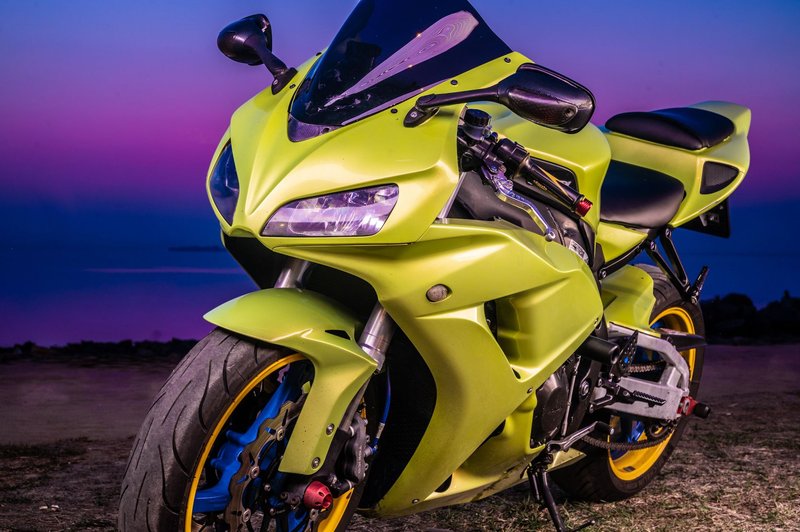
The sport category is where 1988 Hondas earn their collector premium, so this is the section to read closely.
CBR1000F Hurricane — The big-bore flagship. A 998cc inline-four wrapped in full bodywork, built to be fast and comfortable at the same time. It’s the bike that signaled Honda’s commitment to the faired sportbike idea. Clean, unmodified examples are the ones appreciating.
CBR600F Hurricane — The 600 that arguably mattered more than the 1000. Lighter, flickable, and the template for the middleweight class that followed. Most got ridden hard, so finding a stock one with honest miles is the trick.
NT650 Hawk GT — The 647cc V-twin standard with the single-sided swingarm. Low production made it rare, and the cult following made it valuable. If you find one that hasn’t been turned into a cafe racer, that’s the prize.
VTR250 Interceptor — A small-displacement V-twin sportbike, sold in limited numbers in the US. Quirky, revvy, and beloved by people who like little bikes that punch up. Values stay modest, which makes it the sleeper of the group.
That’s four sport models, and the four that drive most of the collector interest in 1988 Hondas.
Cruisers
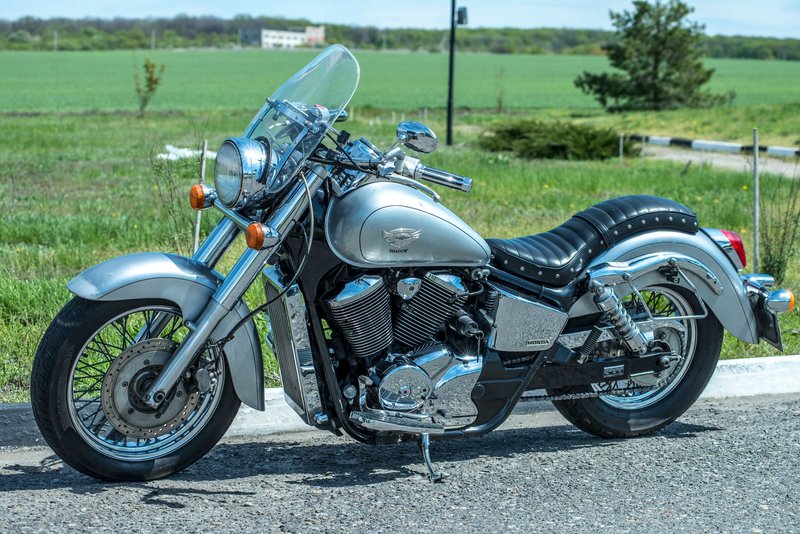
Honda’s Shadow and Magna lines were the volume sellers, which means more survivors and gentler prices.
VT1100C Shadow — The 1099cc V-twin flagship cruiser. This is the easy entry point into vintage 1988 Hondas: plentiful, reliable, and cheap to keep running. Not a collector darling, but a genuinely good bike to ride.
VT800C Shadow — The middle child, an 800cc V-twin. Less common than the 1100 and 600, which makes parts hunting slightly harder.
VT600C Shadow — The 583cc VLX, a lightweight cruiser aimed at newer or smaller riders. Friendly, forgiving, and still a popular first cruiser decades later.
VF750C Magna — The V4-powered cruiser. The Magna’s V4 gave it a different character from the V-twin Shadows — smoother, with more top-end. Enthusiasts who know Honda’s V4 history seek these out.
Touring
GL1500 Gold Wing — 1988 was the first model year of the GL1500, and with it came Honda’s flat-six engine. A 1520cc six-cylinder touring bike with the kind of low-speed smoothness that made it the long-distance standard. It’s a landmark machine in Honda’s official model history, but it’s also heavy and produced in large numbers, so collector values stay modest. You buy a 1988 Gold Wing to ride across a country, not to park in a climate-controlled garage.
Off-road and dual-sport
Honda’s dirt range in 1988 was deep, spanning pure motocross competition bikes to street-legal dual-sports.
CR-series motocrossers — The CR125R, CR250R, and CR500R were Honda’s competition two-strokes. These were raced, crashed, and rebuilt, so survivors in original condition are genuinely scarce. The CR500R in particular has a following for its brutal big-bore two-stroke power.
XR-series — The four-stroke trail and enduro line, including the XR250R and XR600R. The XR600R is the standout: a torquey big thumper that earned a reputation for taking abuse and asking for more.
NX-series dual-sport — The NX125, NX250, and NX650 (the NX650 Dominator in some markets) covered the street-legal dual-sport ground. The NX650’s big single made it a capable do-anything bike for riders who wanted one machine for pavement and dirt. Several of these nameplates didn’t survive Honda’s later trimming, and you’ll find them among the brand’s discontinued models if you want to trace where each line eventually went.
These bikes rarely command collector prices, but a clean, titled, street-legal example of the larger models is harder to find than the numbers suggest — most got ridden into the ground.
Scooters
Easy to overlook, but Honda sold a full scooter range in 1988 under the Elite name.
Elite CH150 / CH250 — The larger-displacement Elites, with the CH250 being a genuinely capable freeway-legal scooter for its era.
Elite SA50 / SB50 — The 50cc commuters, sold in big numbers as cheap urban transport.
Scooters carry almost no collector value, but the 250 Elite has a small fanbase among people who appreciate a reliable, practical vintage commuter. If you find one cheap and running, it’s a usable piece of history.
1988 Honda values at a glance
Ballpark figures for running, titled bikes in the US market. Condition swings these wildly — a concours-restored example can double the high end, and a project bike can fall below the low. Treat these as a starting point, then check recent sold listings for the specific model.
| Model | Category | Engine | Ballpark value (good/clean) |
|---|---|---|---|
| CBR1000F Hurricane | Sport | 998cc inline-4 | $2,500–$5,500 |
| CBR600F Hurricane | Sport | 598cc inline-4 | $2,000–$4,500 |
| NT650 Hawk GT | Sport/standard | 647cc V-twin | $3,000–$7,000+ |
| VTR250 Interceptor | Sport | 249cc V-twin | $2,000–$4,000 |
| VT1100C Shadow | Cruiser | 1099cc V-twin | $1,800–$3,800 |
| VT800C Shadow | Cruiser | 800cc V-twin | $1,500–$3,000 |
| VT600C Shadow VLX | Cruiser | 583cc V-twin | $1,500–$3,200 |
| VF750C Magna | Cruiser | 748cc V4 | $2,000–$4,500 |
| GL1500 Gold Wing | Touring | 1520cc flat-6 | $2,500–$5,000 |
| XR600R | Off-road | 591cc single | $1,800–$4,000 |
| CR500R | Motocross | 491cc two-stroke | $2,500–$5,500 |
| NX650 Dominator | Dual-sport | 644cc single | $2,000–$4,500 |
| Elite CH250 | Scooter | 244cc single | $800–$2,000 |
Want to sanity-check a price against real sales? Auction archives and classified marketplaces show what bikes actually sell for rather than what sellers ask. The gap between the two is usually instructive.
How to buy a 1988 Honda without getting burned
A few things that matter specifically on these bikes:
- Carbs, always. Bikes that sat get gummed carburetors. A bike “that just needs the carbs cleaned” is the most common listing on Earth. Budget for it, or learn to do it.
- Title status on dirt bikes. Many CR and XR bikes were never titled or lost their paperwork. A street-legal NX or XR with a clean title is worth a real premium over an identical untitled one.
- Hawk GT modifications. So many got converted into cafe racers and trackday bikes that a bone-stock NT650 is genuinely rare. Stock is what holds value.
- Gold Wing weight. The GL1500 is a 1980s tank. Test-ride it at low speed before you commit — if you can’t paddle it around a parking lot now, you won’t enjoy it later.
- Match the engine number to the title. On any 1988 Honda, verify the frame and engine numbers against the paperwork. Replaced engines are common after 35+ years and can complicate registration.
The 1988 Honda motorcycle models that hold up best are the ones bought for the right reason. The Hurricanes and the Hawk GT reward collectors who want originality. The Shadows and Gold Wing reward riders who want a cheap, reliable vintage bike that still does the job. Figure out which one you are first, and the right bike on this list picks itself.

Sarah Thornton
More from Sarah ThorntonHow we reviewed this article
This article was researched against manufacturer records and editorially reviewed before publishing. We accept no payment for coverage.