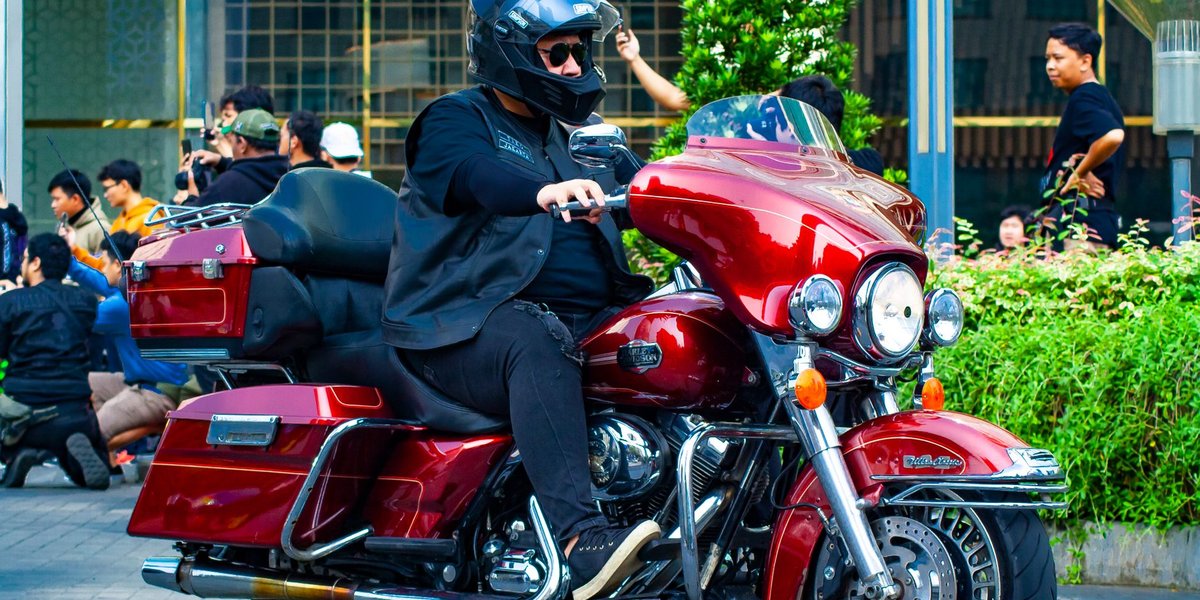
The 2012 model year is the one a lot of used Harley shoppers circle without quite knowing why. Here’s the why: it’s the year the Twin Cam 103 became standard equipment across most of the big-twin lineup, so a 2012 gives you the bigger engine without paying for a brand-new bike. That single change is the reason a 2012 Touring or Softail is one of the smartest entry points into Harley ownership right now.
This is the full 2012 lineup — all 32 models across six platforms — plus what each one cost new, what they go for today, the quirks worth knowing, and a flat answer on which 2012 to buy.
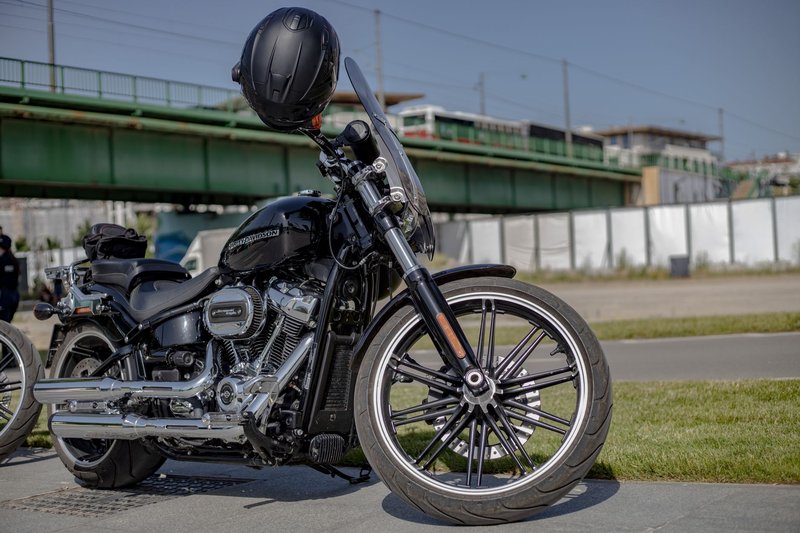
Table of Contents
- TLDR: The Verdict
- The Big 2012 Change: Twin Cam 103
- Sportster (XL)
- Dyna
- Softail
- Touring
- V-Rod (VRSC)
- Trike
- What Got Cut for 2012
- Used Values: What You’ll Actually Pay
- Which 2012 Harley Should You Buy?
TLDR: The Verdict {#tldr}
The 2012 lineup is worth shopping because of the engine, not the styling. Three picks cover most riders:
- Best all-rounder: 2012 Dyna Switchback (FLD). New for 2012, detachable bags and windshield, Twin Cam 103, and it’s the only Dyna that does both touring and bar-night duty. Used: roughly $7,000–$10,000.
- Best long-haul value: 2012 Road Glide (FLTRX) or Street Glide (FLHX). Frame-mounted fairing on the Road Glide, batwing on the Street Glide, both with the 103. Used: $10,000–$15,000.
- Best first Harley: 2012 Sportster Iron 883 (XL883N). Cheap, simple, and the air-cooled Evolution engine in it is close to bulletproof. Used: $4,500–$6,500.
Skip the 2012 V-Rod unless you specifically want the water-cooled, drag-bike feel — it’s a different motorcycle from the rest of the catalog and parts/service can cost more.
The Big 2012 Change: Twin Cam 103 {#twin-cam-103}
For 2012, Harley made the air-cooled Twin Cam 103 (1,690cc, 103 cubic inches) the standard engine on all Touring and Softail models and most of the Dyna line. Before this, the 103 was largely an upgrade option or limited to specific models; the base big twin had been the Twin Cam 96.
The number that matters is torque. The TC103 puts out about 100 lb-ft, roughly 6% more than the TC96 it replaced. On a 700-plus-pound touring bike, that extra grunt is the difference between downshifting to pass and just rolling the throttle. Harley also kept the six-speed Cruise Drive transmission across the big twins, so the taller gearing pairs well with the bigger engine for highway cruising.
The practical takeaway for a used buyer: a 2012 big twin came with the larger engine from the factory. You’re not hunting for a bike that was optioned up, and you’re not paying for an engine swap. That’s the core of the 2012 value argument.
The Sportster line kept its air-cooled Evolution engines (883cc and 1200cc) — those are separate from the Twin Cam family and didn’t change for 2012.
Sportster (XL) {#sportster}
The entry platform. Lightweight, simple, and the easiest Harleys to live with and learn on. Eight models for 2012:
- Sportster 883 SuperLow (XL883L) — Low seat, mild ergonomics, the friendliest Sportster for new and shorter riders. New MSRP ~$7,999.
- Sportster Iron 883 (XL883N) — Blacked-out, bobber-flavored, the cult-favorite cheap Harley. New MSRP ~$7,999.
- Sportster 1200 Custom (XL1200C) — Bigger 1200 Evo, more chrome, cruiser stance. New MSRP ~$10,499.
- Sportster Forty-Eight (XL1200X) — Fat front tire, 2.1-gallon peanut tank, the meanest-looking small Harley. New MSRP ~$10,499.
- Sportster Seventy-Two (XL1200V) — New for 2012. Chopper-inspired with high ape-hanger bars, a slim 2.1-gallon tank, spoked wheels, and a retro metalflake paint nod to ’70s customs. New MSRP ~$10,499.
- Sportster 1200 Nightster (XL1200N) — Stripped, dark, side-mount plate. (Final years for this one.)
- Sportster 1200 Roadster — Dual front discs, more aggressive riding position.
- Sportster XR1200X — The flat-track-inspired sport Sportster: 1200 Evo, inverted forks, dual front Brembos. The closest Harley got to a corner-carver.
The standout is the new Seventy-Two. It’s the model that gave the Sportster line a genuinely fresh look in 2012, and it’s the one collectors pay a little extra for today.
Dyna {#dyna}
Rubber-mounted big twins with exposed twin rear shocks — the classic naked cruiser stance. Five models, and 2012 brought the big news here.
- Dyna Switchback (FLD) — New for 2012. The headline Dyna. It runs the Twin Cam 103 and comes with quick-detach hard saddlebags and a detachable windshield, so it converts from a bagger to a stripped cruiser in minutes. It’s the most versatile bike in the entire 2012 catalog.
- Dyna Street Bob (FXDB) — Solo seat, mini-apes, the lean blacked-out Dyna.
- Dyna Super Glide Custom (FXDC) — The value Dyna; the most traditional of the bunch.
- Dyna Wide Glide (FXDWG) — Raked-out front end, fat rear, flame-y custom looks.
- Dyna Fat Bob (FXDF) — Twin headlights, fat tires front and rear, aggressive muscle-cruiser look.
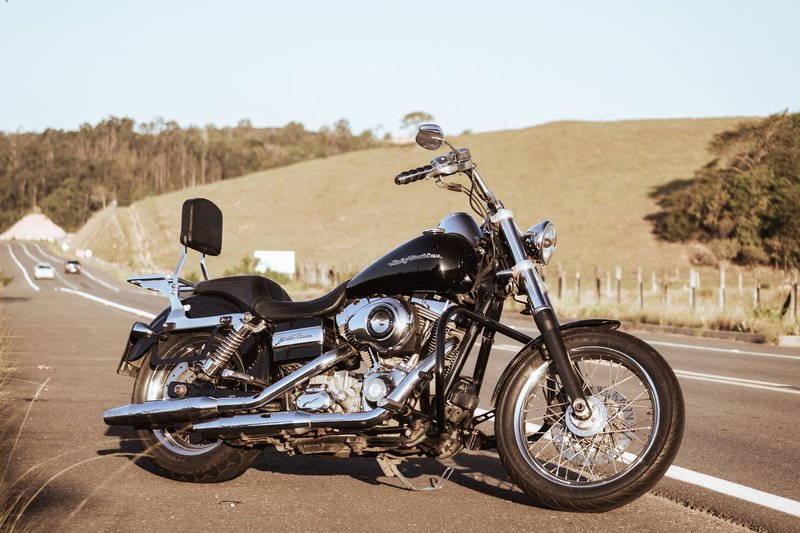
Most of the Dyna line moved to the TC103 for 2012, which is a meaningful bump on these mid-weight bikes. The Switchback is the one to remember — it’s frequently the smart-money pick of the whole year.
Softail {#softail}
Hidden rear suspension for that hardtail look with modern ride comfort. All Softails got the Twin Cam 103 (the Softail-specific Twin Cam 103B with counterbalancers) for 2012. Nine models:
- Softail Blackline (FXS) — Minimalist, narrow, blacked-out.
- Softail Slim (FLS) — New for 2012. Stripped postwar-bobber styling: cut-down rear fender, Hollywood bars, single solo seat. One of the best-looking Softails of the era and still in demand used.
- Softail Deluxe (FLSTN) — Whitewalls, full fenders, retro-classic chrome.
- Softail Fat Boy (FLSTF) — Solid disc wheels, the iconic heavyweight cruiser silhouette.
- Softail Fat Boy Lo (FLSTFB) — Lower, darker, meaner Fat Boy.
- Heritage Softail Classic (FLSTC) — Studded bags, windshield, full touring-cruiser comfort.
- Softail Deluxe / Fat Boy / Heritage variants carried the line’s traditional looks.
- Softail CVO models (Custom Vehicle Operations) brought bigger engines and premium paint — the CVO Softail Convertible ran the larger Screamin’ Eagle Twin Cam 110.
- Heritage and Fat Boy CVO/limited trims rounded out the platform.
The fresh face here is the Softail Slim. It nailed the lean, mean post-war look and is one of the more sought-after used Softails of this generation.
Touring {#touring}
The mile-eaters. Every 2012 Touring model came standard with the Twin Cam 103, which is exactly what you want in a heavy bike that lives on the interstate. Nine-plus models:
- Road King (FLHR) — Classic touring, detachable windshield, no fairing. The purist’s bagger.
- Road King Classic (FLHRC) — Leather bags and more chrome.
- Street Glide (FLHX) — Batwing fairing, slammed stance, stereo. The best-selling Harley of the era for a reason.
- Road Glide Custom (FLTRX) — Frame-mounted “shark-nose” fairing that stays still while the bars move — better at speed and in crosswinds than the batwing.
- Electra Glide Ultra Classic / Limited (FLHTCU / FLHTK) — Top boxes, lowers, full weather protection, the long-haul two-up tourers. The Ultra Limited was the loaded flagship.
- Electra Glide Classic (FLHTC) — Fairing and bags without the top box.
- Tri Glide / touring trikes crossed into the Trike platform (below).
- CVO Street Glide / Road Glide / Ultra — The premium Touring CVOs ran the Screamin’ Eagle Twin Cam 110 with custom paint and trim.
- Police and Shrine special-build Tourings.
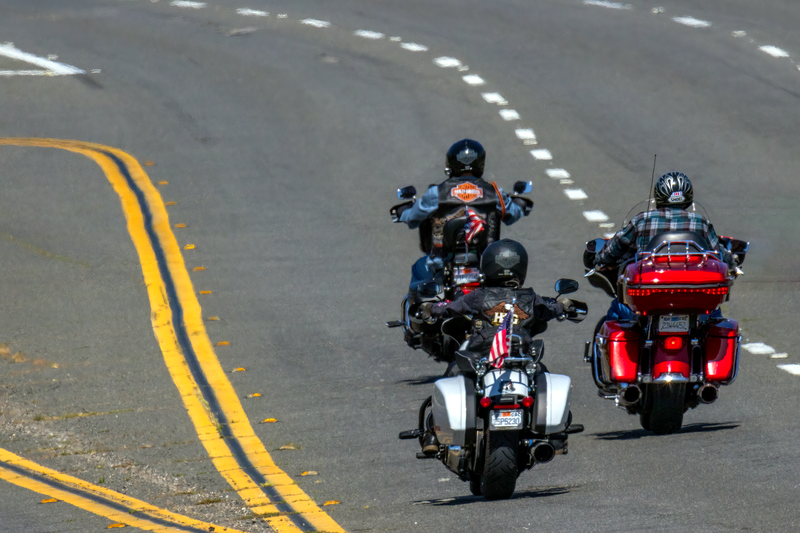
For most buyers chasing 2012 value, the Touring platform is the heart of the argument. The Road Glide Custom and Street Glide are the two to short-list — same 103 engine, two different fairing philosophies.
V-Rod (VRSC) {#v-rod}
The odd one out, and proud of it. The V-Rod runs a liquid-cooled, Porsche-developed Revolution V-twin (1,250cc) — a high-revving, drag-strip-styled muscle bike that shares almost nothing with the air-cooled cruisers. Three models for 2012:
- V-Rod Muscle (VRSCF) — Wide rear tire, slammed muscle-car attitude.
- Night Rod Special (VRSCDX) — Blacked-out, the menacing dark V-Rod.
- V-Rod 10th Anniversary Edition — Special for 2012. Marked a decade of the platform with unique two-tone paint, a numbered build, and special badging. It’s the V-Rod collectors watch.
The V-Rod is a love-it-or-skip-it bike. The water-cooled engine is strong and reliable, but service and parts differ from the rest of the catalog, so factor that in before buying used.
Trike {#trike}
Three wheels, full touring comfort, and a different license/insurance picture depending on your state.
- Tri Glide Ultra Classic (FLHTCUTG) — The full-dress touring trike: Twin Cam 103, reverse gear, top box, and a wide rear body with trunk storage.
- Street Glide Trike (FLHXXX) — A slammed, more stripped trike take on the Street Glide look. This was its final year — Harley discontinued it after 2012, which makes a clean used one a bit of a niche collectible.
What Got Cut for 2012 {#discontinued}
Knowing what left the lineup helps date a used bike and explains why some 2011 models suddenly got cheaper. For 2012, Harley dropped:
- Softail Rocker C (FXCWC) — The swing-arm “rocker” with the trick fender; gone.
- Softail Cross Bones (FLSTSB) — The springer-front bobber; gone.
- Sportster 1200 Low (XL1200L) — Folded into other 1200 trims.
- Street Glide Trike — Ran one final year in 2012, then discontinued.
If you specifically want a Rocker C or Cross Bones, 2011 is the last year to find them new-titled. It’s also worth remembering that Harley wasn’t operating in a vacuum — 2012 was a busy year industry-wide, and seeing where these bikes landed against the full list of 2012 motorcycle models helps put the Harley lineup’s pricing and positioning in context.
Used Values: What You’ll Actually Pay {#used-values}
Prices vary with mileage, condition, and whether the previous owner added Stage 1 intake/exhaust upgrades (common and generally a plus). These are realistic 2025–2026 private-party ranges in the U.S.:
| Model | New MSRP (2012) | Typical Used Today |
|---|---|---|
| Sportster Iron 883 | ~$7,999 | $4,500–$6,500 |
| Sportster Seventy-Two | ~$10,499 | $6,500–$9,000 |
| Dyna Switchback | ~$15,499 | $7,000–$10,000 |
| Dyna Street Bob | ~$13,199 | $7,500–$11,000 |
| Softail Slim | ~$15,499 | $8,500–$12,500 |
| Fat Boy / Fat Boy Lo | ~$16,499 | $9,000–$13,000 |
| Street Glide | ~$19,999 | $10,000–$14,000 |
| Road Glide Custom | ~$20,899 | $10,500–$15,000 |
| Electra Glide Ultra Limited | ~$24,999 | $11,000–$16,000 |
| V-Rod Muscle / Night Rod | ~$15,899 | $8,000–$12,000 |
| Tri Glide Ultra Classic | ~$32,799 | $18,000–$26,000 |
Two notes. First, mileage on these bikes is rarely the killer — a well-maintained Twin Cam easily runs past 100,000 miles. Second, a documented service history and a clean title are worth more than low miles on these. For a sanity check on titles and recalls, run the VIN through the NHTSA recalls database before you hand over cash.
Which 2012 Harley Should You Buy? {#which-to-buy}
It comes down to how you ride.
You mostly do highways and want to tour. Get a Road Glide Custom or Street Glide. The 103 makes both effortless at 75 mph, and the difference is the fairing: the Road Glide’s frame-mounted shark-nose is steadier in wind, the Street Glide’s batwing is the classic look and a little more nimble around town. Either is one of the best big-twin values on the used market.
You want one bike that does everything. The Dyna Switchback is the answer almost nobody gives. Bags and windshield on for the weekend trip, both off for a Friday night, Twin Cam 103 either way. It’s the most flexible motorcycle Harley built in 2012, and the used market still under-prices it relative to a comparable Touring bike.
It’s your first Harley, or your budget is tight. The Iron 883 is the move. The air-cooled Evolution engine is one of the most durable Harley ever made, parts are everywhere, and you can ride it for a couple of years and sell it for close to what you paid. Step up to a 1200 — the Seventy-Two or Forty-Eight — if you want more torque and don’t mind spending a bit more.
You want something different. The V-Rod 10th Anniversary or a Night Rod Special. Just go in knowing it’s a water-cooled muscle bike, not a traditional cruiser, and price the slightly higher service costs into your budget.
The thread tying all of this together is the same one we started with: 2012 is the model year where the bigger engine became standard. For a used buyer, that’s a clean, no-asterisks way to get a Twin Cam 103 Harley without paying new-bike money. Shop the condition and the service records, pick the bike that matches how you actually ride, and the 2012 lineup rewards you.
Marco Delantero
More from Marco DelanteroHow we reviewed this article
This article was researched against manufacturer records and editorially reviewed before publishing. We accept no payment for coverage. Some guides contain affiliate links; see our affiliate disclosure.