TLDR
Ferrari’s 1979 road lineup had four cars: the 308 GTB/GTS (V8, Pininfarina, the “Magnum P.I.” shape), the 308 GT4 (V8, 2+2, Bertone body, the family’s overlooked middle child), the 400i (V12 grand tourer, Ferrari’s first fuel-injected production car), and the 512 BB (flat-12 flagship, the fastest and most expensive thing in the showroom). On track, the 312 T4 carried Jody Scheckter to Ferrari’s last Drivers’ Championship for two decades. The 400i is the one that mattered most historically — it’s where Ferrari quietly started retiring the carburetor.
Table of Contents
- Why 1979 Actually Matters
- Ferrari 308 GTB and GTS
- Ferrari 308 GT4
- Ferrari 400i
- Ferrari 512 BB
- Ferrari 312 T4: The Championship Car
- 1979 Ferrari Lineup Compared
- What They’re Worth Now
Why 1979 Actually Matters
Most “Ferrari model year” write-ups treat 1979 as a placeholder year between the 308’s 1975 launch and the 288 GTO’s 1984 arrival. It wasn’t. It’s the year Ferrari’s road cars started saying goodbye to the carburetor, and the 400i is where that started.
Every other Ferrari in the 1979 catalog — the 308 GTB, GTS, and GT4, plus the 512 BB — still breathed through banks of Weber carburetors. The 400i alone got Bosch K-Jetronic mechanical fuel injection, replacing the two triple-choke Webers that fed its predecessor, the 400 GT. That switch wasn’t about performance; injected engines actually made less peak power than their carbureted siblings once emissions tuning was factored in. It was about surviving tightening emissions rules that carburetors, with their crude and inconsistent fuel metering, were never built to satisfy.
The rest of the range caught up slowly. The 308 GTB and GTS didn’t get injection (as the GTBi/GTSi) until 1980. The 512 BB stayed carbureted until the 1981 Ferrari models introduced the 512 BBi. For one model year, the 400i was the only fuel-injected Ferrari money could buy — a strange, quiet distinction for what’s usually remembered as the brand’s least exciting model.
Ferrari 308 GTB and GTS
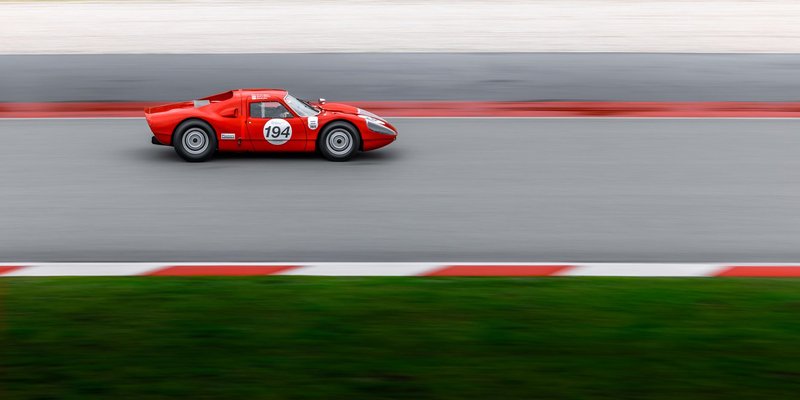
The 308 GTB is the shape most people picture when they hear “classic Ferrari V8” — Pininfarina’s wedge-nosed, flying-buttress coupe that Tom Selleck made famous on television a few years later. The GTS, launched in 1977, is the same car with a lift-out targa panel. By 1979 both had moved from the earlier fiberglass construction to steel bodywork, adding weight but fixing the rust-prone, low-volume production headaches of the early cars.
Under the engine cover sat Ferrari’s 2,927cc quad-cam V8, fed by four twin-choke Weber 40 DCNF carburetors. European-spec cars ran closer to 255 hp; US-spec cars, strangled by emissions equipment, made a claimed 240 hp — enough for a 0-60 mph run in the high sixes to low sevens, depending on which period road test you trust.
| Spec | Detail |
|---|---|
| Engine | 2,927cc DOHC V8, 4x Weber 40 DCNF |
| Power | 240 hp (US) / ~255 hp (Euro) |
| 0-60 mph | ~6.5–7.0 sec (period tests vary) |
| Production (steel-body run, 1976–1980) | GTB: 2,185 / GTS: 3,219 |
| 1979 US price | Around $28,600 |
Ferrari 308 GT4
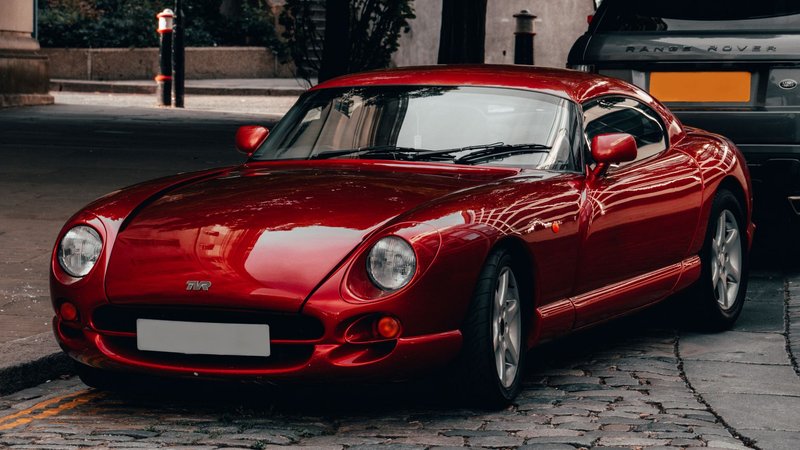
The GT4 is the same mechanical platform as the GTB wearing a different, more divisive outfit. Where the GTB got Pininfarina’s swoopy two-seat body, the GT4 got an angular Bertone design with a stretched wheelbase and genuine 2+2 seating — a real back seat, not a parcel shelf with a lie about it. Ferrari enthusiasts spent decades calling it the ugly duckling of the family; it’s since been rediscovered as the practical, underpriced way into a carbureted Ferrari V8.
Mechanically it’s close kin to the GTB: the same 2,927cc V8, running four Weber carburetors, making a comparable 227–240 hp depending on market. The extra length and the 2+2 layout added weight over the GTB, which shows up as marginally softer, less immediate handling — the tradeoff for the extra seats.
| Spec | Detail |
|---|---|
| Engine | 2,927cc DOHC V8, 4x Weber carburetors |
| Power | 227 hp (Euro) / 240 hp (US) |
| 0-60 mph | ~6.5–7.5 sec |
| Body | Bertone 2+2, steel |
| 1979 US price | Around $23,875 |
Ferrari 400i
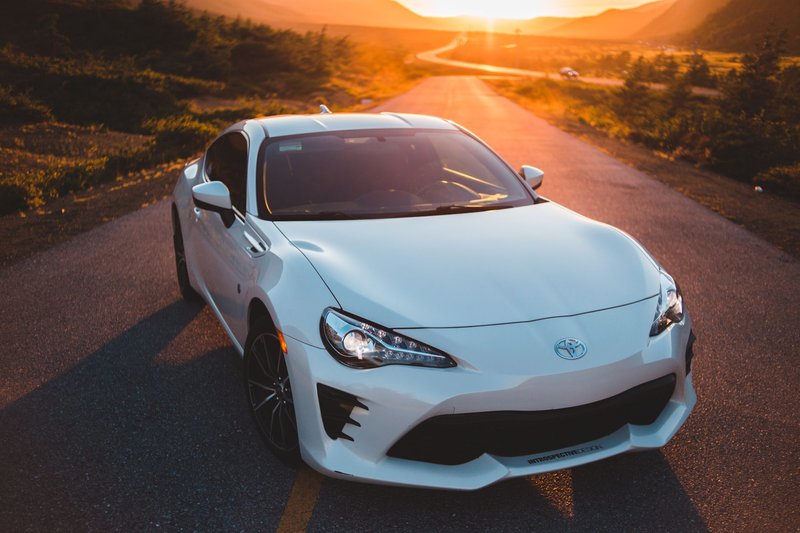
The 400i is a big, front-engined, four-seat V12 grand tourer built for owners who wanted a Ferrari badge and a back seat that could hold actual adults — and it’s the model this whole year hinges on. Under that long hood sat a 4.8-liter, 60-degree V12 making a claimed 310 hp, sent through either a five-speed manual or, more often, a three-speed GM-sourced automatic. Ferrari rarely offered an automatic gearbox; the fact that the 400i did tells you exactly who it was built for.
The headline spec isn’t the horsepower, it’s the “i” in the name: Bosch K-Jetronic fuel injection, replacing the carbureted 400 GT’s Webers. Zero to 60 mph came up in about 6.9 seconds — brisk for a two-ton-plus GT car, if not remotely supercar territory next to its mid-engined stablemates.
| Spec | Detail |
|---|---|
| Engine | 4,823cc SOHC-per-bank V12, Bosch K-Jetronic injection |
| Power | ~310 hp @ 6,400 rpm |
| 0-60 mph | ~6.9 sec |
| Transmission | 5-speed manual or 3-speed automatic |
| Body | 2+2 GT, Pininfarina |
Ferrari 512 BB
If the 400i was Ferrari’s technology test bed, the 512 BB was its statement piece. The flat-12 “Berlinetta Boxer,” styled by Pininfarina with a low, flat nose and a slatted engine cover, was the fastest and most expensive car in Ferrari’s 1979 catalog by a wide margin — and the only mid-engined road car in the lineup that year, since the 308 duo sat further down the food chain on price and prestige.
The 4,942cc flat-12 still ran on triple-choke Weber carburetors in 1979 — no injection here yet, a reminder of how selectively Ferrari rolled the 400i’s technology out. Output was rated around 355 hp, enough for a 0-60 sprint in roughly 5.4 seconds and a top speed contemporary testers clocked anywhere from the high 170s to the high 180s depending on gearing and conditions.
| Spec | Detail |
|---|---|
| Engine | 4,942cc flat-12, 4x Weber carburetors |
| Power | ~355 hp @ 6,200 rpm |
| 0-60 mph | ~5.4 sec |
| Transmission | 5-speed manual, rear transaxle |
| 1979 US price | Around $85,000 |
Ferrari 312 T4: The Championship Car
Away from the showroom, 1979 was Ferrari’s best year on a Formula One grid for two decades. The 312 T4 — Ferrari’s first proper ground-effect car, with a flat-12 shoehorned low enough to make room for the underbody venturi tunnels the rules of the era rewarded — carried Jody Scheckter to three wins that season at Belgium, Monaco, and Monza. The Monza win, on home soil, clinched the Drivers’ Championship, with teammate Gilles Villeneuve’s second place locking up the Constructors’ title alongside it.
It’s worth including here because it explains something the road cars don’t: why 1979 gets remembered fondly inside Maranello at all. Scheckter’s title was the last one any Ferrari driver would win until Michael Schumacher, more than two decades later. The road-car range that year was solid, not spectacular — the racing is what made it a landmark 12 months.
1979 Ferrari Lineup Compared
| Model | Type | Engine | Power | 0-60 mph | 1979 US Price |
|---|---|---|---|---|---|
| 308 GTB | 2-seat coupe | 2.9L V8, carbureted | 240 hp | ~6.5–7.0 sec | ~$28,600 |
| 308 GTS | 2-seat targa | 2.9L V8, carbureted | 240 hp | ~6.5–7.0 sec | ~$28,600 |
| 308 GT4 | 2+2 coupe | 2.9L V8, carbureted | 227–240 hp | ~6.5–7.5 sec | ~$23,875 |
| 400i | 2+2 GT | 4.8L V12, fuel injected | ~310 hp | ~6.9 sec | Highest of the front-engined GTs |
| 512 BB | Mid-engine coupe | 4.9L flat-12, carbureted | ~355 hp | ~5.4 sec | ~$85,000 |
Line them up and the pattern is clear: entry point was the GT4, the aspirational everyday car was the GTB/GTS, the injected oddball was the 400i, and the halo car — fastest, priciest, most mid-engined — was the 512 BB. Only one of the five had fuel injection, and it wasn’t the flagship.
What They’re Worth Now
The collector market has more or less inverted the original pricing logic. The 512 BB, the most expensive car in 1979, still commands the biggest premium today — flat-12 Boxers are the blue-chip pick of the era, prized for the engine layout Ferrari would abandon after the Testarossa generation. The 308 GTB and GTS sit in the middle, buoyed for decades by pop-culture recognition and steady, if unspectacular, demand; the steel-bodied 1979 cars are more affordable than the rarer early fiberglass GTBs, which carry their own premium for scarcity.
The GT4 remains the value play of the family — mechanically identical to the GTB underneath a body style the market took thirty years to appreciate. The 400i, meanwhile, is the quiet historical footnote most buyers skip past: cheap relative to its V12 and specific history, overlooked because a 2+2 automatic Ferrari GT was never going to out-glamour a Boxer, whatever it did first under the hood.

Daniela Voss
More from Daniela VossHow we reviewed this article
This article was researched against manufacturer records and editorially reviewed before publishing. We accept no payment for coverage. Some guides contain affiliate links; see our affiliate disclosure.