TLDR
Ferrari fielded five distinct models in 1951: the 212 F1 (two-car Grand Prix single-seater), the 212 Export (27-off competition barchetta), the 212 Inter (road-going GT, roughly 110 chassis), the carryover 195 Inter (about 28 built total), and the range-topping 340 America (the first Ferrari road car with the big Lampredi V12). All five shared a family resemblance and almost nothing else — engine size ranged from 2.3 to 4.1 liters, and prices today run from roughly $2 million to well over $8 million depending on chassis history.
1951 is the year Ferrari’s catalog stopped being one thing. Two years earlier, every car the company built ran some version of Gioacchino Colombo’s small V12. By 1951, Aurelio Lampredi’s larger-displacement engine had shown up to handle the jobs the Colombo unit couldn’t — endurance racing at speed, and America’s wide-open highways — and Ferrari was building road cars and race cars as genuinely separate products for the first time. Here’s every model that came out of Maranello that year, what made each one different, and what they’re worth if you’re chasing one now.
Table of Contents
- 1951: The Year Ferrari Split in Two
- Ferrari 212 F1
- Ferrari 212 Export
- Ferrari 212 Inter
- Ferrari 195 Inter
- Ferrari 340 America
- What 1951 Ferraris Are Worth Today
1951: The Year Ferrari Split in Two
Every Ferrari through the late 1940s ran some displacement of Colombo’s compact 60-degree V12 — the engine that had powered the 125 S since 1947. It was a beautifully oversquare little unit, but there’s a hard ceiling on how much displacement you can squeeze out of an engine with 90mm between cylinder bores. Lampredi’s answer, developed through 1950, moved the bore centers out to 108mm and opened the door to a much bigger engine — eventually as large as 4.5 liters in race trim.
By 1951 that meant Ferrari’s lineup forked. The small-block Colombo cars — 195 and 212 — stayed the backbone of the road-going and Formula 2 range. The Lampredi engine went to work in the cars that needed real straight-line pull: the 340 America on the road, and the fire-breathing 4.5-liter Formula 1 cars on the track, which took Ferrari to its first World Championship Grand Prix win that July at Silverstone. The five models below are what that split actually produced for buyers and racers in a single calendar year.
Ferrari 212 F1
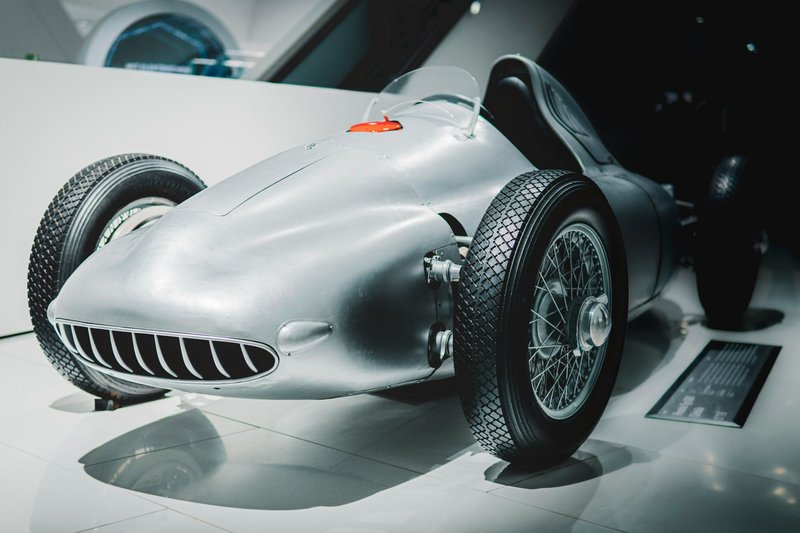
Only two 212 F1 chassis were ever built — number 102, with a de Dion rear axle, and number 110, running a swing axle — and both were Lampredi-engined despite wearing the “212” badge usually associated with Colombo cars. The 2,562cc V12 (68mm bore, 58.8mm stroke) made 200hp at 7,500rpm, enough to make the 212 F1 a credible mid-grid runner in a season still dominated by Alfa Romeo’s supercharged 159.
The car debuted at the 1951 Syracuse Grand Prix with Dorino Serafini second behind teammate Luigi Villoresi, then went to Swiss privateer Rudi Fischer, who took it to his own World Championship debut at that year’s Swiss Grand Prix. Fischer also ran the same chassis in Formula 2 trim with a smaller 1,995cc engine and won outright at Aix-les-Bains and Angoulême — proof that Ferrari’s early single-seaters could be reconfigured car-to-car in a way no modern chassis could touch. Ferrari’s own works team ran the works Formula 1 program alongside it, a season that ended with the FIA’s championship recording Ferrari’s breakthrough win at the British Grand Prix.
Ferrari 212 Export
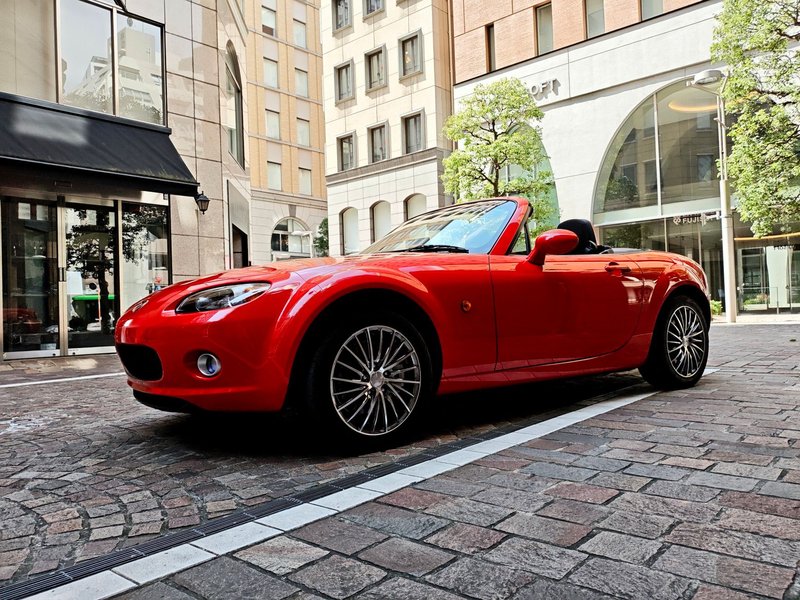
Twenty-seven 212 Exports left the factory, and most of them went straight into competition rather than a garage. The engine was still Colombo-based — the same 2,562cc, 68×58.8mm block as the F1 car’s chassis number would suggest, but tuned very differently, running three Weber carburetors and producing anywhere from 150 to 170hp at 6,500rpm depending on which state of tune a given car left the factory in.
Carrozzeria Touring bodied most of them, eight as open Barchetta spiders and four as closed berlinettas, with Vignale supplying the rest. The very first of the line — chassis 0070M, a Vignale-bodied berlinetta — ran in period simply as a 212, and it’s the car later enthusiasts nicknamed the “212 MM” for its Mille Miglia connections before the Export name settled in. These weren’t garage queens: a 212 Export’s whole reason for existing was privateer entries at Mille Miglia, Le Mans, and the Carrera Panamericana, and the surviving cars still wear that history in their chassis logs.
Ferrari 212 Inter
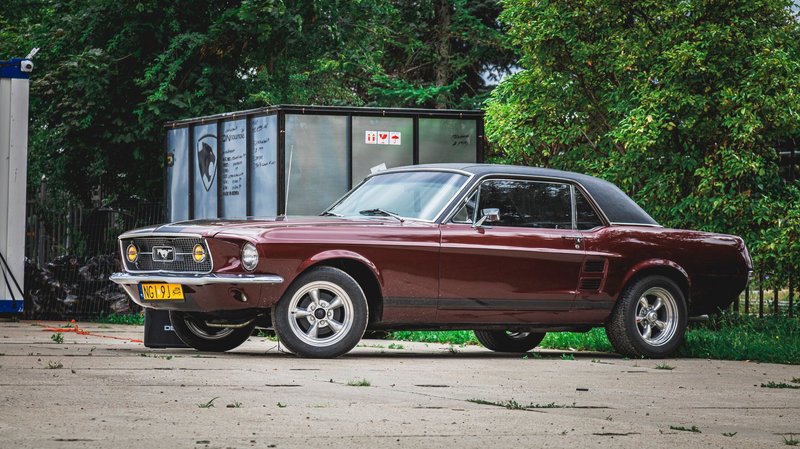
The Inter took the same 2,562cc V12 and the same power band — sources list anywhere from 150 to 170bhp at 6,500rpm — and pointed it at customers who wanted a Ferrari they could drive to dinner. Around 110 chassis were built across the model’s 1951–52 run, making it by a wide margin the most common car on this list, and the coachwork split tells you who Ferrari expected to buy one: Vignale dressed 37 examples, including four cabriolets, Touring built five berlinettas, and Ghia supplied 12 coupes.
That production volume is exactly why the 212 Inter matters here — it’s the model that proved Ferrari could sell a road car in real numbers rather than building one-offs for wealthy racers. Every 212 Inter still rode on a live rear axle and drum brakes, reminders of how early this still was in Ferrari’s road-car education, but it’s also the direct ancestor of every grand tourer the company built afterward.
Ferrari 195 Inter
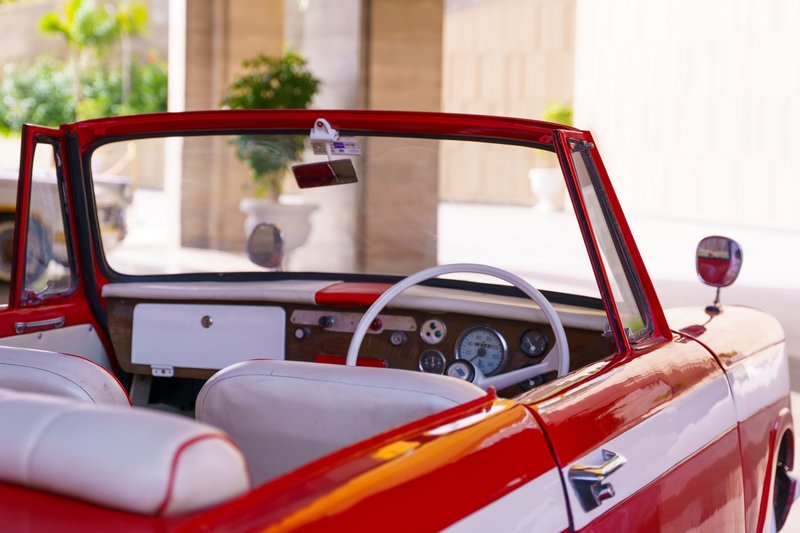
The 195 Inter wasn’t new for 1951 — it had launched in 1950 — but it carried into the new year as the smallest-displacement car in the catalog, and roughly 28 were built across its short run. Its 2,341cc V12 got there by pushing the Colombo block’s bore from 60mm to 65mm while holding the stroke at 58.8mm, and in touring tune it made a modest 130 to 135hp from a single Weber carburetor, though some cars ran triple carbs for more.
What made the 195 Inter notable wasn’t power, it was refinement for the era: a five-speed manual gearbox at a time when four speeds was still standard on most European sports cars, feeding a live rear axle through double-wishbone front suspension. It’s the quiet transitional car in Ferrari’s 1951 lineup — overshadowed by the bigger-engined Export and Inter siblings that effectively replaced it within the year, which is part of why surviving examples are scarcer than their production numbers alone suggest.
Ferrari 340 America
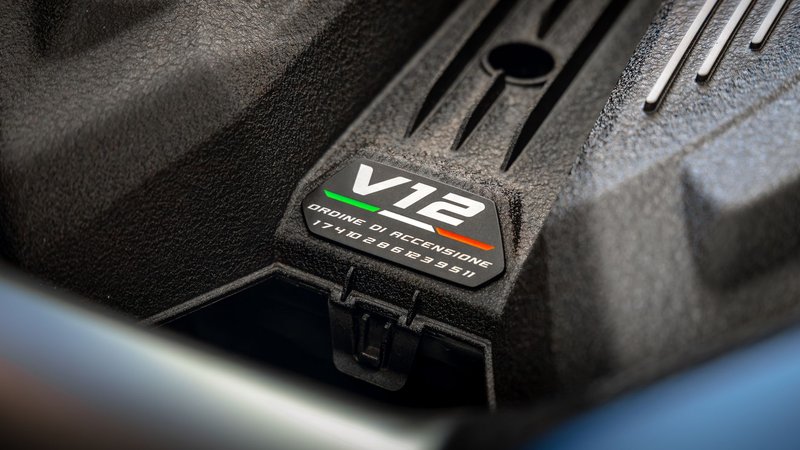
The 340 America was the car that justified Lampredi’s whole engine program. Its 4,101cc V12, with cylinder bore centers stretched to 108mm, made 220 to 230hp — nearly 50% more than the biggest Colombo-engined road car — and pushed a well-bodied example to roughly 240 km/h (149 mph) — among the fastest cars of the 1950s — a genuinely startling number for a road car in 1951. Road-going examples ran a conventional wet-sump five-speed setup rather than the dry-sump arrangement Ferrari reserved for its outright racers.
It also won. Three 340 Americas ran the 1951 Mille Miglia as Touring-bodied barchettas for Alberto Ascari, Dorino Serafini, and Vittorio Marzotto, while a fourth — a Vignale-bodied sports tourer driven by Luigi Villoresi and co-driver Cassani — took the overall win, averaging 76.13 mph over the roughly 1,000-mile Brescia-to-Rome-and-back route. That’s the detail that separates the 340 America from every other big-engined GT of the period: it wasn’t just fast on paper, it beat 324 other starters on Italy’s hardest open-road race in the same year it launched.
What 1951 Ferraris Are Worth Today
None of these cars are cheap, and the gap between the most and least expensive of the five is enormous. A 1951 212 Export Barchetta sold for $3.9 million in August 2023, reflecting both its rarity — only 27 built — and the Touring coachwork’s pedigree. The 340 America sits well above that: a 1951 Barchetta by Touring brought $8.2 million at RM Sotheby’s Monaco sale in 2016, while a Ghia-bodied 340 America coupe changed hands for a comparatively modest €575,000, a reminder that body style and coachbuilder swing 1951 Ferrari values as much as the mechanical spec sheet does.
Context helps here. The broader vintage Ferrari market has only gotten hotter — a 1962 Ferrari 330 LM/250 GTO sold for $51.7 million in November 2023, the current record for any car at auction — and that demand pulls the entire early-Ferrari category up with it, 1951 models included. The 212 Inter, being the most common car here at roughly 110 built, is the accessible entry point into 1951 Ferrari ownership; the two-off 212 F1 essentially never comes to market at all. If you’re shopping this era, rarity and race history matter more than raw displacement — a 195 Inter with clean Mille Miglia provenance will outsell a numerically larger 212 Export with a quiet history, every time.

Daniela Voss
More from Daniela VossHow we reviewed this article
This article was researched against manufacturer records and editorially reviewed before publishing. We accept no payment for coverage. Some guides contain affiliate links; see our affiliate disclosure.