Table of Contents
- The Best-Selling Car Brands in South Africa (2025)
- Which Brands Are Actually Made in South Africa?
- The Rise of Chinese Brands
- Homegrown: Indigenous South African Manufacturers
- Quick Reference: Brands at a Glance
South Africa’s car market is more interesting than most people give it credit for. You’ve got the usual suspects — Toyota dominating the way it does everywhere — but also a surprising local manufacturing scene, a wave of Chinese newcomers shaking up the value segment, and a handful of genuinely indigenous South African brands that most automotive sites completely ignore.
This guide covers all of it: the best-sellers, the locally built, and the ones flying under the radar.
The Best-Selling Car Brands in South Africa (2025) {#best-selling}
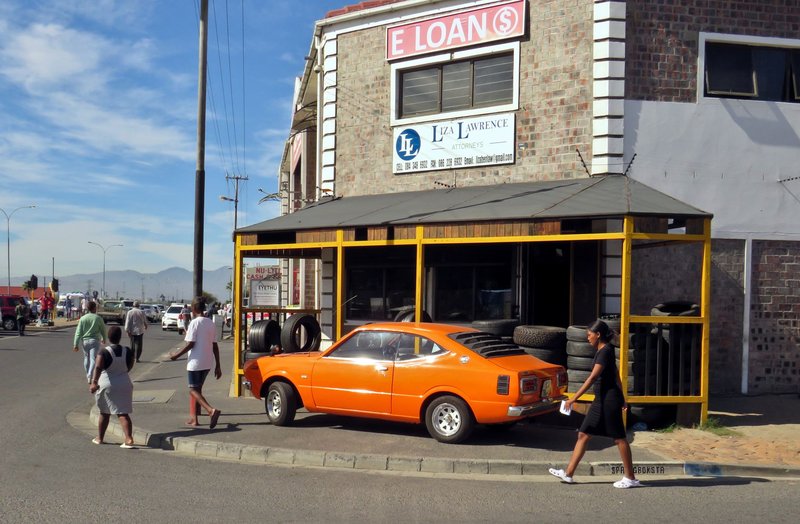
Toyota has led the South African market for decades and that hasn’t changed. In 2025, it continues to outsell every other brand by a margin that makes the competition look like they’re running a different race. The Hilux pickup — built at Toyota’s Prospecton plant in Durban — is consistently the single best-selling vehicle in the country.
Here’s how the top brands rank by sales volume in 2025:
| Rank | Brand | Key Models | Origin |
|---|---|---|---|
| 1 | Toyota | Hilux, Fortuner, Corolla Quest | Japan (locally assembled) |
| 2 | Volkswagen | Polo, T-Cross, Tiguan | Germany (locally assembled) |
| 3 | Ford | Ranger, Everest, Puma | USA (locally assembled in some configs) |
| 4 | Suzuki | Swift, Vitara, Jimny | Japan |
| 5 | Haval (GWM) | H6, Jolion, Steed | China (locally assembled) |
| 6 | Nissan | NP200, Navara, Magnite | Japan |
| 7 | Hyundai | Grand i10, Tucson, Creta | South Korea |
| 8 | Kia | Sonet, Sportage, Picanto | South Korea |
| 9 | Renault | Kwid, Kiger, Duster | France |
| 10 | Chery | Tiggo 4 Pro, Omoda 5 | China |
A few things worth noting: Suzuki’s rise has been one of the real stories of the past few years. The Swift’s value proposition in a high-inflation economy has pushed Suzuki firmly into the top five. And Haval’s presence at number five represents how dramatically the Chinese brands have reshuffled things since 2022.
Which Brands Are Actually Made in South Africa? {#made-in-sa}
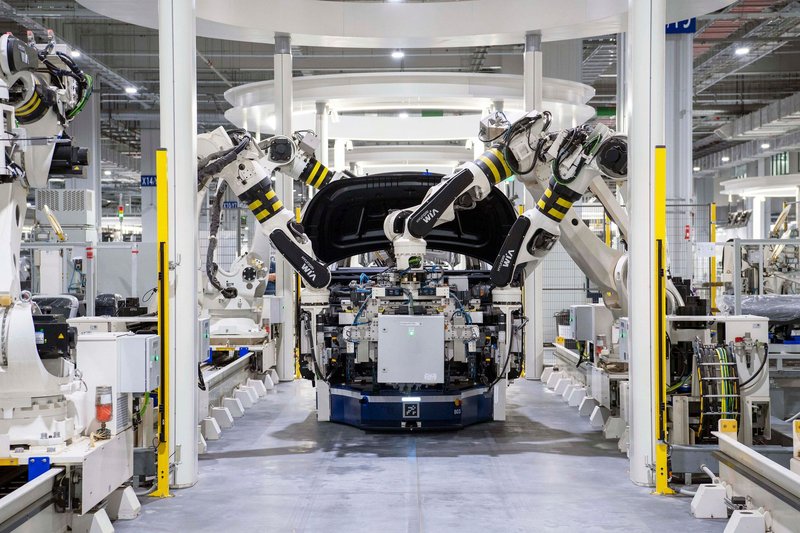
There’s a meaningful difference between brands that sell in South Africa and brands whose vehicles are actually built there. The distinction matters if you care about local jobs, import duties, or buying power dynamics.
Full-scale manufacturing (CKD — Completely Knocked Down assembly):
These are brands that receive components and assemble complete vehicles on South African soil, with meaningful local content:
- Toyota — The Prospecton plant in Durban produces the Hilux, Fortuner, and the Corolla Quest (a model built specifically for African and emerging markets). Toyota South Africa Motors (TSAM) exports to over 100 countries.
- Volkswagen — The Kariega plant (formerly Uitenhage) in the Eastern Cape produces the Polo and Polo Vivo. VW has manufactured vehicles in South Africa since 1951, making it one of the oldest continuous automotive operations on the continent.
- Ford — Ford’s Silverton plant in Pretoria assembles the Ranger, which is also exported to markets including the UK, Australia, and Europe. A serious operation.
- Isuzu — Not always in the headlines, but Isuzu’s Port Elizabeth plant assembles the D-Max pickup and MU-X SUV, with significant export volume.
SKD (Semi-Knocked Down) assembly:
Several other brands do lighter local assembly — fitting locally sourced components onto imported body shells. This is less manufacturing-intensive but still creates local employment:
- Nissan — Rosslyn plant near Pretoria
- Haval/GWM — Uses a local assembly partner for some models
- BMW — The Rosslyn plant produces the BMW 3 Series and X3 for export alongside local sales
BMW’s Rosslyn operation is worth pausing on. South Africa exports the 3 Series to markets including the United States and Japan — which means a car built in Pretoria is being sold to some of the most demanding car markets on earth. That’s not nothing.
The Rise of Chinese Brands {#chinese-brands}
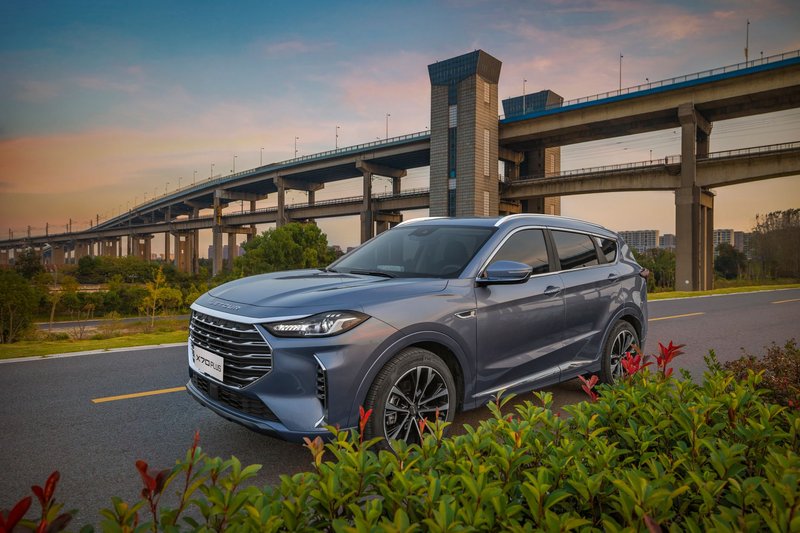
Five years ago, Chinese car brands were a footnote in South African automotive conversations. In 2025, they’re a headline.
Haval (under GWM — Great Wall Motors) is now a top-five brand by sales. The Haval Jolion and H6 have become legitimately popular, not just cheap alternatives. GWM has invested in local assembly capacity and after-sales infrastructure, which matters in a market where parts availability can make or break brand trust.
Chery entered the market more quietly but has found traction with the Tiggo series and the newer Omoda 5. The Omoda in particular has gotten favorable attention for its interior quality relative to price — the kind of thing that earns word-of-mouth in family circles.
BAIC (Beijing Automotive Industry Corporation) operates through a local partner and sells pickups and commercial vehicles alongside passenger cars. Lower profile than Haval but building steadily.
JAC Motors covers the light commercial segment — small panel vans and bakkies that compete with the Nissan NP200 in the entry fleet and owner-driver market.
The pattern across all of them: competitive pricing relative to European and Japanese equivalents, improving quality perception, and a willingness to invest in dealer networks rather than just dumping product. The brands that have succeeded haven’t just been cheap — they’ve been present.
Homegrown: Indigenous South African Manufacturers {#homegrown}
This is the section that most car sites skip entirely. South Africa has produced — or is producing — vehicles under genuinely South African brands. None of them are Toyota-scale. Some are aspirational. But they exist, and the stories are worth knowing.
Jolt EV A South African electric vehicle startup producing small commercial EVs designed for last-mile delivery in African urban conditions. The Jolt is not trying to compete with Tesla — it’s targeting courier fleets and municipal operators who need short-range electric capability at a price point that makes sense for emerging market logistics. Based in Johannesburg.
Brandt BRV The Brandt BRV is a South African-designed off-road vehicle aimed at the game lodge and overlanding market. It uses a modular chassis designed for rough terrain and repairability in remote conditions — practical priorities that reflect actual South African use cases rather than lifestyle marketing.
Paramount Group Strictly speaking, Paramount operates in the armored and military vehicle space, not the consumer market. But their Marauder and Mbombe vehicles are designed and manufactured in South Africa and have been exported to over 30 countries. For engineering heritage, they count.
Optimal Energy (Joule) A cautionary story worth including. The Joule was a fully South African EV concept that made it to prototype stage in the late 2000s, backed by the Western Cape government. It didn’t survive to production — funding and scale economics killed it — but it demonstrated that the engineering capability existed. The team later dispersed into various South African tech and automotive ventures.
The honest picture: indigenous South African mass-market manufacturing hasn’t cracked the consumer scale problem. The brands that do manufacture at scale (Toyota, VW, Ford) are South African operations of global companies. But the niche and specialist manufacturers are real, and the EV push from startups like Jolt suggests the next chapter is being written.
Quick Reference: Brands at a Glance {#quick-reference}
| Brand | Category | Locally Assembled | Notes |
|---|---|---|---|
| Toyota | Mass market | Yes (CKD) | Market leader; Prospecton plant exports globally |
| Volkswagen | Mass market | Yes (CKD) | Kariega plant; Polo Vivo built only in SA |
| Ford | Mass market | Yes (CKD) | Ranger exported to Europe and Australia |
| BMW | Premium | Yes (CKD) | Rosslyn; 3 Series exported to USA and Japan |
| Isuzu | Bakkies/SUVs | Yes (CKD) | PE plant; major export operation |
| Haval (GWM) | Mass market/SUV | Partial SKD | China’s biggest footprint in SA |
| Chery | Mass market/SUV | No | Growing fast; Omoda 5 gaining traction |
| Suzuki | Mass market | No | Top 5 by volume; Swift dominates |
| Nissan | Mass market | Partial SKD | Rosslyn plant |
| Jolt EV | EV/commercial | Yes | Indigenous SA brand; urban delivery focus |
| Brandt BRV | Off-road/specialist | Yes | Indigenous SA; game lodge and overlanding |
| Paramount Group | Armored/military | Yes | SA-designed; 30+ export countries |
South Africa’s car market rewards understanding its layers. On the surface it looks like any emerging market — Toyota on top, European brands competing for the middle, Koreans doing well on value. But dig one level down and you’ve got a serious export manufacturing base, Chinese brands that have genuinely earned their market share, and a local industry that’s small but not absent.
For anyone buying in South Africa, the locally manufactured angle is worth factoring in — not for nationalist reasons, but because local assembly often means better parts availability and a dealer network that’s actually incentivized to support the product long-term.
Marco Delantero
More from Marco DelanteroHow we reviewed this article
This article was researched against manufacturer records and editorially reviewed before publishing. We accept no payment for coverage.