The history of Jaguar car models spans nearly a century of sports cars, luxury saloons and modern electric vehicles. Jaguar models are known for their blend of elegant design, performance-oriented engineering and a strong motorsport heritage. Over the decades the marque has produced a wide range of vehicles, from lightweight racing machines to comfortable long‑distance grand tourers and contemporary SUVs. Their importance lies in influencing sports car styling and advancing technologies that often migrate from racing and concept cars into road-going models.
Context
Jaguar’s origins trace back to the Swallow Sidecar Company, founded in 1922, evolving into a car manufacturer that adopted the Jaguar name after World War II. The brand gained international attention with postwar sports cars such as the XK series and later the E‑Type, which became an icon of 1960s automotive design. In the 1950s Jaguar enjoyed significant racing success, with competition cars like the C‑Type and D‑Type achieving endurance victories. Corporate shifts over time placed Jaguar alongside Land Rover under Jaguar Land Rover; that company has been a Tata Motors subsidiary since 2008. Recent decades have seen expansion into SUVs and a move toward electrification, with production models reflecting both luxury and performance priorities.
Scope and coverage
This collection encompasses Jaguar car models across different years, covering the main categories that define the marque’s output. Expect discussion of classic sports cars and racing derivatives, luxury saloons and long‑roof estates, modern performance coupes and convertibles, as well as SUVs and early electric models. Coverage highlights model families, notable design changes, and the types of powertrains used through various eras—from inline and V8 engines to turbocharged units and battery‑electric systems—without promising exhaustive technical dossiers for every single variant.
Interesting facts about Jaguar cars:
- The company that became Jaguar began as the Swallow Sidecar Company in 1922 and later transitioned into automobile production.
- The XK120 was named for its ability to reach 120 mph, a benchmark speed for production cars in its era.
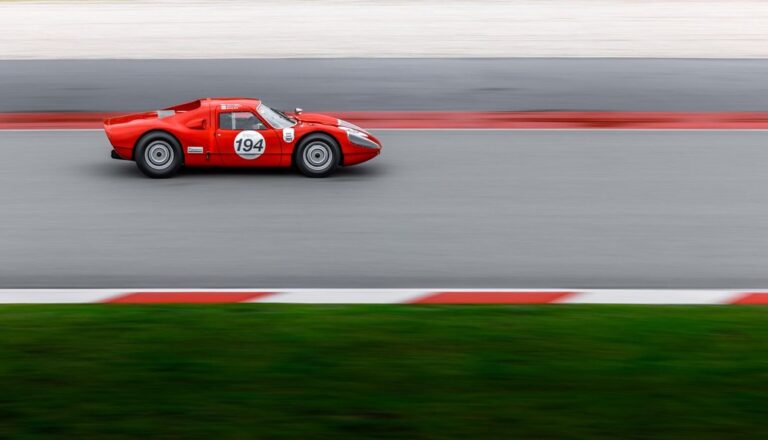
- Jaguar achieved multiple endurance-racing successes in the 1950s, with the C‑Type and D‑Type among its notable competition cars.
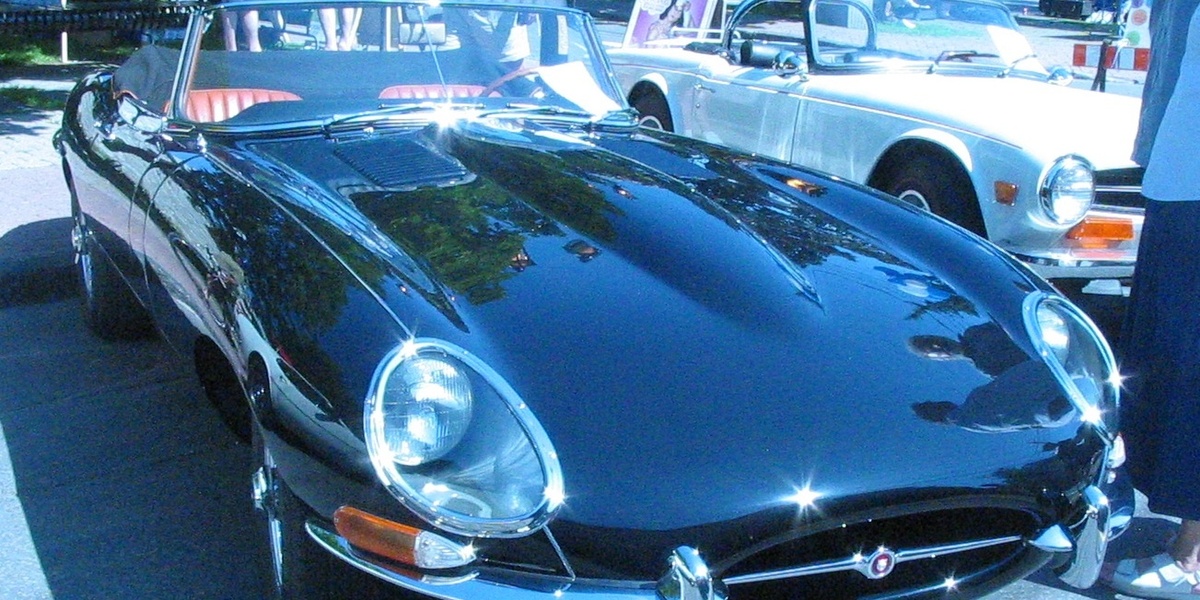
- The E‑Type, introduced in 1961, is celebrated for its aerodynamic styling and early models offered top speeds approaching 150 mph.
- Jaguar launched its first production battery‑electric vehicle, the I‑Pace, with initial deliveries beginning in 2018.
- Since 2008, Jaguar and Land Rover have operated together as a Tata Motors‑owned group, combining luxury and utility vehicle portfolios.

Marco Delantero
More from Marco DelanteroHow we reviewed this article
This article was researched against manufacturer records and editorially reviewed before publishing. We accept no payment for coverage. Some guides contain affiliate links; see our affiliate disclosure.