Every “history of Indian Motorcycle” piece treats the 2010s as a paragraph — a quick nod to the Polaris buyout before jumping to whatever model just came out. That undersells it. This is the decade Indian went from a low-volume boutique brand assembled in a converted textile town to a real competitor to Harley-Davidson, and it happened in roughly six years of relentless engineering resets. If you’re trying to make sense of a used listing — is this a “real” Indian or one of the old ones, does it have the belt drive, why does one Chief look nothing like another — the year it was built tells you almost everything.
Table of Contents
- 2010–2011: The Last Kings Mountain Chiefs
- 2011: Polaris Buys the Brand and Moves It to Iowa
- 2012: The Silent Year
- 2013: The Thunder Stroke 111 Relaunch
- 2014: The Lineup Fills Out
- 2015: The Scout Comes Back, Liquid-Cooled
- 2016: Springfield, Scout Sixty, and a Touchscreen Teaser
- 2017: Ride Command Ships, the Wrecking Crew Returns
- 2018: Scout Bobber and Back-to-Back Championships
- 2019: The FTR 1200 Turns a Race Bike Into a Streetfighter
- Buying a 2010s Indian Used: What Matters by Year
- Where That Leaves the Decade
2010–2011: The Last Kings Mountain Chiefs
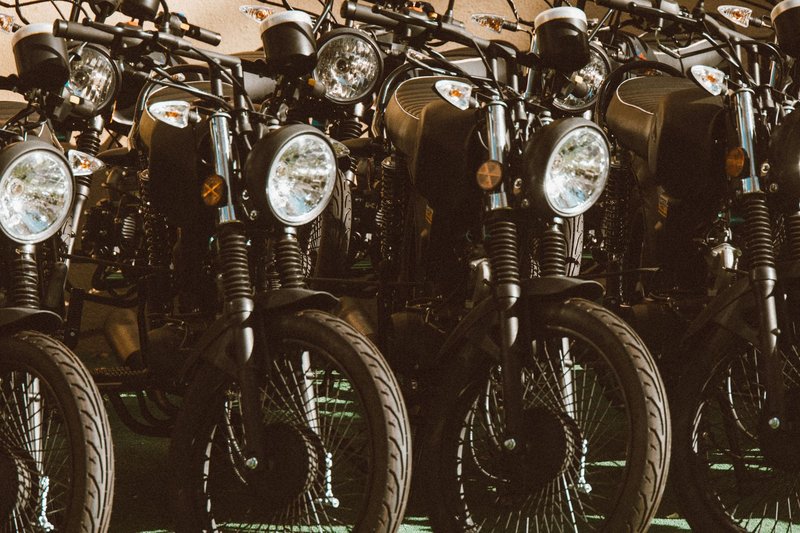
Before Polaris, there was Kings Mountain, North Carolina — a small assembly operation run by Indian Motorcycle Company of America under British private equity firm Stellican, which had bought the dormant Indian name in 2006. The bikes built there between 2009 and 2011, including the 2010 Chief Dark Horse and Chief Bomber, ran a fuel-injected 105-cubic-inch PowerPlus V-twin, a six-speed Baker transmission, and Brembo brakes — hand-assembled in small numbers, priced well north of $30,000, and built for collectors rather than commuters.
Total Kings Mountain production across the whole run landed around 1,100 units. That scarcity is exactly why these bikes get lumped into “2010s Indian” searches at all — riders trying to date a specific VIN, or figure out if the one they’re looking at is a genuine pre-Polaris Chief, tend to land here first. It’s also worth being precise about the lineage: these were not Gilroy, California bikes (that earlier revival ended in bankruptcy back in 2003) — they were Kings Mountain bikes, and the distinction matters to anyone pricing one.
2011: Polaris Buys the Brand and Moves It to Iowa
Polaris Industries — the Minnesota company already building Victory motorcycles, snowmobiles, and ATVs — announced the acquisition on April 19, 2011, paying roughly $28 million in cash according to its own SEC filing. Production shifted almost immediately to Victory’s existing plant in Spirit Lake, Iowa, while Polaris quietly kept a handful of Kings Mountain-spec Chiefs in limited production through 2013 to bridge the gap.
This is the pivot point of the whole decade. Polaris didn’t buy Indian to keep making $35,000 boutique cruisers in small batches — it bought the name, the 1901 birth year, and the right to compete directly with Harley-Davidson at real volume. Everything from 2013 onward is Polaris building that plan out, engine by engine.
2012: The Silent Year
Indian released essentially nothing new to the public in 2012. That silence was deliberate: Polaris engineers were designing an entirely new engine platform from a blank sheet, not adapting anything from the Victory parts bin. If you’re building a year-by-year collection or timeline and wonder why 2012 has a gap, this is why — the company was heads-down on what would become the Thunder Stroke 111.
2013: The Thunder Stroke 111 Relaunch
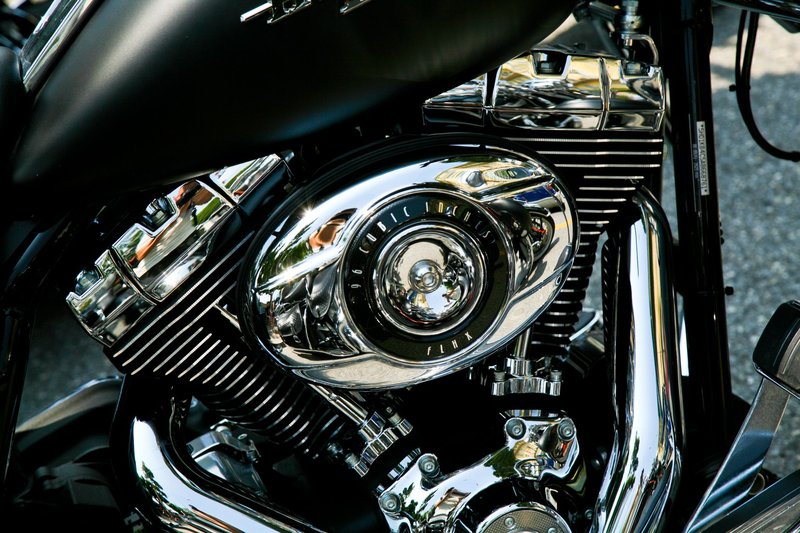
August 2013 is when modern Indian actually starts. The company unveiled the Thunder Stroke 111, a clean-sheet, air-cooled 49-degree V-twin displacing 111 cubic inches (1,811cc), styled to look like a vintage flathead but running throttle-by-wire, sequential port fuel injection, and a six-speed overdrive gearbox with a carbon-fiber-reinforced belt final drive. It made a claimed 115 lb-ft of torque at a lazy 5,500 rpm redline — a number tuned for roll-on grunt, not top-end drama.
The engine launched in three 2014-model-year bikes revealed the same week: the Chief Classic, Chief Vintage, and Chieftain.
| Model | Price at launch | Notable spec |
|---|---|---|
| Chief Classic | $18,999 | ABS, keyless ignition, no windshield/bags |
| Chief Vintage | $20,999 | Leather saddlebags, quick-release windshield |
| Chieftain | $22,999 | Full fairing, hard bags, cruise control |
For the first time since the brand’s original collapse in 1953, Indian had a bike it could sell at Harley-comparable volume with a warranty a normal buyer would trust.
2014: The Lineup Fills Out
With the Thunder Stroke platform proven, 2014 was a consolidation year — trim refinements, more color options, and dealer network expansion rather than new engineering. This is the year Indian dealerships actually started appearing in numbers a shopper could reasonably drive to, which matters more to the brand’s trajectory than it sounds: a comeback engine means nothing if nobody can service it.
2015: The Scout Comes Back, Liquid-Cooled
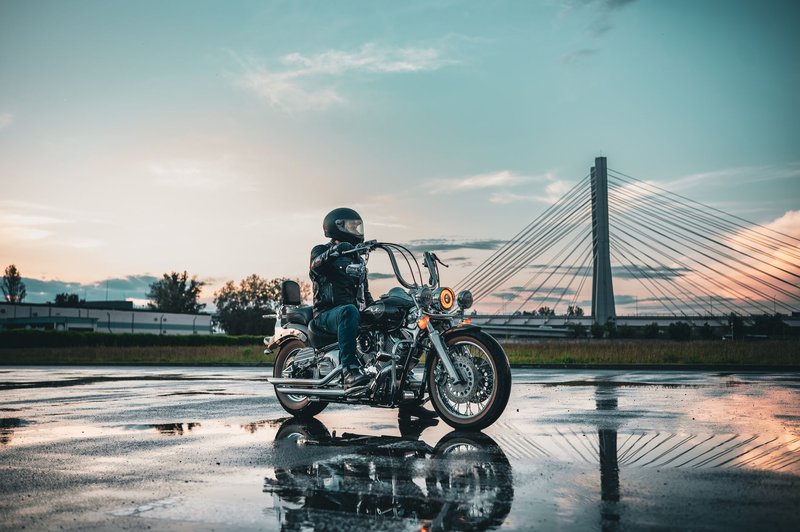
This is arguably the more important engineering milestone of the decade, even though the Chief relaunch gets more attention. The 2015 Scout brought back a name Indian hadn’t used on a mainstream model in decades, and it did it with a completely in-house, liquid-cooled 69-cubic-inch V-twin — Indian’s first liquid-cooled production engine ever.
| Spec | 2015 Indian Scout |
|---|---|
| Engine | 69ci (1,133cc) liquid-cooled V-twin, DOHC, 4 valves/cylinder |
| Power | 100 hp claimed |
| Torque | 72 lb-ft @ 5,900 rpm |
| Transmission | 6-speed, belt final drive |
| Launch price | $10,999 |
At just under $11,000, the Scout undercut comparable Harley-Davidson mid-size cruisers and gave Indian a bike that actually appealed to riders who weren’t already committed to the vintage-cruiser aesthetic. It’s also, mechanically, the bike that set up everything from the Scout Sixty to the FTR platform four years later — the DOHC liquid-cooled architecture became the basis for a lot of what came next.
2016: Springfield, Scout Sixty, and a Touchscreen Teaser
Two things happened in 2016. First, the Springfield arrived as a genuine two-in-one bike — Chief Vintage looks with quick-release hard saddlebags and windshield borrowed from the Chieftain, so a rider could run it as a full tourer or strip it to a bare cruiser in about fifteen minutes without tools. Second, the entry-level Scout Sixty launched with a smaller-displacement, carbureted-feeling-but-fuel-injected version of the Scout engine, aimed squarely at new riders and budget buyers.
Indian also previewed its Ride Command touchscreen system in August 2016, ahead of it actually shipping on 2017 models — a 7-inch, glove-capable, pinch-to-zoom display that was, at the time, the largest infotainment screen in the motorcycle industry.
2017: Ride Command Ships, the Wrecking Crew Returns
Ride Command landed standard on the 2017 Chieftain and Roadmaster, closing the tech gap with Harley’s Boom! Box GPS system that had embarrassed Indian’s touring lineup for a few years. But the bigger 2017 story happened on dirt, not tarmac: Indian’s factory-built FTR750 flat-track racer, revealed in November 2016, won the American Flat Track Twins championship in its first full season — the first time an Indian factory team had won a national flat-track title in over sixty years, reviving the “Wrecking Crew” name from Indian’s 1950s racing dominance.
2018: Scout Bobber and Back-to-Back Championships
The FTR750 repeated as AFT Twins champion in 2018, cementing that this wasn’t a one-off upset. On the street side, Indian introduced the Scout Bobber — stripped-down, blacked-out, low-rise bars, no windshield — squarely chasing the same customer Harley’s Street Bob had owned for years, plus the Chieftain Elite, a limited, higher-trim touring flagship. By this point Indian had a genuinely complete lineup: entry cruiser, mid-size, full cruiser, bagger, and full tourer, something it hadn’t had since before its original 1953 shutdown.
2019: The FTR 1200 Turns a Race Bike Into a Streetfighter
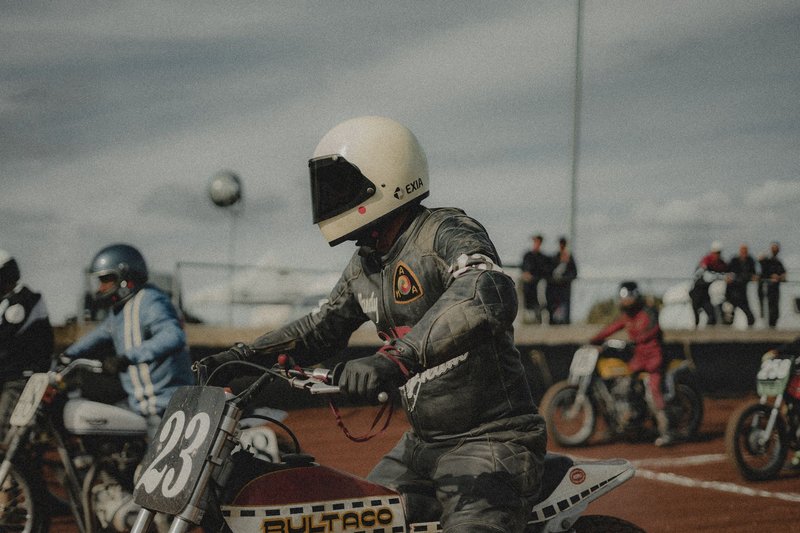
The FTR 1200, launched for the 2019 model year after debuting as a concept at EICMA in 2017, is the clearest example of a race program actually reshaping a company’s road lineup rather than just generating marketing photos. It borrowed the flat-tracker’s silhouette and stance from the championship-winning FTR750, but scaled the engine up to a liquid-cooled 1,203cc V-twin making a claimed 123 hp — a completely different animal from anything else Indian sold, aimed at riders cross-shopping Ducati Scramblers and Triumph Street Twins rather than Harley Softails.
It closed the decade by proving Polaris’s original bet: that Indian could be more than a nostalgia brand chasing one demographic, and could build something a 30-year-old first-time buyer would actually want.
Buying a 2010s Indian Used: What Matters by Year
If you’re shopping a used 2010s Indian rather than just reading about one, the model year changes what you should actually check:
- 2010–2013 Kings Mountain Chiefs: Rare, collector-priced, and mechanically unrelated to every later Indian. Parts support is thin because Polaris never inherited the PowerPlus 105 parts pipeline — budget for specialist service, not a Polaris/Indian dealership.
- 2014–2015 Thunder Stroke Chiefs: The earliest Thunder Stroke bikes had some documented recalls and dealer service bulletins around clutch and charging-system issues as Polaris worked out first-year kinks. Ask for service records, not just mileage.
- 2015–2016 Scouts: The liquid-cooled engine is generally solid, but check the coolant system and radiator for stone damage — it’s a lower, more exposed cooling setup than the air-cooled Chiefs.
- 2017+ touring models (Chieftain, Roadmaster): Ride Command units occasionally need a firmware update out of the factory; if the screen is sluggish or won’t pair, it’s usually a five-minute dealer fix, not a hardware fault.
- 2018–2019 FTR/Scout Bobber: Youngest of the decade, least likely to have deferred maintenance — the main thing to verify is whether aftermarket exhaust or ECU tunes were installed, since both were common on these two models specifically.
Where That Leaves the Decade
Indian entered the 2010s as a low-volume curiosity built in a converted North Carolina mill town and left it as a full-lineup competitor building its own engines, winning national flat-track titles, and fielding a streetfighter descended directly from its race bike. The Thunder Stroke 111 and the liquid-cooled Scout did the heavy lifting — one rebuilt the brand’s identity, the other proved Indian could engineer something genuinely new instead of just restyling the past. Everything the company has released since 2019 traces back to one of those two platforms.

Sarah Thornton
More from Sarah ThorntonHow we reviewed this article
This article was researched against manufacturer records and editorially reviewed before publishing. We accept no payment for coverage. Some guides contain affiliate links; see our affiliate disclosure.