Table of Contents
- TLDR
- Why Nissan Dominates JDM Culture
- Nissan Skyline GT-R (R32, R33, R34)
- Nissan Silvia S13, S14, S15
- Nissan 180SX
- Nissan Fairlady Z (S30 to Z34)
- The Pike Cars: Figaro, Pao, Be-1, S-Cargo
- Importing a Nissan JDM Car to the US
- Which One Should a First-Time Importer Buy?
- FAQ
TLDR
If you only remember three names, make them Skyline GT-R, Silvia, and Fairlady Z — the trio that built Nissan’s entire JDM reputation. The R32 GT-R is the best value entry point into Godzilla ownership, sitting in the high-$20,000 to mid-$30,000 range while the R34 has rocketed past six figures. The S13 and S14 Silvia are the smartest first import for someone who actually wants to drive and modify the car rather than store it. And as of January 2026, every JDM car built through 2001 — including the S15 Silvia and the EP3-era hot hatches — cleared the US 25-year import threshold, so the window on “wait, is that legal yet” keeps shrinking every January 1.
Why Nissan Dominates JDM Culture
Toyota built the Supra. Mazda built the RX-7. Honda built the NSX. But Nissan built an entire ecosystem — a motorsport program, a tuning subculture, and a design lab that had nothing to do with performance at all. That’s the thing people miss about “Nissan JDM cars” as a category: it’s not just Skylines. It’s the same company that engineered the RB26DETT twin-turbo straight-six also greenlit a car shaped like a snail.
That range is why Nissan’s JDM catalog rewards digging past the poster-car names. The Skyline GT-R gets the magazine covers. The Pike cars get the Instagram double-takes. The Silvia and 180SX get the drift-track respect. Together they cover almost every reason someone gets into Japanese cars in the first place.
Nissan Skyline GT-R (R32, R33, R34)
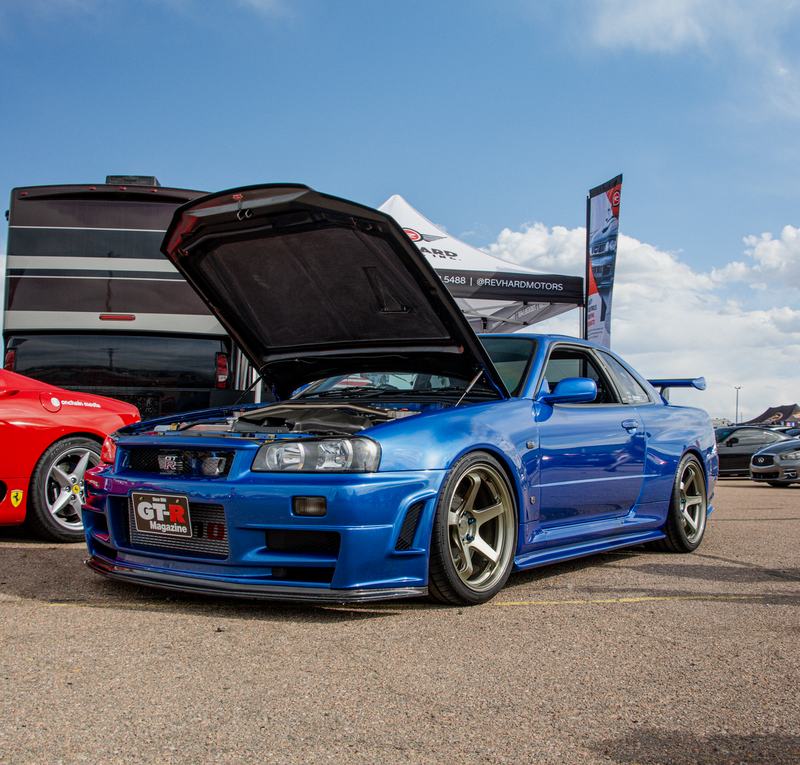
The R32 GT-R showed up in 1989 and won so consistently in Group A touring car racing — including a run of victories in the Australian Touring Car Championship — that the Australian press started calling it Godzilla. The name stuck to the whole lineage. Under the hood was the RB26DETT, a 2.6-liter twin-turbo inline-six officially rated at 276 horsepower, a number every enthusiast knows was a polite fiction under Japan’s gentleman’s agreement power cap.
The R33 (1995–1998) grew heavier and less loved at launch, but it holds the Nürburgring lap record claim for a production car under 8 minutes at the time, and its ATTESA E-TS Pro all-wheel-drive system was the most refined of the three generations. The R34 (1999–2002) is the one Paul Walker drove in 2 Fast 2 Furious, and it’s the one prices have gone vertical for.
On current money: R32 GT-R base models average around $47,000, with plenty of clean examples still available in the high-$20,000s to mid-$30,000s. The R34 has become a different animal entirely — average recorded sale prices now sit near six figures, with pristine V-Spec and Nür examples clearing well past that. If budget matters more than bragging rights, the R32 is still the rational buy.
Nissan Silvia S13, S14, S15
The Silvia is Nissan’s answer to “what if a coupe was built specifically to be thrown sideways.” The S13 (1988–1993) launched with the CA18DET four-cylinder before Nissan swapped in the SR20DE/DET in 1991 — that later SR20-powered “K’s” spec is the one drift builders actually hunt for. It won Japan’s Car of the Year award the year it launched, which tells you Nissan wasn’t just building a track toy; it was building a genuinely good coupe that happened to also be a track toy.
The S14 (1993–1998) went lower, wider, and more planted, trading some of the S13’s tossable character for real high-speed stability. The S15 (1999–2002) is the one people wanted all along and the one that took the longest to become import-legal in the US — Nissan gave it a stronger SR20DET with bigger injectors and Japan-only availability, meaning almost none reached American shores new.
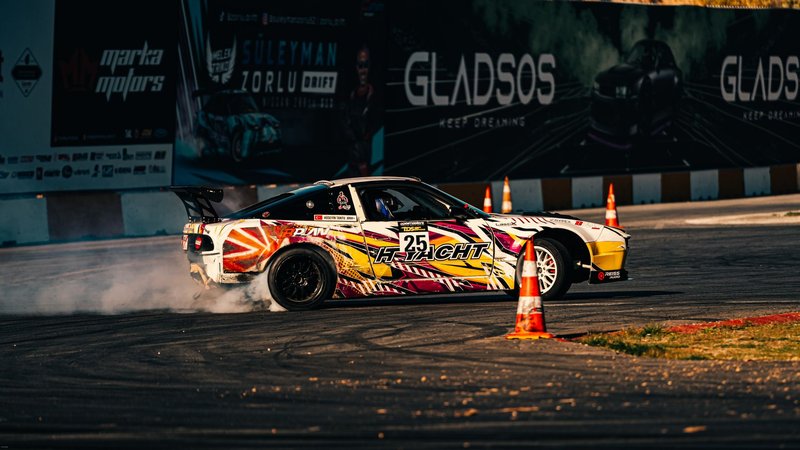
Specs worth knowing on a well-kept S15 Spec R: roughly 250 horsepower from the factory SR20DET, a six-speed manual, and a curb weight under 2,800 pounds — numbers that still hold up against plenty of modern hot hatches.
Nissan 180SX
The 180SX is the Silvia’s hatchback sibling for the S13 generation, sold with pop-up headlights and no direct S14-era successor — Nissan simply let the 180SX keep running until 1998 after the Silvia moved on. It’s the platform behind the Sileighty, a low-volume 1998 mashup that welded a Silvia front clip onto a 180SX body, built by tuner Kid’s Heart and, oddly enough, sold through actual Nissan dealerships in about 500 units.
If you’re shopping the S-chassis family specifically for drifting rather than collecting, the 180SX tends to trade for less than an equivalent Silvia simply because the styling is less iconic — which makes it one of the better values in the whole JDM Nissan lineup right now.
Nissan Fairlady Z (S30 to Z34)
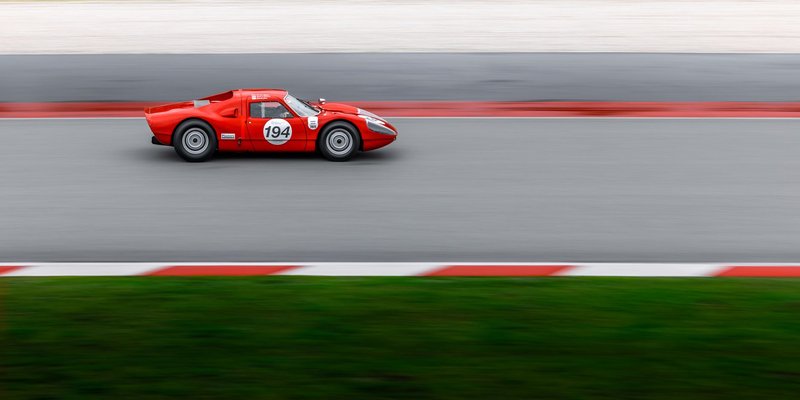
Fairlady Z is what Nissan called the Z-car at home; everywhere else it wore the 240Z, 280Z, 300ZX, 350Z, or 370Z badge depending on the decade. The S30 (1969–1978) is the one that matters historically — it undercut European sports cars on price while matching a lot of their performance, and it’s the car that made Datsun (Nissan’s export brand at the time) a household name in America. The broader Datsun story shaped an era of affordable sports cars.
The Z32-generation 300ZX (1989–2000) is the JDM cult favorite: twin-turbo VG30DETT V6, pop-up headlights, and a shape that still looks contemporary next to cars built two decades later. It never got the Skyline’s motorsport mythology, but it was arguably the more complete daily sports car — better ride quality, a proper cabin, and real usability alongside the performance.
The Pike Cars: Figaro, Pao, Be-1, S-Cargo
This is the part of Nissan’s JDM catalog that has nothing to do with lap times, and it’s exactly why it belongs on this list. In the mid-1980s, Nissan’s “Pike Factory” special projects group started building retro-styled microcars in strictly limited runs, sold mostly through lottery because demand kept outpacing production.
The Be-1 (1987) came first, riding on Nissan March/Micra underpinnings and capped at 10,000 units — Nissan got so many pre-orders it had to run a lottery just to allocate them. The Pao (1989–1991) followed with a canvas sunroof option and a bump to 50,000 units, which still sold out in three months. The Figaro (1991) is the most famous of the four: a droptop with a “Back to the Future” marketing tagline, right-hand drive only, and just 20,073 units built in a single production year. The S-Cargo (1989) is the strangest of the bunch — a snail-shaped delivery van (the name is a pun on escargot) with a 48-inch domed cargo hold.
Current market prices: clean Figaros run from just under $10,000 up to nearly $20,000 depending on mileage, while Pao and S-Cargo examples typically land in the $8,000–$16,000 range. That makes the Pike cars, oddly, some of the most affordable genuine JDM classics you can import — cheaper than an R32 GT-R and arguably rarer.
Importing a Nissan JDM Car to the US
The rule that governs all of this is 49 CFR § 591.5(i): any vehicle never sold new in the US becomes exempt from Federal Motor Vehicle Safety Standards once it turns 25 years old, based on the manufacture date on the door-jamb plate — not the model year. Every January 1st unlocks a new slice of cars. The 2026 import window now covers vehicles built through 2001, which finally puts the S15 Silvia within reach for private import.
According to NHTSA’s Registered Importer program guidance, vehicles qualifying under the 25-year exemption skip the compliance and certification process that trips up newer gray-market imports, but you’ll still need to handle EPA emissions paperwork, state title and registration rules (California and a handful of others impose extra emissions hurdles even on exempt vehicles), and DOT/CBP entry documentation at the port. Budget beyond the sticker price, too: ocean freight typically runs $1,000–$1,500 per vehicle, and vehicles under the 25-year exemption fall under tariff code 9903.94.04, which sidesteps the 25% Section 232 tariff applied to newer imports and leaves you with the standard 2.5% duty on declared value.
The practical trap first-timers hit isn’t the law — it’s title-washing. Buy from a reputable Japan-based exporter with clean export certificate paperwork, or work with a US-based Registered Importer who’s done this before. A car with murky ownership history in Japan can stall at customs for weeks.
Which One Should a First-Time Importer Buy?
If this is your first JDM import, skip the Skyline GT-R. Parts are expensive, the RB26 is unforgiving of poor maintenance history, and R32/R33 prices have room to keep climbing, which makes a first-timer’s mistake costlier. An S13 or S14 Silvia is the better on-ramp: parts support is enormous thanks to the drift scene, the SR20DET is one of the most well-documented engines in the aftermarket, and purchase prices are still reasonable relative to what you get.
If you want something that turns heads without turning your bank account inside out, a Pao or S-Cargo does that job for less money than a lightly optioned modern compact — and nobody at a car meet has seen one in person.
FAQ
What are the best Nissan JDM cars? The Skyline GT-R (R32–R34) for performance pedigree, the Silvia S13–S15 for drift culture and aftermarket support, the Fairlady Z (S30, Z32) for daily-usable sports car character, and the Pike cars (Figaro, Pao, Be-1, S-Cargo) for pure design novelty.
Which Nissan JDMs are legal to import in 2026? Anything manufactured through 2001, based on the door-jamb build date. That covers the R32 and R33 GT-R fully, the R34 GT-R (1999–2002, so only early build dates qualify), the full S13/S14 Silvia and 180SX runs, the S15 Silvia’s earliest 2001 builds, and every Pike car.
Is the R34 GT-R fully import-legal yet? Not entirely — only R34s manufactured in 1999–2001 currently clear the 25-year threshold. Cars built in 2002 will become eligible in 2027.
Are JDM imports reliable daily drivers? The Fairlady Z and Silvia platforms hold up well with routine maintenance; the RB26 in the Skyline GT-R is more finicky and best suited to an enthusiast willing to budget for upkeep rather than a primary commuter car.
Sources:
- The US 25-Year Car Import Rule — JDMBUYSELL
- JDM US Import Eligibility Calendar 2026 — JDMBUYSELL
- Nissan Skyline GT-R Market — CLASSIC.COM
- Nissan Skyline R32 GT-R Prices Have Plateaued — TorqueNews
- Nissan Silvia — Wikipedia
- Nissan 180SX — Wikipedia
- Bubble cars: A brief history of the Nissan Pike Factory — Petrolblog
- Nissan Figaro — Wikipedia
- Nissan Pao — Wikipedia

Marco Delantero
More from Marco DelanteroHow we reviewed this article
This article was researched against manufacturer records and editorially reviewed before publishing. We accept no payment for coverage. Some guides contain affiliate links; see our affiliate disclosure.