TLDR
1999 was the best sales year the US auto industry had ever had — 17 million units, a record that stood until the SUV boom of the mid-2000s. That volume bought a genuinely wild range of metal: the Corvette C5, the Honda S2000, the BMW M5 E39, and the Porsche 996 all landed the same year Toyota redesigned the Solara and Chevy gave the Silverado its first full overhaul in a decade. If you only remember three names from this list, make them the S2000, the E39 M5, and the Skyline GT-R R34 — the three most likely to be worth more than sticker price today.
Table of Contents
- Why 1999 Mattered
- Performance and Halo Cars
- Big Debuts and New Nameplates
- Everyday and Mainstream Models
- Halo Car Comparison
- What’s Actually Worth Collecting Now
- Buying One Today: What to Check
Why 1999 Mattered
The context matters here because it explains why so many of these cars exist at all. Unemployment sat at a 29-year low, the stock market was minting paper wealth, and gas was cheap enough that nobody thought twice about a V10. Manufacturers had money to spend on things that didn’t need to make sense on a balance sheet — a 450-horsepower Viper, a water-cooled 911, a two-seat Honda with a 9,000-rpm redline. None of those cars pencil out as smart business. They got built anyway.
There was also a regulatory undercurrent nobody was thinking about at the time. NHTSA had spent the preceding two years pushing manufacturers to “depower” first-generation airbags after they’d caused injuries to smaller occupants and kids — 1999 models were among the first broad wave built around the softer, second-generation systems. It’s a footnote now, but it’s part of why cars from this exact year drive and crash differently than the ones from five years earlier.
Performance and Halo Cars
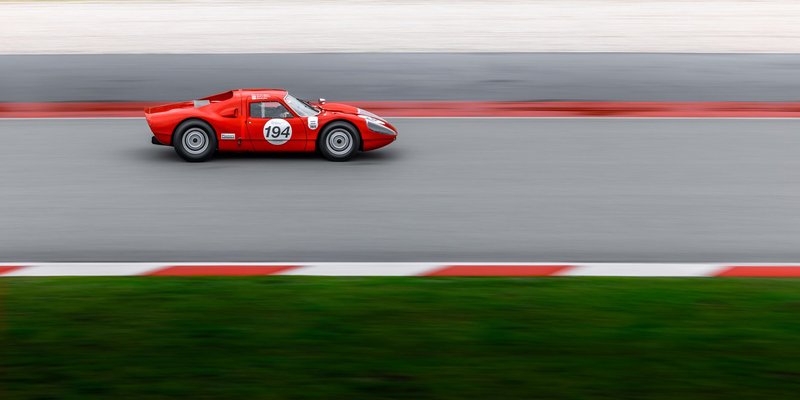
This is the category people actually mean when they say “1999 cars.” It’s stacked.
Chevrolet Corvette C5 — GM had scrapped the old small-block for something genuinely modern: the LS1, a 5.7-liter V8 making 345 horsepower and revving cleanly to 6,000 rpm. Hydroformed frame rails, a rear-mounted transaxle for 50/50 weight balance, 0-60 in under five seconds. The C5 is the car that made “American sports car” stop sounding like an apology.
Honda S2000 — Launched in Japan for Honda’s 50th anniversary and landing in the US the same year, the S2000 paired a 2.0-liter four-cylinder VTEC engine with a 9,000-rpm redline — a specific-output figure (120 hp per liter, naturally aspirated) that no other production car has matched since without forced induction. 240 hp, a close-ratio six-speed, and steering that’s still the reference point enthusiasts compare everything else against.
BMW M5 (E39) — A 4.9-liter V8 making 400 horsepower, six-speed manual only, styled so restrained you’d mistake it for a company car until it left a Porsche behind at a stoplight. Car magazines at the time called it the best sedan in the world without much hedging, and twenty-five years later that reputation hasn’t really been challenged.
Porsche 911 Carrera (996) — The controversial one. Porsche moved to water-cooled flat-sixes for the first time, and enthusiasts howled about the “fried egg” headlights borrowed from the Boxster. The engineering underneath, though — a 3.4-liter flat-six making around 300 hp — was a real step forward, and 996s have quietly become the cheapest way into 911 ownership.
Dodge Viper GTS — An 8.0-liter V10 with 450 horsepower, no traction control, no anti-lock brakes on early cars, and side pipes that would leave a burn mark on your calf if you weren’t careful getting out. Subtlety was never the assignment.
Big Debuts and New Nameplates
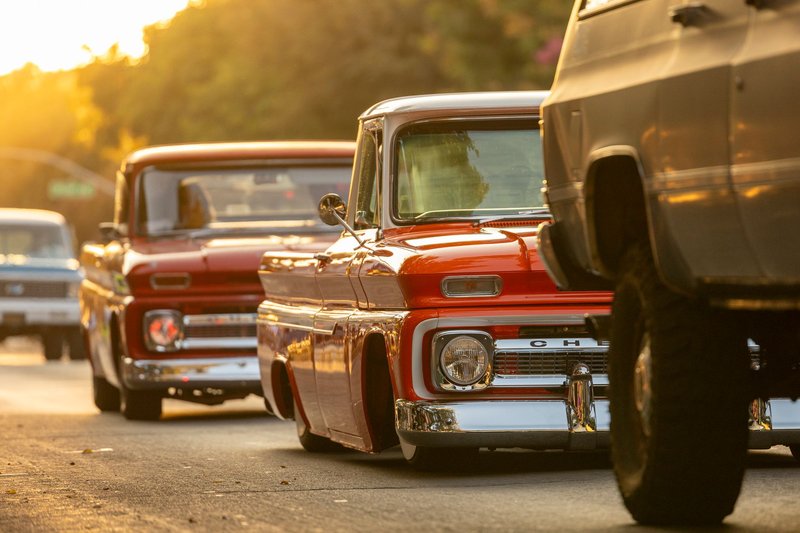
Some of 1999’s most important cars weren’t the fastest — they were the ones that opened a new chapter for their maker.
Ford F-150 SVT Lightning — Ford’s second-generation performance truck arrived with a supercharged 5.4-liter V8 making 360 horsepower, enough to run 0-60 in around 6.2 seconds and embarrass sports cars that should have known better. It proved a pickup truck could be a genuine muscle car, a template half the industry is still copying.
Nissan Skyline GT-R (R34) — Japan-only at launch, powered by the RB26DETT twin-turbo inline-six officially rated at 276 hp under Japan’s gentlemen’s agreement (real output was meaningfully higher). It didn’t legally exist in the US until the 25-year import rule caught up to it — which, as of this year, it finally has, and that’s driving a fresh wave of demand.
Pagani Zonda C12 — A tiny Italian company nobody had heard of unveiled a carbon-fiber supercar with a Mercedes-AMG 6.0-liter V12 making around 394 horsepower. It looked like nothing else on sale, cost more than a house, and quietly kicked off one of the most respected boutique supercar brands in the world.
Volkswagen New Beetle — Retro styling wrapped around a Golf platform, a flower vase on the dashboard, and a 2.0-liter four making a modest 115 hp. It wasn’t fast and nobody bought it for the numbers — it sold on nostalgia and succeeded well enough that “retro-futurism” became a genre other manufacturers chased for the next decade.
Everyday and Mainstream Models
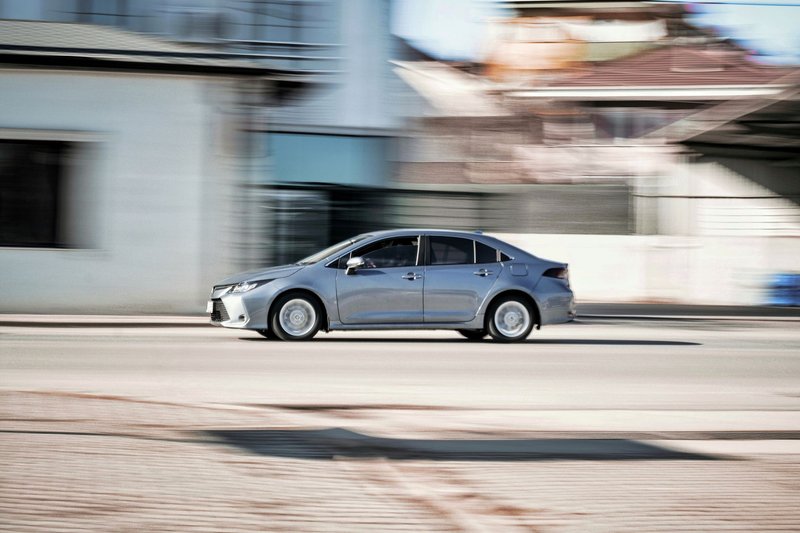
The halo cars get the magazine covers. These are the ones that were actually in driveways.
Chevrolet Silverado — GM’s full-size trucks got their first ground-up redesign since 1988, moving to the GMT800 platform. It’s the truck that established the modern Silverado’s shape and underpinnings for the next decade-plus.
Toyota Camry Solara — A two-door coupe built on the Camry platform, aimed squarely at buyers who wanted Camry reliability without the sedan’s anonymity. It never chased performance, and it didn’t need to — that was the point.
Ford Windstar — A minivan redesign that added a passenger-side sliding door as standard, a small feature that mattered enormously to anyone who’s ever wrestled a car seat across a parking lot.
Honda Accord and Toyota Corolla — Both continued mid-cycle in their generations, and both are a big part of why the 17-million-unit sales record happened at all. Nobody puts a stock Accord on a “best of 1999” poster, but it’s the car that was actually financing the halo cars above it.
Halo Car Comparison
| Model | Engine | Horsepower | 0-60 mph | Then | Now |
|---|---|---|---|---|---|
| Corvette C5 | 5.7L LS1 V8 | 345 hp | ~4.8s | Reinvented the platform | Strong, affordable entry into V8 ownership |
| Honda S2000 | 2.0L VTEC I4 | 240 hp | ~6.2s | Cult favorite, slow seller | Values climbing steadily, clean AP1s in demand |
| BMW M5 (E39) | 4.9L V8 | 400 hp | ~4.8s | Best sports sedan on sale | Widely considered the last “analog” M5 |
| Porsche 911 (996) | 3.4L flat-six | ~300 hp | ~5.2s | Divisive redesign | Cheapest real 911, values now rising |
| Dodge Viper GTS | 8.0L V10 | 450 hp | ~4.0s | Raw, unfiltered muscle | Solid appreciation, especially low-mile cars |
What’s Actually Worth Collecting Now
Twenty-five years puts 1999 squarely in classic-car territory in most states, and the values back it up in specific, uneven ways — not everything from this list has appreciated, and it’s worth being honest about which ones have.
The E39 M5 is the clearest case: enthusiasts widely treat it as the last M5 built before electronic nannies and turbochargers took over, and clean manual examples have moved from “used luxury sedan” money into genuine collector territory. The S2000 followed a similar arc — it was never a strong seller new, which means clean, unmodified examples are scarcer than production numbers suggest, and that scarcity is showing up in asking prices. The Viper GTS has held value well for the same reason people bought it in the first place: nothing else feels like it.
The 996-generation 911 is the interesting counterpoint. It’s appreciating too, but from a genuinely low floor — it was the least loved 911 generation for two decades, which makes it the cheapest way into air-cooled-adjacent Porsche ownership even though it isn’t air-cooled at all. Mainstream cars from the list — the Camry Solara, the Windstar, most Accords — haven’t appreciated and mostly won’t. They did their job and moved on, which is a fine thing for a car to do.
Buying One Today: What to Check
A 1999 car is at minimum 25 years old regardless of how well it was kept, and that changes what actually breaks.
Rubber and plastic fail before mechanicals do. Check fuel lines, vacuum lines, and interior trim on anything you’re considering — a low-mileage S2000 with a dried-out top and cracked dash isn’t actually the deal it looks like on paper. On the M5 and 996, ask specifically about cooling system work: both are known for age-related failures in plastic coolant components that have nothing to do with mileage and everything to do with time. On the Viper, check for accident history harder than you would on almost anything else on this list — it’s a car people drove hard with no safety net, and a lot of them have a story.
Parts availability is the other filter. Corvette and Silverado parts are everywhere and cheap. Zonda and grey-market Skyline parts are neither, and that gap is exactly why the ownership cost on a “1999 sports sedan money” GT-R doesn’t look anything like the purchase price.
None of that should scare you off. It should just tell you which of these cars are weekend toys and which ones are still, twenty-five years on, cars you could actually drive.

Daniela Voss
More from Daniela VossHow we reviewed this article
This article was researched against manufacturer records and editorially reviewed before publishing. We accept no payment for coverage. Some guides contain affiliate links; see our affiliate disclosure.