
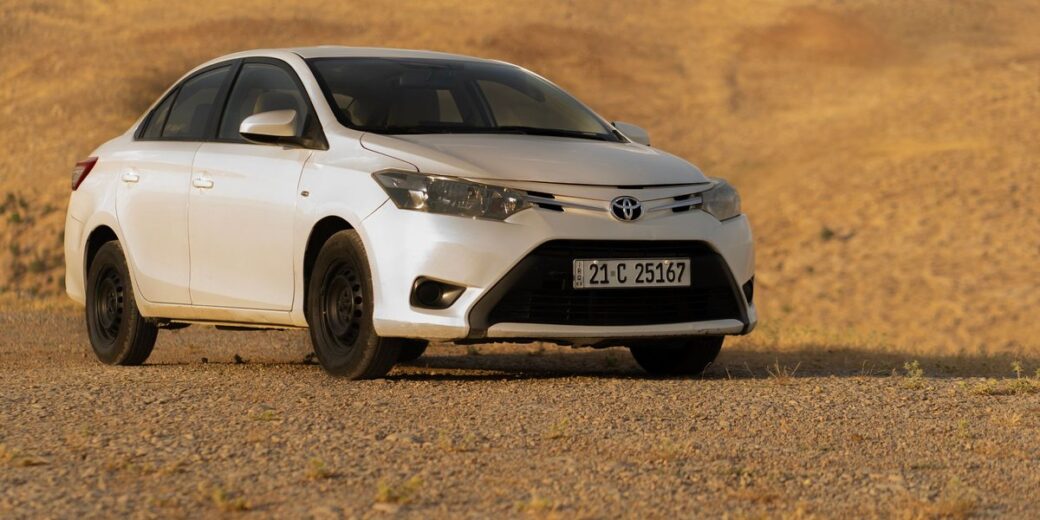
The 2014 Toyota lineup is one of the most useful model years to know cold if you’re shopping the used market right now. It sits at the sweet spot: old enough to be cheap, new enough to have backup cameras, Bluetooth, and the kind of reliability that made these cars sell in the first place. A 2014 Camry crossing 100,000 miles is barely getting started.
Most pages that list the 2014 models just dump a price grid on you — photo card, MSRP, “view inventory.” No context. So here’s the full lineup organized by body style, with what each one actually cost new, what it returns at the pump, and a straight answer on whether it’s worth buying a decade later.
Table of Contents
- What changed for 2014
- The quick verdict (best used buys)
- Sedans
- SUVs and crossovers
- Trucks
- Minivan
- Hybrids
- 2014 Toyota models and prices at a glance
- Buying a 2014 Toyota used: what to watch
What changed for 2014 {#what-changed-for-2014}
A few things made 2014 a notable year rather than a copy-paste of 2013.
The FJ Cruiser got its send-off. 2014 was the last model year Toyota sold it in the U.S., closing out a cult run that started in 2007. That alone reshaped the used market — a final-year FJ holds value better than almost anything else on this list.
The Prius Plug-in got a price cut, dropping the cost of entry into Toyota’s only plug-in hybrid of the era. The Tundra got a full redesign with a chunkier, more squared-off body and — finally — a standard backup camera across the lineup, which was still a selling point in 2014, not an assumption. The Corolla was also all-new, jumping to the eleventh generation with the longer, sleeker body and the Entune infotainment that made the older Corolla feel like a rental relic.
Everything else carried forward with minor trim shuffles. Stable, which is exactly what you want from a used-car target year. If you want to see how 2014 fits into the bigger picture, it’s worth zooming out to the full decade of Toyota models — the 2014 lineup is the midpoint where most of these nameplates hit their stride.
The quick verdict {#the-quick-verdict}
If you just want the bottom line on which 2014 Toyotas are the smart used buys:
- Best all-around value: 2014 Camry LE or SE. Boring, bulletproof, everywhere, cheap to fix.
- Best small car: 2014 Corolla — the redesigned one, so don’t accidentally buy leftover styling cues from the old gen.
- Best family SUV: 2014 Highlander (redesigned, third row) or RAV4 for two-row buyers.
- Best fuel sipper: 2014 Prius — still returns numbers most 2024 cars can’t touch.
- Best “buy it and keep it forever”: 2014 4Runner or Land Cruiser, if your budget stretches.
- Best collector angle: 2014 FJ Cruiser, the final year.
Now the full lineup.
Sedans {#sedans}
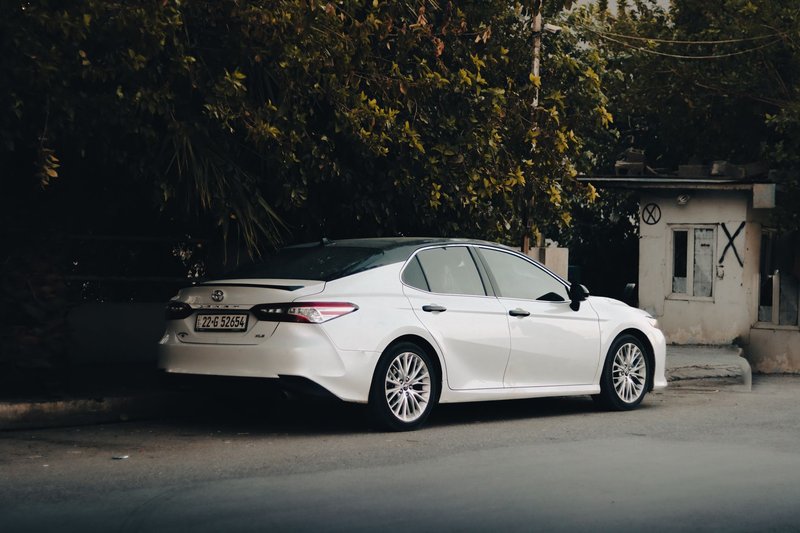
Toyota’s car bench in 2014 ran from the sub-$15K Yaris up to the near-luxury Avalon. Four cars, four very different jobs.
Yaris — Starting around $14,845. The cheap-and-cheerful subcompact hatchback, returning roughly 30 city / 36 highway mpg. Three- or five-door, manual or automatic. It’s not fast and the interior plastics are honest about the price, but it’s the kind of car that simply does not break. Who it’s for: a first car, a commuter beater, anyone who wants Toyota reliability for Kia money.
Corolla — Starting around $16,800. The all-new eleventh-gen compact, and the one that finally got interesting to look at. The LE Eco trim chased 30/42 mpg with the CVT. Roomier back seat than the outgoing model, standard Bluetooth, and the kind of resale value that makes used examples annoyingly pricey. Who it’s for: the default sensible-car buyer who wants newer styling than a 2013.
Camry — Starting around $22,425. The best-selling car in America that year, and for good reason. The four-cylinder returns about 25/35 mpg; there’s a punchy V6 if you want it, and a hybrid version (covered below). The SE trim adds a sport suspension and looks the part. Who it’s for: literally anyone who wants a no-drama midsize sedan that’ll run past 200,000 miles.
Avalon — Starting around $31,340. Toyota’s full-size flagship sedan, quiet and plush, with a roomy back seat that rivals cars costing a lot more. V6 power, around 21/31 mpg, available hybrid. Who it’s for: the buyer who wanted a Lexus ride without the Lexus badge or sticker.
SUVs and crossovers {#suvs-and-crossovers}
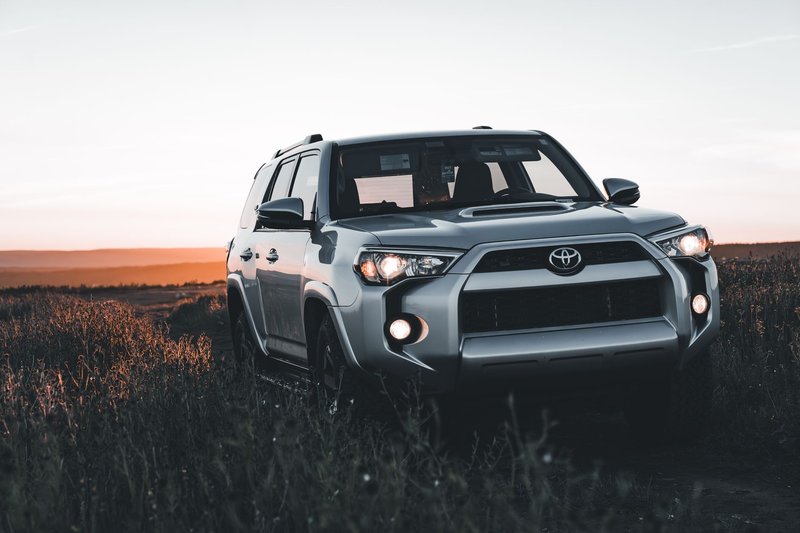
This is where 2014 gets deep. Toyota fielded everything from a compact crossover to a body-on-frame land yacht.
RAV4 — Starting around $23,300. The compact crossover, fresh off its 2013 redesign, so 2014 is a refined version of a known-good platform. If you’re cross-shopping the prior model year, our guide to cars made in 2013 breaks down where the redesign landed. Around 24/31 mpg, no more third-row option (Toyota dropped it), front- or all-wheel drive. Who it’s for: the single most popular used-SUV pick on this whole list — small families, commuters, snow-belt drivers.
Highlander — Starting around $29,215. All-new for 2014 and a genuine improvement: more usable third row, nicer cabin, that wide center console with the pass-through shelf people loved. V6 returns about 19/25 mpg; a hybrid version exists. Who it’s for: families who need three rows but don’t want a minivan.
4Runner — Starting around $32,820. The real off-roader of the bunch — body-on-frame, available locking rear diff and crawl control on the TRD models. Fuel economy is the price you pay (17/22 mpg), but it’s the Toyota people keep for 250,000 miles and tow trailers with. Who it’s for: overlanders, trailer-towers, anyone who actually leaves pavement.
FJ Cruiser — Starting around $27,680. The retro-styled, suicide-door off-roader in its final U.S. model year. Thirsty (17/21 mpg) and impractical, with rear visibility that’s frankly a hazard — but it’s become a modern collectible. Who it’s for: the enthusiast who wants a future classic that can still rock-crawl.
Sequoia — Starting around $43,000. The full-size, three-row, V8 SUV. It seats eight, tows over 7,000 pounds, and drinks fuel like it’s 2004 (13/17 mpg). Who it’s for: big families with a boat or a horse trailer.
Land Cruiser — Starting around $78,755. The top of the entire 2014 Toyota range. A 5.7-liter V8, permanent all-wheel drive, and a reputation for outliving its owners. Around 13/18 mpg. Who it’s for: the buyer who wanted the most over-engineered SUV money could buy and planned to drive it for 25 years. According to the EPA’s fuel economy database, the Land Cruiser’s thirst was the trade-off for genuine go-anywhere durability.
Trucks {#trucks}
Tacoma — Starting around $18,125. The midsize pickup that basically owns its segment on resale value. Four-cylinder or V6, regular/access/double cab, the off-road-ready TRD trims. Around 21/25 mpg with the four-cylinder. Who it’s for: tradespeople, weekend adventurers, anyone who’s noticed a clean used Tacoma costs almost what it did new.
Tundra — Starting around $26,200. Fully redesigned for 2014 with bolder styling and a standard backup camera across every trim. Available 5.7-liter V8, real towing capability, 13/18 mpg. Who it’s for: full-size truck buyers who valued Toyota durability over the latest tech. The IIHS crash-test records for the era show the redesigned Tundra carried solid structural ratings, which matters on a vehicle you’ll keep for a decade.
Minivan {#minivan}
Sienna — Starting around $26,920. The only minivan Toyota made, and the only one in America you could get with all-wheel drive. Seats seven or eight, V6 power, about 18/25 mpg. Who it’s for: families who need maximum space and the all-weather traction a crossover can’t match. As a used buy, the Sienna is quietly one of the best-kept secrets here — minivans depreciate hard, so you get a lot of reliable van for the money.
Hybrids {#hybrids}
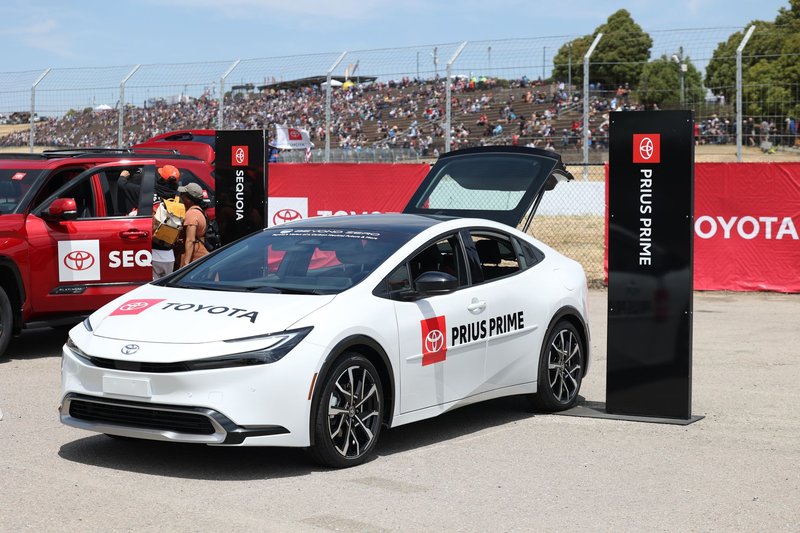
Toyota was the hybrid leader in 2014, and the Prius family alone gave you four distinct options. Toyota’s lead here wasn’t an accident — it consistently lands near the top of any ranking of the best hybrid car brands, thanks to the very reliability record these 2014 models helped build.
Prius — Starting around $24,200. The liftback that defined the category, returning an EPA-rated 51 city / 48 highway mpg — numbers that still embarrass most new cars. Who it’s for: high-mileage commuters who want to forget what a gas station looks like.
Prius c — Starting around $19,080. The smaller, cheaper subcompact hybrid hatch, rated around 53/46 mpg. Who it’s for: city drivers who want maximum mpg for minimum money.
Prius v — Starting around $26,750. The wagon-bodied Prius with real cargo room, trading a little efficiency (44/40 mpg) for space. Who it’s for: small families who want hybrid economy without giving up a usable trunk.
Prius Plug-in — Starting around $29,990 after its 2014 price cut. Added a larger battery for a short all-electric range before reverting to standard hybrid operation. Who it’s for: the early plug-in adopter with a short commute and a place to charge.
Beyond the Prius line, Toyota also sold hybrid versions of the Camry (~40 mpg combined), Avalon, and Highlander — so if you wanted a mainstream body with hybrid running gear, 2014 had you covered.
2014 Toyota models and prices at a glance {#prices-at-a-glance}
| Model | Body type | Starting MSRP (new) | Approx. MPG (city/hwy) |
|---|---|---|---|
| Yaris | Subcompact | $14,845 | 30/36 |
| Corolla | Compact sedan | $16,800 | 28/37 |
| Camry | Midsize sedan | $22,425 | 25/35 |
| Avalon | Full-size sedan | $31,340 | 21/31 |
| Prius c | Compact hybrid | $19,080 | 53/46 |
| Prius | Hybrid liftback | $24,200 | 51/48 |
| Prius v | Hybrid wagon | $26,750 | 44/40 |
| Prius Plug-in | Plug-in hybrid | $29,990 | 51/49* |
| RAV4 | Compact SUV | $23,300 | 24/31 |
| Highlander | Midsize SUV | $29,215 | 19/25 |
| 4Runner | Midsize SUV | $32,820 | 17/22 |
| FJ Cruiser | Off-road SUV | $27,680 | 17/21 |
| Sequoia | Full-size SUV | $43,000 | 13/17 |
| Land Cruiser | Full-size SUV | $78,755 | 13/18 |
| Tacoma | Midsize truck | $18,125 | 21/25 |
| Tundra | Full-size truck | $26,200 | 13/18 |
| Sienna | Minivan | $26,920 | 18/25 |
*Prius Plug-in MPG in hybrid mode; EV range rated separately. Prices are approximate base-trim MSRPs and varied by configuration.
Buying a 2014 Toyota used: what to watch {#buying-used}
A decade in, these cars are mostly past the point where surprises lurk — but a few model-specific notes are worth knowing before you sign anything.
The 2014 Corolla and Camry are the easy buys. Parts are everywhere, mechanics know them blind, and the CVT in the Corolla has aged better than most people feared. Check the maintenance records for transmission fluid service and you’re in good shape.
The RAV4 and Highlander crossovers from this era are reliable, but listen for the V6’s water pump and check the AWD system actually engages on a test drive. On the 4Runner, Sequoia, and Land Cruiser, frame rust is the thing — if the car lived in a salt state, get the underbody inspected. A clean-frame 4Runner is worth paying up for.
The Tacoma and Tundra hold value so well that a used one can feel overpriced. That’s not a scam; it’s the market pricing in their longevity. The trade-off is real: you pay more upfront but lose less when you sell.
The Prius family is the wild card. The original hybrid battery on a 2014 may be near end-of-life by now, and a replacement runs a few thousand dollars. Ask the seller whether it’s been replaced, and factor it in. A Prius with a fresh battery is a great car; one about to need one is a negotiation.
The smart-money picks across the whole lineup come down to value and longevity: a Camry or Corolla for daily reliability on a budget, a 4Runner or Tacoma if you can stretch for something that’ll outlast your next two phones, and a Prius if your annual mileage is high enough that the fuel savings actually move the needle. Whatever you land on, the 2014 model year is a good one to be shopping — Toyota had this lineup dialed in, and the cars have spent the last ten years proving it.

Marco Delantero
More from Marco DelanteroHow we reviewed this article
This article was researched against manufacturer records and editorially reviewed before publishing. We accept no payment for coverage.