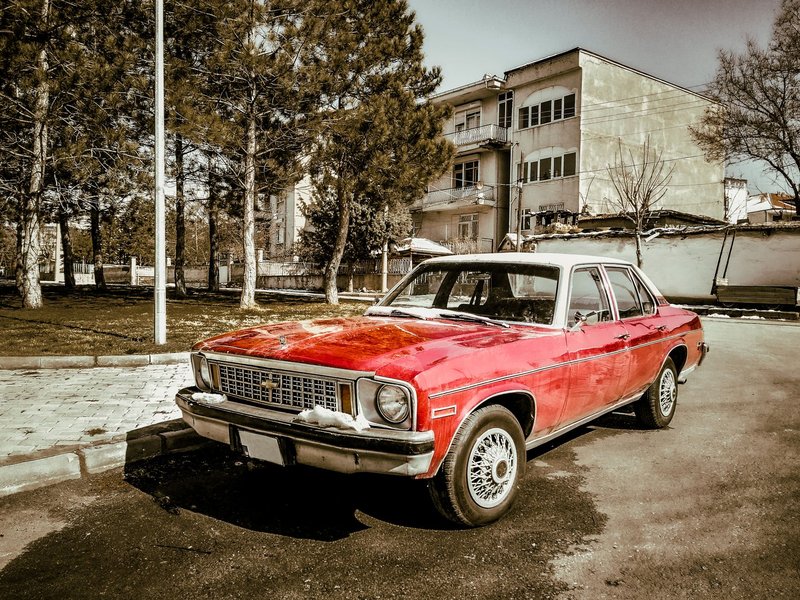
If you’ve been hunting for the full 1992 Chevrolet roster, you’ve probably landed on the same database pages everyone else has: an alphabetical wall of model names, half of them tagged “Not on File,” with no sense of what any of it meant. APV, Beretta, Corsica, Lumina. Names without context.
Here’s the context. 1992 was a quiet, transitional year for Chevrolet — the calm right before a big redesign wave hit in 1993 and 1994. The third-generation Camaro was winding down its final lap. The boxy GMT400 trucks were hitting their stride. And a few of these cars, dull as they looked on a dealer lot back then, have quietly become collector targets. This is the whole lineup, model by model, with the parts the spec sheets leave out.
Table of Contents
- The Quick-Scan Table
- What Was New for 1992
- Passenger Cars
- Trucks
- SUVs and Vans
- Which 1992 Chevys Are Collectible Now
- Buying One Today
The Quick-Scan Table
| Model | Body Style | Base Engine | Approx. Base MSRP |
|---|---|---|---|
| Cavalier | Coupe / Sedan / Wagon / Convertible | 2.2L I4 | $8,200 |
| Corsica | Sedan | 2.2L I4 / 3.1L V6 | $10,700 |
| Beretta | Coupe | 2.2L I4 / 3.1L V6 | $11,200 |
| Lumina | Sedan / Coupe | 3.1L V6 | $12,900 |
| Lumina APV | Minivan | 3.1L V6 | $14,900 |
| Camaro | Coupe / Convertible | 3.1L V6 / 5.0L V8 / 5.7L V8 | $12,300 |
| Caprice | Sedan / Wagon | 5.0L V8 / 5.7L V8 | $17,300 |
| Corvette | Coupe / Convertible | 5.7L V8 (LT1) | $33,600 |
| S-10 | Pickup | 2.5L I4 / 4.3L V6 | $9,000 |
| C/K 1500 | Pickup | 4.3L V6 / 5.0L V8 / 5.7L V8 | $13,000 |
| C/K 2500/3500 | Pickup | 5.7L V8 / 6.2L & 6.5L Diesel / 7.4L V8 | $15,500 |
| Blazer (S-10) | Compact SUV | 4.3L V6 | $16,000 |
| Blazer (full-size) | Full-size SUV | 5.7L V8 | $18,500 |
| Suburban | Full-size SUV | 5.7L V8 / 7.4L V8 / 6.2L Diesel | $18,800 |
| Astro | Minivan | 4.3L V6 | $13,500 |
| Lumina (passenger) van vs. APV | see above | — | — |
Prices are approximate base figures and climbed fast with trims and options. Now the stories.
What Was New for 1992
Not a lot, honestly — and that’s the point. 1992 sat between two major changes. The big one came under Corvette’s hood: the new LT1 small-block V8, a reverse-cooling 5.7L that jumped output to 300 horsepower from the previous year’s 250. That’s a 50-horse leap in a single model year, and it reset what people expected from a base Corvette.
Everything else was holding pattern. The Caprice had been radically reshaped into its rounded “whale” body for 1991, so 1992 just refined it. The Camaro was running out the clock on a platform that dated back to 1982; the all-new fourth-gen arrived for 1993. Trucks carried the GMT400 design GM introduced in 1988. So 1992 is best understood as the last clean look at GM’s late-’80s engineering before the ’90s redesigns landed. If you want the wider view, it helps to see how Chevy fit into the full 1992 car landscape, where nearly every automaker was sitting in the same pre-redesign pause.
Passenger Cars
Cavalier
The Cavalier was Chevy’s volume play — cheap, everywhere, and built in enormous numbers on the J-body platform. You could get it as a coupe, sedan, wagon, or convertible, with the base 2.2L four doing modest work. Nobody bought a Cavalier to be excited. They bought it because it was the most affordable new Chevrolet you could put in a driveway, and 1992 was near the end of this generation before the smoother 1995 redesign.
Corsica and Beretta
These two shared a platform (the L-body) and split the difference between the Cavalier and the Lumina. The Corsica was the practical four-door sedan; the Beretta was its sportier two-door sibling, and the Beretta GTZ trim with the Quad 4 engine was the one enthusiasts actually wanted. Both offered the 3.1L V6 as a step up from the base four. They sold well and got forgotten quickly, which is exactly why clean examples are nearly impossible to find now.
Lumina
The Lumina was the mid-size workhorse, sold as a sedan or coupe on the W-body platform. The 3.1L V6 was standard. The version worth remembering is the Lumina Z34, with a 3.4L DOHC V6 making 210 horsepower and a hood bulge to clear it — a genuinely quick coupe that’s largely vanished from roads. The regular Luminas were rental-fleet staples, which tells you how many survived.
Camaro
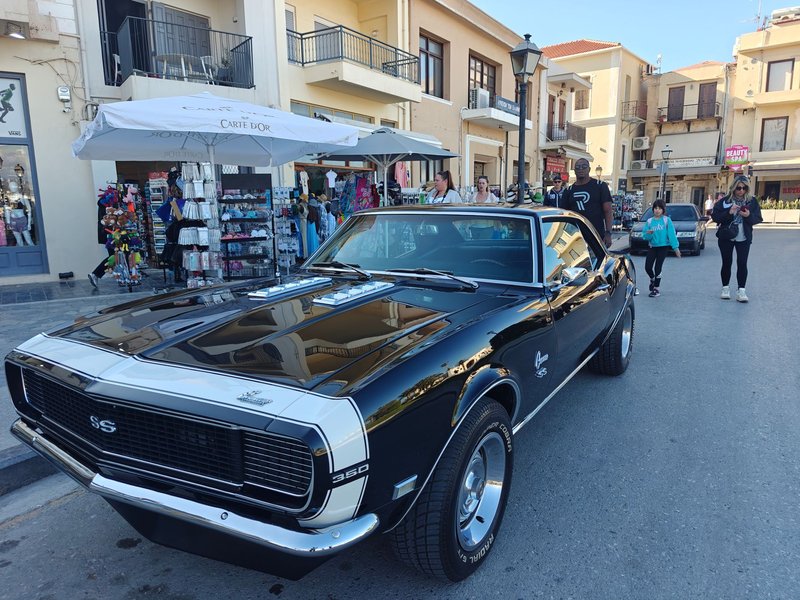
This is the sentimental one. 1992 was the final year of the third-generation Camaro, and Chevrolet marked it with a 25th Anniversary Heritage package — body stripes running over the hood and decklid that nodded to the original 1967 car. Engine choices ran from the 3.1L V6 up through the 5.0L and the 5.7L TPI V8 in the Z28 and RS. These late third-gens are mechanically simple, easy to work on, and increasingly sought-after precisely because the cleaner-driving fourth-gen replaced them right after. A well-kept 1992 Z28 is a smart classic-muscle entry point, and the same collectibility curve has already played out a few years earlier — the way the 1989 Chevrolet lineup has been revalued by what it’s worth now is a useful preview of where these 1992 cars are headed.
Caprice
The Caprice was the full-size sedan and wagon, riding GM’s B-body. The styling was love-it-or-hate-it — that rounded, whale-like shape — but underneath was a rugged rear-drive platform with available 5.7L V8 power. The wagons, with their massive cargo holds and rear-facing third row, are the cult favorites today. This generation also underpinned the police Caprice and, the following year, the Impala SS that turned the whole platform into an enthusiast object.
Corvette
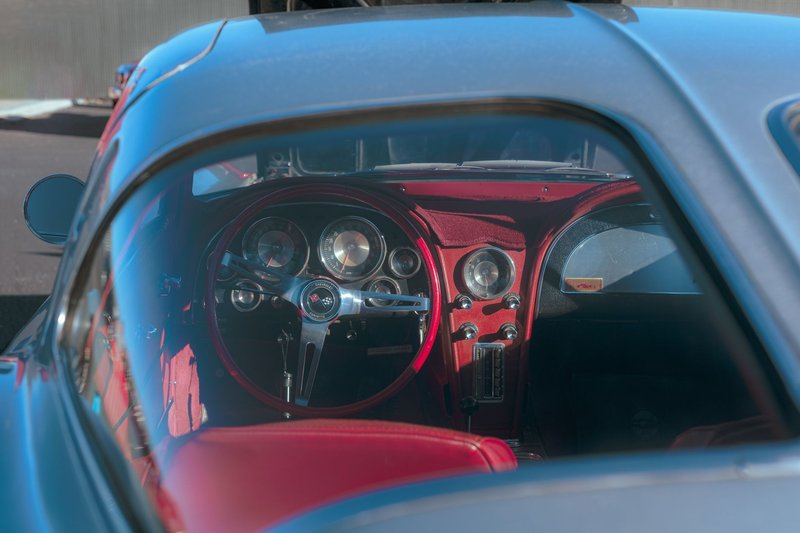
The headline car of the year. The C4 Corvette got the new LT1 V8 for 1992, pushing 300 horsepower and 330 lb-ft, and it came with Acceleration Slip Regulation — GM’s first traction control on the Corvette. This was also the year the one-millionth Corvette rolled off the line in Bowling Green, a white convertible that’s now part of the National Corvette Museum’s story. According to the National Corvette Museum, that milestone car was famously swallowed by a sinkhole in 2014 and later restored. The LT1 cars are the sweet spot of the C4 generation: modern enough to drive hard, old enough to stay affordable.
Trucks
S-10
The S-10 was the compact pickup, available in regular and extended cab with either the 2.5L four or the much-preferred 4.3L V6. It was the truck for people who didn’t need a full-size hauler — landscapers, weekend errand-runners, first-truck buyers. The 4.3L (essentially a small-block V8 minus two cylinders) gave it surprising pull for its size.
C/K 1500, 2500, and 3500
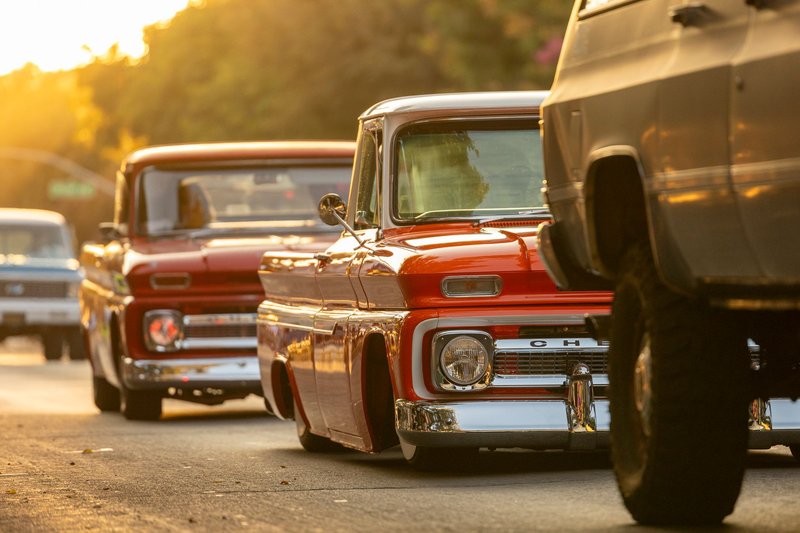
This is the GMT400 generation, the trucks that defined Chevy’s full-size lineup from 1988 to 1998. The C denoted two-wheel drive, the K four-wheel drive. The 1500 was the half-ton, the 2500 three-quarter-ton, the 3500 one-ton. Engine options sprawled: the 4.3L V6, 5.0L and 5.7L gas V8s, the 7.4L big-block for serious towing, and a diesel lineup that included the 6.2L and the newer 6.5L. These trucks are durable to the point of stubbornness, which is why so many are still working today. GM sold the same platform under its other badge too, and tracing what eventually happened to those parallel models — many of the GMC nameplates that got killed off shared this exact running gear — helps explain why C/K parts are still so easy to source. The half-ton short-bed K1500 is the one collectors and restomod builders chase. The U.S. Department of Energy’s fueleconomy.gov database still lists the full 1992 C/K engine and MPG breakdowns if you want exact numbers before buying.
SUVs and Vans
Blazer (Two of Them)
Here’s a point of confusion the database pages never clear up: in 1992, “Blazer” meant two completely different vehicles. The S-10 Blazer was the compact SUV built on the S-10 truck platform, with the 4.3L V6 — a direct rival to the Ford Explorer that had just exploded in popularity. The full-size Blazer (badged R/V Blazer that year, the K5 lineage) was the big two-door body-on-frame brute with a 5.7L V8. Different size, different buyer, same name. If a listing just says “1992 Blazer,” ask which one.
Suburban
The Suburban was the largest thing Chevy sold — a long-wheelbase, three-row, body-on-frame hauler that could swallow a family and tow a boat at the same time. It offered the 5.7L, the 7.4L big-block, and a diesel option, in both half-ton and three-quarter-ton ratings. The Suburban has the longest-running nameplate in American automotive history, and the early-’90s versions are still beloved by people who genuinely use them.
Astro
The Astro was the rear-drive midsize van, powered by the 4.3L V6 and available with all-wheel drive. Unlike the front-drive minivans of the era, the Astro was built like a small truck — which made it a favorite for cargo duty and people who needed real towing capacity out of a van. It split the difference between a minivan and a work vehicle and did both jobs adequately.
Lumina APV
The Lumina APV was Chevy’s front-drive minivan, and its dustbuster-shaped nose is the most recognizable thing about it. The steep, plastic-bodied wedge styling was polarizing then and is a nostalgia magnet now. It used the 3.1L V6 and competed against Chrysler’s dominant minivans. Practical? Yes. Pretty? That’s a personal decision.
Which 1992 Chevys Are Collectible Now
Not all of these are equal in a collector’s eyes. The clear standouts:
- Corvette (LT1) — the 300-hp jump and the millionth-Corvette year make these the most desirable 1992 Chevy. Still attainable compared to later C5s and C6s.
- Camaro Z28 / 25th Anniversary — final third-gen, simple to maintain, climbing steadily.
- Caprice wagon — the B-body wagon is a cult classic, especially clean low-mile examples.
- K1500 short-bed — the restomod and OBS (“old body style”) truck scene has made these genuinely valuable.
- Beretta GTZ / Lumina Z34 — sleeper picks; cheap now, rare in good condition, and the kind of car that gets appreciated only after they’re nearly gone.
The Cavaliers, Corsicas, and base Luminas are not collector cars and probably never will be. That’s fine — they did their job as affordable, reliable transportation, and a few well-loved survivors will always have an audience.
Buying One Today
The thing about 1992 Chevrolets is parts availability. Because GM built these platforms in the millions and shared engines across the lineup — that 4.3L V6 alone went into the S-10, Astro, Blazer, and C/K trucks — finding mechanical parts is easy and cheap. Body and interior trim for the lower-volume cars (Berettas, APVs) is where you’ll struggle.
Rust is the enemy on the trucks and SUVs, especially around the cab corners, rockers, and bed on anything that lived through northern winters. On the cars, the J-body and L-body interiors aged poorly, so a clean dashboard and unworn seats are worth paying up for. And for the Corvette, confirm you’re getting a true LT1 1992 car, not a leftover 1991 — the engine is the whole reason to buy this year.
The 1992 lineup wasn’t flashy. It was the workmanlike backbone of GM at the end of an era, and that’s exactly what makes it interesting now: simple, durable machines that you can still find, still fix, and in a few cases, actually want.

Tyler Bridges
More from Tyler BridgesHow we reviewed this article
This article was researched against manufacturer records and editorially reviewed before publishing. We accept no payment for coverage. Some guides contain affiliate links; see our affiliate disclosure.