The 1998 model year landed at an interesting moment for motorcycles. Japanese manufacturers were deep in a displacement war, European brands were producing some of the most desirable sport bikes ever built, and American cruisers were selling as fast as factories could make them. The result: one of the strongest single-year lineups in the history of the industry.
This isn’t a raw catalog dump. What follows is a curated look at the motorcycles from 1998 that actually mattered — the ones that won races, defined categories, or are still worth hunting down today.
Table of Contents
- What Made 1998 a Notable Year
- Notable 1998 Models at a Glance
- Sport Bikes
- Cruisers
- Touring and Adventure
- Off-Road and Dual-Sport
- The Ones That Got Away
What Made 1998 a Notable Year
A few threads run through the 1998 model year. First, the 600cc supersport class was hitting its stride — Yamaha, Honda, Kawasaki, and Suzuki were all producing 600s that could genuinely embarrass bigger bikes from just a few years earlier. Second, Ducati was at a creative peak: the 916 family was winning in WorldSBK while still looking like nothing else on the road. Third, the American V-twin cruiser market was booming, with every major brand chasing Harley-Davidson’s dominance with varying degrees of success.
On the technology front, fuel injection was starting to creep into high-end models, though carburetors still dominated. Radial tires were becoming standard on sport bikes. And a handful of manufacturers were experimenting with unconventional layouts — big singles, V-twins in sport bike frames, parallel twins in cruiser roles — before the market eventually re-sorted itself.
Notable 1998 Models at a Glance
| Make | Model | Engine | Type | Original MSRP (USD) |
|---|---|---|---|---|
| Ducati | 916 SPS | 996cc L-twin | Sport | ~$18,000 |
| Honda | Valkyrie (GL1500C) | 1520cc flat-six | Cruiser | ~$12,500 |
| Yamaha | VMAX 1200 | 1198cc V4 | Power Cruiser | ~$10,500 |
| Kawasaki | Ninja ZX-9R | 899cc inline-four | Sport | ~$9,999 |
| Suzuki | GSX-R750 | 749cc inline-four | Sport | ~$9,499 |
| Honda | CBR600F3 | 599cc inline-four | Sport | ~$7,499 |
| BMW | R1100GS | 1085cc boxer | Adventure | ~$11,500 |
| Triumph | Tiger 900 | 885cc inline-three | Adventure | ~$9,995 |
| Harley-Davidson | Road King | 1340cc V-twin | Touring | ~$14,085 |
| KTM | 620 Duke | 609cc single | Naked | ~$8,500 |
Sport Bikes
Ducati 916 SPS
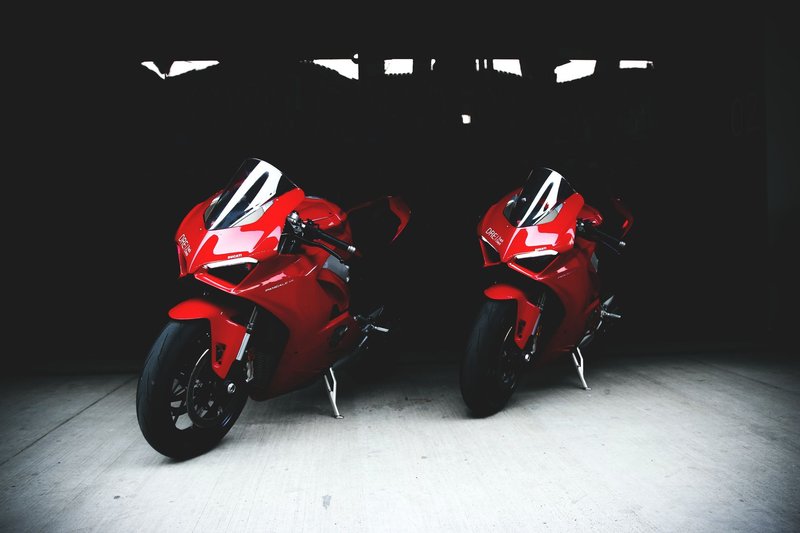
The 916 SPS was the road-going evolution of the bike Carl Fogarty rode to WorldSBK championships. The engine was bored to 996cc in the SPS spec — Ducati called it a 916, the capacity was not. It ran Weber-Marelli fuel injection, Öhlins suspension front and rear, and Marchesini wheels, all on that unmistakable Massimo Tamburini chassis. The underseat exhaust exits. The single-sided swingarm. The slit headlight that looked aggressive even standing still.
This is the one people mean when they say “1998 Ducati.” Current used values sit well above $20,000 for clean examples, and they keep climbing. That said, prospective buyers should be aware that some variants in this era come with ownership costs to match — the least reliable Ducati motorcycles tend to share design DNA with the very machines that made the brand famous.
Kawasaki Ninja ZX-9R
The ZX-9R occupied a strange and productive niche: too big to be a 600, too small to be a true open-class bike. Kawasaki leaned into that by tuning it for both top speed and tractable street manners. The 899cc engine produced around 143 horsepower, and the frame geometry was slightly more relaxed than the ZX-7R’s. Riders who found 750s limiting and open-class bikes exhausting on long rides found the 9R to be the answer. It’s underappreciated today partly because it never had a race pedigree to attach to.
Suzuki GSX-R750
The 1998 GSX-R750 is often cited as one of the best iterations of a model line that had seen real drift from its original concept. Earlier 1990s GSX-R750s had gotten heavy; Suzuki went back to basics with an aluminum frame, a revised fuel-injected engine producing around 120 horsepower, and a weight figure under 400 pounds. It remains one of the most collectible GSX-R variants from that decade according to vintage sport bike communities.
Honda CBR600F3
The F3 was the 600 to beat in 1998 — it had been since its 1995 introduction. Smooth, reliable, and just fast enough to make a new rider feel like they’d discovered something. The 599cc inline-four breathed through four flat-slide carburetors and made around 100 horsepower at the crank. It wasn’t the most exciting 600, but it was the most trustworthy, and Honda sold them in enormous numbers. Finding a clean one today is harder than it should be.
Cruisers
Honda Valkyrie (GL1500C)
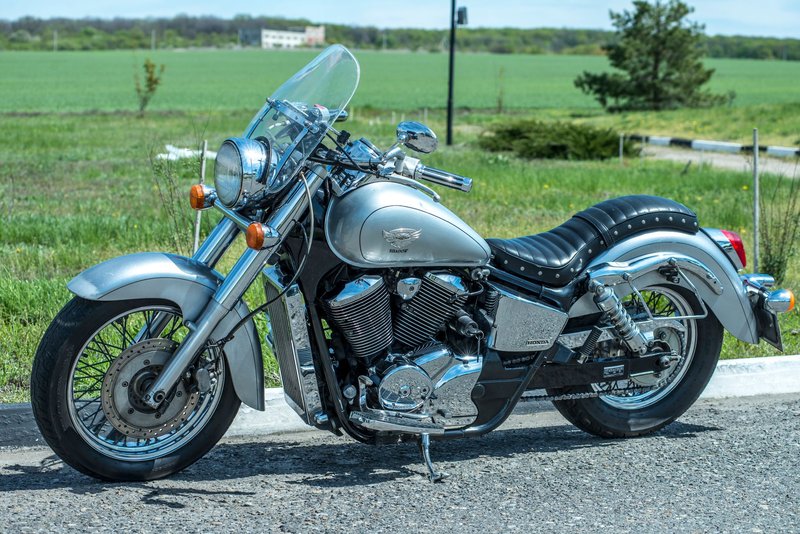
Honda built the Valkyrie by taking the Gold Wing’s 1520cc flat-six engine — a motor designed for a 900-pound touring bike — stripping it of its fairing, and dropping it into a cruiser frame. The result weighed around 685 pounds, produced somewhere between 90 and 100 horsepower depending on the source, and made a sound unlike any other cruiser on the market: a low, mechanical thrum from six carburetors feeding six cylinders horizontally opposed.
It wasn’t subtle. Harley riders noticed it. That was the point.
Yamaha VMAX 1200
The VMAX had been in production since 1985 and hadn’t changed much — which was either a problem or proof of concept, depending on who you asked. The 1198cc V4 used a system Yamaha called “V-Boost,” which opened connecting passages between intake tracts at high revs to effectively give the engine larger displacement right when it needed it. Peak power was quoted around 143 horsepower at a time when that number was genuinely unusual for a production motorcycle.
The VMAX looked like a drag bike that forgot it needed turn signals. Riders either loved it entirely or wanted nothing to do with it.
Harley-Davidson Road King
The Road King sat at the practical end of Harley’s 1998 lineup — a touring bike that didn’t look like a full dresser. It ran the 80ci Evo engine (1340cc), had a detachable windshield, leather saddlebags, and the kind of ergonomics designed for 500-mile days. Harley sold it as the no-compromise option: enough carrying capacity for a real trip, still light enough to look good parked. The 1998 version was the last year before significant engine updates, which makes it historically notable within the model’s own timeline.
Touring and Adventure
BMW R1100GS
The R1100GS was the 1998 expression of an idea BMW had been developing since the early 1980s: a big boxer-twin adventure bike that could do everything. The 1085cc engine sat exposed on either side of the frame, cooled by air and oil. The Telelever front suspension was proprietary to BMW and gave the bike a handling character that was entirely unlike anything from Japan — more stable under braking, less feedback through the bars. For context on how this model fits into the broader boxer legacy, the complete list of 1990s BMW motorcycles documents the full range BMW was producing around it.
Adventure riding as a category was still finding its identity in 1998. The GS was the reference point everyone else was measured against.
Triumph Tiger 900
The Tiger used Triumph’s 885cc triple from the Speed Triple, detuned for low-end torque and fitted with longer-travel suspension and higher bars. It wasn’t a pure off-road machine — the Dakar this was not — but it handled unpaved roads and long motorway stints with equal confidence. The inline-three delivered a character midway between a twin and a four-cylinder: more texture than a four, smoother than a twin. Triumph was only a few years into its modern incarnation, and the Tiger helped establish that the brand was serious.
Off-Road and Dual-Sport
KTM 620 Duke
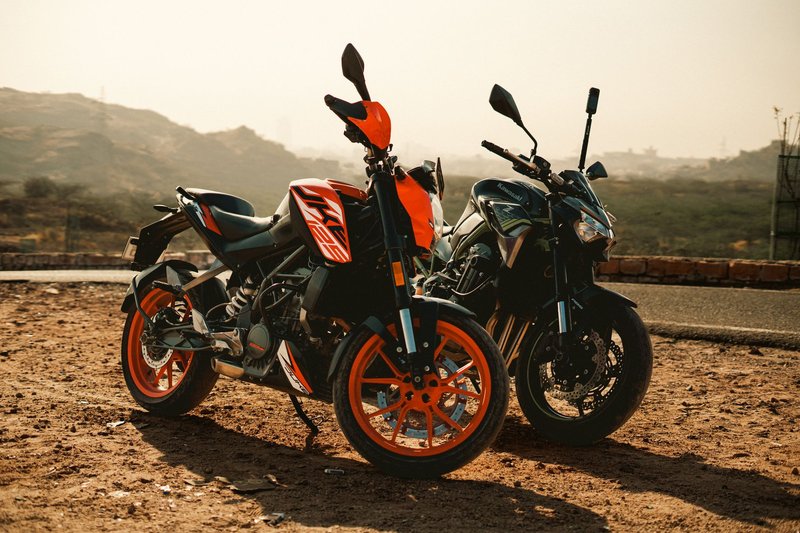
KTM’s 620 Duke was a street-legal single that made no attempt to disguise its off-road origins. The 609cc single-cylinder engine was descended from KTM’s enduro lineup, which meant it was light, torquey, and entirely willing to be revved into the stratosphere. The chassis was a chromoly steel frame with 43mm upside-down forks and a central shock. Dry weight was around 330 pounds.
Riding a 620 Duke in traffic felt like cheating. The thing would accelerate between lane gaps before you’d consciously decided to do it. KTM was building the same DNA that would eventually produce the Duke 390 and the Super Duke R — the 1998 620 is where the lineage gets interesting. The full picture of what KTM was producing around this bike is worth exploring in the complete list of 1990s KTM motorcycles.
The Ones That Got Away
A few 1998 models deserve a mention even if they didn’t break any records.
The Honda Shadow 1100 ACE was built for buyers who wanted a Harley-adjacent experience at a lower price, and it delivered well enough that Honda sold a lot of them. The Kawasaki Concours (1000cc inline-four, sport-touring) was probably underpriced for what it offered and developed a devoted following because of it. The Yamaha YZ400F was a four-stroke motocross bike that forced the entire industry to rethink whether two-strokes still had a future in off-road competition — they largely concluded they didn’t.
And the Suzuki Bandit 1200 was the bike that confused magazines because it was comfortable enough for daily riding, powerful enough to embarrass sport bikes, and priced like neither. Suzuki kept it in production for years because they couldn’t figure out how to improve on it.
1998 was the kind of year that produced machines people still argue about. The Ducati 916 SPS is a museum piece that still turns heads. The VMAX is still running, unchanged in concept, long after every competitor abandoned the formula. The GS spawned an entire category. That’s not a bad legacy for a single model year — and if you’re hunting for a classic bike, the late 1990s remain one of the best hunting grounds for something with real character that hasn’t fully caught the attention of collectors yet.
Sarah Thornton
More from Sarah ThorntonHow we reviewed this article
This article was researched against manufacturer records and editorially reviewed before publishing. We accept no payment for coverage. Some guides contain affiliate links; see our affiliate disclosure.