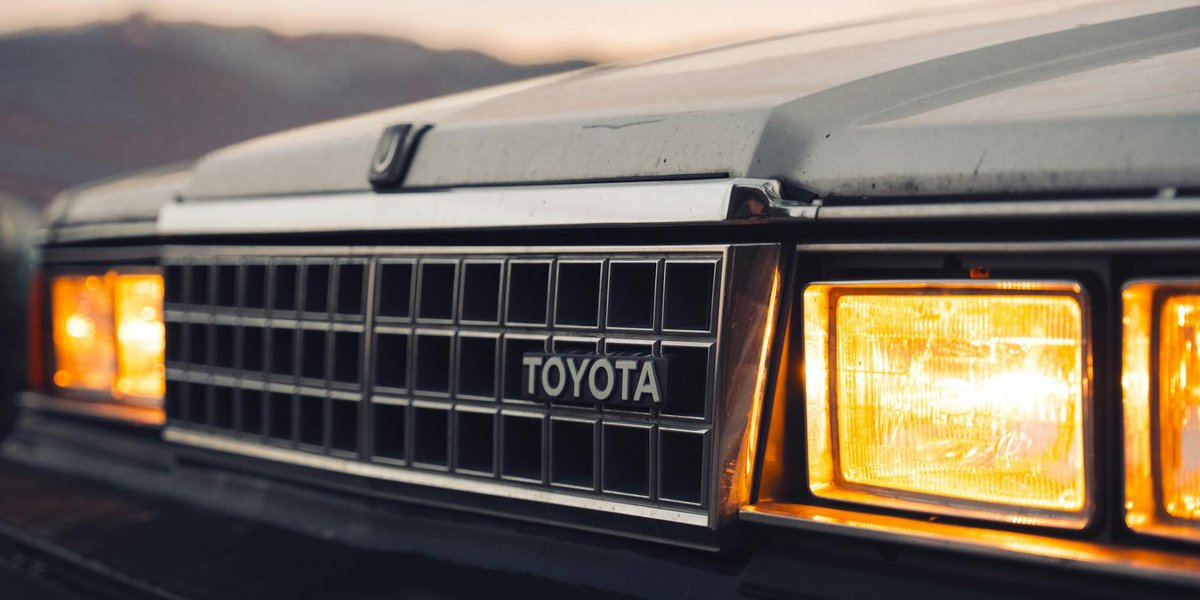
By 1978, Toyota had stopped being the scrappy import that undercut Detroit on price and started being the brand that quietly out-engineered it. The 1978 Toyota car models tell that story better than any sales chart: a lineup that ran from a sub-$3,000 economy hatch all the way to a body-on-frame off-roader that’s now worth more than most new cars.
This is the full roster of what Toyota sold in 1978 — organized by segment, with the engine options, body styles, what was actually new that year, and where each one sits in the collector market today. If you’re chasing one of these down, the values section at the end has the numbers that matter.
Table of Contents
- TLDR: The 1978 Toyota Lineup at a Glance
- Compact Cars: Corolla and Starlet
- Mid-Size: Corona and Celica
- Luxury: The Cressida Arrives
- Off-Road: Land Cruiser FJ40
- Trucks: The Hilux Pickup
- Collectibility and Current Values
TLDR: The 1978 Toyota Lineup at a Glance
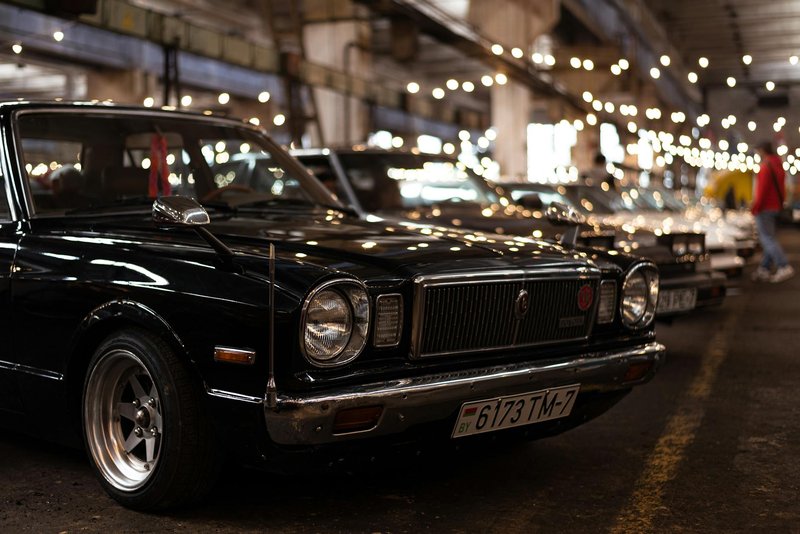
Toyota’s 1978 U.S. range covered six core nameplates. Here’s the quick version:
| Model | Segment | Engine(s) | Approx. 1978 MSRP | Collector Status |
|---|---|---|---|---|
| Starlet | Subcompact | 1.2L 4-cyl | ~$3,600 | Sleeper, rising |
| Corolla | Compact | 1.2L / 1.6L 4-cyl | ~$3,200–$4,200 | Affordable classic |
| Corona | Mid-size | 2.2L 4-cyl | ~$4,400 | Underrated, cheap |
| Celica | Sport coupe | 2.2L 4-cyl | ~$5,000–$6,000 | Hot, climbing fast |
| Cressida | Luxury | 2.6L inline-6 | ~$6,800 | Niche, undervalued |
| Land Cruiser FJ40 | Off-road | 4.2L inline-6 | ~$7,500 | Blue-chip, expensive |
| Hilux | Pickup | 2.2L 4-cyl | ~$4,000 | Cult following |
The headline news for 1978: the Cressida launched as Toyota’s first real luxury car in America, and the Celica got its second-generation redesign — the one most people picture when they think “classic Celica.” The FJ40 Land Cruiser was already a legend and is now the priciest thing on this list by a wide margin.
Compact Cars: Corolla and Starlet
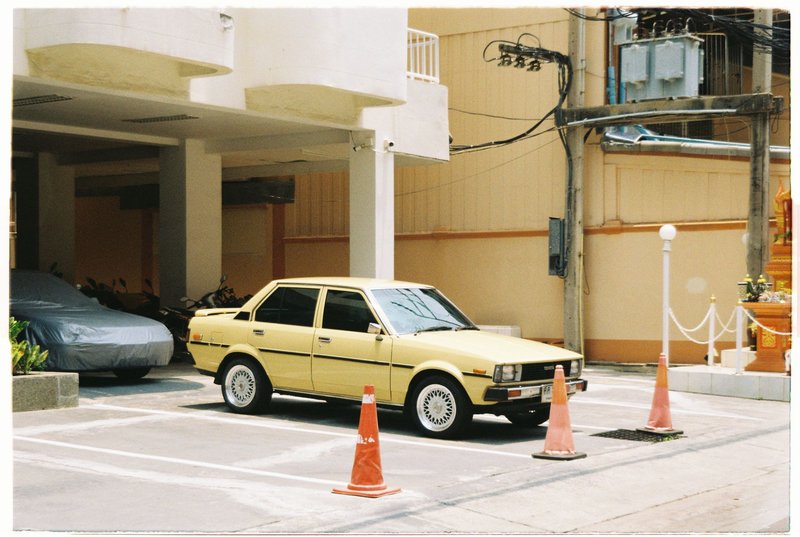
Toyota Corolla (E30/E50) — The Corolla was already the best-selling car in its class, and the 1978 model rode the third-generation platform that ran from 1974 through 1979. You could get it nearly any way you wanted: two-door sedan, four-door sedan, two-door hardtop, three-door liftback, and a wagon. Base cars used the 1.2-liter 3K engine; the larger 1.6-liter 2T four was the one to have, making around 75 horsepower — modest by modern numbers, but it moved a car that weighed under 2,300 pounds. Much of this hardware carried over with only minor changes from a couple of years earlier, as the 1976 Toyota lineup shows.
What sold the ’78 Corolla wasn’t speed. It was that the thing simply refused to die. Rear-wheel drive, a cast-iron pushrod four, and a four- or five-speed manual made it the kind of car you could keep running with hand tools in a driveway. That mechanical honesty is exactly why the rear-drive Corollas have a following today.
Toyota Starlet (KP60) — Sold in many markets in 1978 and arriving in the U.S. shortly after, the Starlet was the small, rear-drive hatchback that sat below the Corolla. Its 1.2-liter 4K engine made it one of the most fuel-efficient cars Toyota built — the kind of frugality that the EPA’s fuel economy archives still document for late-’70s Japanese subcompacts. Lightweight and tossable, the rear-drive Starlet became a quiet darling of the grassroots motorsport crowd decades later, and it now earns its place among the old JDM cars that enthusiasts hunt for.
Mid-Size: Corona and Celica
Toyota Corona (T100/T130) — The Corona was the sensible mid-size sedan that paid the bills while the Celica got the attention. For 1978 it carried the 2.2-liter 20R four, the same workhorse engine shared across several Toyota lines, paired with a four- or five-speed manual or an automatic. Sedans, hardtops, and a wagon were on offer. The Corona’s pitch was simple: more room than a Corolla, more refinement, and the same reputation for not breaking. It’s the forgotten model of the bunch, which is precisely why clean examples are still cheap.
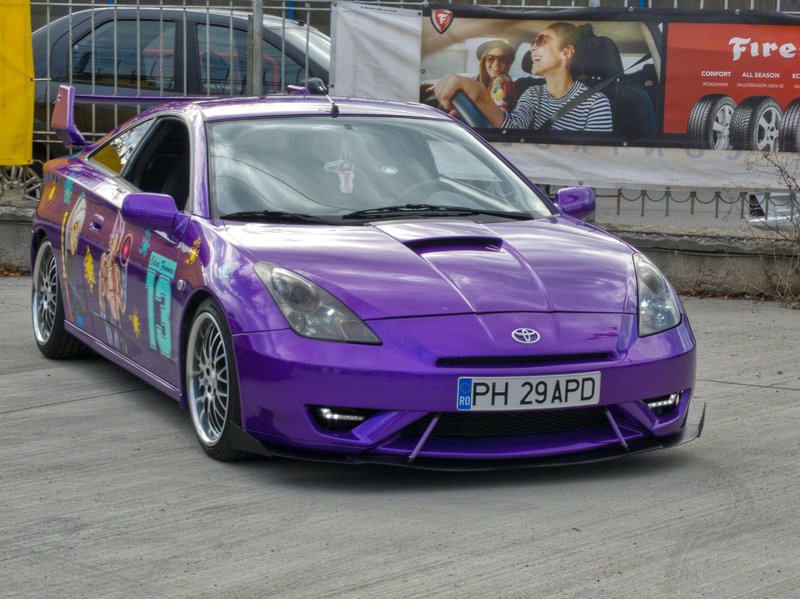
Toyota Celica (A40) — This is the big one for 1978. The Celica was fully redesigned into its second generation for the 1978 model year, ditching the Mustang-inspired curves of the original for a cleaner, more angular shape penned with input from Toyota’s California design studio. You could get it as a notchback coupe or the swoopy liftback. Power came from the 2.2-liter 20R four, with roughly 90-odd horsepower depending on emissions tune — not blistering, but the chassis was balanced and the five-speed made the most of it.
The ’78 Celica nailed the formula Toyota was after: an affordable, reliable, genuinely good-looking sport coupe that didn’t pretend to be a muscle car. The liftback in particular has aged into one of the cleanest shapes of the era, good enough to land it among the best cars of 1978 — and the market has noticed.
Luxury: The Cressida Arrives
The 1978 Cressida (X30) was a milestone — Toyota’s first attempt at a proper luxury car for American buyers. Under the hood sat the 2.6-liter 4M inline-six, a smooth six in a market where Toyota had mostly sold fours. It came loaded for the time: power windows, available automatic, a plusher interior, and the kind of equipment list that previewed where Toyota would eventually go with Lexus a decade later.
The Cressida never sold in Celica or Corolla numbers, and that’s the whole story of its value today. It was the quiet, comfortable, six-cylinder Toyota that nobody talks about — which makes it one of the most genuinely undervalued classics in the entire 1978 range. If you want a smooth-riding rear-drive Toyota six with luxury pretensions and almost no competition at car shows, this is it.
Off-Road: Land Cruiser FJ40
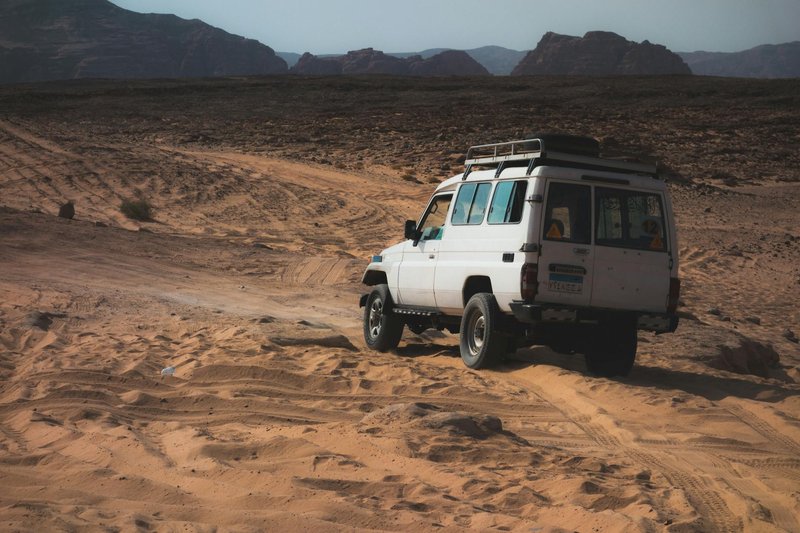
The 1978 Land Cruiser FJ40 is the crown jewel of this list, and the numbers prove it. The 40-series was Toyota’s rugged, body-on-frame 4×4, and the ’78 ran the 4.2-liter 2F inline-six — a torquey, slow-revving engine built to crawl and tow rather than win drag races. Solid axles front and rear, a part-time four-wheel-drive system, and a body you could practically hose out made it the go-anywhere Toyota.
The FJ40 earned its reputation in places where reliability isn’t a feature, it’s survival — and that hard-won credibility is exactly what drove its values into the stratosphere. A clean, original or properly restored FJ40 now commands prices that would have stunned anyone who bought one new for around $7,500. It’s the one model here where condition and originality can swing the value by tens of thousands of dollars.
Trucks: The Hilux Pickup
In 1978 the Hilux pickup — sold in the U.S. simply as the Toyota Truck — was building the bulletproof reputation that would eventually make it globally famous. The 2.2-liter 20R four powered most U.S. trucks, available in short- and long-bed configurations with rear-wheel drive, and four-wheel drive arriving as the off-road truck scene exploded at the end of the decade.
The appeal was the same then as now: simple, repairable, and almost impossible to kill. Original 1978 Hiluxes are getting harder to find because most were used until they dissolved, which is exactly why survivors have developed a cult following among vintage-truck people.
Collectibility and Current Values
Here’s how the 1978 Toyota lineup breaks down for anyone buying today, roughly cheapest to priciest.
The affordable entry points — Corona sedans and base Corollas remain the bargains of the group. A driver-quality car can still be found for a few thousand dollars, and even sharp examples rarely break four figures into five. These are the ones to buy if you want a usable, honest classic without a collector-car price tag.
The rising middle — The second-gen Celica, especially the liftback, has moved firmly out of “cheap project” territory. Clean, rust-free, unmolested examples now pull real money at auction, and the trajectory has been steadily upward. The rear-drive Corolla coupes and the quirky Starlet sit just behind, climbing as enthusiasts who grew up with them hit their buying years. The Cressida remains the value play — luxury-adjacent, smooth, and still flying under the radar.
The blue-chip outlier — The FJ40 Land Cruiser is in a category of its own. Specialist restorers, dedicated marketplaces, and a global buyer base have pushed prices for top examples well into territory that the rest of this list doesn’t approach. If you want one, buy the best you can afford and prioritize originality — the Hagerty valuation tools track just how dramatically these have appreciated.
The pattern across the whole 1978 range is consistent: Toyota built cars to last, most of them got used hard, and the survivors are now rewarding anyone who kept one. From a $3,000 Starlet to an FJ40 worth a year’s salary, the 1978 Toyota car models cover more ground than almost any single model year the company has ever sold.

Marco Delantero
More from Marco DelanteroHow we reviewed this article
This article was researched against manufacturer records and editorially reviewed before publishing. We accept no payment for coverage.