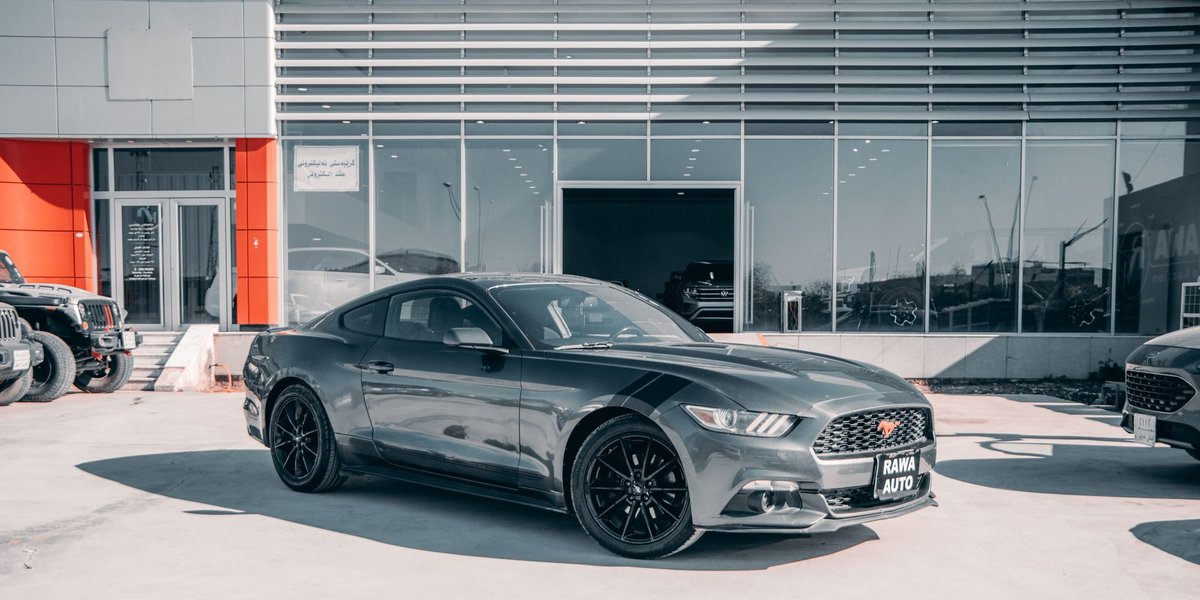
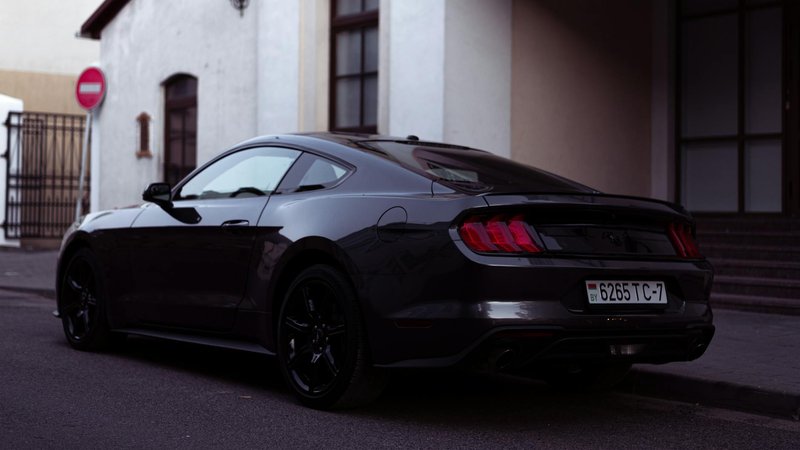
The 2018 Ford Mustang is the one a lot of used-car shoppers circle, and for good reason. It’s the year Ford gave the S550 generation a mid-cycle refresh: new front and rear styling, an available 10-speed automatic, a digital gauge cluster, and a Coyote V8 that jumped to 460 horsepower. It’s also the year the base V6 quietly died, which simplified the lineup down to six trims that are easy to keep straight.
This guide walks every one of them — what’s under the hood, what it cost new, what it goes for now, and which trim actually makes sense depending on whether you want a daily driver, a weekend toy, or a future collectible. If you’re cross-shopping an EcoBoost against a GT, there’s a decision section for that too.
Table of Contents
- Quick Comparison Table
- TLDR: Which 2018 Mustang to Buy
- EcoBoost and EcoBoost Premium
- GT and GT Premium
- Shelby GT350 and GT350R
- GT vs EcoBoost: How to Decide
- What Changed for 2018
- Used Pricing and Reliability in 2026
- Final Word
Quick Comparison Table
| Trim | Engine | Horsepower | Body Styles | Original MSRP | MPG (city/hwy) |
|---|---|---|---|---|---|
| EcoBoost | 2.3L turbo I4 | 310 hp | Fastback / Convertible | $25,680 | 21 / 31 |
| EcoBoost Premium | 2.3L turbo I4 | 310 hp | Fastback / Convertible | $30,180 | 21 / 31 |
| GT | 5.0L Coyote V8 | 460 hp | Fastback / Convertible | $35,095 | 16 / 25 |
| GT Premium | 5.0L Coyote V8 | 460 hp | Fastback / Convertible | $39,095 | 16 / 25 |
| Shelby GT350 | 5.2L Voodoo V8 | 526 hp | Fastback | $56,450 | 14 / 21 |
| Shelby GT350R | 5.2L Voodoo V8 | 526 hp | Fastback | $63,645 | 14 / 21 |
MPG figures are for the manual on EcoBoost and GT; the new 10-speed automatic nudges highway numbers up slightly. The Shelby twins are manual-only.
TLDR: Which 2018 Mustang to Buy
- Best all-around value: EcoBoost Premium with the manual. You get the refreshed styling, the better interior, and turbo torque that’s genuinely quick, for a used price that undercuts a GT by several thousand dollars.
- Best if you want the V8 sound: GT Premium. The 460-hp Coyote is the heart of the lineup, and the Premium gets you the digital cluster and better trim without GT350 money.
- Best driver’s car: Shelby GT350. The flat-plane-crank Voodoo V8 revs to 8,250 rpm and sounds like nothing else Ford has built. Buy one if track days are the point.
- The collectible: GT350R. Carbon-fiber wheels, no back seat, built in tiny numbers. It’s an appreciating asset, not a daily.
If you just want one answer: the EcoBoost Premium is the smart-money pick for most buyers, and the GT Premium is the one most enthusiasts will actually want.
EcoBoost and EcoBoost Premium
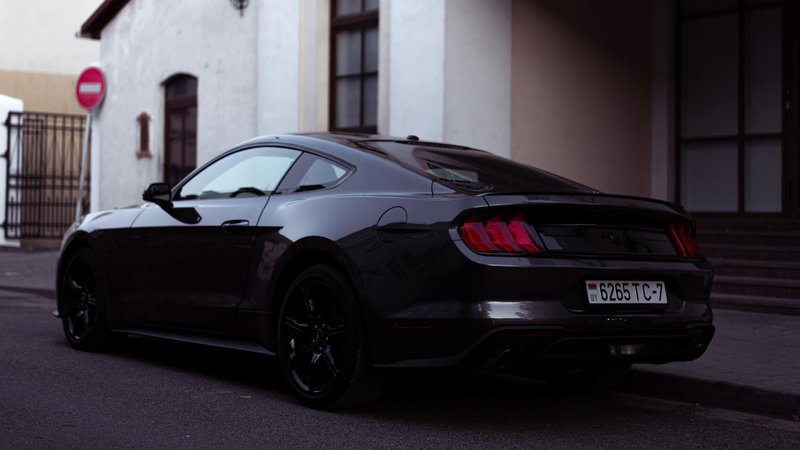
The four-cylinder Mustang gets dismissed by purists, but the 2.3-liter turbo makes 310 horsepower and 350 lb-ft of torque, and that torque arrives low in the rev range. In a straight line off the light, an EcoBoost manual feels punchier than the spec sheet suggests. Ford rated the 0–60 sprint in the mid-five-second range with the right options.
The base EcoBoost is the budget entry: cloth seats, a smaller screen, and a more analog vibe. The EcoBoost Premium is where most buyers landed, and it’s the one worth hunting for used. It adds the upgraded SYNC 3 infotainment, leather, selectable drive modes, and the option to spec the new 12-inch all-digital gauge cluster that debuted for 2018.
One trim to know about: the EcoBoost Performance Package. It brought bigger brakes, a Torsen limited-slip diff, a strut tower brace, and summer tires. An EcoBoost Premium with that package is a genuinely sharp-handling car, not just a styling exercise. According to EPA fuel economy data, the EcoBoost manual returns 21 mpg city and 31 highway — numbers a GT can’t touch.
GT and GT Premium
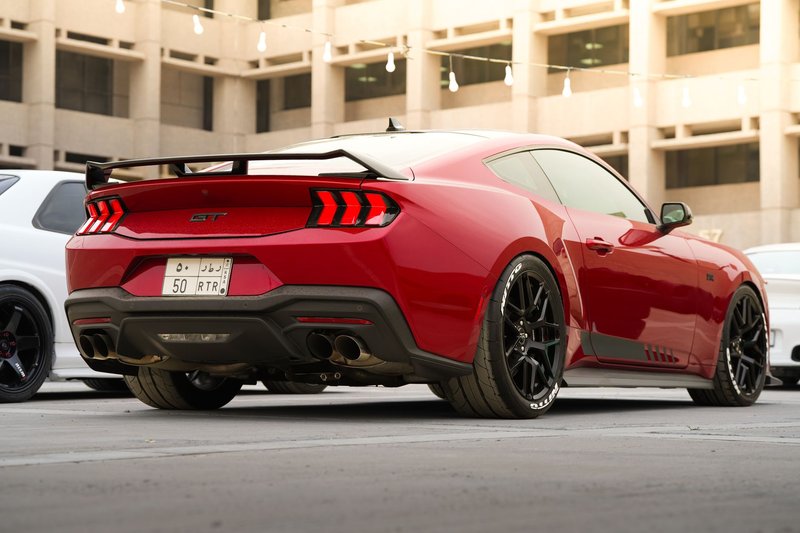
This is the Mustang most people picture. For 2018, Ford reworked the 5.0-liter Coyote V8 with dual fuel injection (port plus direct), a higher 12.0:1 compression ratio, and a redline pushed to 7,400 rpm. Output climbed to 460 horsepower and 420 lb-ft — a real jump from the 435 hp of the 2017 car.
Pair that engine with the optional 10-speed automatic and a GT will run to 60 mph in around four seconds flat, which is supercar territory from a decade ago. The six-speed manual stays available and is the enthusiast’s choice, with a flat-shift feature for clutchless upshifts at the track.
Both the EcoBoost and the GT come as a Fastback or a Convertible, and that choice is worth thinking through before you sign — the closed coupe is stiffer, quicker, and cheaper to insure, while the drop-top trades some of that rigidity for open-air appeal. If you’re weighing the tradeoffs between a coupe and a roadster, the same logic maps cleanly onto picking a Fastback over a Convertible Mustang.
The GT Premium adds the same interior upgrades as the EcoBoost Premium — digital cluster, better materials, more standard tech — plus access to the GT Performance Package with Brembo brakes, a heavy-duty front springs setup, and the option of MagneRide adaptive dampers. If you’re buying a GT to keep, the Premium with MagneRide rides better on the street and stays composed when you push it. The base GT is fine, but most of the desirable hardware lived on the Premium order sheet.
Shelby GT350 and GT350R
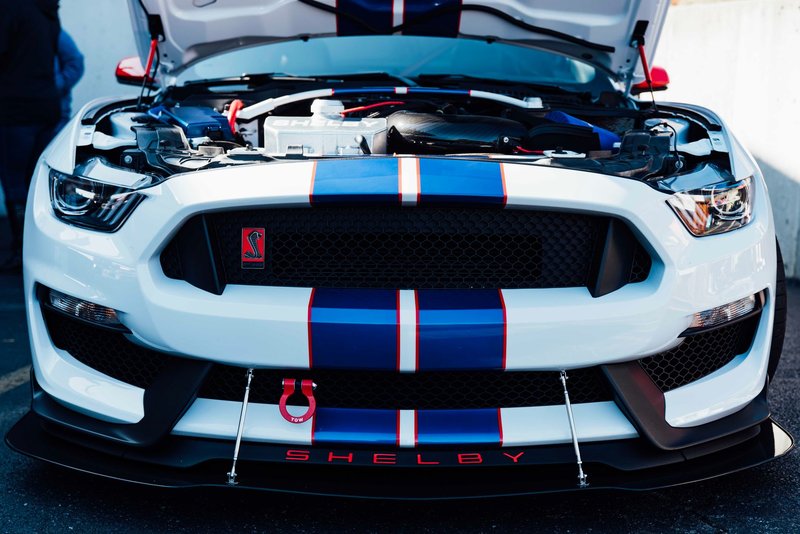
The Shelby twins are a different animal. Under the hood sits the 5.2-liter “Voodoo” V8, the only flat-plane-crank engine Ford has put in a production Mustang. It makes 526 horsepower and spins to an 8,250-rpm redline, with an exhaust note closer to a Ferrari than a muscle car. There’s no automatic and no turbo — just a naturally aspirated V8 and a six-speed manual.
The GT350 is the road-and-track version: MagneRide dampers, a Torsen diff, big Brembos, and aggressive aero. The GT350R strips it further for the circuit — carbon-fiber wheels (a production first), a fixed rear wing, no back seat, and deleted sound deadening to save weight. The R was built in small numbers, and clean examples have held value far better than the rest of the lineup.
These aren’t comfortable commuters. The suspension is stiff, the clutch is heavy, and the engine wants to live above 4,000 rpm. That’s the point. If you want a Mustang that feels like a focused sports car, the GT350 is the one, and Car and Driver’s testing put it among the best-handling cars Ford has ever sold.
GT vs EcoBoost: How to Decide
This is the question that drives most 2018 Mustang shopping, so here’s a clean framework.
Buy the EcoBoost if:
- You’re paying for it yourself and budget matters — insurance and fuel are noticeably cheaper.
- You’ll daily drive it and want better mileage.
- You like quick, turbocharged torque and don’t care about V8 theater.
- You want the most car for the least money used.
Buy the GT if:
- The sound and character of a V8 is the whole reason you want a Mustang.
- You want headroom for power mods — the Coyote responds beautifully to a tune and bolt-ons.
- Resale matters; V8 Mustangs hold value better long-term.
- You’re chasing serious acceleration and the EcoBoost’s mid-fives won’t cut it.
The honest middle ground: a loaded EcoBoost Premium with the Performance Package will out-corner a base GT and cost less, while a GT Premium wins every drag race and sounds the part. Pick based on whether you care more about the corner or the noise.
What Changed for 2018
If you’re comparing a 2018 against a 2015–2017 S550, here’s what the refresh brought:
- Restyled front and rear — a lower, more aggressive nose and revised LED tail lights.
- 10-speed automatic replaced the old six-speed auto on EcoBoost and GT.
- 460-hp Coyote V8 with dual injection, up from 435 hp.
- 12-inch digital gauge cluster available, configurable per drive mode.
- V6 discontinued — the lineup simplified to turbo-four and V8 only.
- MagneRide adaptive suspension offered across more trims.
- Active valve exhaust on the GT, including a “Good Neighbor” mode that quiets cold starts.
The upshot: a 2018 is meaningfully better-equipped and more powerful than an early S550, which is why it commands a premium on the used market over otherwise-similar 2015–2017 cars.
Used Pricing and Reliability in 2026
Used 2018 Mustangs are plentiful, which keeps prices reasonable. As of 2026, clean EcoBoost coupes with average miles tend to land in the high-teens to low-$20,000s, GTs in the mid-$20,000s to low-$30,000s depending on package and mileage, and GT350s well into the $40,000s and up. The GT350R is the outlier — low-production status means clean cars trade above their original sticker.
On reliability, the news is mostly good. The Coyote V8 is one of the more bulletproof modern engines, and the 2.3 EcoBoost is durable when maintained, though some early examples had reports of oil consumption — check service history and watch for smoke on a test drive. The 10-speed automatic occasionally drew complaints about harsh shifts that software updates addressed, so confirm any recall or TSB work was done.
A couple of buying notes: the GT350’s Voodoo engine had a known early-build oil-cooler-line issue that Ford addressed under a recall, so verify it on any Shelby you’re considering. And on every trim, the optional summer tires that came with Performance Packages are expensive to replace — factor that in if the car wears them. You can cross-check any car’s recall history through the NHTSA recall database before you buy.
Final Word
The 2018 Ford Mustang is the sweet spot of the S550 generation: refreshed looks, a stronger V8, modern tech, and a simplified lineup that’s easy to shop. For most buyers, an EcoBoost Premium delivers the best money-for-car ratio, while a GT Premium is the one true enthusiasts gravitate toward. The Shelby twins are special-occasion machines — buy a GT350 to drive hard, a GT350R to park and watch appreciate.
Whatever trim you land on, check the service records, confirm any recalls were handled, and take the manual if you can drive one. A 2018 Mustang with a clean history is one of the better performance-car bargains on the used market right now.

Marco Delantero
More from Marco DelanteroHow we reviewed this article
This article was researched against manufacturer records and editorially reviewed before publishing. We accept no payment for coverage.