In 1982, Porsche sold four distinct model families at the same time, and they could not have been more different from one another. You had the air-cooled, rear-engined 911 that purists worship. You had a turbocharged widow-maker. And you had two front-engined, water-cooled cars that Stuttgart hoped would replace the 911 entirely — a plan that, thankfully for everyone, never panned out.
If you’re trying to figure out exactly what Porsche built for the 1982 model year, this is the full roster. Every model, the specs that matter, what they cost new, and roughly what they trade for today.
Quick Comparison Table
Here’s the whole 1982 lineup at a glance before we get into the details on each one.
| Model | Engine | Power | 0–60 mph | Top Speed | Original MSRP (approx.) | Today’s Value Range |
|---|---|---|---|---|---|---|
| 911 SC (Coupe/Targa) | 3.0L flat-six | 180 hp | ~6.5 sec | ~140 mph | $28,000 | $35,000–$90,000 |
| 911 Turbo (930) | 3.3L turbo flat-six | 300 hp | ~5.0 sec | ~160 mph | $48,000 | $90,000–$300,000+ |
| 924 | 2.0L inline-four | 110 hp | ~10 sec | ~125 mph | $16,000 | $8,000–$20,000 |
| 924 Turbo | 2.0L turbo inline-four | 143 hp | ~8 sec | ~140 mph | $20,000 | $12,000–$30,000 |
| 928 | 4.5L V8 | 219 hp | ~7 sec | ~140 mph | $38,000 | $15,000–$35,000 |
| 928 S | 4.7L V8 | 234 hp | ~6.5 sec | ~150 mph | $43,000 | $20,000–$45,000 |
Values vary enormously with condition, mileage, originality, and documentation. A Turbo with a thin file and a respray is a different animal from a one-owner, books-and-tools survivor.
Table of Contents
- The 911 SC
- The 911 Turbo (930)
- The 924 and 924 Turbo
- The 928 and 928 S
- What About the Cabriolet?
- Which 1982 Porsche Should You Buy?
- FAQ
The 911 SC
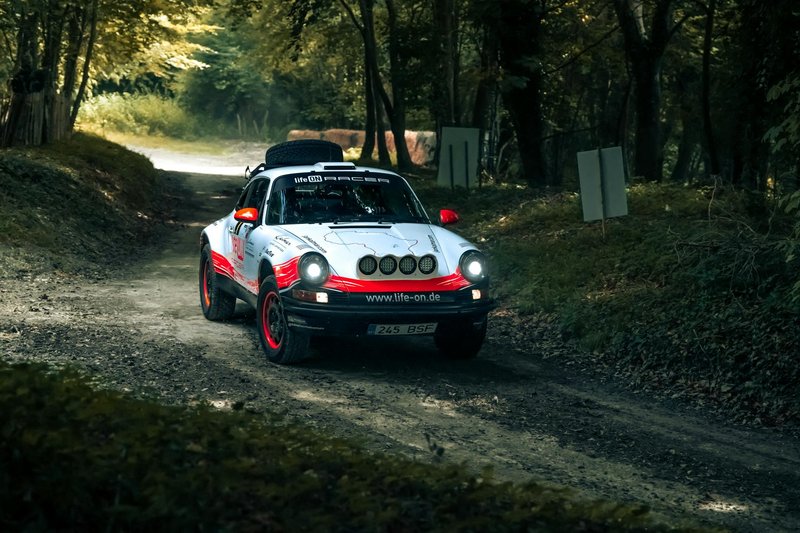
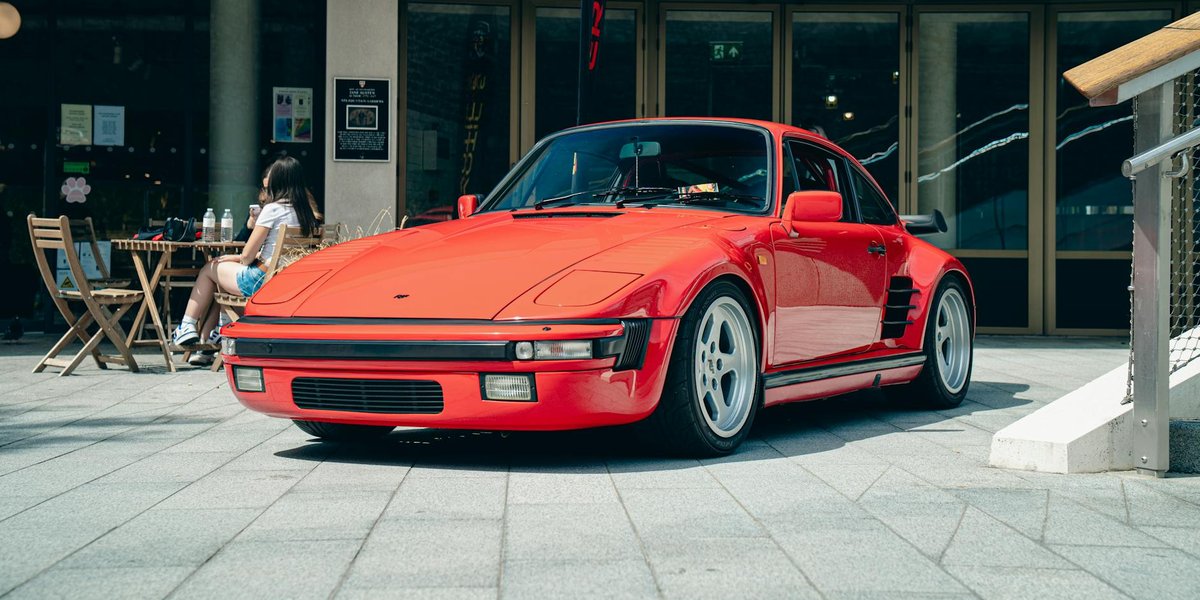
The 911 SC was the heart of the range, and for 1982 it came in two body styles: the Coupe and the Targa, with its removable roof panel and fixed roll hoop. No Cabriolet yet — more on that below.
Under the rear deck sat a 3.0-liter air-cooled flat-six making 180 horsepower in US trim. That number sounds modest now, but the SC was light and the engine pulled cleanly to its redline with the mechanical, slightly metallic sound that defines an air-cooled 911. Zero to sixty took around 6.5 seconds, with a top speed near 140 mph.
The 1982 SC is significant for a reason most spec sheets skip: it’s late in the SC’s run, which means it benefits from the running improvements Porsche made over the model’s life, including a stronger clutch and the well-sorted 915 gearbox. The SC also happens to be the 911 generation that nearly didn’t survive — Porsche’s management spent the late ’70s convinced the front-engined cars were the future. The SC’s commercial success is a big reason the 911 outlived them all.
For the enthusiast buyer, the SC remains one of the most usable classic 911s. That blend of durability and analog feel is exactly why it shows up so often among the most reliable Porsche cars enthusiasts actually drive year-round. It’s robust enough to drive regularly, simpler than the later 3.2 Carrera in some ways, and the Coupe in particular has appreciated steadily. Clean, honest examples sit in the mid-$30,000s to $50,000s, with exceptional low-mileage cars pushing well past that.
The 911 Turbo (930)
The 930 was the car that gave the 911 its dangerous reputation. The 3.3-liter turbocharged flat-six produced 300 horsepower, channeled through a four-speed gearbox to the rear wheels, with that infamous whale-tail spoiler hiding the intercooler.
The character is all about the turbo lag. You squeeze the throttle, nothing much happens for a beat, then the boost arrives all at once — often mid-corner, if you mistimed it. Drivers in the early ’80s had to learn the 930’s rhythm or it would punish them. That’s exactly why collectors love it now. It’s a raw, analog supercar from before electronics smoothed everything over.
Production numbers were low, which is the other half of the value story. The 930 has always been the most expensive air-cooled 911 of its era, and 1982 examples in good condition routinely clear six figures. Documented, original cars with strong history can reach well into the hundreds of thousands. If you find a “cheap” 930, assume the savings are sitting in a rebuild bill for the engine or gearbox.
The 924 and 924 Turbo
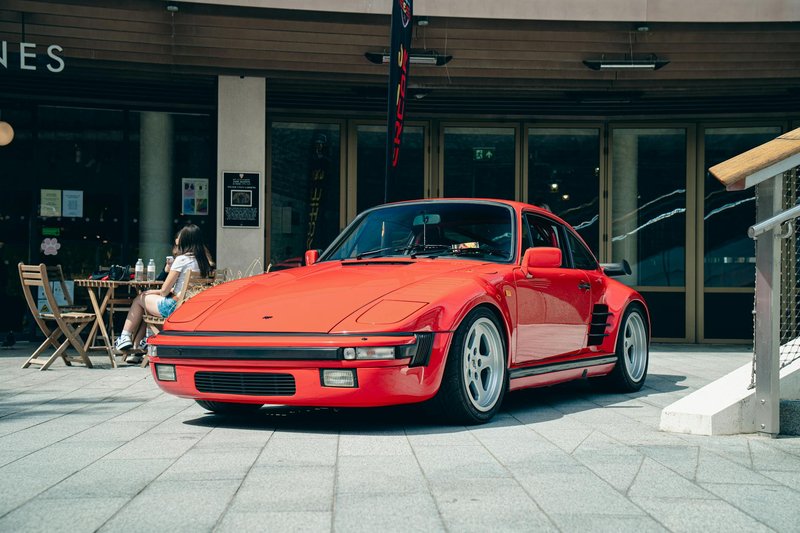
Here’s where Porsche’s identity got complicated. The 924 was front-engined, water-cooled, and powered by a 2.0-liter inline-four that traced its origins to a Volkswagen-Audi parts bin. Porsche purists sneered. Everyone else noticed it was an affordable, well-balanced, genuinely fun car to drive.
The base 924 made around 110 horsepower — not fast, but the near-perfect weight distribution (the gearbox was mounted at the rear for balance) made it a delight on a twisty road. It was the entry point to the brand, and for a lot of owners in 1982, their first Porsche.
The 924 Turbo is the one to seek out. Boost lifted output to roughly 143 horsepower, dropping the 0–60 time to around 8 seconds and giving the chassis the power it always deserved. Turbos are rarer and more involved to maintain, but they’re the version that justifies the badge.
Values stay accessible. A driver-quality base 924 can still be had for under $15,000, while a sorted 924 Turbo with good history sits a notch higher. As one of the last genuinely affordable ways into classic Porsche ownership, the 924 is quietly underrated — and it holds up well even alongside the broader field of 1980s sports cars that defined the decade.
The 928 and 928 S
The 928 was Porsche’s grand statement: a front-engined, V8-powered grand tourer meant to take the company upmarket and, in management’s dreams, eventually replace the 911. It won European Car of the Year in 1978 — still the only sports car ever to do so — and by 1982 it had matured into a seriously capable machine. It was good enough to stand out even among the best cars of 1982, in a model year crowded with strong competition.
The base 928 used a 4.5-liter V8 producing 219 horsepower. The 928 S, introduced to the US lineup, bumped displacement to 4.7 liters and output to 234 horsepower, with a higher top speed and crisper performance across the board. Both cars rode on Porsche’s clever Weissach rear axle, which subtly steered the rear wheels to tame lift-off oversteer — advanced engineering for 1982.
The 928’s pop-up headlights, smooth bodywork, and body-colored bumpers have aged into something genuinely cool. Driving one is a different experience from a 911: relaxed, torquey, built to cross continents rather than attack corners. The catch is maintenance. These are complex cars, and deferred service on the timing belt, water pump, or that intricate V8 can turn a bargain into a money pit fast.
Because of that fear, 928 values have lagged the 911 for decades, which makes a well-documented, properly maintained 928 S one of the best performance bargains in the classic Porsche world. A good one lives in the $20,000–$45,000 range — extraordinary value for a hand-built V8 GT.
What About the Cabriolet?
A lot of buyers searching for a 1982 911 convertible run into confusion here, so let’s settle it. Porsche did not sell a 911 Cabriolet during the 1982 model year. The Cabriolet — the first full convertible 911, with a folding soft top rather than the Targa’s removable panel — was unveiled at the Geneva Motor Show in early 1983 as a 1983 model year car. So if you want an open-top 1982 911, the Targa is your only factory option.
Which 1982 Porsche Should You Buy?
It depends entirely on what you want from the car.
Want the definitive air-cooled experience that’s still practical to drive? The 911 SC Coupe. It’s the sweet spot of usability, character, and steady appreciation.
Want the icon and have the budget? The 930 Turbo is the trophy, with the values and maintenance demands to match.
Want maximum car for minimum money? The 928 S delivers V8 grand-touring credentials for the price of a new economy sedan, provided you buy on condition and service history, not on price.
Want a cheap, fun way in? The 924 Turbo is the honest entry point that drivers actually enjoy.
Across all four, the same rule holds: with a 40-plus-year-old Porsche, the documentation matters as much as the car. A complete service file and matching numbers are worth more than a shiny respray. According to Hagerty, the classic-car insurer and valuation tracker, originality and verifiable history are the biggest drivers of long-term value in this era of Porsche.
FAQ
How many models did Porsche make in 1982? Four model families: the 911 (in SC and Turbo/930 forms), the 924 (base and Turbo), and the 928 (base and S). Counting body styles and variants, that’s roughly six distinct configurations.
Was there a 1982 Porsche 911 Cabriolet? No. The 911 Cabriolet debuted in early 1983 as a 1983 model year car. For 1982, the only open-roof 911 was the Targa with its removable roof panel.
What’s the most valuable 1982 Porsche? The 911 Turbo (930). Low production and icon status push good examples well into six figures, with documented, original cars commanding the highest prices.
Are 1982 Porsches reliable enough to drive regularly? The 911 SC is the most usable as a regular driver. The 924 is dependable but slower. The 928 can be reliable if maintained meticulously, but deferred service gets expensive quickly. The 930 is best treated as a weekend collectible.
Which 1982 Porsche is the best value? The 928 S. It offers the most performance and engineering per dollar, held down by buyers’ fear of its complex V8 — which makes a well-maintained example a genuine bargain.
Marco Delantero
More from Marco DelanteroHow we reviewed this article
This article was researched against manufacturer records and editorially reviewed before publishing. We accept no payment for coverage.