Few years in motorcycling carry as much weight as 1961. On the surface, it looks like a normal model year — incremental updates, the usual lineup shuffles, a handful of new displacements. But underneath, something was shifting. Honda had been selling in the U.S. since 1959, and by 1961 the Japanese brands were no longer a curiosity. They were a threat. The British factories hadn’t quite admitted it yet. Harley-Davidson was still doing its thing, largely unbothered. And the Europeans were building some of the best motorcycles they’d ever produce.
This is a guide to what was actually on sale in 1961 — the machines that collectors track down today, the ones that defined their makers, and the ones that tell you something real about where motorcycling was headed.
Table of Contents
- Why 1961 Matters
- Harley-Davidson
- Triumph
- BSA
- Honda
- Norton
- BMW
- Ducati
- Quick Reference: 1961 Models at a Glance
- Collectibility and What to Look For Today
Why 1961 Matters
The American motorcycle market in 1961 was still heavily British. Triumph, BSA, and Norton held real ground — not just with enthusiasts, but in dealerships. Harley-Davidson owned the heavyweight end, and most buyers who wanted something between 250cc and 650cc went British.
Honda’s You Meet the Nicest People on a Honda campaign was a year away from launching, but the bikes were already here. The Super Cub had arrived, the CB72 Hawk was coming, and Honda was proving that motorcycles didn’t have to be loud, oily, or intimidating. That argument would win decisively by mid-decade — but in 1961, the old guard still looked formidable.
Harley-Davidson
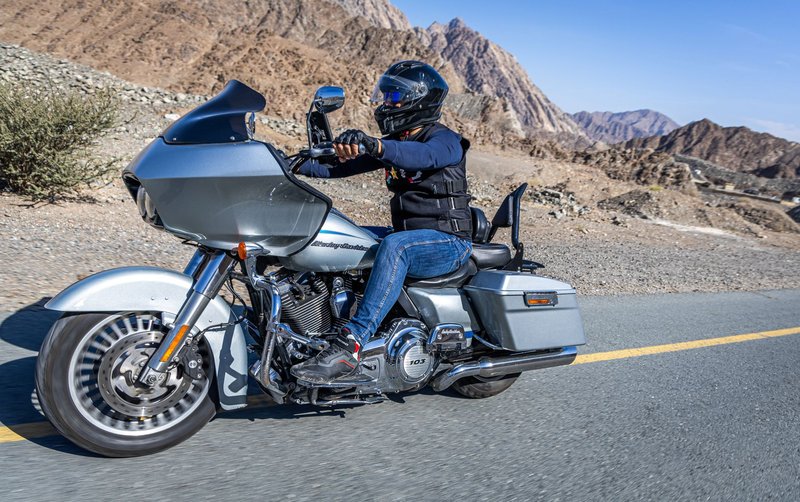
Harley’s 1961 lineup was built around the Panhead engine, which had been in production since 1948. By 1961, it was refined, reliable, and deeply American. Two models defined the year:
FL and FLH Duo-Glide (1200cc / 74 cu in)
The Duo-Glide had added rear suspension in 1958 — a genuinely big deal for a brand that had run hardtails for decades. By 1961, the FL was a full dresser with windshield and saddlebag options, and the FLH was the performance-tuned version with higher compression and polished ports. The FLH produced around 55 horsepower from its 1207cc V-twin. Not a number that sounds dramatic today, but in a touring bike that weighed over 700 lbs, it moved.
The factory offered six standard colors in 1961, including Hi-Fi Red and Tango Red — Harley was leaning into color at a time when most of its competition offered black or nothing. Original 1961 Duo-Glides in documented condition command $20,000–$40,000 at auction today, with low-mileage unrestored examples going higher.
KH and Sportster XL (883cc / 54 cu in)
The Sportster, introduced in 1957, was still relatively young in 1961. The XL used an overhead-valve 883cc V-twin that ran considerably hotter than the Panhead. At around 40 horsepower, it was quick — quicker than most people expected from a Harley. The 1961 model had improved carburetion over early XLs and was beginning to establish the performance identity the Sportster would carry for decades.
Triumph
Triumph was arguably at its peak in 1961. The Meriden factory was building bikes that the American market genuinely wanted — and selling them fast.
Bonneville T120 (649cc)
The T120 Bonneville was already a legend. Named for the salt flats where Johnny Allen set a land speed record on a Triumph-powered streamliner in 1956, it had launched as a production bike in 1959. By 1961, it had been refined into one of the finest production motorcycles in the world. If you want the fuller picture of the machines that set the stage for the Bonneville’s rise, the best motorcycles of the 1950s offer useful context on what Triumph and its British rivals were building in the years just before.
The twin-carb parallel twin produced around 46 horsepower — enough to run with nearly anything on the road. The frame geometry was light and neutral. The brakes were acceptable. It weighed around 400 lbs and handled it. A 1961 Bonneville in good condition is one of the most sought-after British bikes of the era; restored examples regularly exceed $15,000.
Tiger T110 (649cc)
The T110 was essentially a single-carb Bonneville with a slightly softer state of tune. It had been the performance flagship before the Bonneville arrived, and in 1961 it was positioned as the practical sport-touring option. Same basic motor, less aggressive cam, single Amal carburetor. A lot of riders preferred it for daily use.
Tiger Cub T20 (199cc)
The smallest bike in Triumph’s lineup in 1961 was the Cub — a 200cc single that had been introduced in 1954 and was genuinely popular with newer riders and commuters. It was light, manageable, and relatively affordable. In hindsight, it was the segment where Honda would shortly do serious damage.
BSA
BSA — Birmingham Small Arms — was the largest motorcycle manufacturer in the world in the early 1960s by volume. They made a lot of bikes, and in 1961 several of them were genuinely excellent.
A10 Golden Flash (646cc)
The A10 was a parallel twin that had been in production since 1950. By 1961 it was well-sorted and well-respected. Not as sporty as a Bonneville, but more torque down low and more comfortable over long distances. The Golden Flash name had been attached to the A10 since early on; BSA used it to denote the standard tourer version, distinct from the sportier Super Rocket.
A10 Super Rocket (646cc)
The Super Rocket was the hot-rod A10 — higher compression, polished ports, a hotter cam. It produced around 42 horsepower and was lighter than the Golden Flash trim. BSA sold these in the U.S. to riders who wanted British performance without paying Triumph prices. They mostly got what they paid for.
Gold Star DBD34 (499cc)
The Gold Star is the BSA that serious collectors want. The DBD34 was the final iteration of the Goldie — a single-cylinder, 500cc race-bred machine that had been winning clubman-level races since the late 1940s. By 1961, it was close to the end of production (the last Goldies came out in 1963), but a 1961 DBD34 in Clubman or Scrambles trim is a genuine artifact. Expect to pay $12,000–$25,000 for a good one today.
C15 (247cc)
The C15 was BSA’s bread-and-butter commuter single. Lightweight, cheap, and simple. Not glamorous, but it kept the factory busy and kept entry-level riders on BSA products. Honda was about to eat this segment alive.
Honda
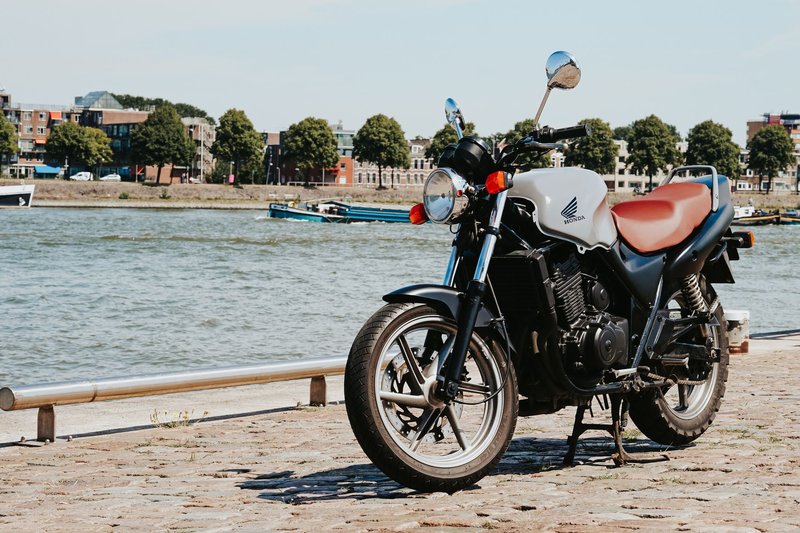
Honda’s American footprint in 1961 was still modest, but the motorcycles they were building were not modest at all.
Super Cub C100 (49cc)
The Super Cub is arguably the most important motorcycle ever made. Launched in 1958, it had already transformed personal transportation in Japan and was beginning its global spread. The 50cc OHV step-through had automatic clutch, a pressed-steel frame, and leg shields. It was designed for people who didn’t think of themselves as motorcyclists — which, as it turned out, was most people. Honda would eventually sell more than 100 million of them. The 1961 C100 was part of that early wave.
Dream C70 / C71 (250cc)
Honda’s 250cc Dreams were overhead-cam parallel twins at a time when most 250cc motorcycles in the world ran side-valve or pushrod singles. The C71 had a pressed-steel frame and an enclosed, car-like appearance that puzzled traditional motorcycle buyers. It also worked extremely well and rarely broke. American dealers didn’t quite know what to do with it.
CB72 Hawk (247cc)
The CB72 was Honda’s answer to the question: “what do you build when you want to compete with British sport bikes?” The answer was a 250cc twin with dual carburetors, a high-revving OHC engine, and a claimed 24 horsepower. That’s nearly as much as some 350cc British singles. The frame was tubular steel, the brakes were good, and the whole machine was light — around 330 lbs. The CB72 arrived in the U.S. market around 1961 and started winning over riders who had expected to dismiss it. Honda wasn’t alone in pushing Japanese motorcycles forward during this era — 1960s Yamaha motorcycles were making their own inroads across the same decade, building on momentum that brands like Honda had helped create.
Norton
Norton’s 1961 lineup was centered on the Featherbed frame — one of the great chassis designs in motorcycle history. Rex McCandless had designed it in 1950, and by 1961 it was still setting the standard for handling.
Dominator 88 (497cc)
The Model 88 used a 497cc parallel twin in the Featherbed frame. Around 30 horsepower, but chassis dynamics that made that power feel like more. The Dominator’s handling was noticeably better than most of its British competition — the Featherbed was genuinely superior at high speed and in corners. A clean 1961 Model 88 is a legitimate collector piece today.
Dominator 99 (597cc)
The 99 was the bigger-engined Dominator — same Featherbed frame, 597cc twin. For riders who wanted more grunt without stepping up to a Harley, the 99 was a convincing option. Norton exported a significant number to the U.S. market in 1961.
Manxman (490cc)
The Manx was Norton’s racing machine — a double overhead-cam 500cc single that had dominated the Isle of Man TT for years. By 1961, it was being outpaced by the Gileras and MVs, but it was still the machine that serious clubman racers in Britain and the U.S. aspired to. Street-legal versions were rare; most went racing.
BMW
BMW’s 1961 motorcycles were evolutionary, not revolutionary — but they were also better-built than almost anything else on sale.
R50 (494cc)
The R50 was a 494cc horizontally-opposed twin with shaft drive. Shaft drive in 1961 was unusual in motorcycles; in BMW world it was standard, and had been since the 1920s. Around 26 horsepower, but smooth, understressed, and essentially unbreakable with basic maintenance. The R50 was a touring bike for riders who prioritized reliability and finish quality over outright performance.
R69S (594cc)
The R69S was BMW’s performance flagship in 1961 — a 594cc boxer twin producing 42 horsepower, which was genuinely quick for the era. The “S” designation indicated the sport tune; it ran higher compression and a more aggressive cam than the standard R69. Earles forks at the front (leading-link, unusual in appearance but excellent in practice) and shaft drive at the rear. The R69S is among the most collectible BMWs of the era; documented examples in good condition regularly trade above $20,000.
Ducati
Ducati in 1961 was building single-cylinder machines that punched well above their displacement. The Bologna factory had been making motorcycles since 1950 and had developed a reputation for lightweight, high-revving singles.
Elite 200 (204cc)
The Elite was a road-going sport single with a bevel-gear OHC engine — the same basic architecture Ducati would refine and eventually put in the Bevel-drive Singles that collectors obsess over today. In 1961, the 200cc Elite was a lively commuter/sport bike with genuine performance credentials and a distinctly Italian approach to design. Narrow, light, and fast in a way that surprised riders used to British singles.
250 Diana (248cc)
The Diana was Ducati’s move into the 250cc class — same OHC single architecture, more displacement, more power. Around 20 horsepower from 248cc, which was competitive for a single-cylinder machine. In the U.S., Berliner Corporation was importing Ducatis in 1961, making them available through a small number of dealerships on both coasts.
Quick Reference: 1961 Models at a Glance
| Make | Model | Displacement | Type | Country |
|---|---|---|---|---|
| Harley-Davidson | FLH Duo-Glide | 1207cc | V-twin | USA |
| Harley-Davidson | XL Sportster | 883cc | V-twin | USA |
| Triumph | T120 Bonneville | 649cc | Parallel twin | UK |
| Triumph | T110 Tiger | 649cc | Parallel twin | UK |
| Triumph | T20 Tiger Cub | 199cc | Single | UK |
| BSA | A10 Super Rocket | 646cc | Parallel twin | UK |
| BSA | DBD34 Gold Star | 499cc | Single | UK |
| BSA | C15 | 247cc | Single | UK |
| Honda | CB72 Hawk | 247cc | Parallel twin | Japan |
| Honda | C100 Super Cub | 49cc | Single | Japan |
| Norton | Dominator 88 | 497cc | Parallel twin | UK |
| Norton | Dominator 99 | 597cc | Parallel twin | UK |
| BMW | R69S | 594cc | Boxer twin | Germany |
| BMW | R50 | 494cc | Boxer twin | Germany |
| Ducati | Elite 200 | 204cc | Single | Italy |
| Ducati | 250 Diana | 248cc | Single | Italy |
Collectibility and What to Look For Today
The machines from 1961 that hold value best are the ones that were already special when new. The BSA Gold Star, Triumph Bonneville, BMW R69S, and Norton Dominator are benchmarks for a reason: they were the best in their respective categories, and they were produced in limited enough numbers that supply remains tight.
A few practical notes if you’re shopping:
Matching numbers matter. A 1961 Bonneville with its original engine and frame numbers documented is worth substantially more than one that’s been rebuilt with later components. Ask for documentation before you commit.
British electrics are the weak link. Lucas electrical systems on 1961 Triumphs, BSAs, and Nortons are the source of roughly 80% of roadside breakdowns on vintage British bikes. A well-maintained example with upgraded charging components (or a discreet modern regulator/rectifier) is worth more in practice than a “numbers-matching” bike with a failing charging system.
Honda parts are easier to find. An early CB72 Hawk is a serious collectible, but sourcing parts for it is significantly less painful than finding correct pieces for a rare BSA variant. That matters if you intend to ride the thing.
According to the Antique Motorcycle Club of America, interest in pre-1965 Japanese machinery has grown sharply in the past decade — early Hondas that were once overlooked are now legitimate show-quality collectibles.
1961 was the last year the British motorcycle industry could look at the Japanese and feel comfortable. Within five years, the market had shifted in ways that would prove fatal to most of them. The bikes from that year carry that weight — they’re the ones that were made when their makers still thought they had time.

Marco Delantero
More from Marco DelanteroHow we reviewed this article
This article was researched against manufacturer records and editorially reviewed before publishing. We accept no payment for coverage.