The 1920s reshaped motorcycling in the United States, as manufacturers pushed for more powerful engines and cleaner styling to suit both long-distance touring and city use. Riders today still admire the era’s balance of mechanical simplicity and purposeful design.
There are 9 1920s Indian Motorcycles, ranging from Indian 101 Scout to Indian Standard. For each model I’ve organized the entries with Common short model name,Years made,Engine (cc),Notable features so you can compare specs and distinguishing traits easily — you’ll find below.
How do these 1920s Indian motorcycles differ from later models?
Compared with post‑1930 machines, 1920s Indians tend to have simpler valve gear, rigid frames or early sprung designs, lower compression engines and minimal electrical systems; that means they’re lighter and easier to work on but lack modern braking, handling and durability improvements found in later factory updates and aftermarket conversions.
Can any of these models be ridden regularly today?
Yes—many restored 1920s Indians are roadworthy, especially the more common Scout variants, but expect to address brakes, tires, ignition and fuel-system upgrades for safety and reliability; sourcing parts and expert help improves the odds of a dependable, rideable vintage machine.
1920s Indian Motorcycles
| Model | Common short model name | Years made | Engine (cc) | Notable features |
|---|---|---|---|---|
| Indian Powerplus | Powerplus | 1916–1924 | V-twin, 1,000 cc | Powerful side-valve engine; cradle frame with leaf-spring rear suspension. |
| Indian Scout | Scout | 1920–1927 | V-twin, 606 cc | Lightweight frame, geared primary drive, designed by Charles B. Franklin. |
| Indian Standard | Standard | 1922–1924 | V-twin, 1,000 cc | Essentially a rebadged Powerplus sold as a lower-cost option to the Chief. |
| Indian Chief | Chief | 1922–1929 | V-twin, 1,000 cc | Introduced as a larger, more powerful version of the popular Scout design. |
| Indian Big Chief | Big Chief | 1923–1929 | V-twin, 1,210 cc | The famous “74” cubic inch engine option for maximum touring power. |
| Indian Prince | Prince | 1925–1928 | Single-cylinder, 350 cc | Lightweight, economical single-cylinder designed as an entry-level model. |
| Indian Ace | Ace | 1927–1928 | Inline four-cylinder, 1,265 cc | A continuation of the acclaimed Ace inline-four after Indian’s acquisition. |
| Indian 101 Scout | 101 Scout | 1928–1931 | V-twin, 745 cc | Longer wheelbase, lower seat, and revised frame; considered a handling masterpiece. |
| Indian Four (Model 401/402) | Indian Four | 1928–1929 | Inline four-cylinder, 1,265 cc | Replaced the Ace with a stronger frame and Indian’s leaf-spring front fork. |
Images and Descriptions
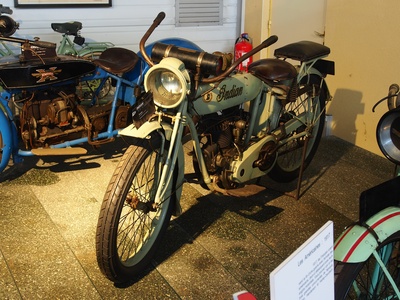
Indian Powerplus
A powerful and durable machine from the late 1910s that remained popular into the early 20s. The Powerplus’s reliable side-valve V-twin engine and advanced-for-the-time suspension made it a top performer until it was succeeded by the legendary Chief.
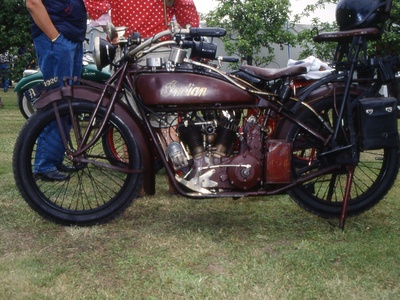
Indian Scout
Designed by the brilliant Charles B. Franklin, the original Scout was a game-changer. This nimble and reliable middleweight was faster than many larger bikes, earning a legendary reputation for superb handling and performance that defined the brand for a generation.
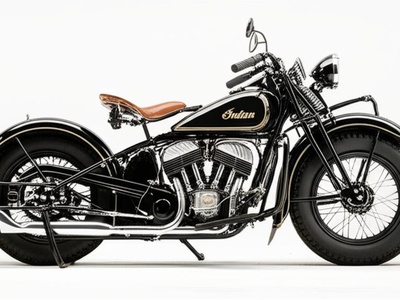
Indian Standard
Marketed alongside the brand-new Chief, the Standard was a continuation of the proven Powerplus model. It offered riders the classic Indian big twin experience at a more affordable price point, representing a bridge between the old guard and the new generation.
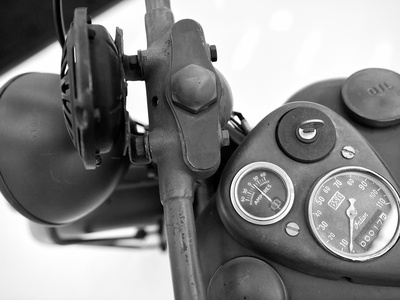
Indian Chief
The original Chief was conceived as a “big Scout,” sharing its smaller sibling’s well-engineered V-twin architecture but scaled up for more power. It immediately became Indian’s flagship heavyweight model, known for its torque, comfort, and iconic good looks.
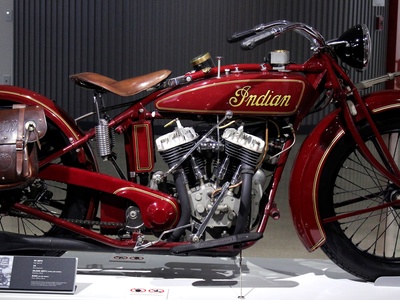
Indian Big Chief
Responding to demands for more displacement, Indian launched the Big Chief with a massive 1,210 cc engine. This “74” model became the definitive American road bike, offering immense torque for sidecar duty and effortless long-distance cruising.
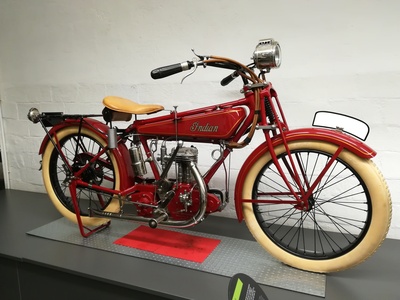
Indian Prince
Indian’s attempt to capture the entry-level market, the Prince was a lightweight and economical single-cylinder bike. Its simple design and easy handling made it accessible to new riders, though it never achieved the widespread fame of its V-twin stablemates.
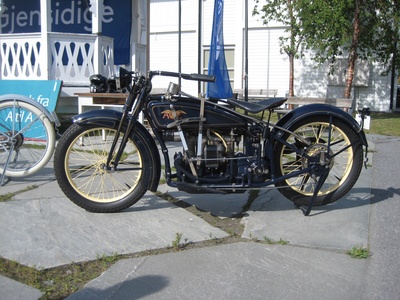
Indian Ace
After Indian acquired the Ace Motor Corporation, they continued producing the legendary four-cylinder machine under their own banner. The Indian Ace was a premium motorcycle celebrated for the incredible smoothness and power delivered by its distinctive inline-four engine.
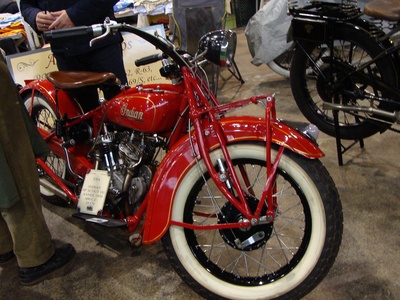
Indian 101 Scout
Often called the best motorcycle Indian ever made, the 101 Scout featured a new frame that provided unparalleled handling. Its combination of a low center of gravity and perfect balance made it a favorite of racers, hillclimbers, and discerning street riders.
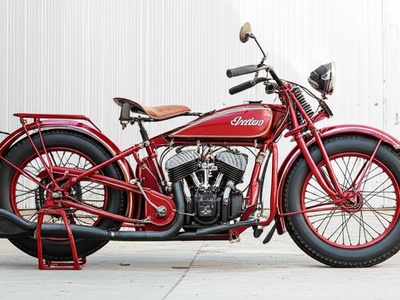
Indian Four (Model 401/402)
The first true “Indian Four” evolved from the Ace, pairing the smooth inline-four engine with Indian’s own double-downtube frame and leaf-spring fork. This created a luxurious and powerful flagship model, establishing a dynasty of four-cylinder Indians.

Sarah Thornton
More from Sarah ThorntonHow we reviewed this article
This article was researched against manufacturer records and editorially reviewed before publishing. We accept no payment for coverage.