TLDR
Search “1928 Jaguar car models” and you’ll hit a wall: there weren’t any. The Jaguar name didn’t exist until 1935. What did exist in 1928 was the Swallow Sidecar Company, run by William Lyons and William Walmsley, building stylish aluminium bodies on top of Austin Seven chassis. The big news that year was the Swallow Saloon, unveiled at the October 1928 Olympia Motor Show — the car that proved Lyons could sell design, not just build sidecars. Everything that eventually became Jaguar starts here.
The company that isn’t Jaguar yet
If you’ve landed here hunting for “1928 Jaguar models,” the honest answer is that you’re seven years too early. In 1928, the outfit that would eventually become Jaguar was called the Swallow Sidecar Company, and it didn’t build a single car under its own name — it built bodies.
Lyons and Walmsley had founded the business in Blackpool in 1922, originally to make motorcycle sidecars with a level of finish nobody else in that market bothered with. Swallow sidecars stood out because they looked designed rather than assembled — swept lines, careful paint, real attention to proportion. That instinct for making a cheap platform look expensive is the thread that runs through everything Lyons did for the next four decades, and it’s already visible in 1928.
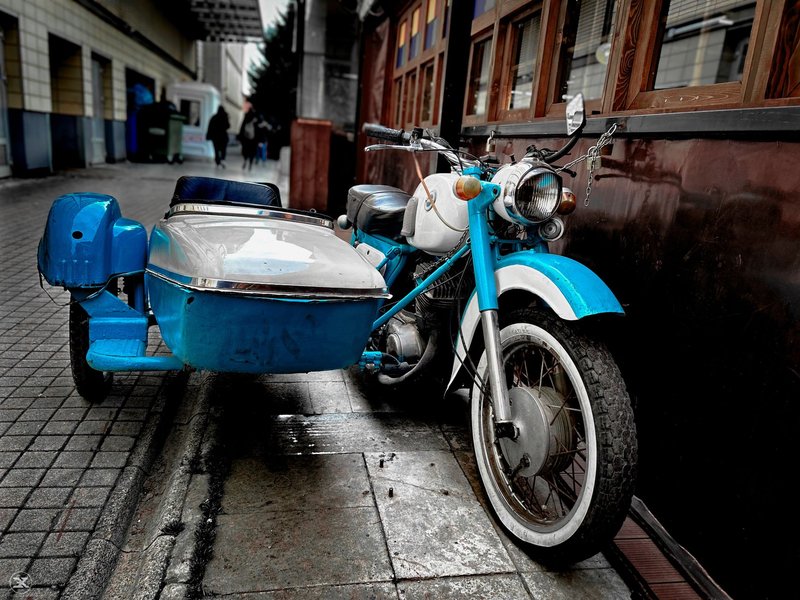
By the mid-1920s the pair had moved from sidecars into coachbuilding — taking a bare Austin Seven chassis, one of the best-selling small cars in Britain, and dressing it in a body that looked nothing like the austere original. The result was the Austin Seven Swallow, and it sold well enough that the company needed more room and more capacity. That need is what shaped 1928.
The Holbrook Lane move
1928 is the year Swallow outgrew Blackpool. The company relocated its operations to Holbrook Lane in Coventry — right into the heart of Britain’s motor industry, close to Austin’s own supply chain and to the skilled panel-beaters and trimmers the growing business needed. It wasn’t a glamorous milestone, but it was the practical one: you don’t build a car company from a seaside town, and Lyons knew it.
Coventry gave Swallow access to chassis suppliers beyond Austin, too, which is part of why the Swallow-bodied lineup wasn’t a one-model operation even this early. Alongside the Austin-based cars, Swallow was also producing bodies on Morris and Fiat chassis, a spread that let the company hedge against any single manufacturer’s fortunes and kept its coachbuilders working on more than one shape of car.
The Swallow Saloon debuts at Olympia
The real headline from 1928 is the Swallow Saloon, which the company showed at the Olympia Motor Show in London that October. Up to that point, Swallow’s reputation rested on open tourers and two-seaters — pretty, but not what a family or a professional buyer necessarily wanted for daily use. The Saloon changed the pitch.
It kept the aluminium body panelling over an ash-framed structure that Swallow already used across its range — coachbuilding, at this point, still meant wood and metal rather than pressed steel — but wrapped it around a proper closed cabin. The standout detail was a V-shaped, or “vee,” windscreen, a small design flourish that did a lot of work: it made the car look faster and more modern than its Austin Seven underpinnings had any right to, and it became a visual signature that separated a Swallow from a bare Austin at a glance.
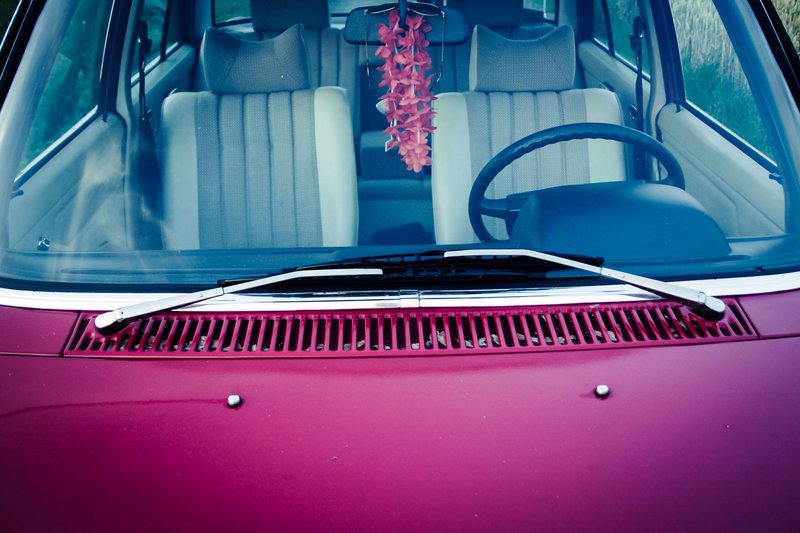
That distinction mattered commercially. An Austin Seven was a basic, functional car built to a price. A Swallow-bodied Seven, and especially the Saloon, was aimed at buyers who wanted the running costs of a small car with the presence of something considerably more expensive. Lyons was selling the gap between what a car cost to build and what it looked like it cost — a trick he’d repeat, at a larger scale, for the rest of his career.
What “1928 Jaguar” actually means
None of this had the name Jaguar on it. That badge wouldn’t appear until 1935, when Lyons — by then running SS Cars, the company Swallow had become — launched the SS Jaguar as a model name before it eventually became the company’s identity in the 1940s. So if you’re trying to pin down which “Jaguar” existed in 1928, the honest answer is zero, because the marque itself was still a decade away from its own name.
What you can trace, accurately, is the design DNA. The Swallow Saloon’s trick of making an ordinary chassis look like a bespoke one is the same trick behind the SS Jaguar 90 and the SS Jaguar 100 in the years that followed, and eventually the postwar XK models that made Jaguar’s name internationally. The 1928 Olympia show car isn’t a footnote to that story — it’s the first public demonstration of the idea the whole company was built on.
FAQ
Was there a Jaguar car model in 1928? No. The Jaguar name wasn’t used until 1935, when SS Cars launched the SS Jaguar. In 1928, the company was still the Swallow Sidecar Company, building bodies for Austin, Morris, and Fiat chassis.
What did William Lyons’ company make in 1928? Swallow-bodied versions of the Austin Seven, including the Austin Seven Swallow and the newly launched Swallow Saloon, plus bodies on other manufacturers’ chassis. The company also relocated from Blackpool to Holbrook Lane in Coventry that year.
What was the Swallow Saloon? A closed-body car on an Austin Seven chassis, with an aluminium body over an ash frame and a distinctive V-shaped windscreen. It debuted at the October 1928 Olympia Motor Show and marked Swallow’s move from sporty tourers into more practical, family-oriented coachwork.
How does 1928 connect to the Jaguar brand? William Lyons and William Walmsley’s coachbuilding business grew from this period into SS Cars, which introduced the SS Jaguar name in 1935. Jaguar became the company’s full identity after World War II. The 1928 Swallow Saloon is an early example of the styling philosophy Lyons carried through every later Jaguar.

Marco Delantero
More from Marco DelanteroHow we reviewed this article
This article was researched against manufacturer records and editorially reviewed before publishing. We accept no payment for coverage. Some guides contain affiliate links; see our affiliate disclosure.