Table of Contents
- TLDR
- The 2015 Jaguar Lineup at a Glance
- 2015 Jaguar XF: The One Most People Should Buy
- 2015 Jaguar XJ: The Flagship
- 2015 Jaguar XK: The Last of Its Kind
- 2015 Jaguar F-Type: The One You Actually Want
- Which 2015 Jaguar Fits You
- Buying Used: Reliability and Ownership Costs
- Final Word
TLDR
Four cars carried the Jaguar badge in 2015: the XF midsize sedan, the XJ flagship, the XK grand tourer (its swan song), and the F-Type, now available as a coupe for the first time. If you want one Jaguar that does everything reasonably well, buy the XF. If you want the one that’s actually fun, buy the F-Type — the V6 S coupe is the sweet spot of the entire range. The XJ is for someone who wants a chauffeured back seat with a British accent instead of a German one. The XK is a closeout special: gorgeous, aging, and worth cross-shopping only if the price reflects that it was replaced by the F-Type Coupe this same year.
The 2015 Jaguar Lineup at a Glance
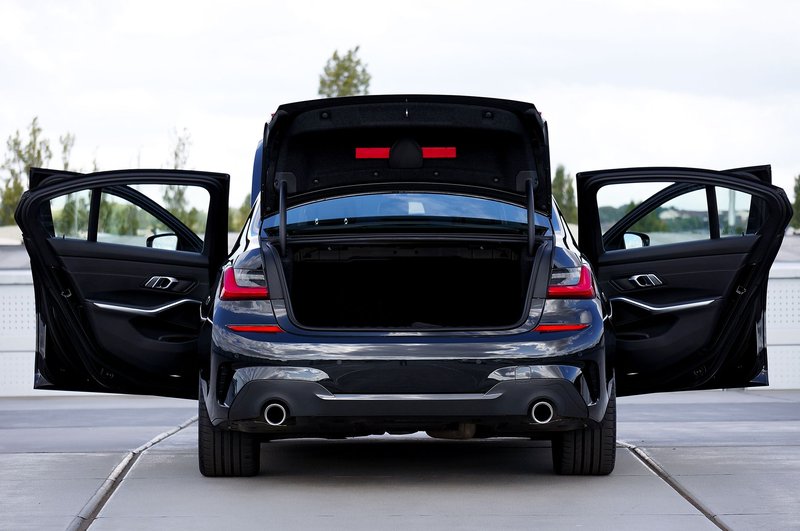
2015 was a transition year for Jaguar. The company was mid-stride in its push to modernize under Ian Callum’s design language and the Ingenium/AJ V6 engine strategy, and you can see it in how uneven this lineup is — one model (F-Type) getting a brand-new body style, another (XK) being quietly sent out to pasture.
| Model | Body Style | Starting MSRP | Engine Range | What’s New for 2015 |
|---|---|---|---|---|
| XF | Midsize sedan | ~$46,975 | 2.0L turbo-4 (240hp) to supercharged 5.0L V8 (550hp, XFR-S) | Sport and Portfolio trim additions, revised infotainment |
| XJ | Full-size flagship sedan | ~$74,700 | 3.0L supercharged V6 (340hp) to 5.0L supercharged V8 (550hp, XJR) | Minor trim shuffling, carryover platform |
| XK | Grand tourer coupe/convertible | ~$83,000 | 5.0L V8 (385hp) to supercharged 5.0L V8 (550hp, XKR-S) | Final model year — discontinued after 2015 |
| F-Type | Sports car (convertible + new coupe) | ~$65,000 | Supercharged 3.0L V6 (340–380hp) to supercharged 5.0L V8 (495hp, R) | Coupe body style debuts alongside the convertible |
Four nameplates, five engine families, and a price spread from the mid-$40s to well over $100,000 once you option an F-Type R Coupe. That’s a wide net for a brand that, in the U.S., was still selling a fraction of what BMW or Mercedes moved in a given month.
2015 Jaguar XF: The One Most People Should Buy
The XF is Jaguar’s answer to the BMW 5 Series and Mercedes E-Class, and for 2015 it’s the most sensible car in the lineup by a wide margin. Five engines cover it: a 2.0-liter turbo-four making 240 horsepower, two supercharged V6 options (all-wheel-drive AWD models get the V6), a 5.0-liter naturally aspirated V8 in the XFR, and the supercharged 5.0-liter V8 in the XFR-S that pushes 550 horsepower to the rear wheels only.
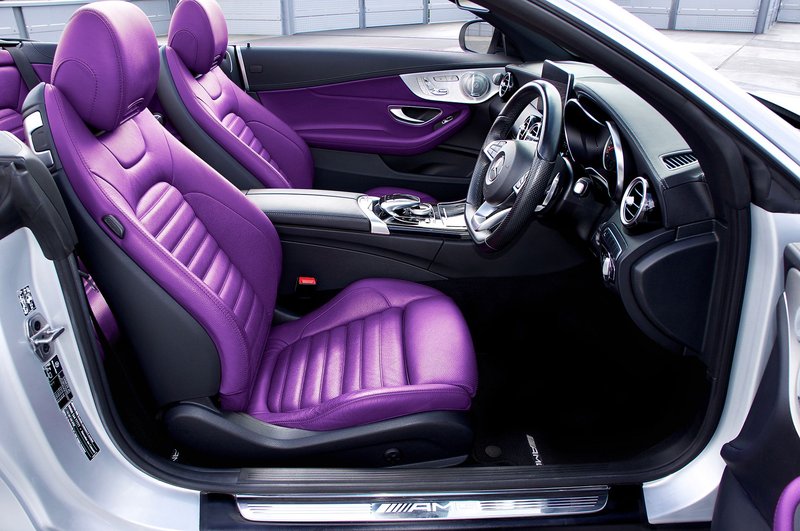
What changed for 2015 specifically: Jaguar added Sport and Portfolio trim packages to fill out the middle of the lineup, and refreshed the InControl Touch infotainment system — still a weak point compared to what Audi and BMW were shipping, but functional. The XF’s chassis is the same aluminum-intensive architecture underneath the XJ, so it drives smaller and lighter than its specs suggest. Edmunds’ contemporary review called out the ride quality as a highlight — firm enough to feel controlled, soft enough that it doesn’t punish you on broken pavement.
The interior is where the XF earns its keep against German rivals: rotary shifter that rises from the console on startup, a dash that curves toward the driver, and enough soft-touch materials that it doesn’t feel like a cost-cut version of the XJ. Rear seat room is tight for taller adults — this is a driver’s sedan first.
2015 Jaguar XJ: The Flagship
The XJ is what happens when Jaguar tries to out-Jaguar the S-Class. It’s long, low for a full-size sedan (Jaguar deliberately kept the roofline sportier than a Mercedes S-Class or BMW 7 Series), and it comes in standard and long-wheelbase versions.
Engine-wise, 2015 XJ buyers chose between a 340-horsepower supercharged V6, a 470-horsepower supercharged V8 (XJL Supersport), and the 550-horsepower XJR at the top. All-wheel drive was available on V6 models, a genuine advantage in northern climates where a rear-drive luxury sedan is a hard sell.
The XJ didn’t get much new for 2015 — it was mid-cycle, and Jaguar’s attention that year was clearly on the F-Type Coupe launch. That’s not necessarily bad news for a buyer: it means the 2015 XJ is a mature, sorted version of a car that had already been on sale since 2010, with the early-build quirks worked out. Car and Driver’s review of the XJ generation noted the same thing other outlets did at the time — it’s the Jaguar for someone who wants to be noticed less than an S-Class owner but drive something that still turns heads at a valet stand.
2015 Jaguar XK: The Last of Its Kind
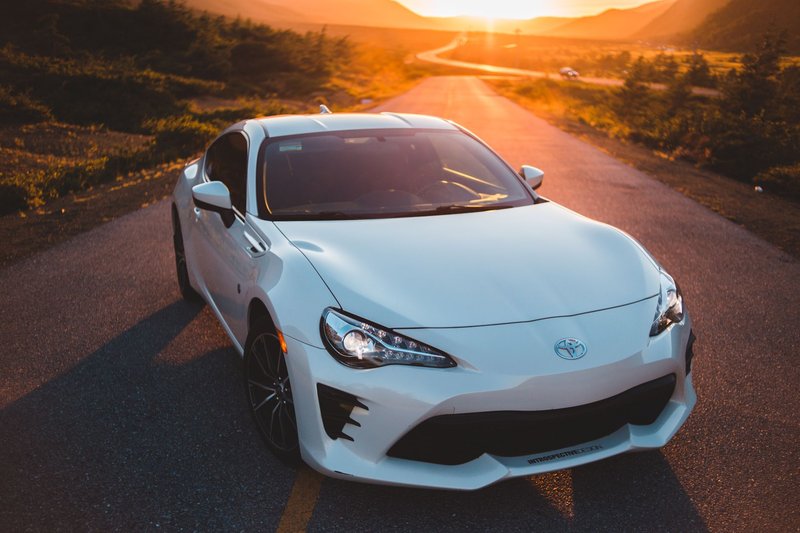
Here’s the one with a real story attached. The XK — sold as a coupe and convertible — was in its final model year in 2015. Jaguar didn’t replace it directly; instead, the new F-Type Coupe effectively absorbed its role, aimed at a similar buyer but built on a more modern platform with sharper reflexes.
The 2015 XK came in three flavors: the base XK with a 385-horsepower naturally aspirated V8, the XKR with a supercharged 510-horsepower V8, and the swan-song XKR-S with 550 horsepower and a suspension tune stiffened enough to feel like a proper GT racer wearing a luxury coat. It’s a bigger, more languid car than the F-Type — a 2+2 grand tourer built for eating highway miles, not one built to attack a canyon road.
If you’re shopping the used market now, the XK’s status as a discontinued model matters. Parts support and long-term value depend on Jaguar keeping the platform serviceable, and because it shares less with the current lineup than the XF or XJ, specialist mechanics become more valuable than dealership service departments.
2015 Jaguar F-Type: The One You Actually Want
The F-Type is the reason to pay attention to Jaguar at all in 2015. It launched as a convertible for 2014, and for 2015 Jaguar added the coupe — arguably the better-looking, better-driving version of the same car, with a stiffer structure that sharpens the steering feel noticeably over the convertible.
Three trims: the base F-Type with a supercharged 3.0-liter V6 making 340 horsepower, the F-Type S with the same engine tuned to 380 horsepower, and the F-Type R with a supercharged 5.0-liter V8 making 495 horsepower. All-wheel drive arrived as an option partway through the model’s life, though most 2015 U.S. builds were rear-drive.
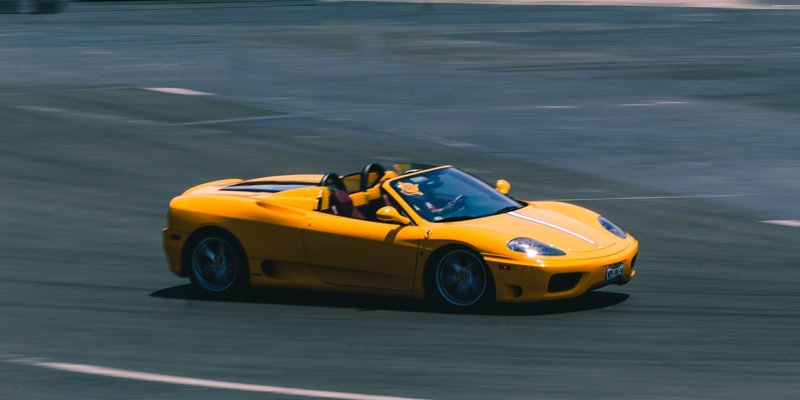
What makes the F-Type worth cross-shopping against a Porsche 911 or Boxster: the exhaust note. Jaguar tuned the F-Type’s active exhaust to crackle and pop on lift-off in a way that’s borderline theatrical, and reviewers at the time — including Jaguar’s own engineering team in interviews with automotive press — were candid that the sound was a deliberate emotional hook, not an accident of tuning. The V6 S coupe hits the best ratio of price, weight, and drama; the V8 R is faster in a straight line but adds nose-heavy understeer that the V6 cars don’t have.
Which 2015 Jaguar Fits You
- You want one car that does commuting, road trips, and the occasional spirited drive: XF. Best blend of practicality and character, and the easiest to find with reasonable mileage on the used market now.
- You want to be driven, not drive: XJ, ideally the long-wheelbase version. Rear legroom and a quieter cabin matter more here than 0-60 numbers.
- You want a big, comfortable GT and don’t mind buying the outgoing model: XK. Just negotiate hard — its discontinued status should show up in the price.
- You want the Jaguar people actually fall in love with: F-Type, V6 S coupe specifically. It’s the model that convinced people Jaguar could build sports cars again.
Buying Used: Reliability and Ownership Costs
This is the gap most lineup roundups skip, and it matters more for an 11-year-old model year than a brand-new one. Jaguar’s reliability reputation through the mid-2010s was mixed — better than the brand’s 1990s nadir, worse than Lexus or Toyota-adjacent competitors. Electrical gremlins (infotainment glitches, sensor faults) show up more often in owner forums than drivetrain failures, and the supercharged V8s, while strong, are expensive to service once they’re out of warranty.
Air suspension components on the XJ and higher trims of the XF are a known wear item — budget for it if you’re buying one with over 60,000 miles. The F-Type’s V6 is mechanically related to units used elsewhere in the Jaguar Land Rover family and tends to be the more dependable choice over the V8, partly because there’s simply less complexity to fail.
Independent Jaguar specialists, rather than franchised dealers, tend to be the more cost-effective route for these cars once they’re out of the factory warranty window — worth locating one near you before you commit to a purchase.
Final Word
The 2015 Jaguar lineup is really two stories in one year: the XF and XJ representing steady, mature execution of cars that had been on sale for years, and the F-Type Coupe representing where the company was actually headed. The XK’s final bow ties a bow on the old strategy just as the new one was proving itself. If you’re shopping this model year specifically, know what you’re buying it for — comfort and presence (XJ), all-around usability (XF), a farewell grand tourer (XK), or genuine driving thrills (F-Type) — because this is a lineup with very little overlap between its members.

Daniela Voss
More from Daniela VossHow we reviewed this article
This article was researched against manufacturer records and editorially reviewed before publishing. We accept no payment for coverage. Some guides contain affiliate links; see our affiliate disclosure.