Table of Contents
- Why 1963 Matters
- Porsche 356B: The Outgoing Champion
- Porsche 356C: The Final, Best 356
- Porsche 901: The Car That Became the 911
- Porsche 904 Carrera GTS: The Racer
- What a 1963 Porsche Costs Today
- The Bottom Line on 1963
Why 1963 Matters
Most years in a carmaker’s history are just inventory turnover. 1963 wasn’t that for Porsche. It’s the one year where you can watch the company’s entire future arrive while its past was still on the showroom floor.
At the Frankfurt Motor Show that September, Porsche rolled out a car called the 901 — a wider, longer, six-cylinder machine that would be renamed 911 within a year after Peugeot objected to the three-digit, middle-zero naming scheme it had used since the 201 in 1929. Meanwhile, on the production line, the 356 was still being built in its last and most refined form, the 356C, with disc brakes it had needed for a decade. And in the workshops, engineers were finishing a fiberglass-bodied racer, the 904 Carrera GTS, built to keep Porsche’s four-cam engine competitive against Ferrari and Shelby.
Three cars, three purposes: one closing a chapter, one opening the next fifty years of the company, one just trying to win Le Mans. That’s 1963 in a sentence, and no other Porsche model year lines up quite like it.
Porsche 356B: The Outgoing Champion
By 1963 the 356B was in its final year of production, having run since 1959 in its “T6” body style with the raised headlights and bigger rear window that separated it visually from earlier 356s. Porsche kept selling B-series cars alongside the incoming 356C for part of the year, which is why both letters share the calendar.
The lineup topped out with the 356B Carrera 2, introduced at Frankfurt in 1961 and still in limited production into 1963. It used a 1,966cc four-cam engine — the same architecture bred from Porsche’s racing program — producing around 130bhp DIN at 6,200rpm. That’s what let it cut the 0-100mph time from 33.5 seconds down to 27.2 compared to the pushrod cars. It was also the first Porsche production model to get disc brakes, a detail that matters more than it sounds: everything below it in the lineup was still stopping with drums.
Porsche built only 96 Carrera 2 cabriolets across the model’s run on the 356B/C tub, which tells you how rare the four-cam cars were even when new. Most 356Bs sold in 1963 were ordinary pushrod Supers and Super 90s, not the exotic Carrera engine.
Porsche 356C: The Final, Best 356
The 356C arrived for the 1964 model year but was announced and entering production during 1963, making it a genuine 1963 Porsche in the same way the 901 is — announced in one calendar year, delivered as a “next year” model. It’s worth treating as part of the 1963 story because it’s the culmination of everything the 356 had been building toward since 1948.
The headline change was disc brakes across the entire 356 range, not just the Carrera 2 — a fix that had been overdue given how much power the top trims were putting down. The engine lineup simplified to two versions of the same 1,600cc pushrod flat-four: the 1600C at 75hp and the 1600SC at 95hp, the most powerful pushrod engine Porsche ever built. The Carrera 2 continued above both as the four-cam flagship.
Porsche produced 9,672 automobiles total in 1963, the overwhelming majority of them 356 variants, which puts the scale in perspective: the 901/911 that would define the brand for six decades was, in 1963, a low-volume newcomer next to a nine-year-old platform still selling in the thousands.
Porsche 901: The Car That Became the 911
Porsche needed a 356 replacement that didn’t feel like an apology for replacing the 356, and the 901 delivered what would be one of the best cars of the 1960s. Longer wheelbase, a proper 2+2 cabin, and — for the first time in a Porsche road car — a six-cylinder engine, a 2.0-liter air-cooled flat-six making around 130hp. It debuted at the Frankfurt show in September 1963, styled by Ferdinand “Butzi” Porsche, and it looked like nothing else in the lineup: lower beltline, that sloping fastback roofline that’s still recognizably a 911 silhouette sixty years later.
The name changed before serious production got going. Peugeot had been using three-digit model names with a zero in the middle since 1929 — the 201, later the 203, 403, and so on — and held the trademark across most of Europe. When Porsche’s 901 showed up at the Paris Salon in October 1964, Peugeot objected, and Porsche renamed the car 911 rather than fight a trademark battle in France, one of its bigger European markets. Fewer than 100 cars were built and sold under the original 901 badge before the switch, which is why genuine 901-badged cars are now among the most sought-after collector Porsches in existence — not because the car changed, but because the badge on it lasted about a year.
It’s worth being precise about what “1963” means for this car: it was unveiled and shown that September, but customer deliveries didn’t really ramp up until late 1964 and into 1965. If you’re researching a “1963 Porsche 911,” what you’re actually looking for is either a 901-badged prototype/early production car or an early 1964 911 — true production-spec 911s dated 1963 essentially don’t exist in meaningful numbers.
Porsche 904 Carrera GTS: The Racer
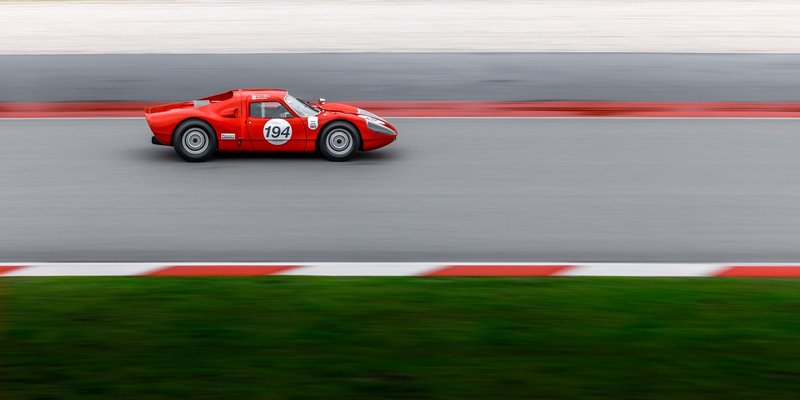
While the 901 was getting the spotlight at auto shows, Porsche’s competition department was finishing a car built purely to win. The 904 Carrera GTS debuted late in 1963 for the 1964 racing season, replacing the outgoing 718 as Porsche’s front-line GT racer, and it needed to be homologated — which meant building at least 100 street-legal examples for sale to the public.
Porsche built 106 of them, at a rate of four or five cars a day, with a list price of $7,245 FOB Stuttgart — expensive for the era, cheap for what it delivered. Under the fiberglass body sat a 1,966cc four-cam flat-four making around 180bhp, paired with a five-speed transaxle and a choice of final drive ratios depending on the circuit. Race-prepped cars weighed about 1,443 pounds, which is lighter than a lot of modern motorcycles-with-doors, and that weight is why a car with “only” 180 horsepower could crack 60mph in under six seconds and top out around 160mph on the right gearing.
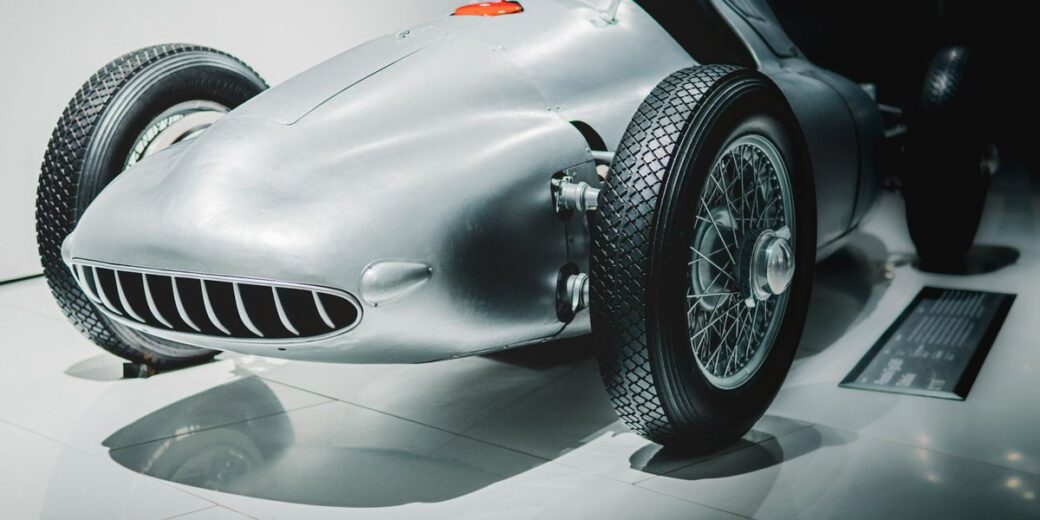
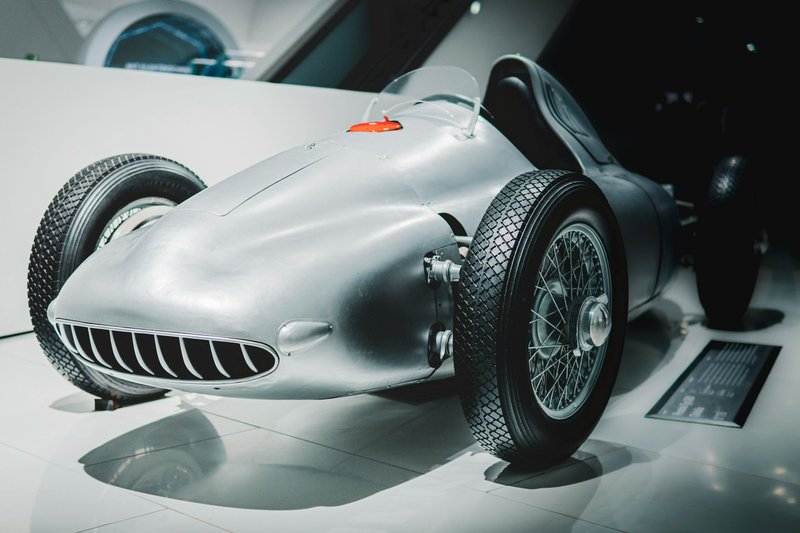
The 904 is arguably the purest expression of what Porsche was doing in 1963: taking the four-cam engine developed for the Carrera road cars and putting it in the lightest, most aerodynamic package the rulebook allowed — which is why it’s considered one of the best sports cars of the 1960s, right as the company’s road-car identity was shifting to six cylinders underneath it.
What a 1963 Porsche Costs Today
Values across this lineup span an enormous range, and knowing which bucket a car falls into matters more than the model name alone.
A 1963 356B or 356C in a common pushrod trim — the 1600C, the Super, the SC — is the entry point into vintage Porsche ownership. Good driver-quality examples trade in the low-to-mid five figures, with concours cars pushing into the $100,000+ range depending on originality and documentation.
The 356 Carrera 2, with its four-cam engine and near-100-unit production run, lives in a different tier entirely — expect seven figures for a documented, numbers-matching example, since so few were built and even fewer survive unmolested.
Original 901-badged cars, built before the Peugeot-forced rename, are among the rarest Porsches that exist for public sale, and when one surfaces at auction it draws attention well beyond the usual Porsche crowd — these routinely clear seven figures. Early 911s from 1964-65 are far more attainable, running from the low six figures for solid drivers up from there for exceptional originals.
The 904 Carrera GTS sits at the top of the range for anyone chasing 1963 metal: with only 106 built and genuine period racing pedigree behind most surviving examples, auction results regularly land well into seven figures, occasionally past $2 million for cars with the right race history attached.
The Bottom Line on 1963
No single “1963 Porsche” exists the way a 1963 Corvette or Mustang does — Porsche was mid-transition, selling out an old platform while showing off the next one and racing a third. That’s exactly what makes the year worth understanding on its own: the 356C represents a company perfecting a formula it was about to retire, the 901 is the first look at the car that would carry Porsche for the next sixty years, and the 904 is proof the same engineering team could do both at once without dropping the ball on the racetrack. If you’re shopping this era, know which of the three stories you’re actually buying into — a refined finale, a historic first draft, or a homologation racer — because the prices and what you’re getting for them couldn’t be more different.
Marco Delantero
More from Marco DelanteroHow we reviewed this article
This article was researched against manufacturer records and editorially reviewed before publishing. We accept no payment for coverage. Some guides contain affiliate links; see our affiliate disclosure.