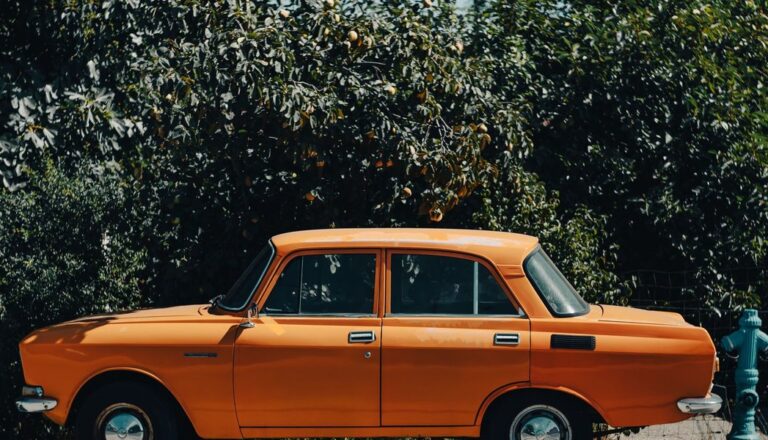
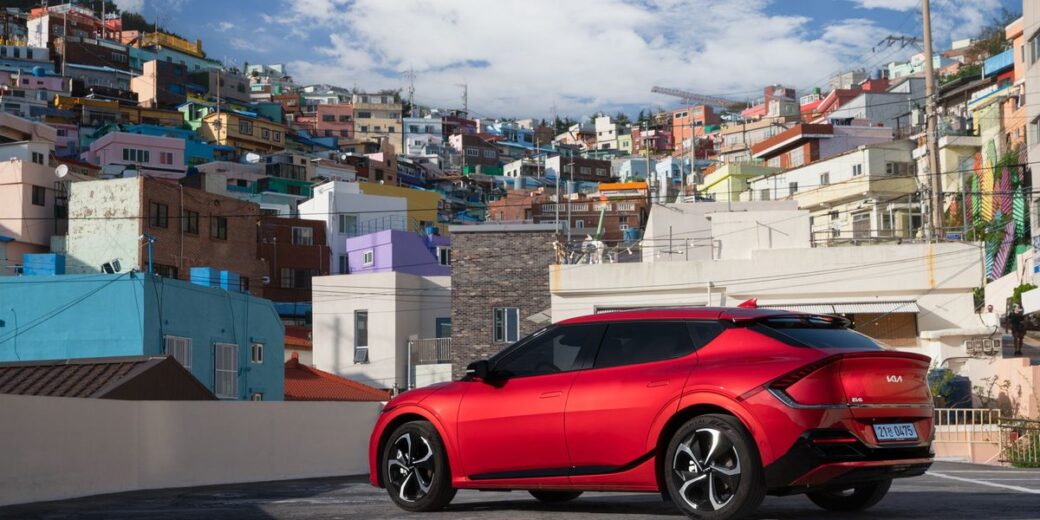
Ask someone to name a Korean car brand and you’ll get Hyundai. Maybe Kia. The sharp ones will add Genesis. After that, most people stall — and they assume that’s the whole list.
It isn’t. South Korea’s auto industry is really one giant (Hyundai Motor Group) plus a graveyard of brands that got bought, renamed, bankrupted, and occasionally resurrected. Daewoo became Chevrolet. SsangYong went bankrupt twice and came back as KG Mobility. Samsung built cars for two decades before walking away. The badges you see on the road today are the survivors of a brutal, fast consolidation that happened in barely 50 years.
So here’s the actual roster — who’s alive, who’s dead, who owns what, and whether any of it is worth your money.
Table of Contents
- The short version
- The Big Three: Hyundai Motor Group
- Hyundai
- Kia
- Genesis
- The mass-market survivor: GM Korea
- The comeback kid: KG Mobility (ex-SsangYong)
- The foreign-owned outlier: Renault Korea
- The ghosts: Daewoo, Samsung, and the rest
- The tiny one nobody mentions: Spirra
- The one across the border: Pyeonghwa
- Are Korean cars reliable?
- FAQ
The short version
If you only remember one thing: nearly every Korean car brand sold today rolls up to Hyundai Motor Group. Hyundai, Kia, and Genesis are all one company. After that, the active list is short:
- Hyundai — the flagship, mass-market to near-luxury
- Kia — Hyundai’s sister brand, sportier styling
- Genesis — the luxury arm, spun off in 2015
- GM Korea — builds Chevrolets in Korea (the old Daewoo)
- KG Mobility — the rebranded SsangYong, SUV and pickup specialist
- Renault Korea — French-owned, formerly Samsung Motors
Everything else — Daewoo, Samsung Motors, Asia Motors — is gone or absorbed. The verdict on reliability is at the bottom, and it’s better than the old reputation suggests.
The Big Three: Hyundai Motor Group
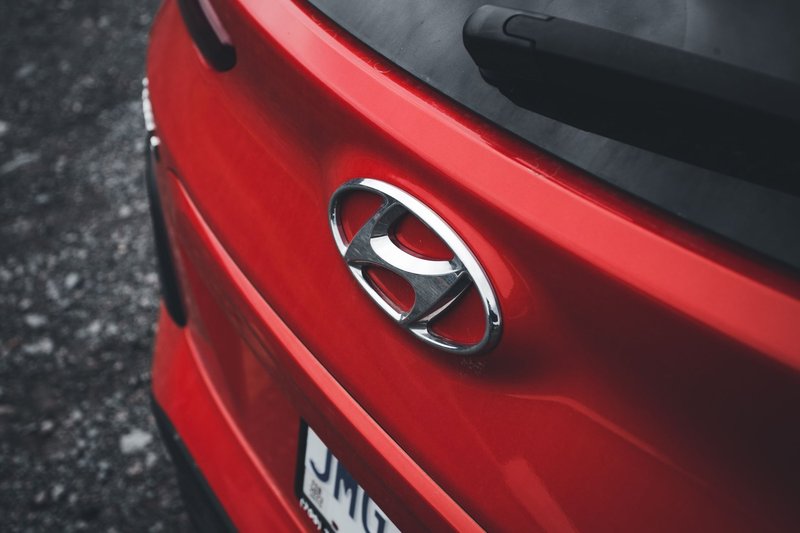
One company, three badges, and roughly a third of every car sold in Korea. Hyundai Motor Group is the world’s third-largest automaker by volume, behind Toyota and Volkswagen — which puts Korea near the top of a global field of car brands that spans dozens of countries. The cross-ownership is genuinely tangled — Hyundai owns about a third of Kia, Kia owns chunks of other group affiliates, and the whole thing loops back through Hyundai Mobis. For a buyer, the takeaway is simpler: these three brands share engines, platforms, and the E-GMP electric architecture under most of their EVs.
Hyundai
Founded: 1967 Owner: Hyundai Motor Group (publicly traded) Signature models: Sonata, Tucson, Ioniq 5
Hyundai started by assembling Ford Cortinas under license, then built its first original car — the Pony — in 1975 with help from a former British Leyland executive. For years the brand was a punchline: cheap, rust-prone, the car you bought when you couldn’t afford a Honda.
That ended somewhere around the 2011 Sonata. Today Hyundai’s design language is genuinely distinctive (those parametric pixel lights on the Ioniq line are unmistakable), and the Ioniq 5 won World Car of the Year in 2022. The brand still anchors on value, but it’s no longer the cheap option by default — it’s the one that quietly out-specs the competition at the same price.
Kia
Founded: 1944 (as a bicycle parts maker) Owner: Hyundai Motor Group Signature models: Telluride, Sportage, EV6
Kia is the oldest Korean car company, though it didn’t build a car until the 1970s — it started making bicycle tubing and motorcycles. It nearly died in the 1997 Asian financial crisis and was rescued by Hyundai in 1998, which is why the two are joined at the hip today.
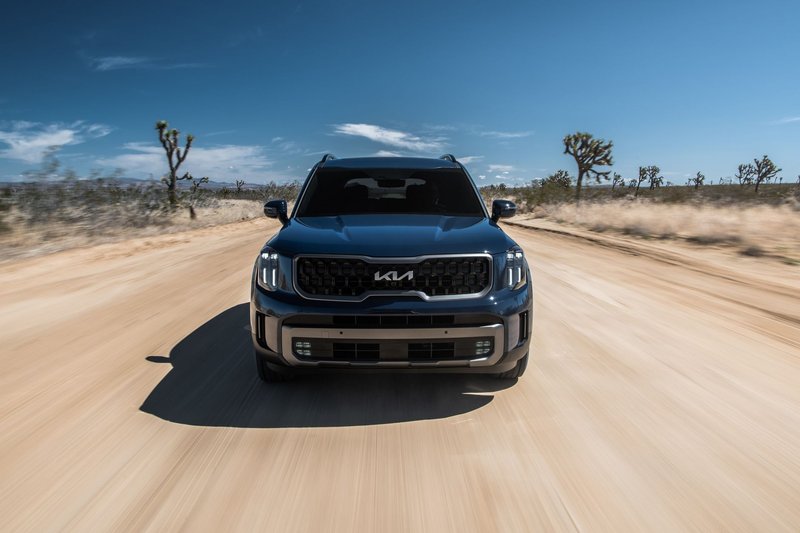
Kia gets the sportier, more aggressive styling within the group, courtesy of design boss Peter Schreyer (the man behind the original Audi TT). The Telluride is the one that broke through in America — a three-row SUV that won North American Utility of the Year and developed actual waiting lists. The EV6 shares its bones with the Ioniq 5 but reads as the edgier sibling.
Genesis
Founded: 2015 (as a standalone brand) Owner: Hyundai Motor Group Signature models: G80, GV70, GV60
This is Korea’s answer to Lexus — and like Lexus, it was built to crack the luxury market the parent brand couldn’t reach. Hyundai had sold a model called the Genesis since 2008; in 2015 it cut the badge loose as its own marque.
Genesis competes directly with BMW, Mercedes, and Audi, and the road-test press has been startled by how close it gets. The GV70 and G80 routinely land in luxury comparison tests above their German rivals on value and interior quality. The brand’s tell is the two-line “Athletic Elegance” lighting signature, repeated front and rear. It’s the youngest luxury nameplate on the market, and it’s punching well above its age.
The mass-market survivor: GM Korea
Founded: 1937 (as a Daewoo predecessor); GM took control in 2002 Owner: General Motors Signature models: Chevrolet Trailblazer, Trax
Here’s where it gets confusing. The brand most older buyers remember as Daewoo is now GM Korea, and the cars it builds wear Chevrolet badges.
Daewoo Motors collapsed spectacularly in 2000 during the fallout from the Asian financial crisis — the parent Daewoo Group was one of the largest corporate bankruptcies in history at the time. General Motors picked up the pieces in 2002, ran it as GM Daewoo, then dropped the Daewoo name entirely in 2011 and went all-in on Chevrolet branding in Korea.
So GM Korea is a Korean factory and engineering operation building American-badged cars. Models like the Trailblazer and Trax are designed and built in Korea for global Chevrolet markets. It’s Korean manufacturing, American nameplate — the inverse of what most people assume.
The comeback kid: KG Mobility (ex-SsangYong)
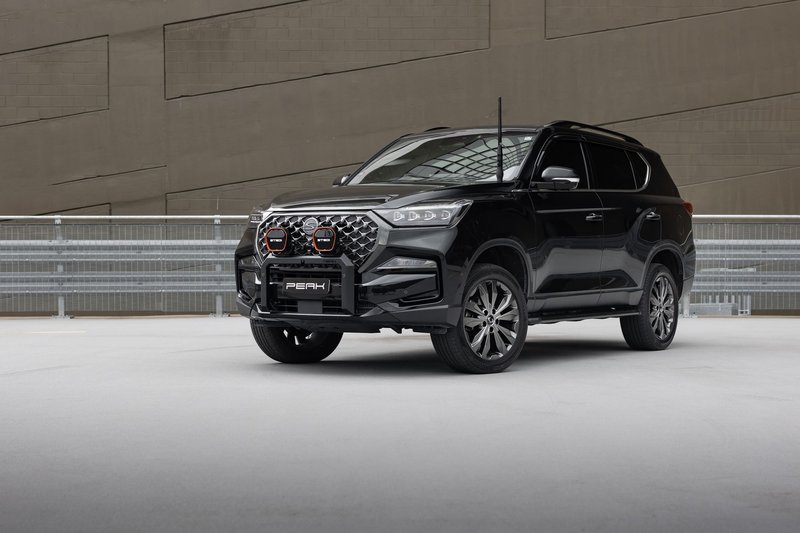
Founded: 1954 Owner: KG Group Signature models: Torres, Rexton, Musso
No Korean brand has died and come back as many times as this one. SsangYong specialized in rugged SUVs and pickups — it once built Mercedes-Benz engines under license, which is why its older 4x4s have a tank-like over-engineered feel.
It went bankrupt in the 2008 financial crisis, got bought by India’s Mahindra in 2011, then went bankrupt again in 2020. In 2022 the Korean KG Group acquired it, and in 2023 the company rebranded entirely as KG Mobility, retiring the SsangYong name. The Torres SUV and its electric version, the Torres EVX, are the brand’s bet on staying alive this time. If you want a Korean car that isn’t part of the Hyundai empire and isn’t a rebadged Chevy, this is basically your only homegrown option.
The foreign-owned outlier: Renault Korea
Founded: 1994 (as Samsung Motors) Owner: Renault Group (with Geely holding a stake) Signature models: QM6, SM6, Koleos
The brand currently called Renault Korea started life as Samsung Motors — yes, that Samsung. The electronics giant entered the car business in 1994, built cars under a technology license from Nissan, then got hammered by the 1997 crisis and sold its auto division to Renault in 2000.
For two decades it sold cars as “Renault Samsung,” carrying the Samsung badge under license. That license expired, and in 2022 it became plain Renault Korea, with China’s Geely taking a stake. It’s the most foreign of the Korean brands — French-controlled, Nissan-derived engineering, increasingly Geely-influenced — but it still designs and builds vehicles in Busan for the local market. The parent company has never been sentimental about its catalog, either; Renault has discontinued a long line of models over the decades, and the Korea-only nameplates carry no guarantee they’ll stick around.
The ghosts: Daewoo, Samsung, and the rest
These badges shaped the industry and then vanished. You’ll still see their names in used listings and old logo guides, so it’s worth knowing what happened:
- Daewoo Motors — Absorbed into GM Korea (see above). The name was fully retired in Korea by 2011. Some export markets kept it limping along a few years longer.
- Samsung Motors — Became Renault Korea. The Samsung badge is gone from cars as of 2022.
- Asia Motors — A commercial-vehicle and SUV maker (it built the Rocsta off-roader) that Kia owned and folded into itself in the late 1990s.
- Proto Motors — A small specialist that built kit cars and the Spirra (more below) before fading.
The pattern is the same every time: the 1997–1998 Asian financial crisis acted like a culling event. Korea went from a half-dozen independent automakers to essentially one conglomerate plus a few foreign-owned plants, and the survivors absorbed the dead.
The tiny one nobody mentions: Spirra
Maker: Oullim Motors (formerly Proto Motors) Type: Mid-engine sports car
Korea’s only real attempt at an exotic. The Spirra was a low-volume, mid-engine sports car using a Hyundai-sourced V6, hand-built in tiny numbers from the mid-2000s. Think of it as a passion project rather than a brand — production was measured in dozens, not thousands. It almost never appears on mainstream Korean-brand lists, which is exactly why it’s worth a footnote: proof that Korea tried building a supercar before the EV era made the question moot.
The one across the border: Pyeonghwa
For completeness, North Korea has an automaker too: Pyeonghwa Motors, a joint venture that assembled licensed and rebadged Fiat, Brilliance, and Dandong vehicles. Production figures are murky and tiny, and you will never buy one. But “Korean car brands” technically includes it, and most directories quietly skip it.
Are Korean cars reliable?
Short answer: yes, and the data backs it up now in a way it didn’t 20 years ago.
The old reputation — cheap and disposable — was earned in the 1990s and is genuinely obsolete. In recent J.D. Power Initial Quality Studies, Genesis, Kia, and Hyundai have repeatedly placed among the top brands, with Genesis often leading premium nameplates outright. Consumer Reports’ reliability rankings have likewise pushed the group up into the company of Japanese stalwarts.
Two concrete reasons the trust is justified:
- The warranty. Hyundai and Kia popularized the 10-year/100,000-mile powertrain warranty in the US, a bet a company doesn’t make if it expects engines to grenade.
- Shared engineering. Because the whole Hyundai group shares platforms and the E-GMP EV architecture, a proven component gets spread across dozens of models, so problems surface and get fixed at scale.
The honest caveat: Hyundai-Kia had a real-world black eye with the Theta II 2.0/2.4-liter engines from the early-to-mid 2010s, which triggered recalls and a class-action settlement over engine failures and fires. If you’re shopping used, that’s the specific thing to check — not Korean cars as a category, but that specific engine family in that specific window.
For new cars, especially the EVs, the verdict is straightforward: a current Hyundai, Kia, or Genesis is as safe a reliability bet as anything from Japan, and usually better-equipped for the money.
The takeaway
Strip away the dead badges and the directory gets simple. There’s one Korean automotive giant — Hyundai, Kia, and Genesis under Hyundai Motor Group — plus three smaller players: GM Korea building Chevrolets, KG Mobility carrying the old SsangYong banner, and French-owned Renault Korea. Everything else is history.
It’s a remarkable run for an industry that, within living memory, was assembling other people’s cars under license. The country that gave us the rust-bucket Pony now builds award-winning EVs and a luxury brand that worries the Germans. Whatever you remember about Korean cars, it’s probably out of date.
FAQ
Are Hyundai and Kia the same company? Effectively, yes. Both are part of Hyundai Motor Group; Hyundai owns roughly a third of Kia. They share platforms, engines, and EV architecture, but they operate as separate brands with different styling and dealer networks.
Is Genesis a Korean brand? Yes. Genesis is the luxury division of Hyundai Motor Group, spun off as its own brand in 2015. It’s Korean-owned and largely Korean-built, positioned against BMW, Mercedes, and Lexus.
Is Daewoo still around? Not as a car brand. Daewoo Motors collapsed in 2000, was bought by General Motors in 2002, and the name was retired by 2011. Those factories now build Chevrolets as GM Korea.
What happened to SsangYong? It went bankrupt twice (2008 and 2020), was acquired by Korea’s KG Group, and rebranded as KG Mobility in 2023. It still builds SUVs and pickups like the Torres and Rexton.
Which Korean brands make electric cars? Hyundai (Ioniq 5, Ioniq 6), Kia (EV6, EV9), and Genesis (GV60, Electrified G80) all build EVs on the shared E-GMP platform. KG Mobility offers the Torres EVX. The Hyundai group is one of the more aggressive EV players outside of Tesla and the Chinese brands.
Is Samsung a car brand? Not anymore. Samsung Motors built cars from 1994 until Renault bought the division in 2000; the Samsung badge was dropped in 2022 when it became Renault Korea.

Marco Delantero
More from Marco DelanteroHow we reviewed this article
This article was researched against manufacturer records and editorially reviewed before publishing. We accept no payment for coverage.