If you’re hunting for a list of 1957 Lamborghini cars, here’s the short version: there weren’t any. Not one. The marketplace pages promising “1957 Lamborghini” inventory either show you an empty page or quietly redirect you somewhere else, and they never tell you why.
The why is the interesting part. In 1957, Lamborghini was a tractor company. A successful one. The raging bull that now sits on the nose of a $500,000 supercar started its life on the hood of a diesel farm machine plowing fields in northern Italy.
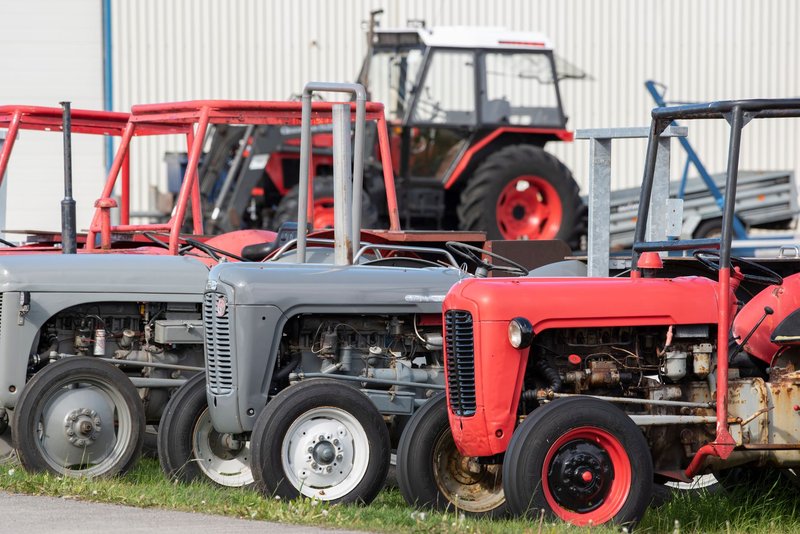
Table of Contents
- The Quick Answer
- What Lamborghini Actually Built in 1957
- The DL30: A Real 1957 Lamborghini
- Why People Search for 1957 Lamborghini Cars
- The Timeline: Tractors to Supercars
- The Ferrari Feud That Changed Everything
- So What Was the First Lamborghini Car?
The Quick Answer
There are no 1957 Lamborghini car models because Automobili Lamborghini didn’t exist in 1957. The car company wasn’t founded until 1963, and its first production car — the 350 GT — didn’t reach customers until 1964.
What did exist in 1957 was Lamborghini Trattori, the tractor manufacturer Ferruccio Lamborghini had founded in 1948. That company was building diesel tractors like the DL25 and DL30, and one of those tractors is the only genuine “1957 Lamborghini” you’ll ever find at auction.
So if a classified listing claims to have a 1957 Lamborghini car for sale, it’s an auto-generated page filling a search query it can’t actually answer. The car doesn’t exist.
What Lamborghini Actually Built in 1957
Ferruccio Lamborghini came out of World War II with a knack for engines and a pile of surplus military hardware to work with. He started building tractors from leftover parts — engines, transmissions, axles pulled from decommissioned vehicles — and turned that scrappy operation into Lamborghini Trattori.
By 1957 the company had moved well past cobbled-together machines. It was producing purpose-built diesel tractors for Italy’s farms during the postwar agricultural boom, a period when mechanization was transforming the countryside. Ferruccio’s tractors had a reputation for reliability, and the business made him genuinely wealthy — wealthy enough to buy the Ferrari that would later start the most famous grudge in automotive history.
The 1957 lineup centered on the DL series. These were medium-power diesel machines, the kind of equipment a working farm bought to actually use, not to admire. No prancing-horse pretensions. Just torque and dependability.
The DL30: A Real 1957 Lamborghini
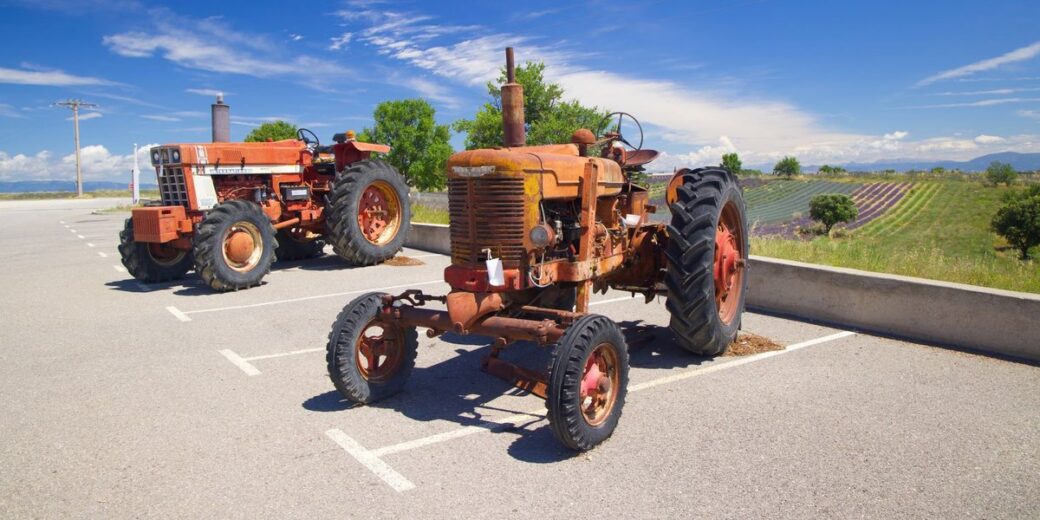
Here’s the one model you can actually point to. The Lamborghini DL30 is a documented 1957 tractor, and a surviving example went through Bonhams’ auction block — proof that a “1957 Lamborghini” genuinely exists, just not the kind anyone expects.
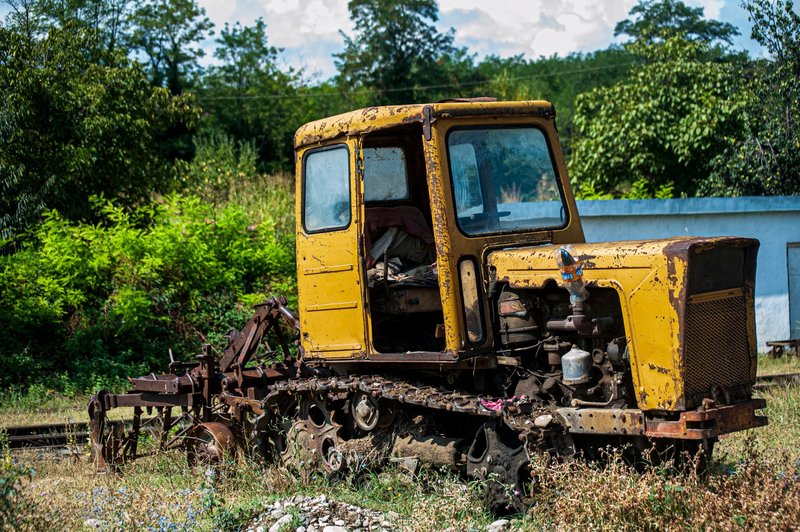
The DL30 was a 2-cylinder diesel producing around 30 horsepower. Modest by any modern standard, but exactly right for the job it was built to do. The “DL” stood for Diesel Lamborghini, and the number roughly tracked the power class.
| Spec | Lamborghini DL30 (1957) |
|---|---|
| Type | Agricultural tractor |
| Engine | 2-cylinder diesel |
| Power | ~30 hp |
| Era | Lamborghini Trattori |
| Auction result | ~$40,700 (Bonhams) |
That auction price is worth sitting with for a second. A 30-horsepower farm tractor sold for north of forty grand — not because of what it does, but because of the badge it wears and the story it tells. Collectors aren’t buying a tractor. They’re buying the first chapter of Lamborghini.
The smaller DL25 sat just below it in the range, and the DL series as a whole defined the company’s mid-1950s output. If you want a tangible 1957 Lamborghini, the DL30 is the one to chase.
Why People Search for 1957 Lamborghini Cars
The phrase exists mostly because of how classified and marketplace sites work. Pages like Classic.com, Gullwing Motor Cars, and Classics on Autotrader generate inventory listings for nearly every conceivable make-and-year combination, whether or not a single matching car exists. Type “1957 Lamborghini” into a search engine and you’ll get a fistful of these pages — all empty, none explaining the emptiness.
That creates a feedback loop. The empty pages rank, people click them, the query looks popular, and more empty pages get generated. Nobody stops to say the obvious thing: Lamborghini wasn’t making cars yet.
A handful of searchers are after trivia or quiz answers. Some are classic-car shoppers who saw the year attached to the brand and assumed a model existed. Either way, the honest answer is the same, and it’s the one the marketplace pages never give you.
The Timeline: Tractors to Supercars
Here’s how the actual history lines up. The 1957 question only makes sense once you see where it falls.
- 1948 — Ferruccio Lamborghini founds Lamborghini Trattori and starts building diesel tractors.
- 1957 — The company is producing the DL series, including the DL30. No cars. No plans for cars yet.
- 1960 — Lamborghini expands into oil heaters and air-conditioning systems, building further wealth.
- 1963 — Ferruccio founds Automobili Lamborghini in Sant’Agata Bolognese.
- 1964 — The Lamborghini 350 GT, the first production car, is delivered to customers, taking its place among the era’s defining 1960s luxury cars.
- 1966 — The Miura debuts and rewrites what a sports car can be.
Six years separate the DL30 tractor from the founding of the car company. Nearly a decade separates it from the first car on the road. The 1957 Lamborghini you’re looking for is firmly in the tractor era, with no automobile anywhere near it on the calendar.
The Ferrari Feud That Changed Everything
The reason a tractor magnate ever built a supercar comes down to a clutch and a bruised ego.
Ferruccio, by then rich from tractors, owned several Ferraris. He kept having trouble with the clutch in his 250 GT and decided the part was no better than the ones in his own tractors. As the story goes, he took his complaint directly to Enzo Ferrari, who reportedly told the tractor maker he had no business lecturing a carmaker about sports cars.
According to Britannica, that dismissal pushed Ferruccio to build a grand tourer of his own — one that would outdo Ferrari on refinement. Whether every detail of the exchange happened exactly as legend tells it, the outcome is documented and undeniable: Automobili Lamborghini was born from a man who decided he could do it better.
The Lamborghini badge even carries the grudge. Ferruccio was a Taurus, and he picked a charging bull — a direct counterpoint to Ferrari’s horse and a nod to the bullfighting names that would brand his cars for decades.
So What Was the First Lamborghini Car?
The first Lamborghini car was the 350 GT, unveiled in 1964. It used a 3.5-liter V12 designed by Giotto Bizzarrini — an engineer who’d come from, of all places, Ferrari. The 350 GT was a front-engine grand tourer built to be smoother and more livable than the Ferraris of its day, and it set the template for the V12 Lamborghinis that followed.
So when someone asks about 1957 Lamborghini models, the complete answer is this: in 1957 the company built tractors like the DL30, the car company didn’t exist until 1963, and the first car — the 350 GT — arrived in 1964. The supercar legend everyone associates with the name was still years of diesel and farmland away.
If you came here looking for a vintage Lamborghini to buy from 1957, the DL30 tractor is the only thing that fits. And honestly? Owning the machine that funded the first Lamborghini supercar is a better story than most cars can tell.

Marco Delantero
More from Marco DelanteroHow we reviewed this article
This article was researched against manufacturer records and editorially reviewed before publishing. We accept no payment for coverage.