Table of Contents
- Honda in 1968: Still Proving a Point
- Honda N360
- Honda S800
- Honda N600
- Honda 1300
- Honda TN360
- The Lineup at a Glance
Honda in 1968: Still Proving a Point {#honda-in-1968}
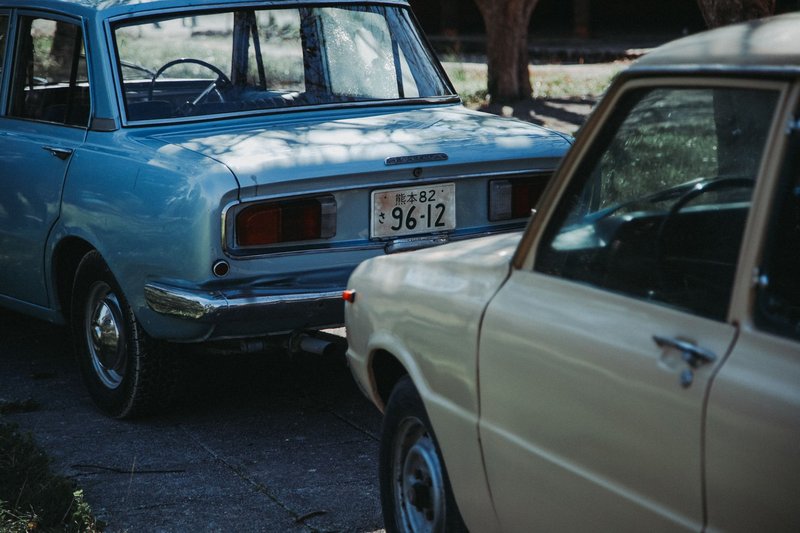
By 1968, Honda had been building four-wheeled vehicles for barely five years. The motorcycle business was already a global success — the Super Cub had sold millions — but cars were the harder fight. Toyota and Nissan owned Japan’s roads, and European and American buyers had no real reason to take a chance on an unknown automaker from Hamamatsu.
Honda’s answer wasn’t to play it safe. The 1968 lineup is a study in how one company tried to win every corner of the market at once: a city microcar for commuters, a roadster for drivers who wanted to have fun, a compact destined for export, and a brand-new engine architecture that would define the company’s engineering identity for decades. That’s a lot to pull off when you’re still a startup in automotive terms.
Here’s what Honda was building that year.
Honda N360 {#honda-n360}
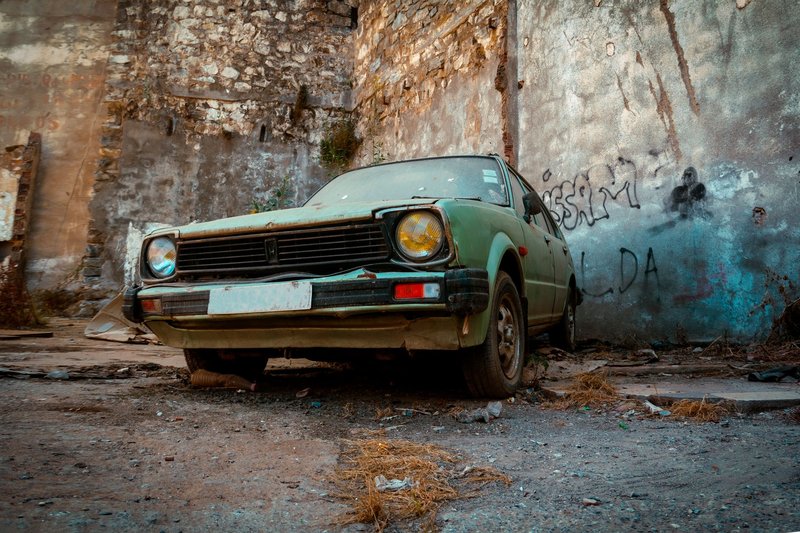
The N360 is where Honda’s car business really found its footing. Launched in 1967 and going strong through 1968, it fit Japan’s kei car regulations: under 360cc, compact enough to park anywhere. Honda built a twin-cylinder, air-cooled engine derived directly from their motorcycle work and installed it transversely — front-wheel drive, before that was normal for mass-market cars.
The result was 31 horsepower from a 354cc engine, a kerb weight under 400 kg, and performance that embarrassed everything else in the kei class. At Japan’s small-displacement fuel economy runs, the N360 kept winning. Honda also offered a van variant and a pickup body style under the same platform, giving buyers more options than any competitor.
It outsold the Subaru 360 almost immediately after launch, which tells you something about how quickly Honda moved once they had a product worth selling. By 1968, it was Japan’s best-selling kei car — a milestone that cemented Honda’s place among the most celebrated old JDM cars to emerge from that era.
Key specs: 354cc twin-cylinder air-cooled engine, ~31 hp, front-wheel drive, 2-door sedan (also van and pickup variants)
Honda S800 {#honda-s800}
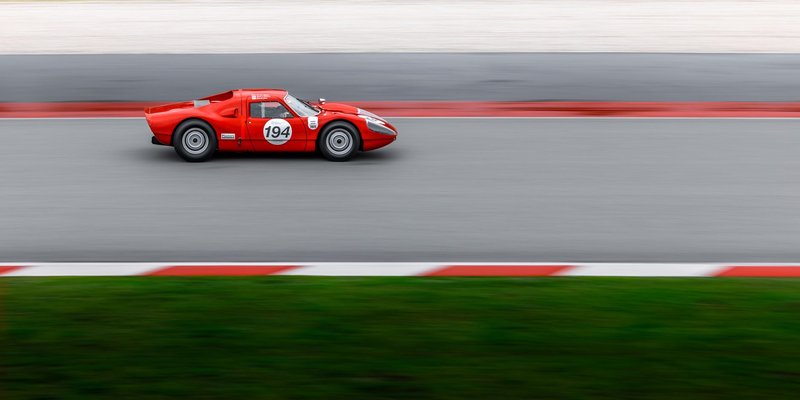
The S800 was Honda’s sports car — and not in a marketing sense. It used a 791cc four-cylinder engine that revved past 8,000 rpm, which in 1968 was extraordinary for anything under a litre. The engine was a direct evolution of Honda’s racing technology, with a twin-cam head and individual carburettors for each cylinder.
Two body styles: a coupe with a fixed roof and a roadster with a removable soft top. Both weighed around 720 kg, which meant the 70 horsepower the engine produced was more than enough to make it genuinely quick through corners. Honda exported the S800 to Europe and the UK, where it competed against the MG Midget and Triumph Spitfire — cars that also feature in the complete list of 1960s sports cars — and often came out ahead on mechanical refinement, if not on badge cachet.
Production of the S800 ended in 1970. It never sold in huge numbers, but it established that Honda could build a car an enthusiast would actually want, not just a practical appliance. That mattered.
Key specs: 791cc DOHC four-cylinder, 70 hp, ~720 kg, coupe and roadster body styles, 0–60 mph in approximately 13 seconds
Honda N600 {#honda-n600}
The N600 was built specifically for export — Honda’s first real attempt at bringing a car to the United States and other Western markets. It took the N360 platform and stretched the engine to 598cc, clearing it above the kei restrictions that only applied in Japan anyway, and making it more palatable to buyers used to more displacement.
Mechanically it was similar to the N360: front-wheel drive, air-cooled twin, light kerb weight. But Honda tuned the suspension and gearing for different road conditions and higher highway speeds than Japanese city driving. The US version went on sale in 1969, but the export-spec N600 was in production through 1968 in preparation.
It was an honest, inexpensive small car at a moment when American buyers were getting increasingly curious about economy imports. The N600 didn’t set the market on fire — that would come later, with the Civic — but it gave Honda a foothold and taught the company what American dealers and customers actually needed from a support and service perspective.
Key specs: 598cc twin-cylinder air-cooled engine, ~45 hp, front-wheel drive, 2-door sedan
Honda 1300 {#honda-1300}
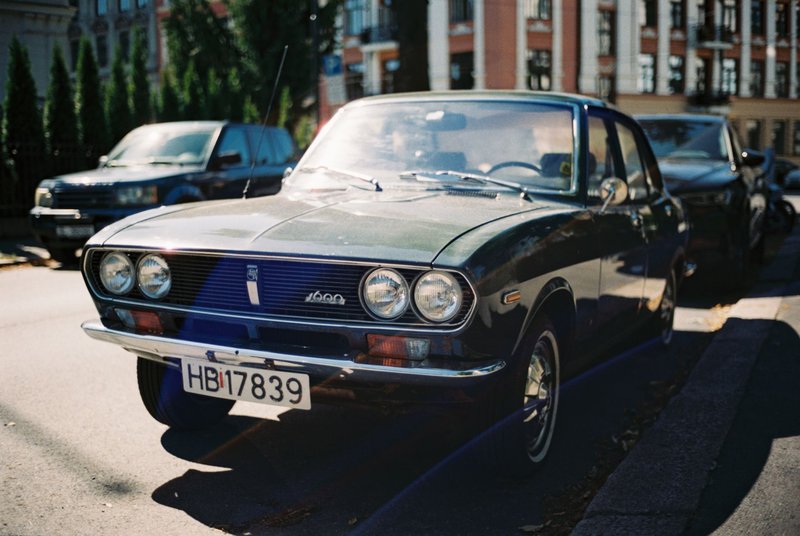
Honda unveiled the 1300 at the 1968 Tokyo Motor Show, and it caused an argument. Not with the public — with Honda’s own engineers.
Soichiro Honda had insisted the 1300 use an air-cooled engine, even as the car moved into a larger, more conventional class. The result was a 1298cc four-cylinder with a complex dual-circuit cooling system Honda called DDAC (Dual-circuit Dual-passage Air Cooling). It was an engineering tour de force: each cylinder had its own separate cooling airflow, allowing Honda to claim the air-cooled design could match water-cooled engines for thermal management.
It could, roughly. But it was heavy, complicated, and expensive to manufacture. Honda’s engineers, led by Tadashi Kume, reportedly pushed hard for water cooling and lost the argument — Soichiro Honda’s preference for air cooling was too strong to override. The 1300 launched in production form in 1969, and its successor, the Civic, would quietly switch to water cooling. The 1300 is the last hurrah of Honda’s commitment to air-cooled passenger cars.
It came in two states of tune: the 1300 77 with 77 hp and the sportier 1300 99 with 100 hp. Both were available as a coupe or a sedan.
Key specs: 1298cc SOHC air-cooled four-cylinder, 77–100 hp depending on variant, front-wheel drive, sedan and coupe body styles
Honda TN360 {#honda-tn360}
The TN360 sat alongside the N360 in Honda’s commercial lineup — same basic mechanicals, different purpose. It was a kei truck, using the N360’s 354cc twin and chassis in a cab-over configuration with a small flatbed. Japan’s agricultural and small-business market consumed these by the thousands in the late 1960s.
Honda sold the TN360 alongside Daihatsu and Suzuki equivalents, none of which were exciting but all of which were essential. The TN360 is worth noting because it shows Honda wasn’t just chasing performance and export glory in 1968 — they were also building the practical workhorses that funded everything else.
Key specs: 354cc twin-cylinder air-cooled engine, ~31 hp, rear-wheel drive, cab-over mini truck configuration
The Lineup at a Glance {#the-lineup-at-a-glance}
| Model | Engine | Power | Body Style | Market |
|---|---|---|---|---|
| N360 | 354cc air-cooled twin | ~31 hp | Kei sedan / van / pickup | Japan |
| S800 | 791cc DOHC four-cyl | ~70 hp | Coupe / roadster | Japan, Europe, UK |
| N600 | 598cc air-cooled twin | ~45 hp | Subcompact sedan | Export (US, Europe) |
| Honda 1300 | 1298cc air-cooled four-cyl | 77–100 hp | Sedan / coupe | Japan (unveiled 1968) |
| TN360 | 354cc air-cooled twin | ~31 hp | Kei truck | Japan |
What 1968 reveals is a company moving in every direction simultaneously — economy kei cars, a genuine sports roadster, an export-ready compact, a new family sedan, and commercial vehicles. Honda didn’t have the resources to do any of it slowly. The N360 was funding the S800 program. The TN360 was funding the N600 development. The Honda 1300’s ambitious air-cooled engineering was a direct reflection of Soichiro Honda’s personal obsessions, for better and worse.
Five years into building cars, Honda had a more diverse product portfolio than most automakers twice their age. That’s either a sign of impressive ambition or a company spreading itself too thin — and in Honda’s case, the results suggest the former.

Marco Delantero
More from Marco DelanteroHow we reviewed this article
This article was researched against manufacturer records and editorially reviewed before publishing. We accept no payment for coverage.