Japan’s early-1970s roads were filled with practical, steadily evolving cars that helped define the era’s commuter and family segments. If you enjoy spotting period details or tracking down parts, a concise list of models and their specs keeps identification quick and reliable.
There are 10 1973 Toyota Car Models, ranging from Carina to Mark II. For each model you’ll find below data organized with Chassis code,Body styles,Engine (cc / hp), making it easy to compare chassis numbers, body types and engine outputs at a glance—you’ll find below.
How can I use the chassis code to confirm a 1973 Toyota model?
Chassis codes are the most reliable ID: they encode generation and platform, so match the code on the car’s VIN or frame to the list below to confirm model and year; the table’s Chassis code column is paired with Body styles and Engine (cc / hp) to help cross-check trim and powertrain.
Were engines and parts interchangeable between models like the Carina and Mark II?
Some engines and service parts were shared across Toyota’s 1973 lineup, especially within the same engine family, but tuning, mounts and body-specific components often differed—use the Engine (cc / hp) and Chassis code columns below to verify compatibility before ordering parts.
1973 Toyota Car Models
| Model | Chassis code | Body styles | Engine (cc / hp) |
|---|---|---|---|
| Corolla | KE20 | sedan,coupe,wagon,hardtop | 1,166–1,588 cc / 60–115 hp |
| Celica | A20 | coupe,hardtop | 1,600–1,900 cc / 95–115 hp |
| Carina | A10 | sedan,coupe,estate(wagon) | 1,500–1,600 cc / 75–95 hp |
| Mark II | X10 | sedan,wagon | 1,800–2,000 cc / 90–120 hp |
| Crown | MS80 | sedan,hardtop,estate | 1,990–2,860 cc / 95–145 hp |
| Corona | RT40 | sedan,coupe,wagon | 1,500–1,900 cc / 75–105 hp |
| Hilux (Pickup) | RN20 | pickup | 1,500–2,200 cc / 75–100 hp |
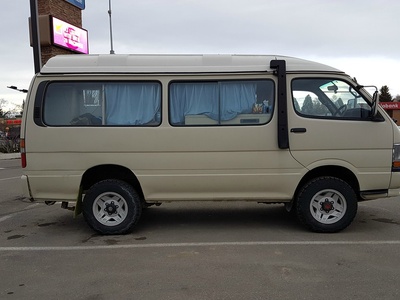
| HiAce (Van) | H10 | van,wagon | 1,500–1,988 cc / 70–95 hp |
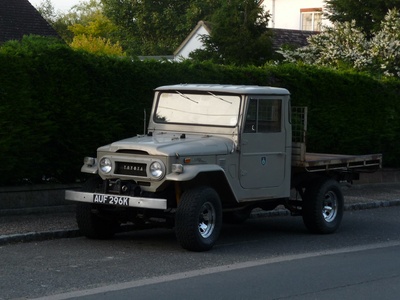
| Land Cruiser (FJ40) | FJ40 | wagon/soft-top | 3,880–3,927 cc / 125–135 hp |
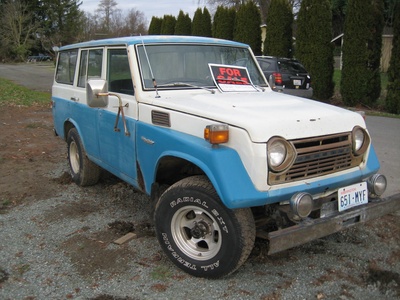
| Land Cruiser (FJ55) | FJ55 | wagon | 3,880–3,927 cc / 125–135 hp |
Images and Descriptions
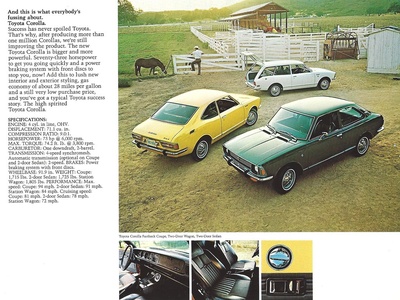
Corolla
Second-generation Corolla (E20) sold worldwide in 1973. Compact, reliable family car offered in multiple bodies and engines. Popular in Japan, Europe and North America; a common collectible for its sporty two-door variants and simple parts availability.
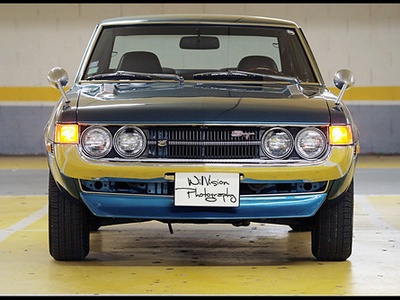
Celica
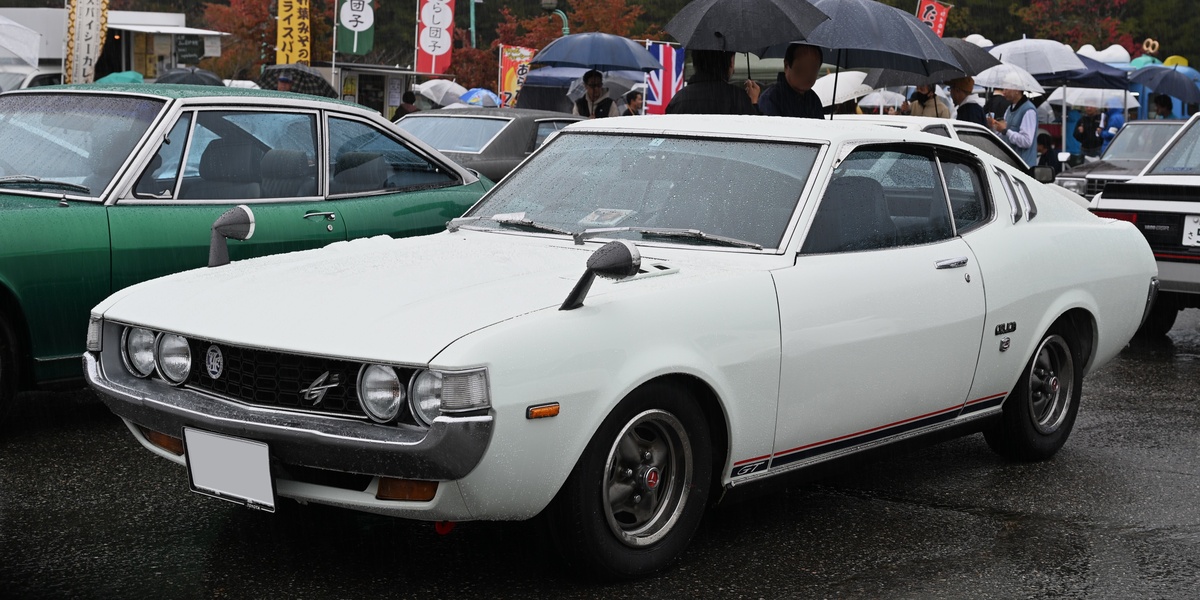
First-generation Celica coupe was Toyota’s sporty export hit in 1973. Known for sharp styling, SOHC engines, and GT trims. Widely sold in the US, Europe and Japan; collectible for its early rally and GT versions.

Carina
Carina launched as a mid-size family car popular in Japan and select export markets in 1973. Shared components with Corona; noted for comfortable interiors and durability. Early Carinas are compact, practical, and often used in restorations.
Mark II
Toyota Mark II X10 was an upscale mid-size sedan sold in Japan and export markets in 1973. Reputed for smooth ride and spacious cabin; a desirable classic for collectors seeking period-accurate Japanese luxury sedans.
Crown
The Crown MS80 series served as Toyota’s flagship in 1973, sold primarily in Japan and some export markets. Known for robust straight-six engines, formal styling and use as taxis and executive cars; sought-after for original-condition restorations.
Corona
Corona in early-1970s form was Toyota’s mainstream family car available in many markets in 1973. Reliable and widely exported; a common sight in period photos and a good entry-level classic with many body and engine options.
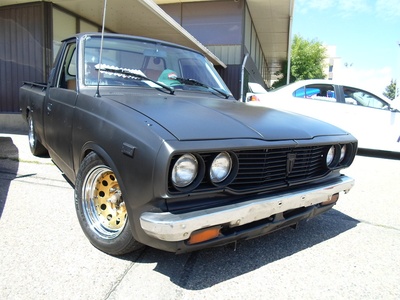
Hilux (Pickup)
Second-generation Hilux (RN20 series from 1972) was sold globally in 1973. Rugged compact pickup famous for durability and export friendliness. Highly collectible for restorations and overlanding conversions due to strong aftermarket support.
HiAce (Van)
First-generation HiAce was Toyota’s compact van/people-mover sold in 1973 in Japan and export markets. Versatile cargo and passenger layouts made it popular for small businesses; early models are sought for camper conversions and commercial restorations.
Land Cruiser (FJ40)
The FJ40 was Toyota’s rugged off‑road icon in 1973, widely used worldwide. Short-wheelbase wagon and soft-top versions made it ideal for expedition and agricultural work. Highly collectible for authenticity and off-road capability.
Land Cruiser (FJ55)
The FJ55 “family” Land Cruiser offered a longer-wheelbase wagon option in 1973. Favoured for comfortable off-road touring with more interior space. Sought by collectors for its mix of utility and usable passenger comfort.

Marco Delantero
More from Marco DelanteroHow we reviewed this article
This article was researched against manufacturer records and editorially reviewed before publishing. We accept no payment for coverage. Some guides contain affiliate links; see our affiliate disclosure.