The story most lists skip is the one that explains everything: the 70s muscle car era didn’t fade out. It got strangled. The Clean Air Act passed on the last day of 1970, insurance companies declared open season on anyone under 25 with a big-block, and by 1973 the cars that had ruled the previous decade were running 8:1 compression on lead-free gas and posting numbers a modern minivan would laugh at.
So a “70s muscle car” is really two animals. There’s the 1970-71 high-water mark, where Detroit built the most outrageous engines it ever would. And there’s the 1972-79 hangover, where horsepower ratings fell off a cliff and the badges outlived the muscle. This list covers the real ones, ranked, with the specs that matter and the context the slideshow galleries leave out.
Table of Contents
- TLDR: The Top 3
- What Counts as a 70s Muscle Car
- The 14 Best 70s Muscle Cars, Ranked
- Why Muscle Cars Died in the 70s
- Specs at a Glance
- Are They Worth Buying Now?
TLDR: The Top 3
If you just want the verdict:
- 1970 Chevelle SS 454 LS6 — the most horsepower Chevy would put on a window sticker for decades. The benchmark.
- 1971 Plymouth Hemi ‘Cuda — the rarest and now the most expensive American muscle car ever sold at auction.
- 1970 Buick GSX Stage 1 — the sleeper torque monster that embarrassed cars with louder reputations.
Everything below 1971 is the golden age. Everything from 1972 on is the era learning to die gracefully. Both are worth knowing.
What Counts as a 70s Muscle Car
A muscle car is a mid-size, rear-drive American coupe with an oversized V8 stuffed into it, sold to people who wanted straight-line speed cheap. Pony cars (Mustang, Camaro, Firebird) get grandfathered in by tradition even though they’re technically a separate class. Full-size land yachts and two-seat sports cars don’t count.
The 70s twist: the breed peaked early. The 1970 model year was the absolute summit, with 1971 still strong. After that, the cars on this list either vanished or limped on as shadows. Ranking them means weighing the savage early cars against the few late-era holdouts that kept the faith. If you want the wider field beyond the 14 here, our complete list of 1970s American muscle cars catalogs 27 models from the decade with their engines and output.
The 14 Best 70s Muscle Cars, Ranked
1. 1970 Chevrolet Chevelle SS 454 LS6
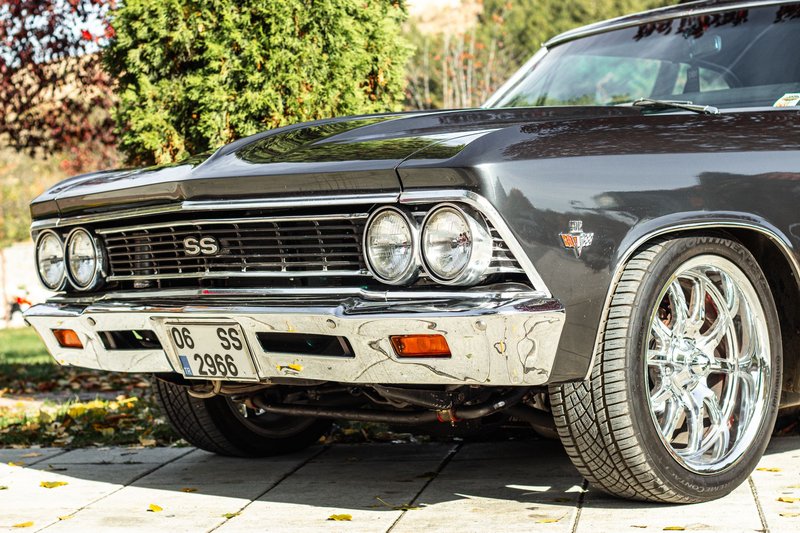
The high mark of the whole era, full stop. The LS6 454 carried a factory rating of 450 horsepower at 5,600 rpm and 500 lb-ft of torque, and unlike a lot of period numbers, that one wasn’t fiction. It ran an 11.25:1 compression ratio, forged internals, solid lifters, and an 800-CFM Holley sitting on an aluminum intake. Chevrolet lost most of its build records, but roughly 4,475 LS6 engines went out the door in 1970, the overwhelming majority in coupes.
What makes the LS6 the king isn’t just the number. It’s that no Chevy would wear a higher factory rating for a generation afterward. The window closed almost immediately. The Chevelle sat at the top of a deep bench, too; our rundown of 1970s Chevy cars covers how it shared a showroom with the Camaro Z/28 and the rest of the lineup.
| Year | 1970 |
| Engine | 454 ci LS6 V8 |
| Horsepower | 450 hp (gross) |
| Torque | 500 lb-ft |
| 0-60 | ~6.0 sec |
| Production | ~4,475 LS6 engines |
2. 1971 Plymouth Hemi ‘Cuda
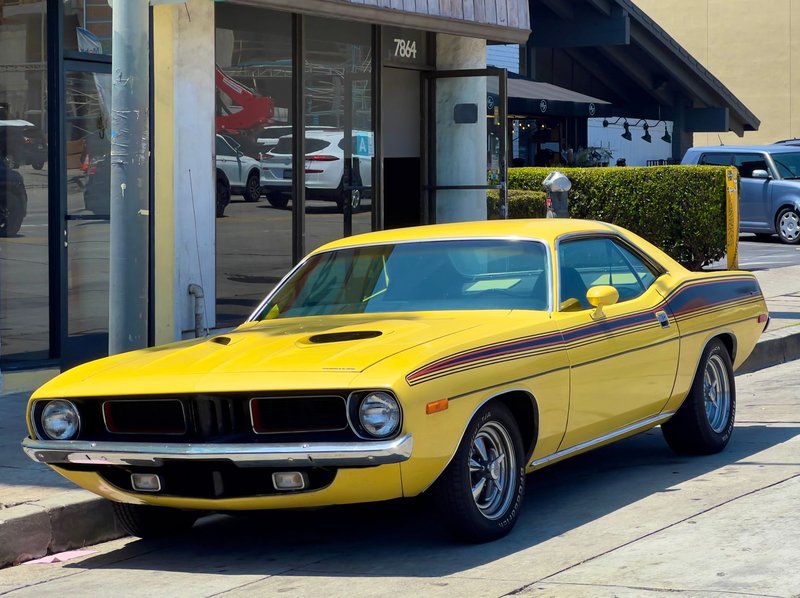
The 426 Hemi ‘Cuda is the one that broke the auction record books. Plymouth built only about 780 Hemi ‘Cudas across 1970-71, and of those, just 21 left the factory as convertibles, with only seven of those built for 1971. That scarcity is why a 1971 Hemi ‘Cuda crossed the block for $3.3 million in early 2026, and why a 1970 convertible pulled $2.1 million at Mecum a couple years back.
The 426 Hemi made 425 gross horsepower, but the real currency here is rarity. There are more McLaren F1s than 1971 Hemi ‘Cuda convertibles.
| Year | 1971 |
| Engine | 426 ci Hemi V8 |
| Horsepower | 425 hp (gross) |
| Torque | 490 lb-ft |
| 0-60 | ~5.6 sec |
| Production | ~780 total (1970-71) |
3. 1970 Buick GSX Stage 1
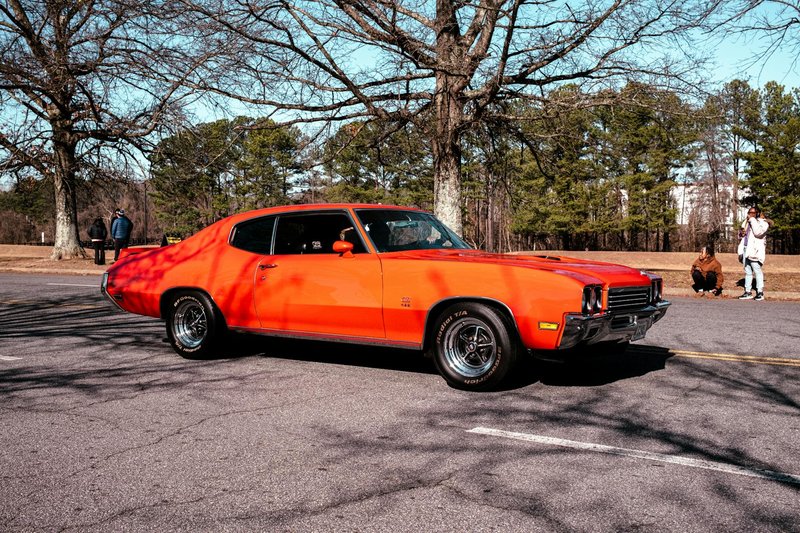
The car that quietly out-torqued everything. The Stage 1 455 carried a sandbagged 360 hp rating but a monstrous 510 lb-ft of torque at just 2,800 rpm, which at the time was the highest torque figure of any American production car. Period road tests had a well-sorted Stage 1 running low-13-second quarter miles, beating cars with far louder reputations off the line.
Buick built only 678 GSX models in 1970, and the car arrived in two unmissable colors: Saturn Yellow and Apollo White, both with blackout hood stripes and a spoiler. It looked like a gentleman’s express and ran like a brawler.
| Year | 1970 |
| Engine | 455 ci Stage 1 V8 |
| Horsepower | 360 hp (gross) |
| Torque | 510 lb-ft |
| 0-60 | ~5.5 sec |
| Production | 678 GSX (1970) |
4. 1970 Dodge Challenger R/T 440 Six Pack
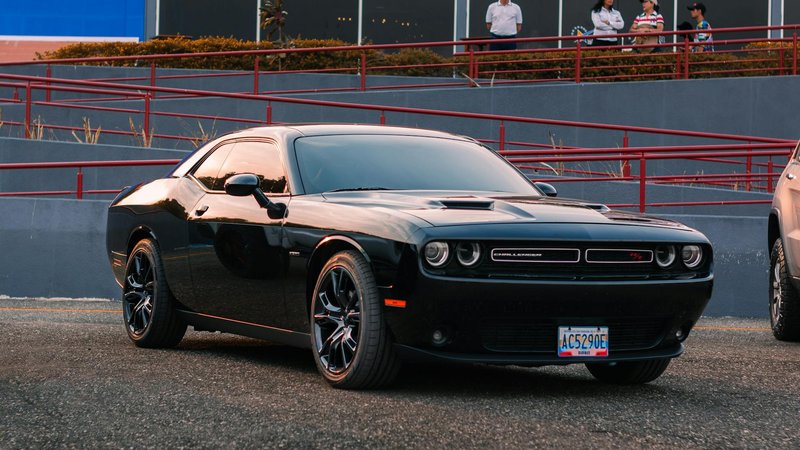
The Challenger arrived late, debuting for 1970 just as the party was about to get raided. The R/T with the 440 Six Pack (three two-barrel carbs) made 390 hp and 490 lb-ft, giving you most of the Hemi’s punch for a fraction of the price, then and now. The longer wheelbase versus the ‘Cuda made it the more livable of Mopar’s two E-body twins.
This is the car Vanishing Point burned into the culture, a white 1970 Challenger driven flat-out across the desert. Few cars look this good standing still.
| Year | 1970 |
| Engine | 440 ci Six Pack V8 |
| Horsepower | 390 hp (gross) |
| Torque | 490 lb-ft |
| 0-60 | ~5.8 sec |
| Production | Several thousand R/T |
5. 1970 Ford Mustang Boss 429
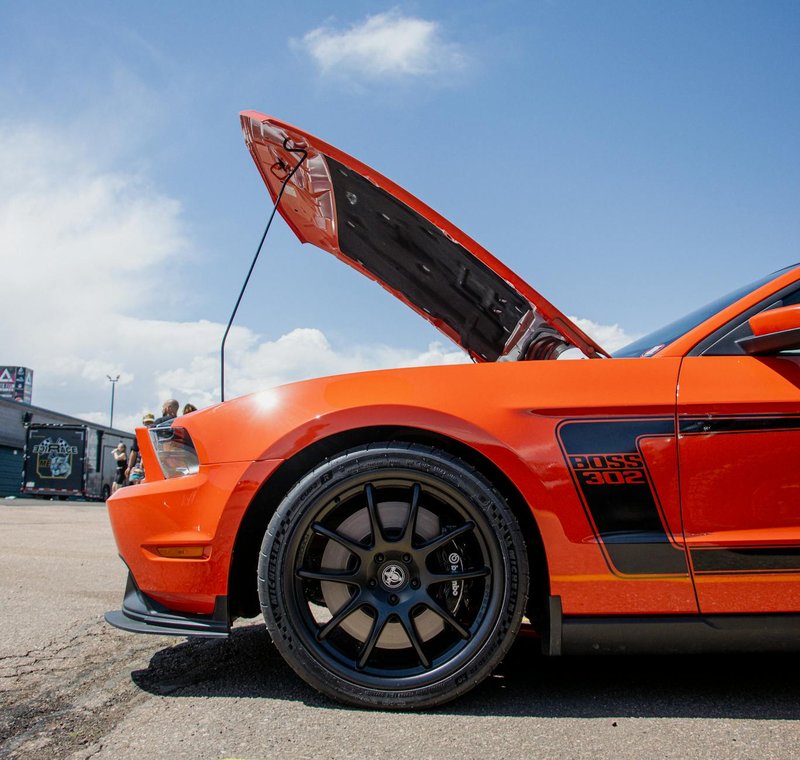
Ford built the Boss 429 for one reason: to homologate the semi-hemi 429 engine for NASCAR. To make it fit the Mustang’s engine bay, the shock towers had to be physically relocated, and every car was hand-modified by Kar Kraft. The official rating was a comically underrated 375 hp; the real figure was well north of 500.
Only about 1,358 Boss 429s were built across 1969-70, and they were never meant to be street cars so much as a rule-book technicality you could drive to work. That backstory is the entire appeal.
| Year | 1970 |
| Engine | 429 ci Boss V8 |
| Horsepower | 375 hp (rated) |
| Torque | 450 lb-ft |
| 0-60 | ~5.5 sec |
| Production | ~1,358 (1969-70) |
6. 1970 Oldsmobile 442 W-30
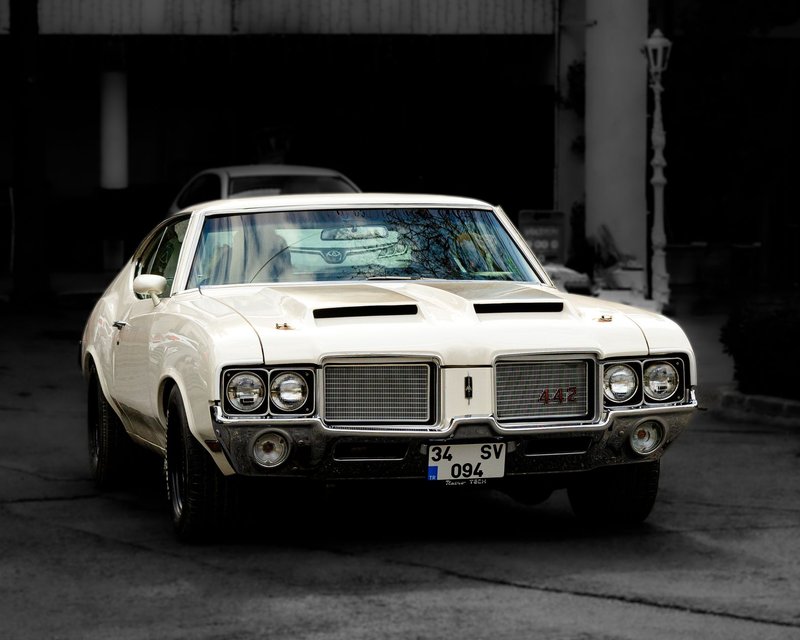
Oldsmobile’s 442 was the refined member of the GM muscle family, and the W-30 option turned the dial up: a 455 with a fiberglass ram-air hood, red plastic inner fenders to save weight, and a 370 hp rating that, like the Buick, undersold the torque. It made 500 lb-ft, matching the LS6 Chevelle, in a car that handled better than most of its rivals.
The W-30 is the connoisseur’s pick. People who’ve owned several of these cars tend to keep the Olds.
| Year | 1970 |
| Engine | 455 ci W-30 V8 |
| Horsepower | 370 hp (gross) |
| Torque | 500 lb-ft |
| 0-60 | ~6.0 sec |
| Production | ~3,100 W-30 |
7. 1970 Plymouth Superbird
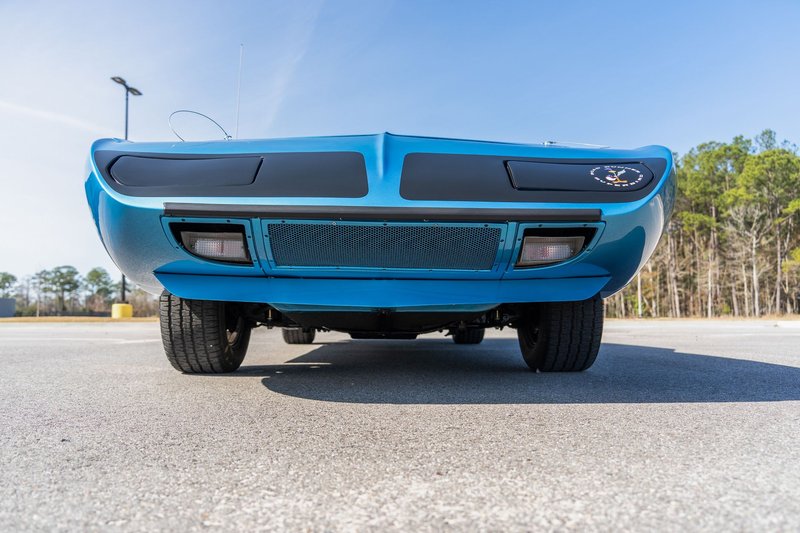
The winged car. Plymouth built the Superbird to lure Richard Petty back to the brand for NASCAR, bolting an 18-inch rear wing and a pointed nose cone onto a Road Runner. Dealers struggled to sell them new; buyers thought they looked absurd. A few were reportedly converted back to standard Road Runners just to move them off lots.
Now they’re seven-figure cars and one of the most recognizable shapes in automotive history. The aero wasn’t a gimmick either, it worked, which is exactly why NASCAR banned the wing cars after 1970.
| Year | 1970 |
| Engine | 440 ci / 426 Hemi V8 |
| Horsepower | 375-425 hp (gross) |
| Torque | 480-490 lb-ft |
| 0-60 | ~5.5 sec |
| Production | ~1,920 |
8. 1970 Pontiac GTO Judge
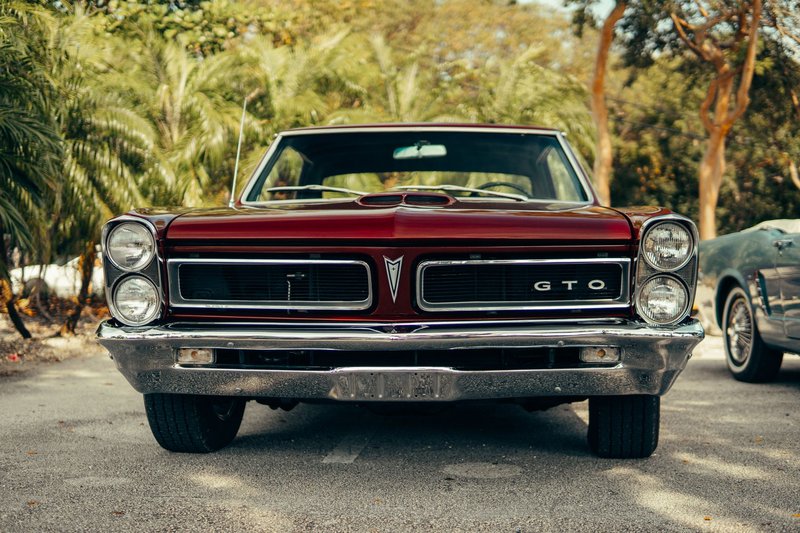
The GTO basically invented the muscle car in 1964, and the Judge was its loudest 70s statement: Ram Air III or the rare Ram Air IV 400, a rear spoiler, and decals nobody could ignore. The Judge name came from a Rowan & Martin’s Laugh-In bit, which tells you exactly how seriously Pontiac’s marketing took itself.
By 1971 the Judge was gone, killed by the same forces everything else faced. The 1970 car is the one to want.
| Year | 1970 |
| Engine | 400 ci Ram Air V8 |
| Horsepower | 366-370 hp (gross) |
| Torque | 445 lb-ft |
| 0-60 | ~6.2 sec |
| Production | ~3,797 Judge |
9. 1970 Chevrolet Camaro Z/28
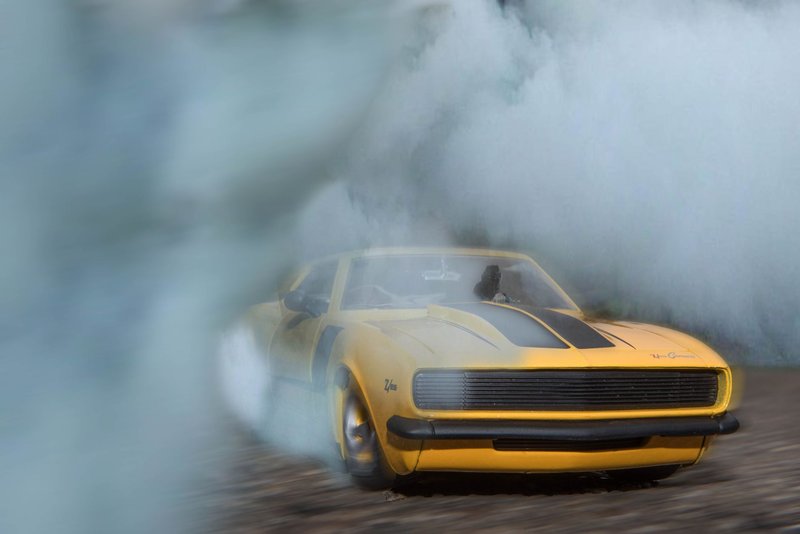
The second-generation Camaro launched in 1970 with cleaner European-influenced lines, and the Z/28 swapped the old high-strung 302 for a 360 hp LT1 350. It traded a sliver of top-end shriek for real usable torque, and it’s arguably the best-driving GM muscle car of the era, the one you’d actually want to take through corners rather than just down a drag strip.
| Year | 1970 |
| Engine | 350 ci LT1 V8 |
| Horsepower | 360 hp (gross) |
| Torque | 380 lb-ft |
| 0-60 | ~6.5 sec |
| Production | ~8,700 Z/28 |
10. 1970 Ford Torino Cobra 429
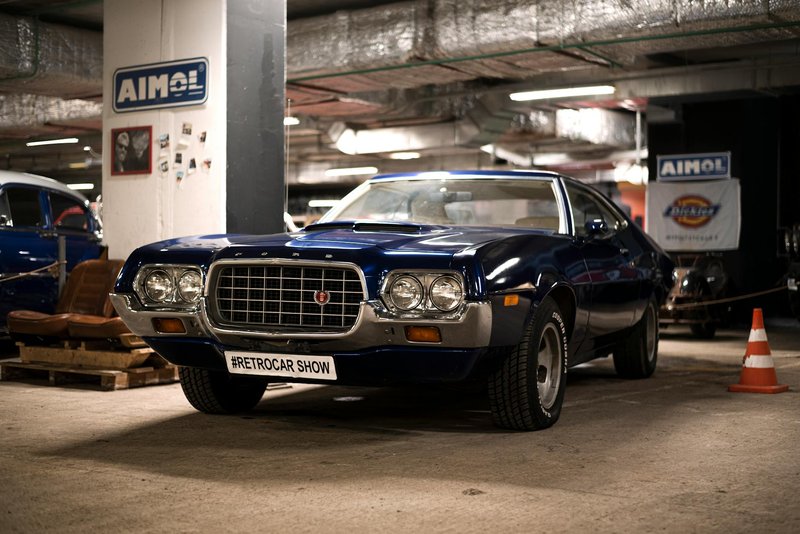
The Torino Cobra is the underrated big Ford. The 429 Cobra Jet, especially with the Drag Pack and the 370 hp Super Cobra Jet, turned this sleek fastback into a genuine threat. It’s the car that won Ford its NASCAR championships in 1968-69 in earlier form, and the 1970 redesign gave it some of the best sheet metal Dearborn ever stamped.
| Year | 1970 |
| Engine | 429 ci Cobra Jet V8 |
| Horsepower | 370 hp (gross) |
| Torque | 450 lb-ft |
| 0-60 | ~6.0 sec |
| Production | Several thousand |
11. 1971 Plymouth GTX 440
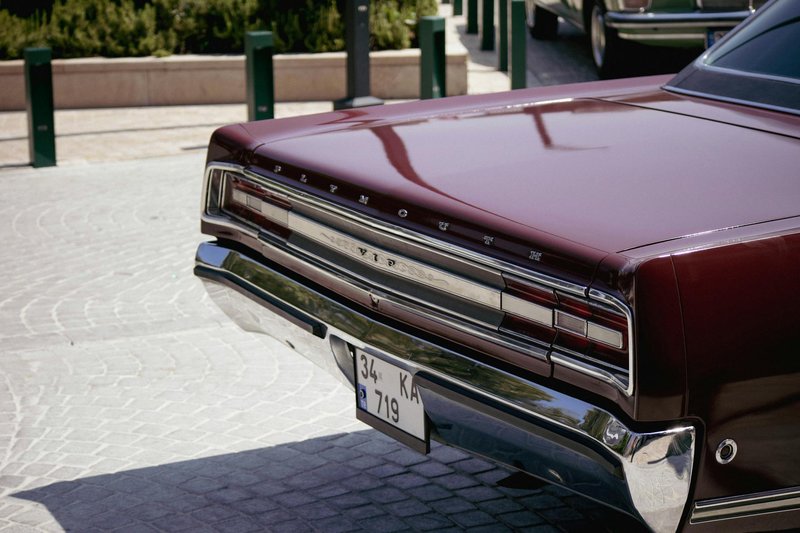
The gentleman’s muscle car from Mopar, the GTX gave you Road Runner performance with a nicer interior and no cartoon bird. The 1971 redesign, with its fuselage-influenced “coke bottle” body, is divisive but unmistakable. The 440 Six Barrel was the engine to have before 1971 turned out to be the GTX’s last standalone year.
| Year | 1971 |
| Engine | 440 ci Six Barrel V8 |
| Horsepower | 385 hp (gross) |
| Torque | 490 lb-ft |
| 0-60 | ~5.8 sec |
| Production | ~2,940 |
12. 1973 Pontiac Trans Am SD-455
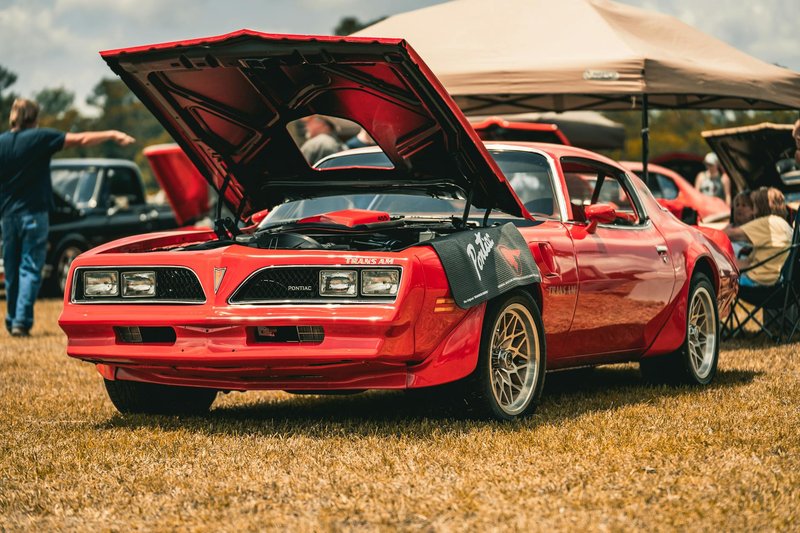
The last real one. By 1973 the era was supposed to be over, but Pontiac sneaked the Super Duty 455 past the regulators. On paper it made just 290 net horsepower and 395 lb-ft, but that’s the deflated post-1972 net figure, and most experts peg actual output closer to 375. The block had four-bolt mains, a nitrided crank, and forged rods, hardware that belonged to the previous decade.
Out of 4,802 Trans Ams built in 1973, only 252 got the SD-455. Factory quarter miles in the 13.5-second range made it the fastest American car you could buy that year, by a wide margin, and it towered over the rest of the popular cars of 1973 that had already gone soft. It’s the muscle car that refused to read the room.
| Year | 1973 |
| Engine | 455 ci SD V8 |
| Horsepower | 290 hp (net) |
| Torque | 395 lb-ft |
| 0-60 | ~5.4 sec |
| Production | 252 SD-455 |
13. 1971 AMC Javelin AMX 401
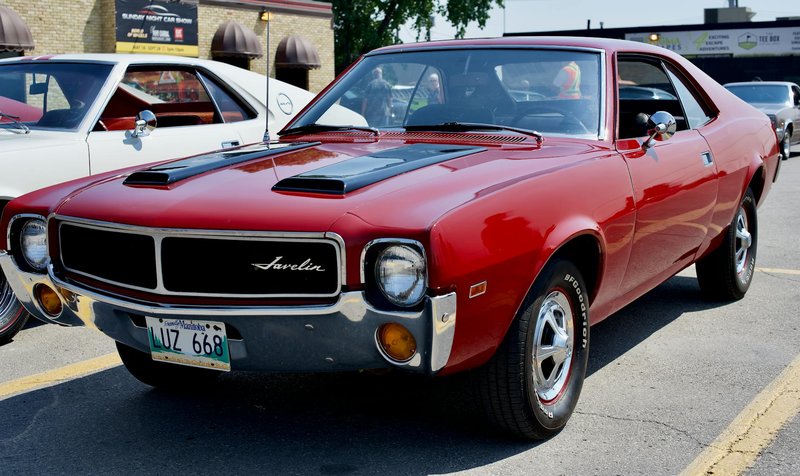
The scrappy independent’s entry. AMC didn’t have GM’s money, so it went racing in Trans-Am with the Javelin and won the championship in 1971-72. The street AMX 401 made 330 hp and looked like nothing else on the road, with that humped 1971 bodywork and available “Big Bad” paint colors. It’s the muscle car for people who don’t want the same Chevelle as everyone else.
| Year | 1971 |
| Engine | 401 ci V8 |
| Horsepower | 330 hp (gross) |
| Torque | 430 lb-ft |
| 0-60 | ~6.6 sec |
| Production | ~2,000 AMX |
14. 1976 Pontiac Trans Am 455
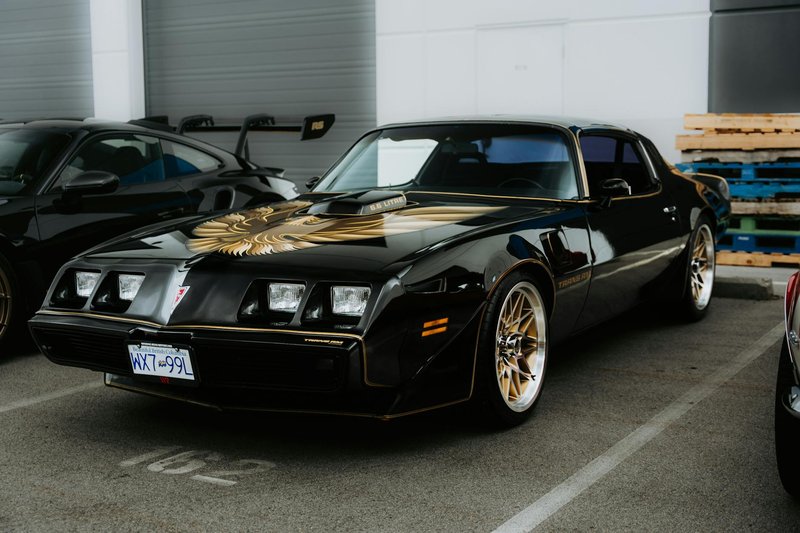
Not the fastest car here, and by 1976 the 455 was down to around 200 net horsepower. But the black-and-gold Trans Am earned its spot on cultural weight alone. When Smokey and the Bandit hit theaters in 1977, the screaming-chicken Trans Am became the most wanted car in America overnight, and Pontiac sales exploded. It’s the car that proved a muscle car could survive on image after the muscle itself was mostly gone, which is its own kind of milestone.
| Year | 1976-77 |
| Engine | 455 / 400 ci V8 |
| Horsepower | ~200 hp (net) |
| Torque | ~330 lb-ft |
| 0-60 | ~8.5 sec |
| Production | High volume |
Why Muscle Cars Died in the 70s
This is the part the galleries skip, and it’s the most interesting story in the whole era. The cars on the top of this list were all built in 1970-71 for a reason. Four things landed almost at once and killed the breed.
The Clean Air Act. Signed on December 31, 1970, it forced automakers to slash compression ratios, retard ignition timing, and lean out carburetors to meet emissions targets. Lower compression also let engines run on the coming lead-free fuel. The result: engines that made far less power on paper and in reality.
The gross-to-net horsepower switch. This one confuses everybody. Before 1972, Detroit advertised SAE gross horsepower, measured on a bare engine with no accessories, no muffler, nothing. In 1972 the industry switched to SAE net, measured with all the real-world hardware bolted on. The drop was brutal: Pontiac’s 455 read 365 hp in 1971 and just 270 the next year, and the engine had barely changed. So part of the “death” was an accounting change, but only part of it.
Insurance. Carriers figured out that young men in big-blocks crashed a lot, and they priced accordingly. In plenty of documented cases the annual premium on a new muscle car ran higher than the monthly loan payment. The exact buyers who’d built the market, guys in their early 20s, got priced clean out of the driver’s seat.
The 1973 oil crisis. The OPEC embargo sent gas prices and lines through the roof, brought a national 55-mph speed limit, and made owning anything that drank fuel like a 454 look ridiculous. Whatever appetite survived the first three blows, the gas crunch finished off. The detuned survivors still made the cut on plenty of best American cars of the 1970s lists, but they were a different animal from the 1970 originals.
Stack those together and you understand why a 1970 LS6 Chevelle and a 1975 anything are barely the same species.
Specs at a Glance
Ranked by gross/net horsepower as advertised. Remember the 1972+ cars use the lower net standard, so the SD-455 punches well above its listed number.
| Rank | Car | Year | Engine | HP | Torque |
|---|---|---|---|---|---|
| 1 | Chevelle SS 454 LS6 | 1970 | 454 ci | 450 | 500 |
| 2 | Plymouth Hemi ‘Cuda | 1971 | 426 ci | 425 | 490 |
| 4 | Challenger R/T 440 | 1970 | 440 ci | 390 | 490 |
| 11 | Plymouth GTX 440 | 1971 | 440 ci | 385 | 490 |
| 5 | Mustang Boss 429 | 1970 | 429 ci | 375 | 450 |
| 7 | Plymouth Superbird | 1970 | 426/440 | 375-425 | 490 |
| 10 | Ford Torino Cobra | 1970 | 429 ci | 370 | 450 |
| 6 | Oldsmobile 442 W-30 | 1970 | 455 ci | 370 | 500 |
| 8 | Pontiac GTO Judge | 1970 | 400 ci | 366 | 445 |
| 3 | Buick GSX Stage 1 | 1970 | 455 ci | 360 | 510 |
| 9 | Camaro Z/28 LT1 | 1970 | 350 ci | 360 | 380 |
| 13 | AMC Javelin AMX | 1971 | 401 ci | 330 | 430 |
| 12 | Trans Am SD-455 | 1973 | 455 ci | 290 (net) | 395 |
| 14 | Trans Am 455 | 1976 | 455 ci | ~200 (net) | ~330 |
The Buick’s 510 lb-ft tops the torque column, which is exactly why it ranks third despite a modest HP figure. Numbers on a sticker never told the whole story.
Are They Worth Buying Now?
Depends what you want and what you’ve got. The rarest cars have left the planet financially. A 1971 Hemi ‘Cuda convertible is a multi-million-dollar auction event, not a weekend driver, and Boss 429s and Superbirds live in the high six and seven figures. Those are blue-chip collectibles, full stop.
But the breed runs deeper than the headliners. A clean 1970 Chevelle SS, a Camaro Z/28, an Olds 442, or a Trans Am from later in the decade are reachable cars, especially in 350/small-block or non-numbers-matching form. The late-malaise Trans Ams and Camaros are some of the best value in classic American performance right now precisely because the horsepower wars had cooled by the time they were built.
A few buying rules that hold up: numbers-matching drivetrains command a steep premium, documentation (build sheets, broadcast sheets) is worth real money, and the rare engine options drive the valuation more than condition does. A genuine LS6 Chevelle is worth multiples of an identical-looking 396 car. Buy the documentation, not just the paint.
The 70s muscle car is the rare thing that got more interesting as it died. The early cars are the legends. The late ones are the survivors. Either way, they’re the last era when an American company would sell you 450 horsepower and a payment plan, no questions asked.

Marco Delantero
More from Marco DelanteroHow we reviewed this article
This article was researched against manufacturer records and editorially reviewed before publishing. We accept no payment for coverage.