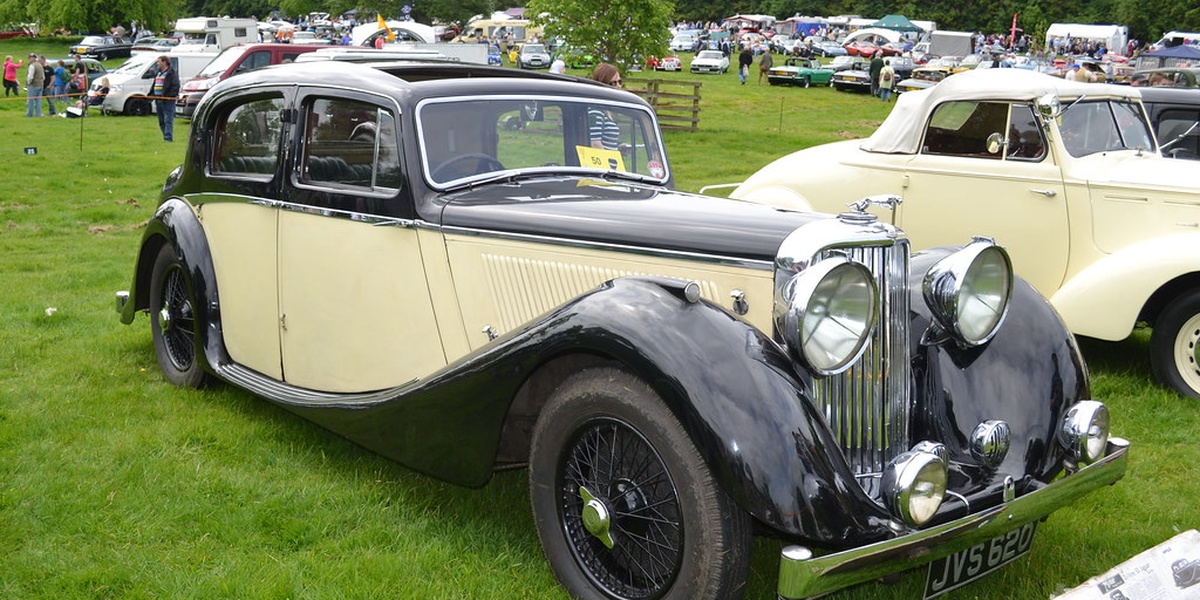
Jaguar’s 1930s story began in a small network of workshops and showrooms across Coventry and London, where a mix of sporting ambition and coachbuilt elegance shaped early models. That decade set the template for the brand’s focus on straight-six engines, long hoods and nimble chassis that collectors still prize.
There are 6 1930s Jaguar Car Models, ranging from SS Jaguar 2.5 to SS90. For each, you’ll find below Years produced (yr),Engine (L / hp),Body style,Description (30-50 words), so you can compare specs, styling and intended use at a glance — you’ll find below.
How difficult is it to maintain a 1930s Jaguar today?
Maintenance varies by model and condition: mechanical parts for common SS-era Jaguars are available through specialist suppliers and clubs, but expect regular attention to carburetion, electrics and chassis rust. A trusted restorer or marque club can help source parts and advise on cost-effective authenticity.
Which 1930s Jaguar model tends to command the highest interest from collectors?
Collectors typically prize models with documented provenance, coachbuilt bodies or original performance options; early SS sports cars and limited-run variants draw the most interest. Rarity, originality and condition drive value more than any single model name.
1930s Jaguar Car Models
| Model | Years produced (yr) | Engine (L / hp) | Body style | Description (30-50 words) |
|---|---|---|---|---|
| SS1 | 1931–1936 | 1.5–2.2 L / approx. 45–70 hp | Saloon, tourer | Mid-range SS Cars model offered 1931–1936 in saloon and tourer forms. Noted for Swallow coachbuilt styling, flexible chassis, and a range of small six- and four-cylinder engines. Established William Lyons’s reputation for sporty yet practical cars. |
| SS Jaguar 2.5 | 1935–1939 | 2.5 L / approx. 90 hp | Saloon | Launched as ‘SS Jaguar’ saloon in 1935, the 2.5-litre combined comfortable four-door coachbuilt bodies with more refined engines and flush styling. It established the Jaguar nameplate on sporting saloons before WWII interrupted production. |
| SS Jaguar 3.5 | 1935–1939 | 3.5 L / approx. 125 hp | Saloon | Larger, more powerful saloon introduced alongside the 2.5. The 3.5-litre offered stronger straight-six performance, heavier coachbuilt luxury bodies and improved cruising ability, appealing to buyers seeking prestige and performance in late-1930s Britain. |
| SS90 | 1935–1936 | 2.5 L / approx. 90 hp | Two-seater roadster | Limited-production sporty two-seater roadster built mid-1930s, a precursory sports model to the SS100. Light, tuned chassis and aerodynamic coachwork aimed at performance; few were made, making the SS90 rare and desirable to collectors. |
| SS100 2.5 | 1936–1939 | 2.5 L / approx. 110 hp | Two-seater roadster | Early SS100 fitted with 2.5-litre engine; lighter, more agile than larger-engined cars. Built in limited numbers between 1936 and 1939, prized for sporting manners and period success in club racing and trials. |
| SS100 3.5 | 1936–1939 | 3.5 L / approx. 125 hp | Two-seater roadster | Higher-performance SS100 fitted with 3.5-litre engine for stronger acceleration and higher top speed. Coachbuilt two-seater with elegant lines; later became a central prewar Jaguar sporting icon with enduring collector appeal. |
Images and Descriptions

SS1
Mid-range SS Cars model offered 1931–1936 in saloon and tourer forms. Noted for Swallow coachbuilt styling, flexible chassis, and a range of small six- and four-cylinder engines. Established William Lyons’s reputation for sporty yet practical cars.
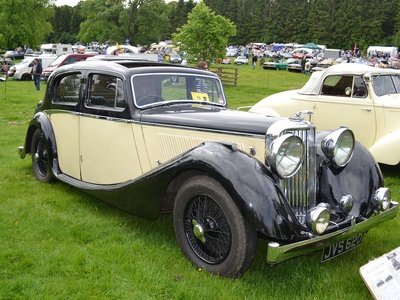
SS Jaguar 2.5
Launched as ‘SS Jaguar’ saloon in 1935, the 2.5-litre combined comfortable four-door coachbuilt bodies with more refined engines and flush styling. It established the Jaguar nameplate on sporting saloons before WWII interrupted production.
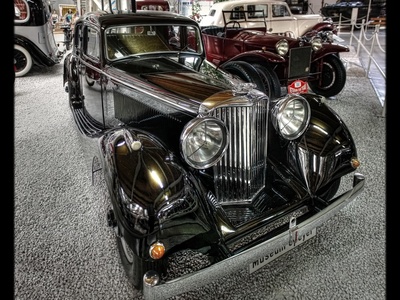
SS Jaguar 3.5
Larger, more powerful saloon introduced alongside the 2.5. The 3.5-litre offered stronger straight-six performance, heavier coachbuilt luxury bodies and improved cruising ability, appealing to buyers seeking prestige and performance in late-1930s Britain.
SS90
Limited-production sporty two-seater roadster built mid-1930s, a precursory sports model to the SS100. Light, tuned chassis and aerodynamic coachwork aimed at performance; few were made, making the SS90 rare and desirable to collectors.
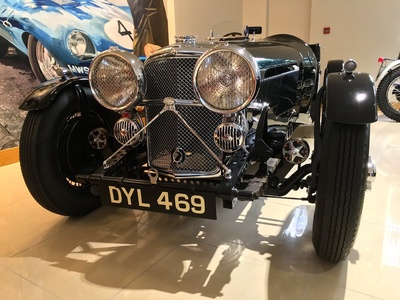
SS100 2.5
Early SS100 fitted with 2.5-litre engine; lighter, more agile than larger-engined cars. Built in limited numbers between 1936 and 1939, prized for sporting manners and period success in club racing and trials.
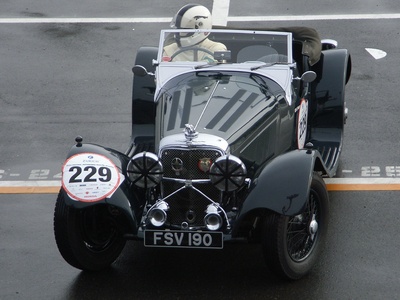
SS100 3.5
Higher-performance SS100 fitted with 3.5-litre engine for stronger acceleration and higher top speed. Coachbuilt two-seater with elegant lines; later became a central prewar Jaguar sporting icon with enduring collector appeal.

Marco Delantero
More from Marco DelanteroHow we reviewed this article
This article was researched against manufacturer records and editorially reviewed before publishing. We accept no payment for coverage.