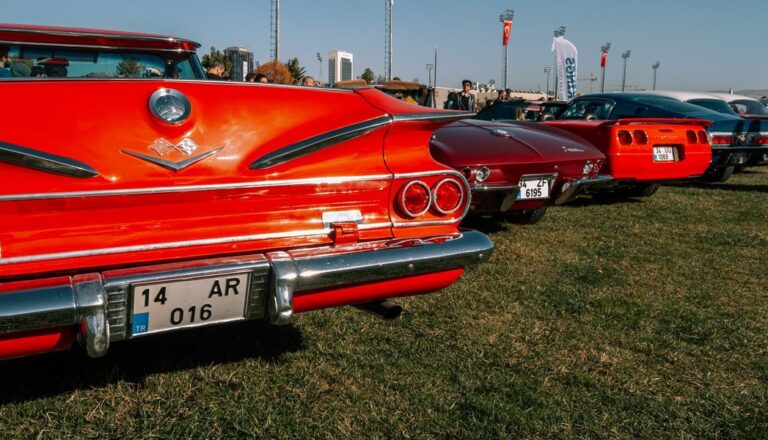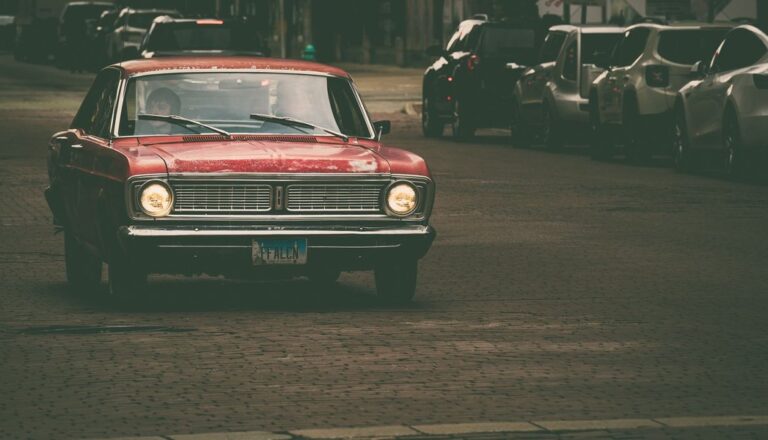
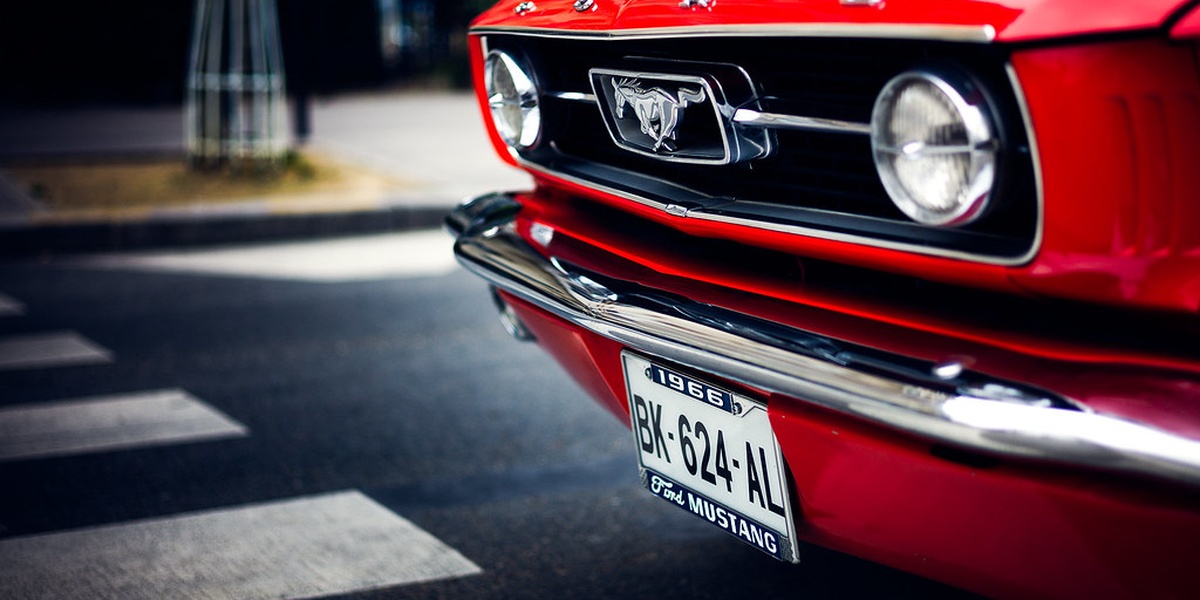
On city streets and backroads alike, 1975 was a year when Ford balanced shifting emissions rules, buyer tastes, and international markets — the result is a diverse set of models that appeal to both everyday drivers and collectors. Tracing that lineup gives a quick snapshot of mid‑70s design choices and drivetrain options.
There are 14 1975 Ford Cars, ranging from Capri to Torino. For each, you’ll find below Body styles,Common engines (ci/L),Markets — a compact layout showing how each model was built, what powerplants were common, and where they were sold; you’ll find below.
Which 1975 Ford models are most commonly seen at shows or on the road today?
Most often you’ll encounter Mustang II, Torino derivatives, and popular domestic sedans and coupes because they were produced in higher numbers and have better parts support; rarer variants (special trims, limited options) surface occasionally and command attention from collectors, while European-market models like the Capri appear more regionally.
How can I use the Body styles, Common engines (ci/L), Markets columns to research a model?
Use the Body styles column to identify the configuration (coupe, sedan, etc.), the Common engines (ci/L) column to match engine displacement for parts and performance references, and Markets to know which countries a model was sold in — together they help track correct parts, trim options, and likely value.
1975 Ford Cars
| Model | Body styles | Common engines (ci/L) | Markets |
|---|---|---|---|
| Mustang | 2-door coupe, 3-door hatchback (Mustang II) | 140 ci (2.3 L) I4,171 ci (2.8 L) V6,optional 302 ci (5.0 L) V8 | U.S., Canada |
| Pinto | 2-door coupe, 3-door hatchback, 4-door station wagon | 122 ci (2.0 L) I4,140 ci (2.3 L) I4,small V6 in some markets | U.S., Canada, select export markets |
| Maverick | 2-door coupe, 4-door sedan | 200 ci (3.3 L) I6,250 ci (4.1 L) I6,302 ci (5.0 L) V8 | U.S., Canada, Mexico |
| Torino | 2-door coupe, 4-door sedan, station wagon | 302 ci (5.0 L),351 ci (5.8 L),400 ci (6.6 L) V8s | U.S., Canada |
| LTD | 2-door coupe, 4-door sedan, station wagon | 302 ci (5.0 L),351 ci (5.8 L),400 ci (6.6 L) V8s | U.S., Canada |
| Thunderbird | 2-door personal luxury coupe | 302 ci (5.0 L),351 ci (5.8 L) V8 | U.S., Canada |
| Elite | 2-door personal luxury coupe | 302 ci (5.0 L),351 ci (5.8 L) V8s | U.S., Canada |
| Granada | 2-door coupe, 4-door sedan (U.S.), saloon/estate (Europe) | 200 ci (3.3 L) I6,250 ci (4.1 L) I6,302 ci (5.0 L) V8s (U.S.); 2.0–3.0 L I4/V6 (Europe) | U.S., Europe, Australia |
| Escort | 2-door, 4-door saloon, estate (wagon), coupe | 1.1 L (67 ci),1.3 L (79 ci),1.6 L (98 ci) | U.K., Europe, Australia, select exports |
| Cortina | 2-door, 4-door saloon, estate (wagon) | 1.3 L (79 ci),1.6 L (98 ci),2.0 L (122 ci) | U.K., Europe, Commonwealth markets |
| Capri | 2-door coupe, fastback | 1.3 L (79 ci),1.6 L (98 ci),2.0 L (122 ci),3.0 L (183 ci) V6 | Europe, Australia, South Africa |
| Taunus | 2-door, 4-door saloon, estate | 1.3 L (79 ci),1.6 L (98 ci),2.0 L (122 ci) | Germany, Continental Europe |
| Falcon | 4-door sedan, station wagon (Australia) | 250 ci (4.1 L) I6,302 ci (5.0 L) V8,351 ci (5.8 L) V8 (Australian tuning) | Australia, New Zealand |
| Corcel | 2-door coupe, 4-door sedan, station wagon (Brazil) | 1.3 L (79 ci),1.4 L (85 ci),1.6 L (98 ci) I4 | Brazil, South America |
Images and Descriptions
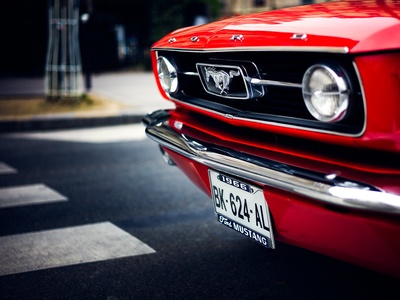
Mustang
1975 Mustang (Mustang II era) emphasizes smaller, fuel‑economy designs; collectors prize V8-equipped examples and limited performance options. Good for buyers wanting a classic Mustang look with improved fuel economy compared with late‑60s models.

Pinto
Compact subcompact with hatchback practicality; 1975 Pintos are known for simple mechanics and low running costs. Collectability is modest—well‑preserved examples or rare trim/packages attract interest despite the model’s controversial safety history.
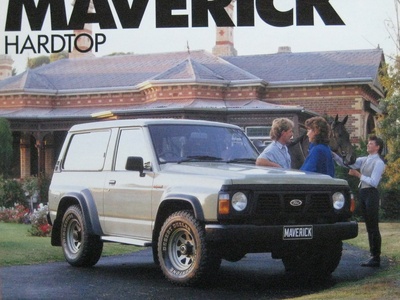
Maverick
Affordable compact/mid‑size American with straightforward engines and easy restorability. 1975 Mavericks offer V8 options that appeal to budget hot‑rodders; dieseling and emissions-era power loss are common restoration issues.

Torino
Mid‑size staple with muscle‑era styling dulled by 1975 emissions rules; Gran Torino trims remain desirable to collectors. Pay attention to rust-prone areas and engine choices—351‑powered cars are typically most sought after.
LTD
Ford’s full‑size family car in 1975 with restrained luxury and roomy interiors. LTDs attract collectors of 1970s American big cars; condition, original options, and body style (hardtop vs. wagon) drive value.
Thunderbird
Personal luxury icon evolving toward comfort over performance by 1975. Thunderbirds are popular with buyers seeking period style and luxury appointments; engine options are plentiful and restored examples can command premium prices.
Elite
Mid‑1970s upscale coupe based on mid‑size platform, offering distinctive trim and comfort features. 1975 Elites are niche collectibles for fans of personal luxury coupes; look for original interiors and optional equipment.
Granada
1975 marked the U.S. Granada’s debut while Europe had its established Granada—name shared across different cars. Collectors value early U.S. examples for tidy personal‑luxury packaging; European versions appeal to classic EU‑market enthusiasts.
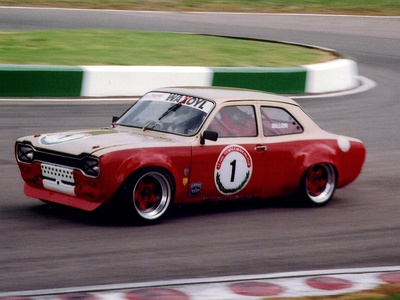
Escort
Small, economical family car widely sold in 1975 Europe. Escorts are practical classics—restorers favor well‑preserved examples and sportier variants. Parts availability is generally good in former markets.
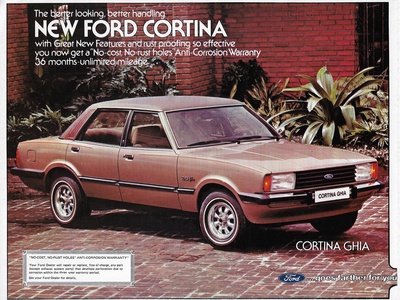
Cortina
Britain’s best‑selling family saloon in the era, Cortinas are common classic projects. 1975 examples offer straightforward mechanics; higher‑trim or 2.0 L variants fetch more interest from collectors.
Capri
Sporty European coupe with long hood and affordable performance. 1975 Capris are popular with enthusiasts for tunability and striking looks; V6 and 3.0 L models are particularly collectible.
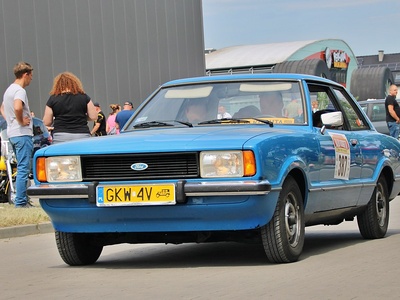
Taunus
German‑market family car sharing platforms with Cortina/Consul lines. Taunus cars appeal to regional collectors; look for sound chassis and surviving mechanical originality when evaluating 1975 examples.
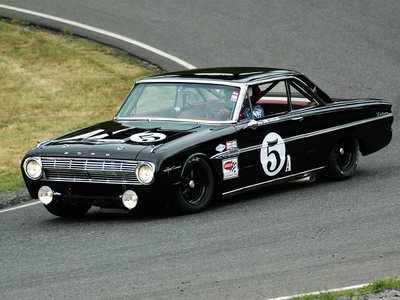
Falcon
Australia’s full‑size Ford in 1975, the Falcon is central to Aussie classic culture. Sedans and wagons are sought after locally; engine variety and period options make certain models collectible.
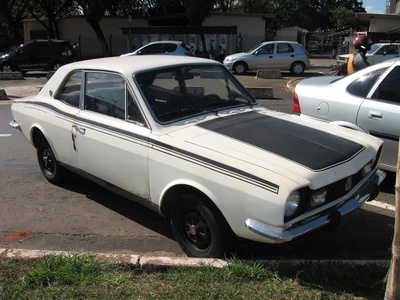
Corcel
Brazilian Ford‑badged compact offering economical transportation and regional popularity. 1975 Corcels are of interest to South American collectors; originality and rust condition largely determine value.

Marco Delantero
More from Marco DelanteroHow we reviewed this article
This article was researched against manufacturer records and editorially reviewed before publishing. We accept no payment for coverage. Some guides contain affiliate links; see our affiliate disclosure.