From bustling Shibuya streets to winding mountain passes, Japanese cars have shaped driving culture around the world. Whether you care about timeless design, hillclimb heroes, or daily reliability, Japan’s automakers offer a mix of regional history and technical quirks tied to prefectures and cities.
There are 20 JDM Car Brands, ranging from Autozam to UD Trucks. For each brand, you’ll find below three data columns organized as: Founded (year), HQ (city, prefecture), Iconic models (max 15 words). This list shows the full spectrum — small specialty marques to large commercial names — and how they connect to place and pedigree; you’ll find below.
Which brands on the list are best known for tuning and performance?
Look for manufacturers with strong motorsport or enthusiast followings — Nissan, Toyota, Honda, Mazda, Subaru and Mitsubishi frequently top that list. Their iconic models often have aftermarket ecosystems, factory race programs, and a track-oriented heritage that make them popular with tuners.
How should I use the Founded/HQ/Iconic models columns to compare brands?
Use Founded (year) to gauge legacy, HQ (city, prefecture) to see regional roots and cultural context, and Iconic models to quickly understand each brand’s signature vehicles and market focus. Together they help you spot heritage, locality, and product identity at a glance.
Jdm Car Brands
| Brand | Founded (year) | HQ (city, prefecture) | Iconic models (max 15 words) |
|---|---|---|---|
| Toyota | 1937 | Toyota, Aichi | Supra, Corolla, 86 |
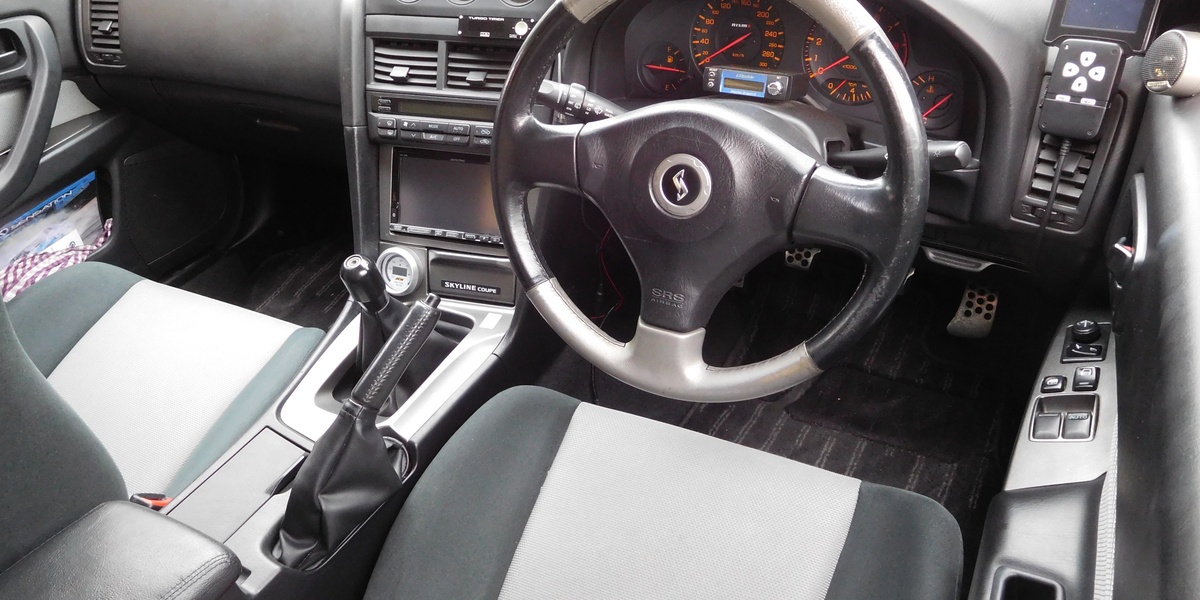
| Nissan | 1933 | Yokohama, Kanagawa | Skyline GT-R, Fairlady Z, Silvia |
| Honda | 1948 | Minato, Tokyo | Civic Type R, NSX, S2000 |
| Mazda | 1920 | Hiroshima, Hiroshima | MX-5 (Roadster), RX-7, RX-8 |
| Mitsubishi Motors | 1970 | Minato, Tokyo | Lancer Evolution, Galant, Pajero |
| Subaru | 1953 | Ebisu, Tokyo | Impreza WRX STI, Legacy, BRZ (with Toyota) |
| Suzuki | 1909 | Hamamatsu, Shizuoka | Jimny, Swift, Alto |
| Daihatsu | 1907 | Ikeda, Osaka | Mira, Copen, Hijet |
| Isuzu | 1916 | Yokohama, Kanagawa | Trooper, Piazza, Vehicross |
| Hino | 1942 | Hino, Tokyo | Ranger (truck), Profia (heavy truck), Dutro (light truck) |
| Lexus | 1989 | Toyota City, Aichi | LS, IS, RC F |
| Datsun | 1931 | Tokyo, Tokyo | 510, Fairlady (early Z era), Bluebird |
| Prince | 1952 | Tokyo, Tokyo | Skyline (early), Gloria, Prince R380 |
| Eunos | 1989 | Hiroshima, Hiroshima | Eunos Roadster (MX-5), Eunos 500 |
| Autozam | 1989 | Hiroshima, Hiroshima | AZ-1, Carol, Revue |
| Efini | 1989 | Hiroshima, Hiroshima | MS-8, Cosmo (badged variants) |
| Mitsuoka | 1968 | Toyama, Toyama | Viewt, Orochi, Himiko |
| UD Trucks | 1935 | Ageo, Saitama | Quon (heavy truck), Condor (medium truck) |
| NISMO | 1984 | Yokohama, Kanagawa | GT-R Nismo, 370Z Nismo |
| STI | 1988 | Ebisu, Tokyo | WRX STI, Forester STI (limited) |
Images and Descriptions
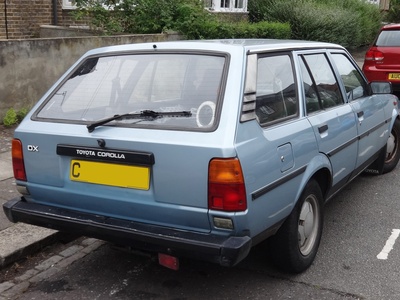
Toyota
Japan’s largest automaker, maker of enduring JDM icons like the Supra and Corolla. Known for mainstream reliability, performance halo cars, motorsport efforts (Gazoo Racing) and broad dealer networks that shaped domestic car culture.

Nissan
Major Japanese marque famous for performance icons like the Skyline GT-R and Fairlady Z. Strong JDM tuner culture, motorsport heritage and influential older export brands (Datsun) that shaped Japan’s postwar automotive industry.
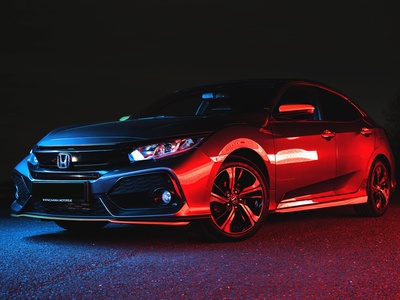
Honda
Known for high-revving engines and engineering flair, Honda made cult JDM cars from the Civic Type R to the original NSX. Strong racing pedigree and a huge aftermarket/modding scene in Japan and abroad.
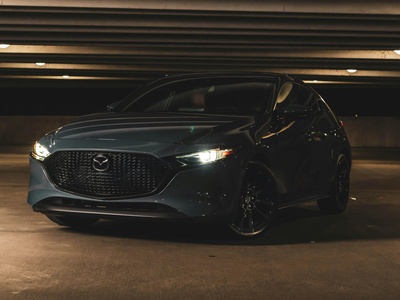
Mazda
Hiroshima-based maker famed for rotary engines and lightweight sports cars. Mazda’s RX series and MX-5 Roadster are central to JDM sports culture; also launched domestic sub-brands during the bubble era.

Mitsubishi Motors
Mitsubishi built hardcore rally-derived performance cars like the Lancer Evolution and popular SUVs such as the Pajero. Deep motorsport roots made it a JDM favorite in performance and off-road circles.
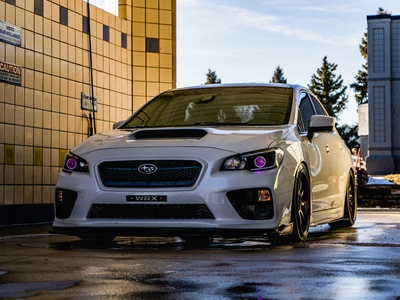
Subaru
Subaru is synonymous with boxer engines, AWD and rally success. The Impreza WRX STI defined a generation of JDM performance and grassroots tuner culture; collaborative models like the BRZ amplify its appeal.
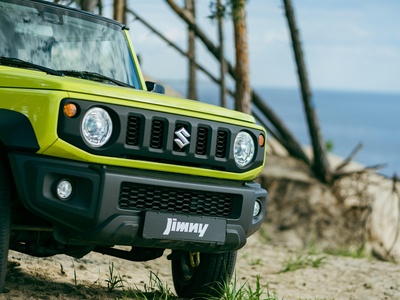
Suzuki
Compact-car specialist with a legacy in kei cars and small SUVs. Suzuki’s Jimny and tiny city cars are staples of Japanese domestic motoring, loved for affordability, simplicity, and off-road charm.
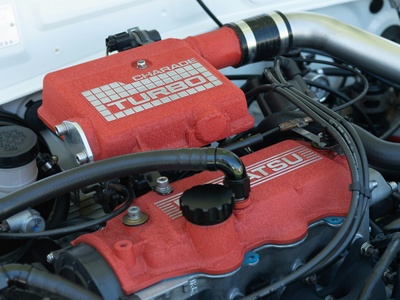
Daihatsu
Japan’s kei-car and mini-vehicle specialist, Daihatsu builds compact, economical cars made for narrow streets and strict regulations. Copen convertible and tiny hatchbacks are classic examples of JDM microcar engineering.
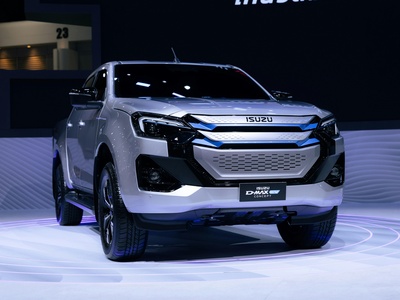
Isuzu
Originally making trucks and commercial vehicles, Isuzu also produced passenger models with unique engineering. Known domestically for rugged SUVs and diesel expertise that influenced Japan’s utility vehicle market.
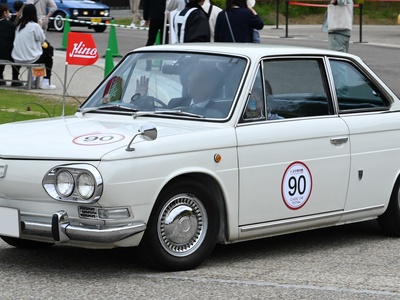
Hino
Leading Japanese commercial vehicle maker focused on trucks and buses for domestic and global markets. Hino’s presence in logistics and municipal fleets is a major part of Japan’s road vehicle landscape.
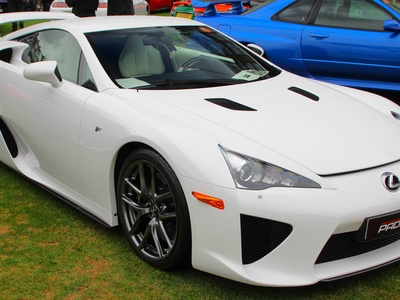
Lexus
Toyota’s luxury division, created for overseas markets and later brought fully into Japan. Lexus blends Japanese engineering with premium features; several models are sold domestically and influence Japan’s luxury car scene.
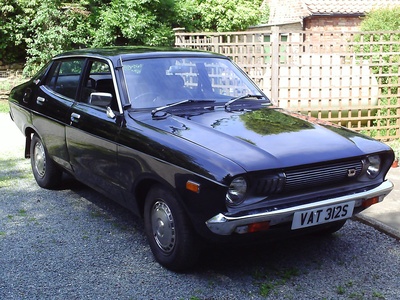
Datsun
Historic marque that began before WWII and became Nissan’s export nameplate for decades. Datsun nameplate is steeped in early JDM history, representing affordable, mass-market cars and motorsport beginnings.

Prince
Defunct automaker merged into Nissan in the 1960s; Prince created early Skyline and Gloria models that became core to Japan’s domestic performance and luxury lineup under Nissan.
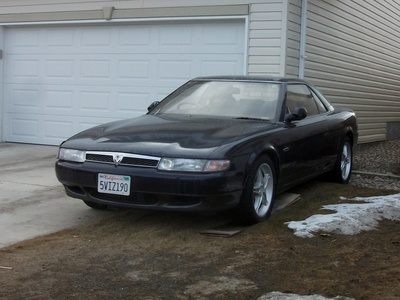
Eunos
Mazda-created dealer marque from the late 1980s bubble era, Eunos sold sportier, more upscale Mazdas in Japan. Its Roadster nameplate is legendary among JDM enthusiasts.
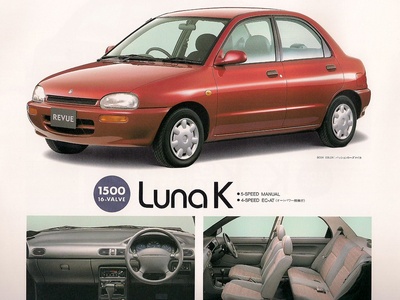
Autozam
Autozam was Mazda’s kei- and small-car retail brand during the bubble era. Known for quirky kei classics like the mid-engine AZ-1, Autozam is a notable footnote in domestic-market variety.
Efini
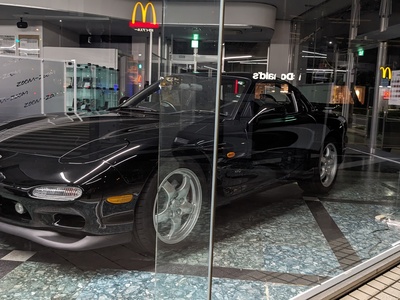
Efini was Mazda’s upscale dealer marque in the late 1980s and 1990s focused on premium offerings and unique badges for Japan’s diverse dealer system during the bubble years.
Mitsuoka
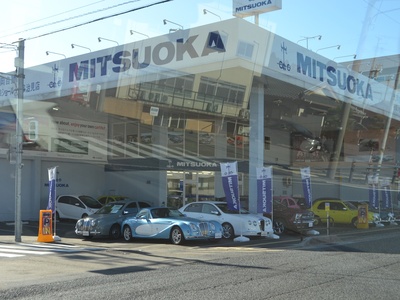
Small-volume coachbuilder known for retro-styled, hand-finished cars that reinterpret classic British looks on Japanese platforms. Mitsuoka is a niche JDM brand prized for eccentric styling and cottage-industry charm.
UD Trucks
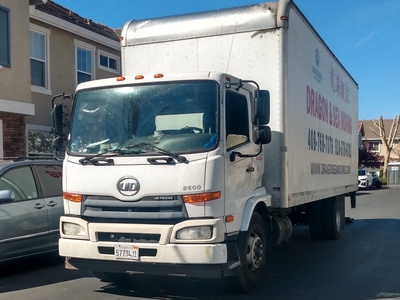
Originally Nissan Diesel, UD Trucks supplies heavy and medium trucks to Japan’s commercial market. Its long history makes it a cornerstone of domestic logistics vehicle production.
NISMO
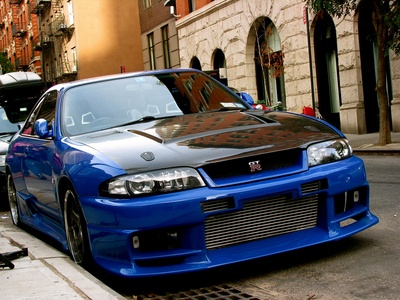
Nissan’s motorsport and performance arm turned into a bona fide performance marque. NISMO-tuned road cars and parts are sought after in Japan for factory-backed enhancements and racing pedigree.
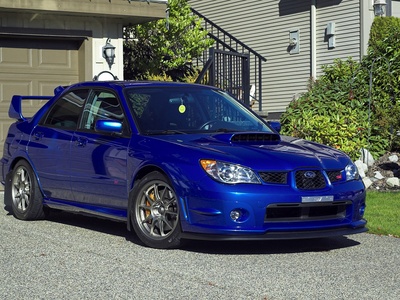
STI
Subaru Tecnica International is Subaru’s motorsport/performance division. STI badges denote high-performance variants developed for Japanese enthusiasts and rallying, shaping Subaru’s sporty image.

Marco Delantero
More from Marco DelanteroHow we reviewed this article
This article was researched against manufacturer records and editorially reviewed before publishing. We accept no payment for coverage. Some guides contain affiliate links; see our affiliate disclosure.