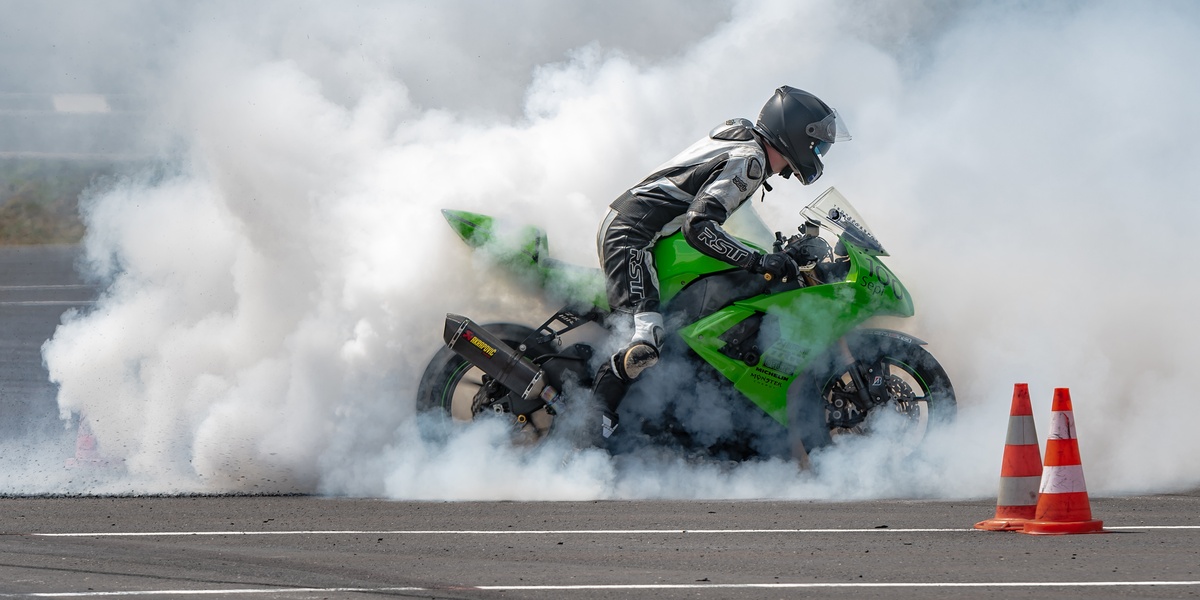
Across streets and racetracks worldwide during the 2010s, Kawasaki refined engines and broadened its lineup to suit commuters, sport riders and long-distance tourers. The decade saw steady updates and new models that carved distinct roles between urban, sport and touring segments.
There are 35 2010s Kawasaki Motorcycles, ranging from the long-distance Concours 14 to the sporty Z900. For each model you’ll find a compact table organized with Years (2010s), Displacement (cc), Class — see the full list you’ll find below.
Which models on the list are best for long-distance touring?
Look for entries with touring or sport-touring classes and higher displacements; the Concours 14 is the obvious example thanks to wind protection and luggage options, while other sport-touring models balance comfort and performance—use the Years (2010s) and Displacement (cc) columns to confirm which generation and engine size match your needs.
How should I use the table to narrow down a model?
Compare Years (2010s) to check updates, Displacement (cc) to estimate power, and Class to match intended use; higher cc often means more sustained highway power, but ergonomics and features listed by class will tell you whether a bike is practical for daily rides, weekend sport riding, or long-distance touring.
2010s Kawasaki Motorcycles
| Model | Years (2010s) | Displacement (cc) | Class |
|---|---|---|---|
| Ninja 250R | 2010–2012 | 249 | sport |
| Ninja 300 | 2013–2019 | 296 | sport |
| Ninja 400 | 2018–2019 | 399 | sport |
| Ninja 250SL | 2014–2019 | 249 | sport |
| Ninja 650 | 2010–2019 | 649 | sport |
| ER-6n | 2010–2016 | 649 | naked |
| ER-6f | 2010–2016 | 649 | sport |
| Ninja 1000 | 2011–2019 | 1,043 | touring |
| Ninja ZX-6R | 2010–2019 | 636 | sport |
| Ninja ZX-10R | 2010–2019 | 998 | sport |
| Ninja ZX-14R | 2010–2019 | 1,441 | sport |
| Ninja H2 | 2015–2019 | 998 | sport |
| Z1000 | 2010–2019 | 1,043 | naked |
| Z900 | 2017–2019 | 948 | naked |
| Z800 | 2013–2016 | 806 | naked |
| Z750 | 2010–2012 | 748 | naked |
| Z650 | 2017–2019 | 649 | naked |
| Z300 | 2015–2019 | 296 | naked |
| Z125 | 2014–2019 | 125 | naked |
| KLR650 | 2010–2018 | 651 | dual-sport |
| Versys 650 | 2010–2019 | 649 | adventure |
| Versys 1000 | 2012–2019 | 1,043 | adventure |
| Versys-X 300 | 2017–2019 | 296 | adventure |
| KLX250 | 2010–2017 | 249 | dual-sport |
| KLX450R | 2010–2019 | 449 | off-road |
| KLX110 | 2010–2019 | 112 | off-road |
| KX250F | 2010–2019 | 249 | off-road |
| KX450F | 2010–2019 | 449 | off-road |
| KX85 | 2010–2019 | 85 | off-road |
| Concours 14 | 2010–2019 | 1,352 | touring |
| Vulcan S | 2015–2019 | 649 | cruiser |
| Vulcan 900 | 2010–2015 | 903 | cruiser |
| Vulcan 1700 | 2010–2016 | 1,700 | cruiser |
| J300 | 2013–2019 | 299 | scooter |
| W800 | 2011–2019 | 773 | naked |
Images and Descriptions
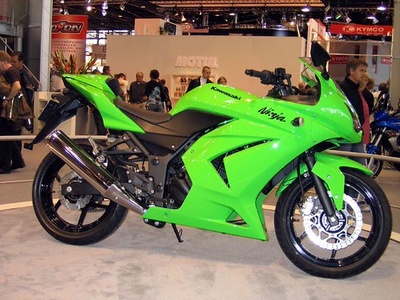
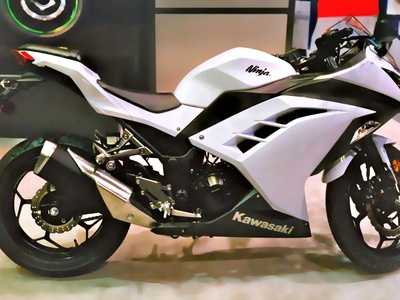
Ninja 250R
Popular learner sportbike sold globally (Asia, Europe, select markets). Continued early in the decade before being mostly replaced by Ninja 300; notable for approachable twin engine, light weight and being a common entry-level Kawasaki through 2010–2012.
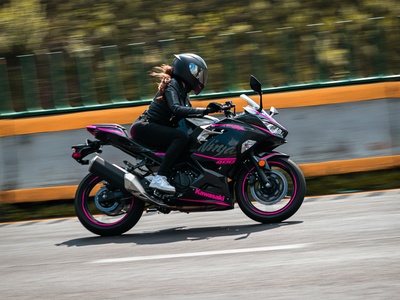
Ninja 300
Global successor to the 250, sold widely in Asia, Europe and North America from 2013. Upgraded twin 296cc engine, better power and ABS options; popular for learners and sport commuters, and replaced the 250R in most markets during the 2010s.
Ninja 400
Lightweight sportbike launched late in the decade (2018 onward) in Europe, US and Asia to replace the 300 in many markets. 399cc twin with stronger midrange, modern chassis and styling; quickly became a popular entry-sport option.
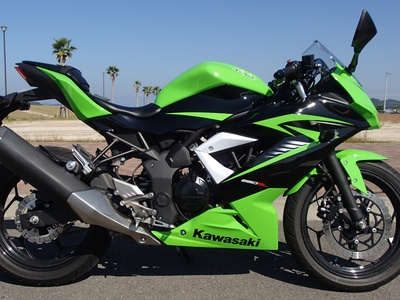
Ninja 250SL
Single-cylinder lightweight introduced in mid-decade for select Asian markets from 2014. 249cc single aimed at cost-conscious riders, offering sharp styling inspired by larger Ninjas and very light weight; marketed alongside twin-cylinder 300 models.
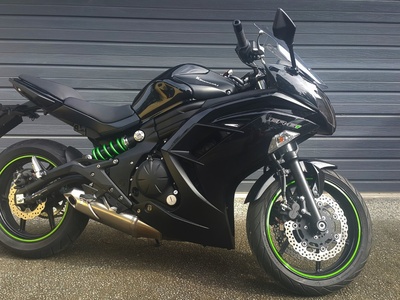
Ninja 650
Mainstream middleweight sport/touring twin sold worldwide across the decade. 649cc parallel twin received mid-decade updates to styling and electronics, rebranded from ER-6f to Ninja 650, remaining Kawasaki’s versatile mid-capacity sport model throughout 2010s.
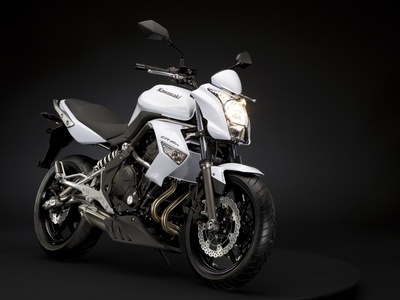
ER-6n
Naked twin sold in Europe, Japan and other markets 2010–2016 (marketed as ER-6n). 649cc parallel twin offered upright ergonomics and a more budget-friendly naked alternative until rebranded and replaced by the Z650 mid-decade.
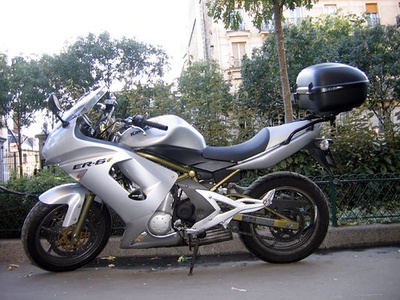
ER-6f
Half-faired sibling to the ER-6n sold early in the decade (2010–2016) in multiple markets. 649cc twin combined sporty ergonomics with commuter comfort; facelifted over the years before being subsumed into the Ninja 650 name.
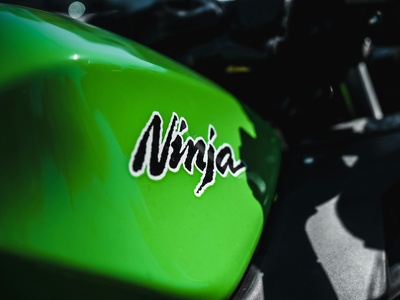
Ninja 1000
Sport-touring model (sold as Z1000SX in some regions) available through the decade from 2011. 1,043cc inline-four blended Z1000 power with touring features like luggage options, mid-decade electronics and drivetrain tweaks for improved long-distance capability.
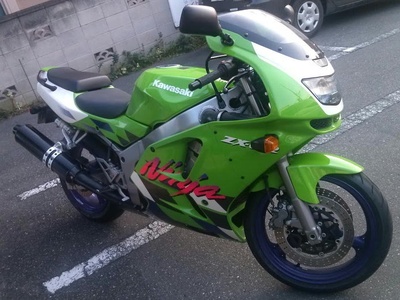
Ninja ZX-6R
600cc-class supersport sold globally 2010–2019. Kawasaki’s 636cc (in many years) ZX-6R offered strong midrange power, race-derived tech and periodic updates to fairing, electronics and engine tuning across the decade for track and street riders.
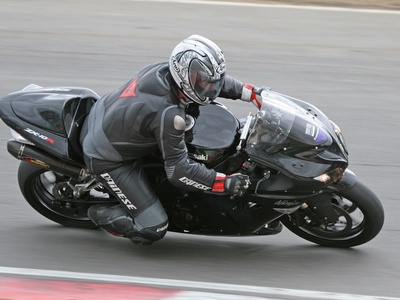
Ninja ZX-10R
Kawasaki’s liter-class supersport flagship through the 2010s, sold worldwide. 998cc inline-four received major revamps for electronics and chassis, raced successfully in WorldSBK and remained a performance benchmark for Kawasaki throughout 2010–2019.
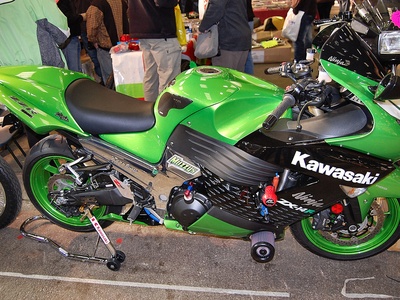
Ninja ZX-14R
Large-displacement sportbike (also sold as ZZR1400) available worldwide in the 2010s. 1,441cc inline-four prized for huge torque and straight-line performance; received cosmetic and electronics updates but remained a heavy high-power superbike.
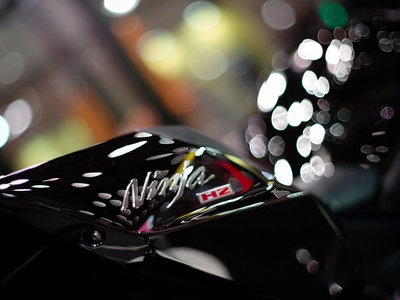
Ninja H2
Supercharged, limited-edition hyperbike introduced in 2015 and sold globally (street-legal H2 plus track-only H2R variants). 998cc supercharged inline-four represented Kawasaki’s flagship tech showcase with carbon trims and escalating power through late-decade updates.
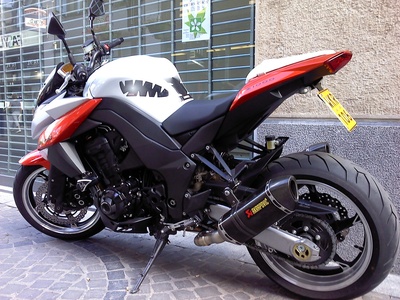
Z1000
Aggressive naked bike sold worldwide across the 2010s. 1,043cc inline-four with distinctive styling and incremental updates to electronics and ergonomics; the Z1000 was Kawasaki’s core liter-class naked throughout the decade.
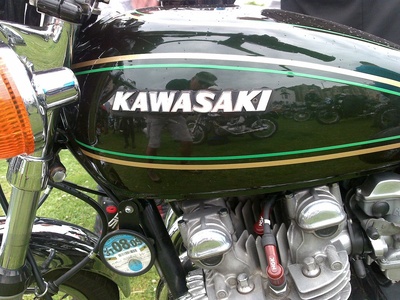
Z900
Modern mid-to-large naked introduced in 2017 to replace Z800 in many markets. 948cc inline-four offered sharper styling, revised chassis and electronics; widely sold in Europe, Asia and North America as Kawasaki’s mid-displacement streetfighter.
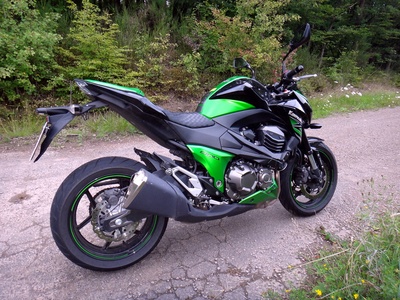
Z800
Four-cylinder naked marketed in several markets from 2013–2016 as Z-family midsize bike. 806cc engine and upright ergonomics provided a sporty yet usable streetfighter until replaced by the Z900 later in the decade.
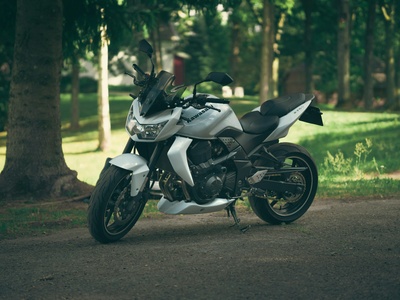
Z750
Earlier four-cylinder naked that still saw production and sales in early 2010s (2010–2012) in some regions. 748cc engine, sporty chassis and basic electronics made it a popular mid-capacity naked before the Z800 update.
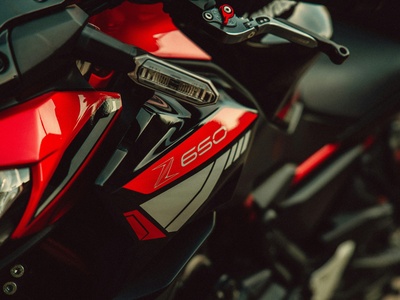
Z650
Replaced ER-6n as Kawasaki’s compact naked in 2017, sold globally from 2017. 649cc twin reassigned to the Z branding with updated styling, lighter chassis and improved features, aimed at urban riders and new enthusiasts.
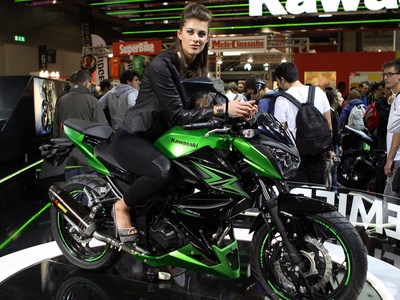
Z300
Small-displacement naked launched mid-decade (around 2015) and sold in Europe and Asia. 296cc twin shared Ninja 300 underpinnings, offering a more upright ride and entry-level appeal for commuters and new riders.

Z125
Tiny streetfighter/minibike sold in urban markets from about 2014. 125cc single targeted learners and city riders with fun styling, light weight and sometimes marketed alongside the Ninja 125 name in Europe after late-decade model introductions.
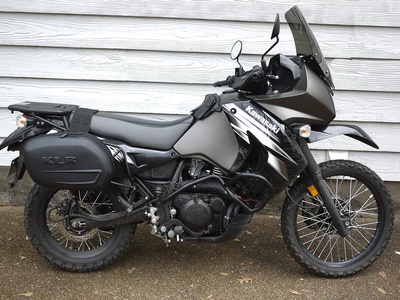
KLR650
Long-serving dual-sport sold worldwide through the 2010s (notably North America) known for reliability and long-range capability. 651cc single received running changes and remained popular with overland riders until US production paused late in the decade.
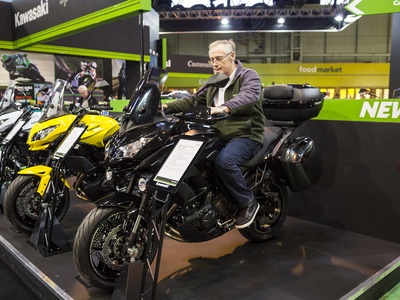
Versys 650
Middleweight adventure-touring sold globally all decade. 649cc parallel twin balanced comfort and sport handling, received a major 2015 update to styling, suspension and rider amenities, keeping it a core Kawasaki all-rounder through 2019.
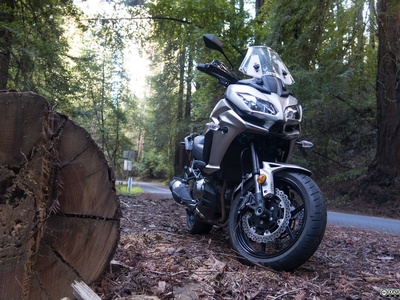
Versys 1000
Large adventure-touring machine introduced earlier and sold through the 2010s after a 2012 update. 1,043cc inline-four adapted Z1000 hardware into a long-range, rider-focused package with mid-decade electronics and luggage options for touring markets.
Versys-X 300
Lightweight, adventure-styled machine launched late in the decade (2017 onward) for narrow-license and emerging-market riders. 296cc twin offered an upright position, mild off-road capability and optional accessories for touring at lower displacement classes.
KLX250
Dual-sport blend sold through early-mid 2010s; 249cc single offered both street and light off-road capability. Marketed in several regions as a versatile small-displacement choice before Kawasaki refocused small dual offerings later in the decade.
KLX450R
Competition-oriented enduro/dual-sport sold worldwide across the decade. 449cc four-stroke single targeted off-road and cross-country riders, regularly updated for suspension and engine performance for enduro racers and experienced recreational riders.
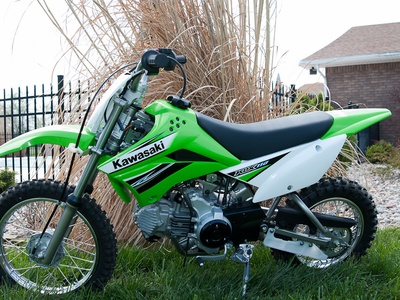
KLX110
Youth/off-road trail model widely sold through the decade. 112cc four-stroke minibike targeted beginners and family trail use, known for simplicity, low cost and durability; popular as an entry off-road machine worldwide.
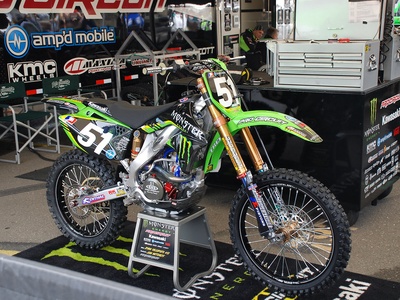
KX250F
Factory-style motocrosser sold globally through the 2010s. 249cc four-stroke provided competitive performance in motocross and supercross classes, receiving iterative engine and chassis updates to stay competitive in the 250cc segment.
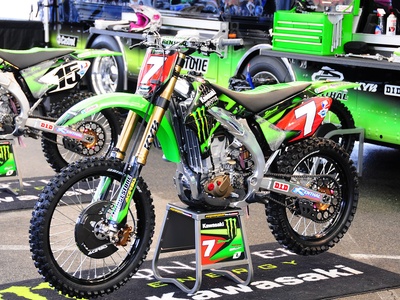
KX450F
Kawasaki’s premier MX racer throughout the decade. 449cc four-stroke motocross bike saw continuous development in suspension, power delivery and electronics to compete professionally and at club levels worldwide.
KX85
Youth motocross machine for smaller riders sold globally through the 2010s. Approximately 85cc two-stroke (or class equivalent) offered competition-ready handling and race-focused features for junior racers and training programs.
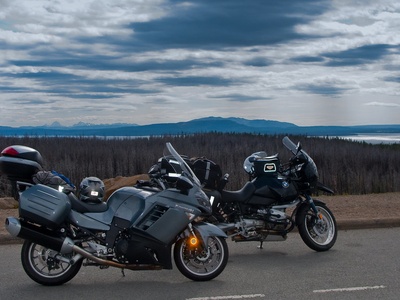
Concours 14
Full-size sport-touring flagship (aka 1400GTR) sold in North America, Europe and Japan through the 2010s. 1,352cc inline-four provided long-distance comfort, luggage capacity and ongoing updates to electronics and refinement during the decade.
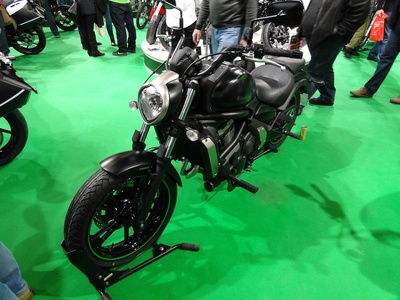
Vulcan S
Modern mid-capacity cruiser launched in 2015 and sold worldwide. 649cc parallel twin used a customizable Ergo-Fit system for rider fit, aimed at riders wanting cruiser styling with modern engine and tech.
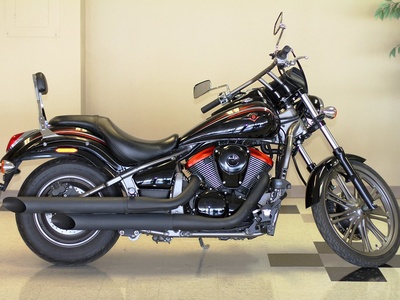
Vulcan 900
Classic cruiser sold early in the decade in many markets (2010–2015). 903cc V-twin provided relaxed torque and cruiser ergonomics, offered in Classic and Custom trims before Kawasaki reoriented its cruiser line later in the 2010s.
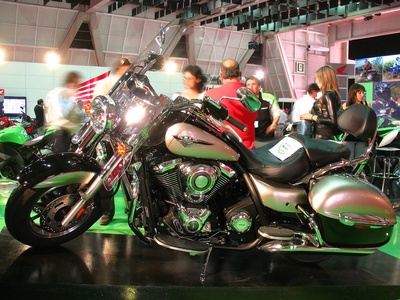
Vulcan 1700
Large-displacement touring cruiser (Nomad/Vaquero/Voyager variants) marketed in the early 2010s. 1,700cc V-twin emphasized long-distance comfort, luggage and touring features while Kawasaki refreshed or discontinued some variants mid-decade.
J300
Kawasaki-branded 300cc maxi-scooter marketed in Europe and select markets from about 2013. 299cc single offered commuter comfort, storage and ABS options; it was Kawasaki’s small-scooter entry sold via dealer networks during the decade.
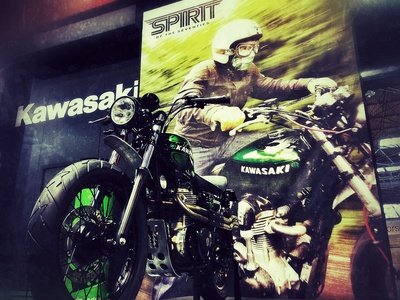
W800
Retro-standard introduced 2011 and sold in Europe and select markets through the 2010s. 773cc air-cooled vertical-twin echoed classic Kawasaki styling, aimed at riders desiring classic looks with modern reliability and modest touring ability.