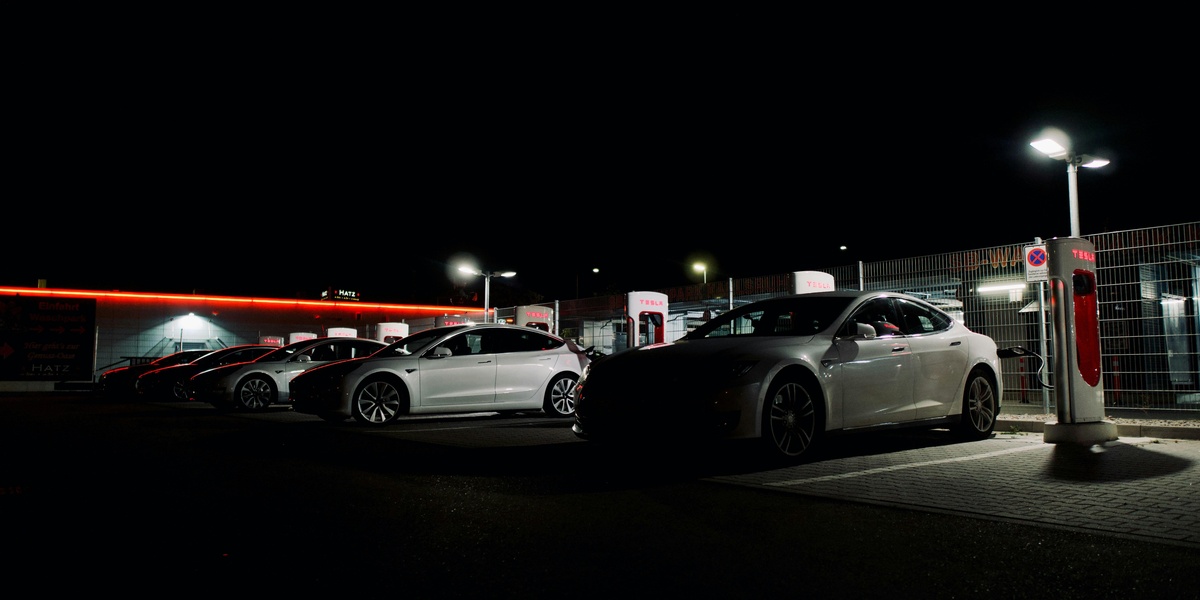
The history of Tesla models spans the introduction of the original Roadster to a diverse family of sedans, SUVs and performance cars. Tesla models represent a major shift toward long-range battery-electric vehicles, combining aerodynamic design, powerful electric drivetrains and frequent over-the-air software updates. The lineup ranges from limited-production sports cars to mass-market models that made electric driving practical for more people. These vehicles have been influential in accelerating EV adoption, shaping charging infrastructure and raising expectations for range, efficiency and in-car digital features.
Context
Tesla began as a niche automaker in the early 2000s and released its first production vehicle, the Roadster, in 2008. That initial model demonstrated that battery-electric drivetrains could deliver sports-car performance and useful driving range. The company later introduced a luxury sedan and an SUV, then moved toward higher-volume models designed to reach more buyers. To support practical long-distance travel, Tesla built a proprietary fast-charging network and standardized charging equipment across many vehicles. The brand also introduced driver-assistance software marketed as Autopilot and popularized delivering feature and safety updates via wireless over-the-air downloads. Manufacturing scaled through large battery and vehicle plants to meet growing demand, and the vehicles’ designs and tech choices influenced broader industry trends in electrification, charging, and digital-first vehicle interfaces.
Scope and coverage
This collection encompasses model-level accounts across production years, focusing on how each vehicle changed in design, powertrain and features over time. The coverage highlights body styles—from two-seat sports cars to crossovers—performance variants, battery and charging options, and the development of driver-assist and infotainment systems. Rather than listing every trim, the emphasis is on meaningful year-to-year changes such as redesigns, new battery or charging capabilities and notable engineering updates. The goal is to show how model evolution reflects technological advances, shifting market demand and regulatory influences without promising exhaustive technical specifications or ownership guidance.
Little-known facts about Tesla models:
- The original Roadster used a Lotus Elise–derived chassis, which helped Tesla bring an electric sports car to market more quickly.
- The Model S helped popularize a large central touchscreen interface that reshaped expectations for in-car digital experiences.
- Tesla developed a proprietary fast-charging network to reduce range anxiety and support long-distance electric travel.
- The Model X’s rear “falcon-wing” doors required special sensors and hinge designs so they could open in tight spaces.
- The Model 3 was engineered for high-volume production and played a central role in making electric cars more accessible to mainstream buyers.
- Tesla vehicles receive over-the-air firmware updates that can add new features or refine vehicle behavior after purchase.