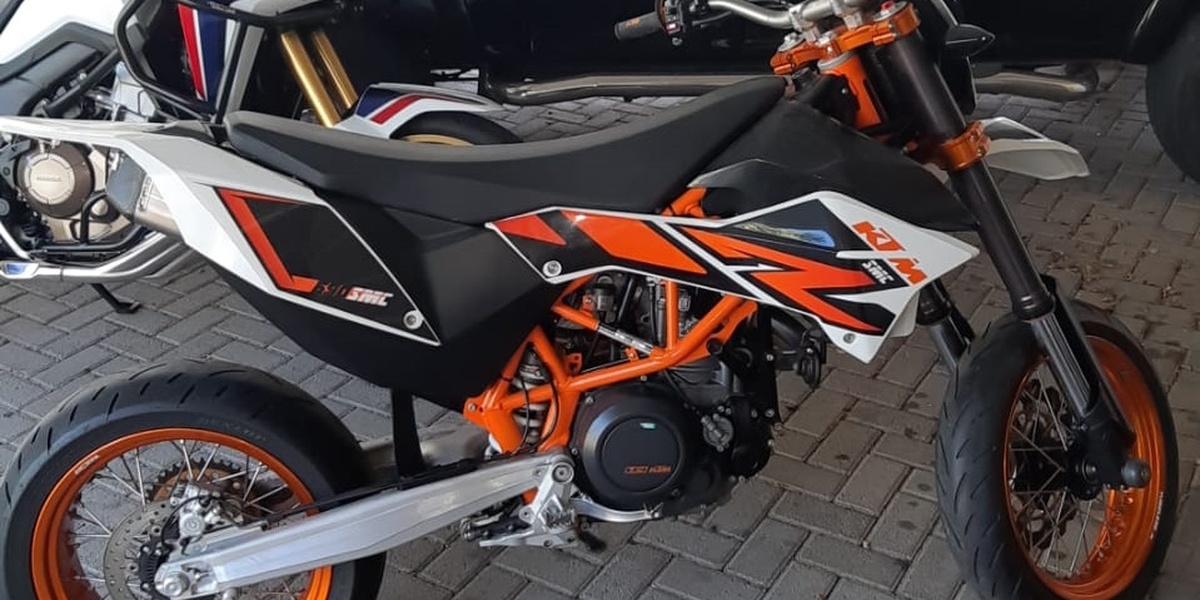
In the late 1970s and early 1980s, a handful of riders in California began racing motocross bikes on mixed surfaces with road-style tires — the experiment evolved into supermoto and changed how many riders thought about two-wheeled versatility. That blend of dirt-bike agility and road competence still defines the category: riders who commute during the week, carve tight urban corners on weekends, or tackle a short dirt section on a Sunday increasingly ask which platform fits their life. A useful benchmark: on asphalt a DOT road tire can present a 30–50% larger effective contact patch than an off-road knobby, which directly affects grip and braking.
For many commuters, urban sport riders, and mixed-surface weekenders, the practical differences matter more than theoretical specs. This piece argues that for street-forward, mixed-use riding a supermoto often delivers distinct advantages over a traditional dirt bike — from braking and cornering on pavement to everyday practicality and resale support. Below are eight concrete advantages, with examples and numbers you can use when evaluating models or planning a conversion.
Performance and Handling Advantages
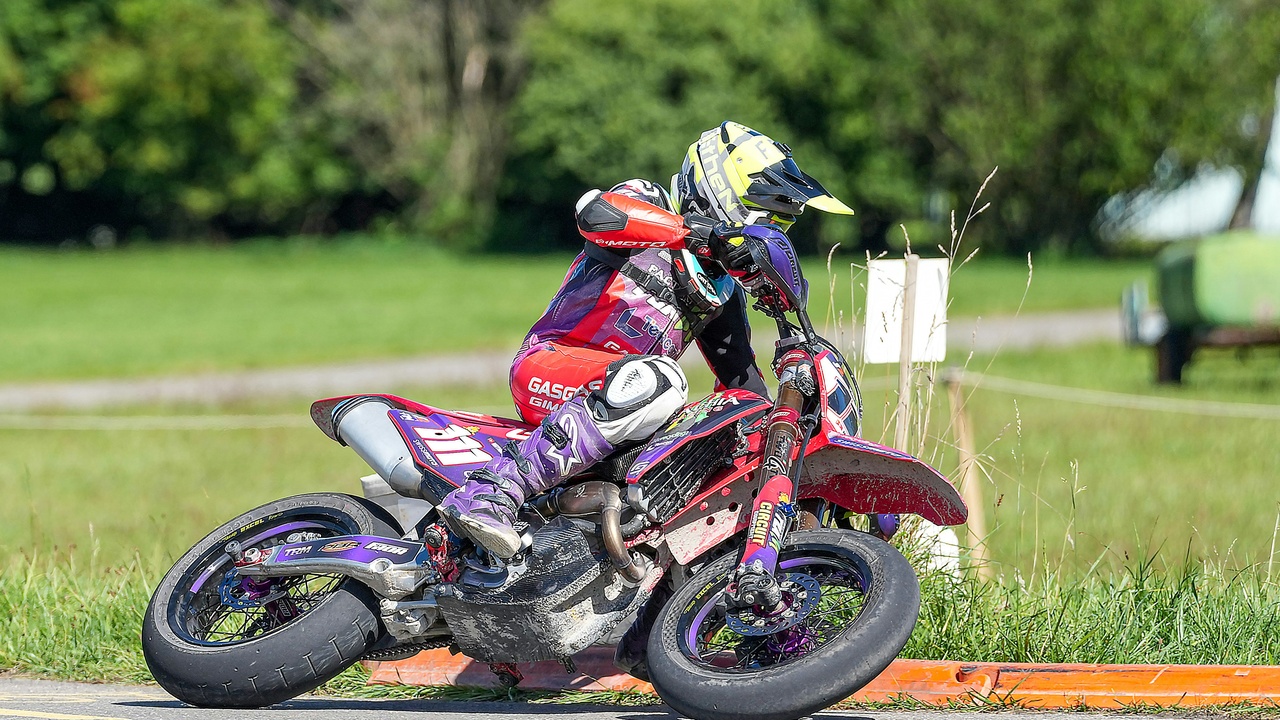
This group covers how supermoto geometry, tires, wheels, and brakes change the riding experience on pavement and mixed roads. Supermotos typically trade a 21-inch front wheel for a 17-inch rear/wheel package or a 17/17 setup, run DOT compounds, and use stiffer front ends and steering geometry that prioritizes rapid turn-in and predictable feedback. Those mechanical choices translate into measurable gains: shorter stopping distances, higher lateral grip at urban lean angles, and less wandering at sustained speeds. When you compare supermoto vs dirt bike on asphalt, the difference is often obvious from first corner entry to emergency stops. Below are three specific advantages and real-world examples from popular models and tire choices.
1. Improved On-Road Traction and Braking
Supermoto tires and brake packages deliver better traction and shorter stopping distances on pavement than knobby-equipped dirt bikes. A DOT street tire and a 17-inch wheel give a noticeably larger contact patch and more predictable heat tolerance; that plus larger front rotors and multitasking calipers reduces stopping distance. Practically, a well-equipped supermoto with quality street rubber can stop from 60 km/h in roughly 12–15 meters, versus around 18–24 meters for a motocross bike still on knobbies. That means safer emergency stops in traffic and less chance of front-wheel lock-up. Look at the KTM 690 SMC R’s dual 320 mm front discs and consider fitting Pirelli Scorpion Rally STR or Michelin Pilot Street tires on WR250-based conversions for clear real-world gains.
2. Sharper Cornering and Predictable Handling
Supermotos are tuned for quicker turn-in and greater pavement grip, so they’re easier to place in tight corners. Changes like steeper rake, shorter wheelbase, firmer fork settings, and street damping reduce understeer and speed up steering response. In practice a rider swapping from a Honda CRF450R to a Yamaha WR250X or a WR250R converted with street tires will notice the bike tracks truer through S-turns and requires less correction mid-corner. That confidence pays on canyon roads, urban sweepers, and short-track track days where precise line-holding matters more than long-travel suspension compliance.
3. Better High-Speed Stability on Pavement
Choosing 17-inch wheels (or a 17/17 setup), a more rounded tire profile, and road-tuned suspension improves gyroscopic stability and high-speed composure. The shift from a 21-inch front to a 17-inch front reduces odd handling at highway speeds and opens up premium street tire choices. For example, the Husqvarna 701 Supermoto’s 17-inch wheel options and road-focused damping give steadier behavior on highways than the Husqvarna FE 501 motocrosser on the same pavement stretch. That translates into steadier overtakes, fewer corrections at 100+ km/h, and a more relaxed commute or light touring experience.
Practical and Everyday Advantages
Supermotos aren’t just faster on pavement; they’re easier to live with when the ride starts at home and ends at a grocery store. Ergonomics, lighting and luggage options, and the ability to remain fully road-legal make them attractive daily drivers. Many supermoto models come from the factory with DOT wiring and mounting points for mirrors and plates, or they accept conversion kits cleanly. The following points focus on comfort, accessory fitment, and real-world usage scenarios like 10–50 km commutes or city errands.
4. More Comfortable for Road Riding and Commuting
Supermoto ergonomics and seat setups generally suit longer paved rides better than motocross-oriented dirt bikes. Seats tend to have slightly more padding and a flatter profile, while suspension is often tuned for smaller bumps at speed rather than big off-road hits. Expect seat heights in the 860–885 mm range on many 250–700cc supermotos versus higher, narrower race seats on YZ/YZ-style bikes, and notice less fatigue on 15–30 minute urban commutes. For day-to-day rides, a WR250X or Husqvarna 701 Supermoto will feel less punishing than a YZ250 or CRF450R in stock road use.
5. Easier to Outfit with Road Gear and Accessories
Supermotos accept practical accessories more readily: mirrors, turn-signal kits, small luggage racks, and wind protection bolt on without compromising handling. A decent turn-signal and mirror kit runs $100–$250; a compact Givi top case or SW‑Motech rack adds $150–$400 depending on capacity. Because many supermotos already have mounting points and DOT wiring, the conversion is often straightforward and keeps the bike fully legal for street use. That makes them better for daily grocery runs, quick errands, or a lightweight commuter kit than a pure dirt bike that needs more fabrication to meet road requirements.
6. Better All-Weather Road Use and Tire Choices
Wheel and tire choices on supermotos let riders pick compounds optimized for wet grip and longevity. Quality DOT street tires can last 3,000–8,000 km in mixed use, whereas knobbies ridden 80% on pavement often wear out in 500–2,000 km. Better wet traction also improves confidence in rainy commutes. Swapping to a Michelin Pilot Street or similar all-weather DOT tire reduces tire-change frequency and lowers seasonal maintenance time for riders who primarily use paved roads.
Cost, Maintenance, and Community Advantages

Ownership costs and local support also factor into daily satisfaction. For riders putting most miles on pavement, supermotos typically cost less to operate over time, demand fewer crash repairs from off-road tumbles, and enjoy active owner communities and events that keep parts and knowledge available. Below are two ownership-focused advantages with numbers and examples.
7. Lower Practical Running Costs for Road-Oriented Use
When ridden mainly on pavement, a supermoto usually costs less to maintain than a dirt bike forced to operate on the road. Typical DOT street tire sets run $200–$500 and can last 3,000–8,000 km depending on compound, whereas knobbies on pavement need replacing far more often. Suspension services also come less frequently if the bike isn’t taking repeated hard off-road hits. For a commuter riding 6,000–12,000 km per year, that can shave several hundred dollars annually from consumables and repair bills compared with a dirt bike pushed into street duty.
8. Strong Resale and Active Community Support
Supermoto models like the KTM 690 SMC R and Husqvarna 701 Supermoto retain steady demand on the used market, especially when they’re already road-equipped. That makes them easier to sell than a heavily modified dirt bike whose value depends on specific off-road mods. Plus, active communities—forums, regional supermoto clubs, and Reddit groups such as r/supermoto—mean you can find conversion parts, setup advice, and local track days or grassroots series without hunting. The aftermarket for supermoto-specific components is healthy, which shortens repair lead times and keeps resale values buoyant.
Summary
- Supermotos deliver measurable on-road benefits: shorter stopping distances, quicker turn-in, and steadier high-speed behavior thanks to wheels, tires, and geometry.
- Their ergonomics and accessory compatibility make them more practical for commuting, errands, and short touring than a motocross-focused dirt bike.
- Running costs often fall for road-oriented riders because DOT tires last longer on pavement and suspension/repair frequency drops with less off-road abuse.
- Strong resale demand and active owner communities simplify finding parts, event days, and local setup help—test-ride both types and evaluate things like emergency braking and corner feel.