In 1993 the McLaren F1 set a new bar for road-legal performance with an unprecedented combination of lightweight construction and a 240+ mph top speed, changing what buyers expected from high-performance cars. That milestone still frames how collectors and buyers tell two kinds of machines apart: supercars push absolute limits of speed, rarity, and engineering, while sports cars aim to balance thrills with everyday usability and cost. For anyone deciding between a supercar vs sports car, the distinction matters for performance expectations, ongoing ownership costs, and cultural cachet. This piece lays out seven clear advantages that supercars tend to hold over sports cars, grouped into three areas: Performance, Technology & Engineering, and Ownership & Experience. Read on for concrete numbers, model examples, and practical takeaways to help match your next purchase to how you actually plan to drive and enjoy it.
Performance and Speed

Supercars are engineered around absolute measurable performance: peak horsepower, factory-rated top speeds, and setups tuned for the track as much as the road. While well-sorted sports cars can be blisteringly quick, supercars typically live at the top echelon of metrics such as top speed and lap times, and they accept compromises in comfort to gain those margins. That emphasis shows up in engine choices, gearing, suspension hardware, and aerodynamics, and it’s why buyers pay premiums for models that promise class-leading figures. Below are three specific performance advantages where supercars typically pull ahead.
1. Higher peak horsepower and top speed
Supercars generally produce higher peak horsepower and higher factory-rated top speeds than most sports cars. Bugatti’s Chiron (introduced 2016) is a good extreme example with a quoted 1,479 hp and certified runs north of 261 mph, while many traditional sports cars sit in the 350–600 hp range with top speeds around 180–205 mph. Manufacturers often electronically limit top speed for tire or drivetrain safety, but the headline numbers signal engineering intent and brand positioning. That gap matters to collectors chasing records or manufacturers seeking halo attention, and it’s also a clear buying cue when outright top speed and peak power are priorities.
2. Faster acceleration and superior 0–60 times
Extreme power-to-weight ratios, aggressive gearing and advanced traction systems let supercars typically post quicker 0–60 mph times than mainstream sports cars. For context, the McLaren 720S manages roughly 2.8 seconds and LaFerrari has been measured near 2.6 seconds, versus a well-equipped Porsche 911 Carrera around 3.5 seconds. Launch control, all-wheel-drive layouts on some models and lightning-fast dual-clutch transmissions all contribute to those gains. That straight-line advantage translates to faster overtakes, better launch performance in timed runs, and a distinctly sharper on-road punch that many buyers prize.
3. High-speed stability and track-focused handling
Supercars are engineered for sustained high-speed stability and extreme cornering, not just short bursts of speed. Active aerodynamic systems, multi-element wings and diffusers produce measurable downforce increases that keep the car planted at speed, and bespoke chassis tuning yields predictable behavior at the limit. Production lap-time records—such as those set by variants of the Porsche 911 GT2 RS—highlight how tuned aero and suspension deliver seconds of advantage on circuits. Practically, that means safer high-speed runs and consistently faster lap times when driven hard.
Technology and Engineering
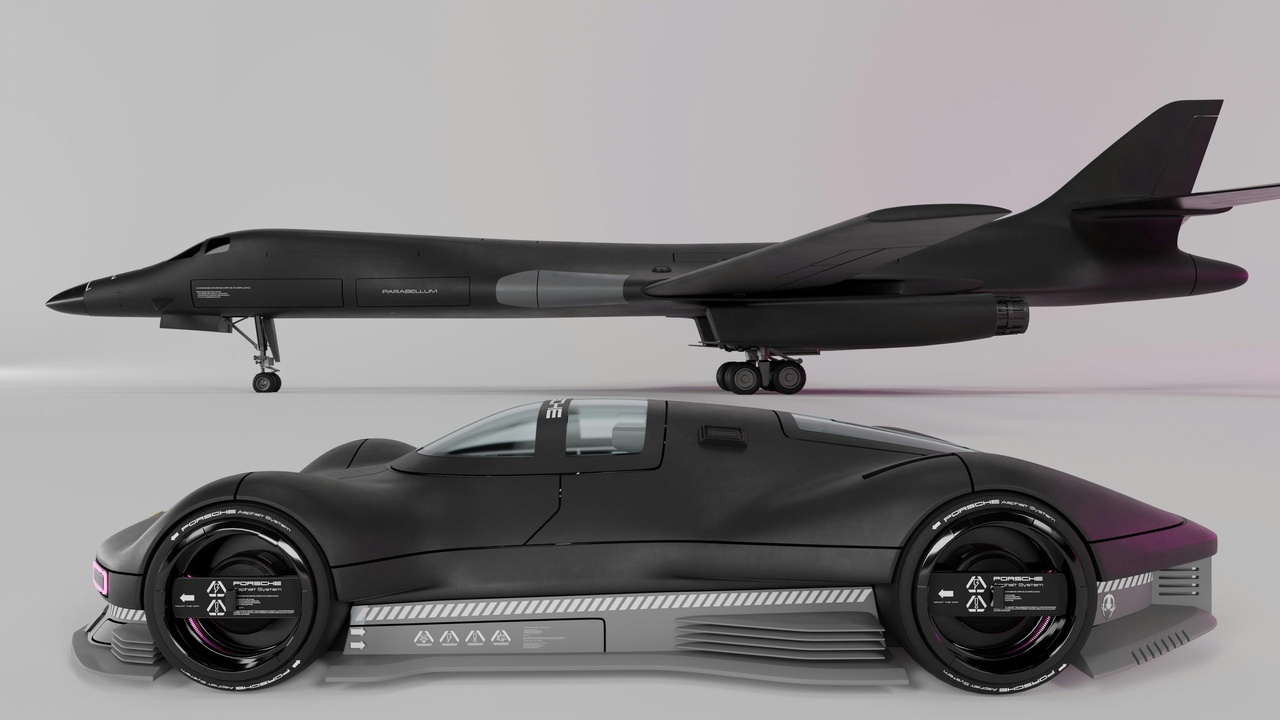
Supercars often act as rolling testbeds for automotive innovation, showcasing materials and systems that are costly or complex but deliver performance gains. Carbon-fiber monocoques, titanium hardware, bespoke transmissions and high-performance braking systems are common in this segment, and several hybrid systems have been tuned specifically for peak output rather than economy. Many of these technologies eventually filter down to sports cars and mainstream models, but they appear first—often in race-derived or limited-run supercars—where manufacturers can justify development cost for halo effect and technical learning. The next two sections break down the material and drivetrain advantages in more detail.
4. Advanced materials and lightweight construction
Supercars frequently use exotic materials to hit aggressive weight and stiffness targets. Carbon-fiber monocoques (McLaren’s early carbon heritage is a notable example), composite body panels and titanium fasteners reduce curb weight and improve rigidity versus comparable steel or aluminum structures. Some focused models target curb weights under 1,400 kg, which directly benefits acceleration, braking and handling. The trade-off is cost: repairs and replacements for carbon components are more expensive, but the performance payoff is tangible on both road and track.
5. Cutting-edge drivetrains and active systems
Supercars often preview drivetrain technology such as hybrid boost systems, advanced torque-vectoring and ultra-fast dual-clutch transmissions. Ferrari’s LaFerrari and the Porsche 918 Spyder used hybrid systems to add instant electric torque and improved lap times rather than just fuel economy. Torque vectoring and electronically controlled differentials sharpen cornering balance, while modern DCTs and single-clutch race-derived gearboxes deliver split-second shifts. These systems yield measurable on-track performance improvements, though they can complicate maintenance and raise costs compared with simpler sports-car drivetrains.
Ownership, Practicality & Experience
Beyond lap times and materials, supercars offer ownership aspects that many buyers value: exclusivity, stronger halo branding and the potential for collector appreciation. Those benefits come with trade-offs—higher insurance, specialized maintenance, limited cargo and lower day-to-day comfort—so the ownership equation is as much emotional and social as it is technical. Manufacturer-run events, factory delivery experiences and dedicated owner clubs amplify the ownership experience and can justify the premium for buyers who value status and community. The following subsections look at rarity and the ceremonial side of owning a supercar.
6. Exclusivity, prestige, and potential investment value
Supercars are often produced in small batches, which creates scarcity and prestige. Limited-run hypercars frequently stay below 500 units, and special editions or track-only models can be far rarer. That scarcity shows up at auctions; certain Ferraris, rare McLarens and limited hypercars have fetched premiums years after production. Still, appreciation isn’t guaranteed: many models depreciate, and provenance, condition and desirability drive collector value. The rarer the model, the higher the costs for insurance, storage and specialist maintenance, but the upside can reward long-term collectors.
7. Unmatched driver experience and ceremonial ownership
Supercars deliver a sensory, ceremonial experience: dramatic engine notes, bespoke interiors and the spectacle of arrival. Active exhaust tuning, handcrafted trim options and factory delivery days (including tours or launch events) reinforce that feeling. That theatrical ownership is less about commuting convenience and more about weekend drives, track days and community events. Practical compromises—lower ride height, higher fuel consumption and reduced rear visibility—mean that for daily usability, many buyers still prefer sports cars, but for enthusiasts who prize the show and feel, supercars are in a class of their own.
Summary
- Supercars lead in absolute performance: higher peak horsepower, faster 0–60 times and engineered top speeds (examples range from the McLaren 720S’s ~2.8s 0–60 to the Bugatti Chiron’s 1,479 hp figure).
- They pioneer materials and systems—carbon-fiber monocoques, hybrid boost and torque-vectoring—that later influence sports cars and mainstream models.
- Exclusivity and limited production runs can drive collector interest and occasional auction premiums, though appreciation is not guaranteed and ownership costs rise.
- Sports cars retain strengths in daily usability, total cost of ownership and practicality; choose based on intended use—daily driver, weekend track car, or collectible showpiece.
- When evaluating a purchase, compare metrics such as 0–60 times, curb weight, production run size and expected annual running costs to match the car to how you plan to enjoy it.