From South Bend to service depots and showroom lots, Studebaker left a clear imprint on American vehicle history. Its models trace shifts from commercial workhorses to wartime production and family transport, reflecting changing needs over decades.
There are 25 Studebaker Discontinued Models, ranging from 2R/3R Trucks to US6/Military trucks (Studebaker-built). Production details are organized by Production years, Body styles, Production (units), which you’ll find below.
How did these models end up discontinued?
Models were phased out for common reasons: shifting market demand, corporate restructuring, wartime production changes, or consolidation with other lines. The list groups each model by years, body types, and output so you can see when and why specific designs were retired.
Where can I verify the production numbers or find parts for a discontinued Studebaker?
Start with factory records, marque club registries, and specialist reference books for reliable production figures; reproduction and NOS parts are available through vintage parts suppliers, enthusiast forums, and dedicated Studebaker restoration shops—links and sources are noted in the entries you’ll find below.
Studebaker Discontinued Models
| Model | Production years | Body styles | Production (units) |
|---|---|---|---|
| Champion | 1939–1958 | Sedan, coupe, convertible, station wagon | 1,500,000 |
| Commander | 1927–1958 | Sedan, coupe, convertible, station wagon | 900,000 |
| President | 1926–1958 | Luxury sedan, coupe, convertible | 400,000 |
| Lark | 1959–1966 | Sedan, coupe, wagon, convertible | 279,000 |
| Avanti | 1962–1963 | Fiberglass hardtop coupe | 4,635 |
| Studebaker Hawk (family) | 1956–1964 | Hardtop coupe, convertible (select years) | 64,000 |
| Golden Hawk | 1956–1958 | Hardtop coupe, convertible | 6,200 |
| Silver Hawk | 1957–1959 | Hardtop coupe, coupe | 20,000 |
| Gran Turismo Hawk | 1962–1964 | 2+2 hardtop coupe | 8,900 |
| Starlight Coupe | 1947–1953 | 2-door coupe (extended rear window) | 160,000 |
| Scotsman | 1957–1958 | Basic two-door sedan, coupe | 43,000 |
| Coupe Express | 1937–1939 | Car-based pickup coupe | 5,200 |
| Dictator | 1927–1937 | Sedan, coupe, tourer | 200,000 |
| US6/Military trucks (Studebaker-built) | 1941–1945 | 6×6 cargo truck, tractor | 150,000 |
| 2R/3R Trucks | 1949–1960 | Pickup, panel, chassis cab | 90,000 |
| E-Series Trucks | 1959–1964 | Pickup, chassis cab, cab-over | 45,000 |
| President Special/Coupe | 1955–1958 | Convertible, hardtop coupe, sedan | 28,000 |
| R- and V-models (prewar passenger lines) | 1930–1941 | Sedan, coupe, tourer, roadster | 95,000 |
| Studebaker Champion Starlight/Starliner (postwar variants) | 1949–1953 | Coupe, hardtop, sedan | 120,000 |
| Studebaker President (postwar luxury variants) | 1947–1958 | Sedan, coupe, convertible | 35,000 |
| Champion Suburban/Station Wagon | 1950–1954 | Station wagon | 42,000 |
| Commander Regal/Custom variants | 1950–1958 | Sedan, coupe, wagon | 76,000 |
| Studebaker Cruiser (early commercial) | 1934–1949 | Taxi, fleet sedan | 30,000 |
| Studebaker Custom/Deluxe (postwar trims turned lines) | 1946–1953 | Sedan, coupe | 88,000 |
| Studebaker Compact/Shopping economy models (early 1960s attempts) | 1960–1963 | Sedan, coupe | 22,000 |
Images and Descriptions

Champion
The Champion was Studebaker’s mass-market compact and best-seller from 1939 into the 1950s, known for economy and innovation. Discontinued as Studebaker consolidated lines amid declining sales and recessionary pressure in the late 1950s.
Commander
A mid-range Studebaker staple for decades, the Commander offered more comfort and power than entry models. It was phased out during the 1950s model consolidation as Studebaker cut costs and simplified its lineup.
President
Studebaker’s top-line luxury model for many years, the President competed with premium American marques. Rising costs and shrinking sales forced Studebaker to drop the separate President name as it restructured in the late 1950s.
Lark
Lark saved Studebaker in 1959 by offering compact, modern packaging in a full-size era. Successful initially, it was discontinued after Studebaker’s plant closures and the company’s 1966 exit from U.S. passenger-car manufacture.
Avanti
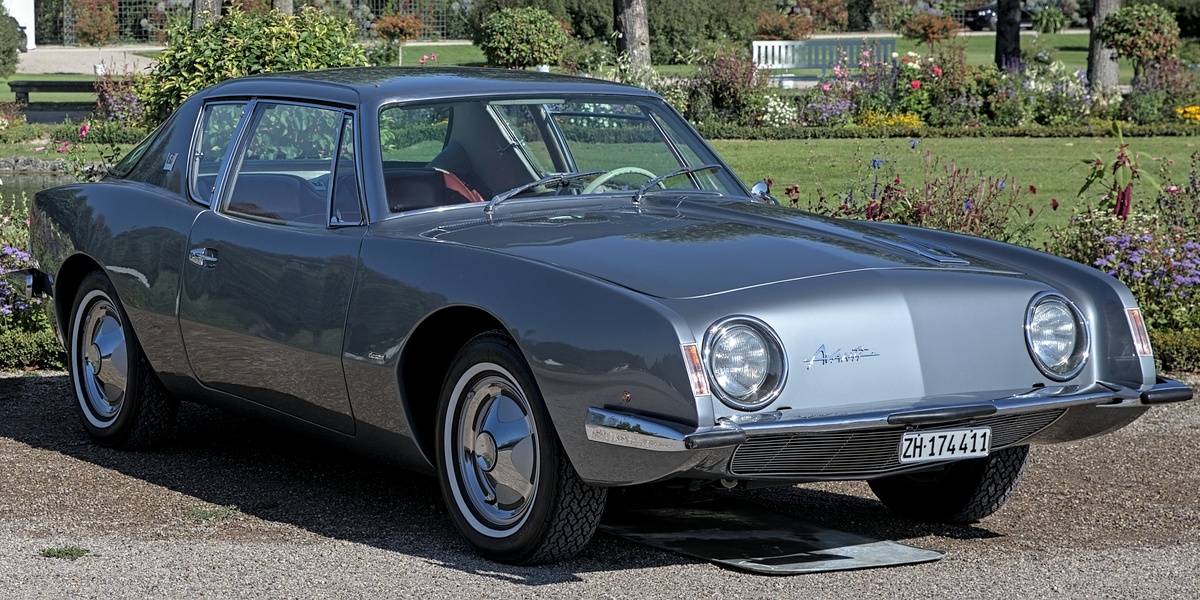
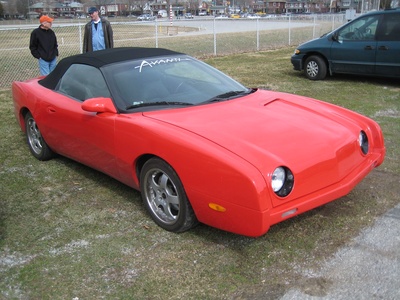
The Avanti was a bold, fiberglass grand tourer introduced in 1962 with supercharged V8 option. Production was limited and ended with Studebaker’s 1963 factory closure; the car later became collectible for its styling and rarity.
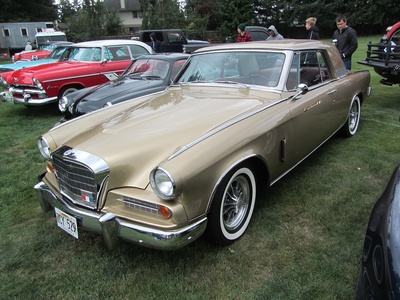
Studebaker Hawk (family)
The Hawk family spanned sporty two-door models across the late 1950s and early 1960s. Unique styling and performance made them notable, but falling demand and corporate contraction ended the line by 1964.
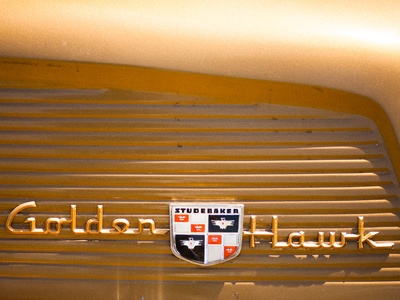
Golden Hawk
The Golden Hawk was the high-performance halo of Studebaker’s Hawk range, featuring big-block engines and distinctive styling. Limited sales and rising costs led to its short run and eventual discontinuation as Studebaker trimmed models.
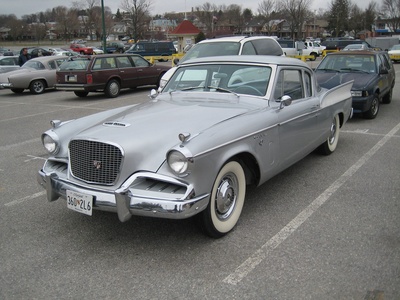
Silver Hawk
Silver Hawk filled a mid-range spot in the Hawk family with simpler trim and smaller engines for buyers wanting style without top-tier performance; it was phased out as Studebaker restructured its sporty offerings.
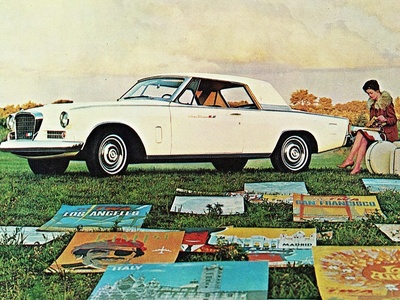
Gran Turismo Hawk
The GT Hawk was a 1962 restyle effort to modernize Studebaker’s sporty image. Appreciated for its GT styling and V8 options, it couldn’t overcome declining sales and was discontinued when Studebaker ended U.S. production.
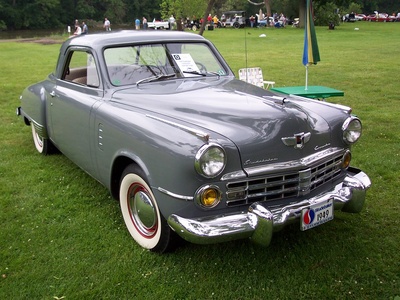
Starlight Coupe
The Starlight’s one-piece wraparound rear-glass coupe was a postwar design sensation. Built on Champion/Commander platforms, its novelty faded with changing tastes and model renames, so the Starlight name was retired.
Scotsman
The Scotsman was Studebaker’s stripped-down low-cost model offering minimal trim to compete on price. It was a short-lived program; when market conditions shifted and Lark covered economy buyers, the Scotsman was dropped.
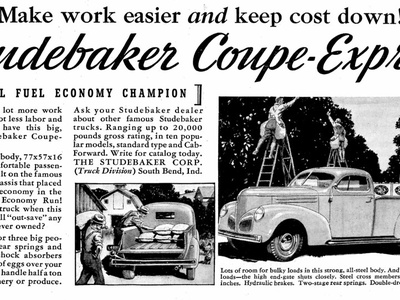
Coupe Express
A distinctive car-based pickup blending passenger-car comfort with cargo utility, the Coupe Express appealed prewar to small businesses and farmers. It disappeared as market tastes and truck offerings evolved after WWII.
Dictator
The Dictator was a popular Studebaker model during the 1920s and 1930s; its name was dropped in the late 1930s for sensitivities abroad and replaced by more marketable model names before being discontinued.
US6/Military trucks (Studebaker-built)
Studebaker built thousands of military 6×6 trucks (US6 and variants) during WWII, vital to the war effort. Production ended with hostilities; these models are notable for wartime service rather than peacetime continuation.
2R/3R Trucks
Postwar light- and medium-duty truck series that modernized Studebaker’s commercial offerings. As the company refocused and consolidated manufacturing, these series were replaced by later truck lines and eventually ended.
E-Series Trucks
Studebaker’s later light-duty trucks updated styling and payload options. Falling truck-market share and corporate financial troubles led to termination of Studebaker truck lines in the mid-1960s.
President Special/Coupe
Late-era President-branded variants represented Studebaker’s final attempts at a luxury image. With shrinking demand and cost-cutting, the separate President models were cut during consolidation.
R- and V-models (prewar passenger lines)
A range of prewar Studebaker passenger models (R- and V-series) provided the company’s mainstream mid‑priced offerings. They were replaced by postwar model families and evolving nomenclature.
Studebaker Champion Starlight/Starliner (postwar variants)
Postwar Champion variants like Starlight and Starliner were stylistic icons. Renamed and reorganized in the late 1950s as Studebaker consolidated, the specific variant names were phased out.
Studebaker President (postwar luxury variants)
Postwar President offerings emphasized luxury and advanced engineering. Economic pressures and shrinking luxury-market penetration for Studebaker forced discontinuation of the separate high-end President variants.
Champion Suburban/Station Wagon
Early Studebaker station wagons based on the Champion platform preceded later wagon lines. As models were rationalized into broader series, these specific Champion-based wagons were discontinued.
Commander Regal/Custom variants
Postwar Commander submodel trims offered upscale features. As Studebaker reduced complexity to save costs, many named submodels like Regal and Custom were merged or dropped entirely.
Studebaker Cruiser (early commercial)
Studebaker built fleet-focused sedans and “Cruiser”-type bodies for commercial use; these were phased out or rebranded as market needs and passenger car designs evolved after WWII.
Studebaker Custom/Deluxe (postwar trims turned lines)
Postwar Custom and Deluxe designations were commonly used to denote trim levels that later became absorbed into fewer model names when Studebaker simplified its offerings to cut costs.
Studebaker Compact/Shopping economy models (early 1960s attempts)
Small, economy-focused Studebaker variants and experimental compact ranges attempted to chase market niches. Weak sales and corporate contraction led to their quiet disappearance as the company exited passenger-car production.