Which motorcycle is better for your weekends — a razor-sharp sport bike that carves corners or a cushy sport tourer built for 1,000-mile days?
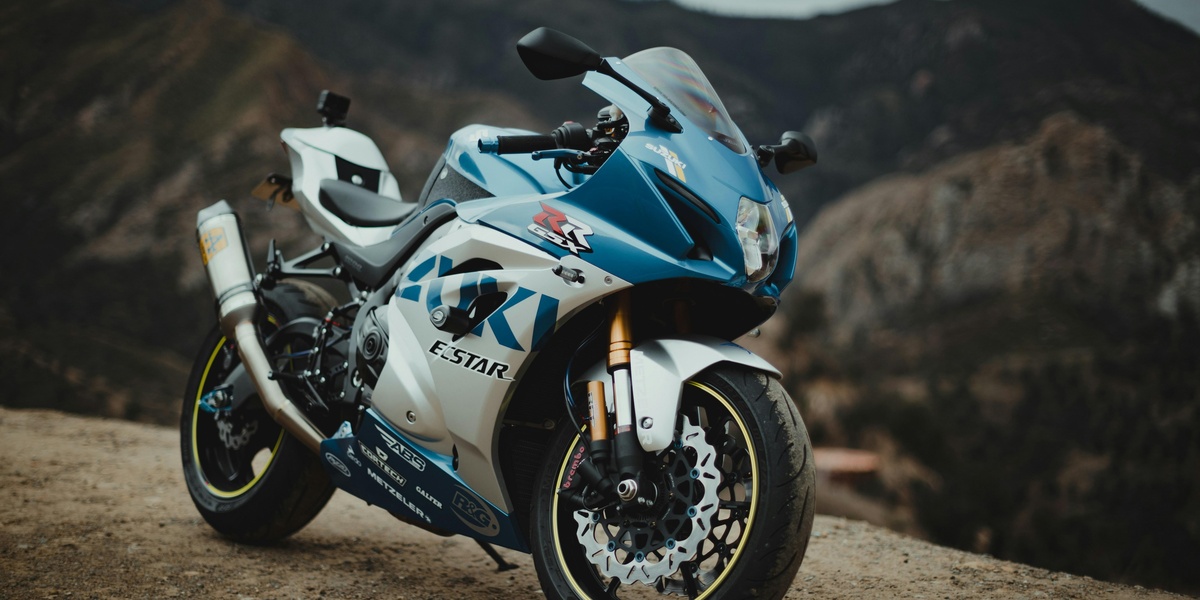
Since the 1980s, sport bikes have gone increasingly race-inspired while sport-tourers added luggage, bigger windscreens, and creature comforts to cover long miles. Picking the right machine matters: the bike you buy should match your riding goals, save you money over time, and keep you safer by playing to your strengths. For riders who prioritize raw performance, handling, and an unfiltered connection to the road, sport bikes deliver major advantages over sport-touring machines; this article breaks down eight specific ways they do. Picture a canyon road at sunset — light fading, pavement clean, and a nimble sportbike tucked low through every turn.
Quick stat to cite later: typical curb weights run roughly 350–450 lb for sport bikes versus about 550–650 lb for many sport tourers.
Performance & Handling Advantages
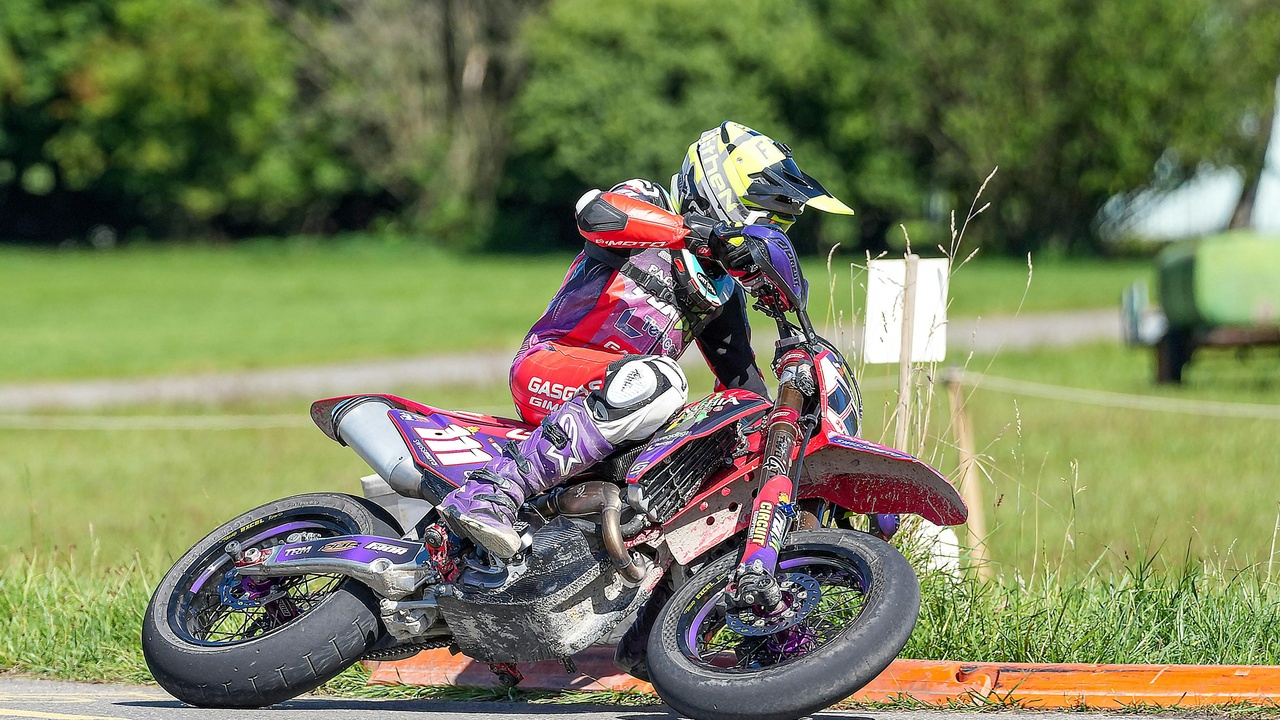
Sport bikes are engineered for speed, agility, and precise feedback. The points below focus on engine performance, chassis geometry, braking, suspension, and aerodynamics — all the bits that make a sport motorcycle feel alive on twisty roads.
1. Superior Power-to-Weight and Acceleration
Higher power-to-weight ratios give sport bikes noticeably quicker acceleration than touring-focused machines. For liter-class sport bikes 0–60 mph times often fall in the 3.0–4.5 second range, while middleweights commonly clock 4.0–5.5 seconds.
Curb weight matters: many sport bikes sit around 350–450 lb, whereas sport tourers commonly range 550–650 lb. That 150–250 lb difference can mean a vastly better horsepower-to-weight figure and far snappier overtakes and on-ramp exits.
Magazine dyno and acceleration tests (for example, Cycle World and Motorcyclist) show how those numbers translate to real roads: a middleweight like the Kawasaki Ninja ZX-6R will feel much quicker rolling off a corner than a Yamaha Tracer 900GT with more mass to shuffle.
2. Sharper Chassis, Brakes, and Suspension
Factory frames on sport bikes are typically stiffer and geometry is sharper to promote quick turn-in and stability at speed. Suspension and brake packages skew toward performance rather than plushness.
High-spec components — think Brembo calipers on Ducatis or Aprilias and Öhlins forks on certain Yamahas or KTMs — shorten stopping distances and improve feedback. Test data often shows sport machines stopping shorter from 60 mph than heavier tourers.
Touring setups favor compliance and load-carrying, so while they ride comfortably with luggage, they usually lack the same cornering precision and immediate braking bite found on sport models built for spirited use.
3. Aerodynamics and Riding Position for Aggressive Riding
Full fairings and a low tuck reduce drag and improve high-speed control on sport machines. Clip-on bars and a compact cockpit place weight forward, helping you steer the front wheel precisely through a sequence of turns.
That aerodynamic advantage raises comfortable cruise speed and reduces wind fatigue when maintaining higher averages, though the trade-off is more wrist and neck strain on long days. Examples include the Honda CBR lineup and Ducati Panigale fairing shapes that shed wind and stabilize the bike at speed.
Practicality & Everyday Advantages
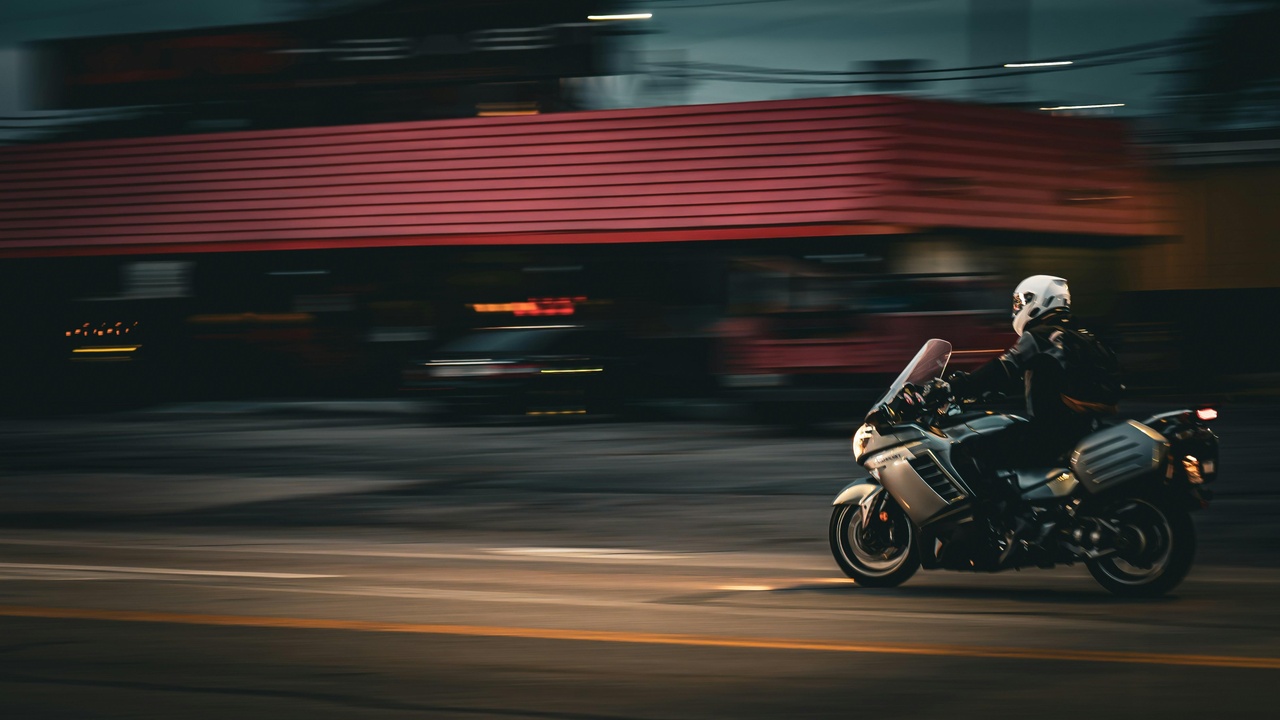
While sport tourers shine on long trips, sport bikes offer surprising everyday benefits: they’re easier to flick around town, take up less space in a garage, and often make basic servicing simpler for owners who like to wrench.
4. Superior Agility for City Streets and Tight Roads
Sport bikes’ compact dimensions and lighter mass make them easier to flick through traffic and tight switchbacks. Narrower profiles and shorter wheelbases help with quick direction changes and lane filtering.
Quantifiable differences vary by model, but expect sportbikes to have wheelbases often several inches shorter than bulky tourers, producing a noticeably smaller turning radius and faster steering response. In rush-hour commutes or winding backroads, that agility saves time and reduces rider fatigue.
Entry-level sport models like the Yamaha YZF-R3 or Honda CBR500R make excellent daily commuters compared with a heavier BMW R1250RT in tight urban settings.
5. Simpler Packaging and Easier Storage
Without large integrated panniers and tall windscreens, sport bikes take up less curb and garage space. They’re easier to squeeze into tight parking spots and simpler to maneuver by hand when parking or pulling in a driveway.
For riders who need luggage, compact solutions like Givi tail bags or Kriega tank packs keep things flexible without permanently increasing the bike’s footprint. Sport tourers’ hard panniers add bulk by design.
6. Lower Mechanical Complexity for DIY Riders
Many sport bikes omit a lot of touring creature comforts, which often means simpler wiring and easier access to core components. That reduces the time and frustration for routine DIY jobs.
Typical DIY tasks are straightforward: chain adjustment can take 20–45 minutes, brake pad changes 30–60 minutes, and an oil change an hour or so for a competent home mechanic. By contrast, some tourers use shaft drives or more integrated electronics that need specialist service.
Valve check intervals and service schedules vary by model (some sport bikes call for checks every 7,500–15,000 miles), so always consult the manual, but overall many sport machines are friendlier to home maintenance.
Cost & Ownership Advantages
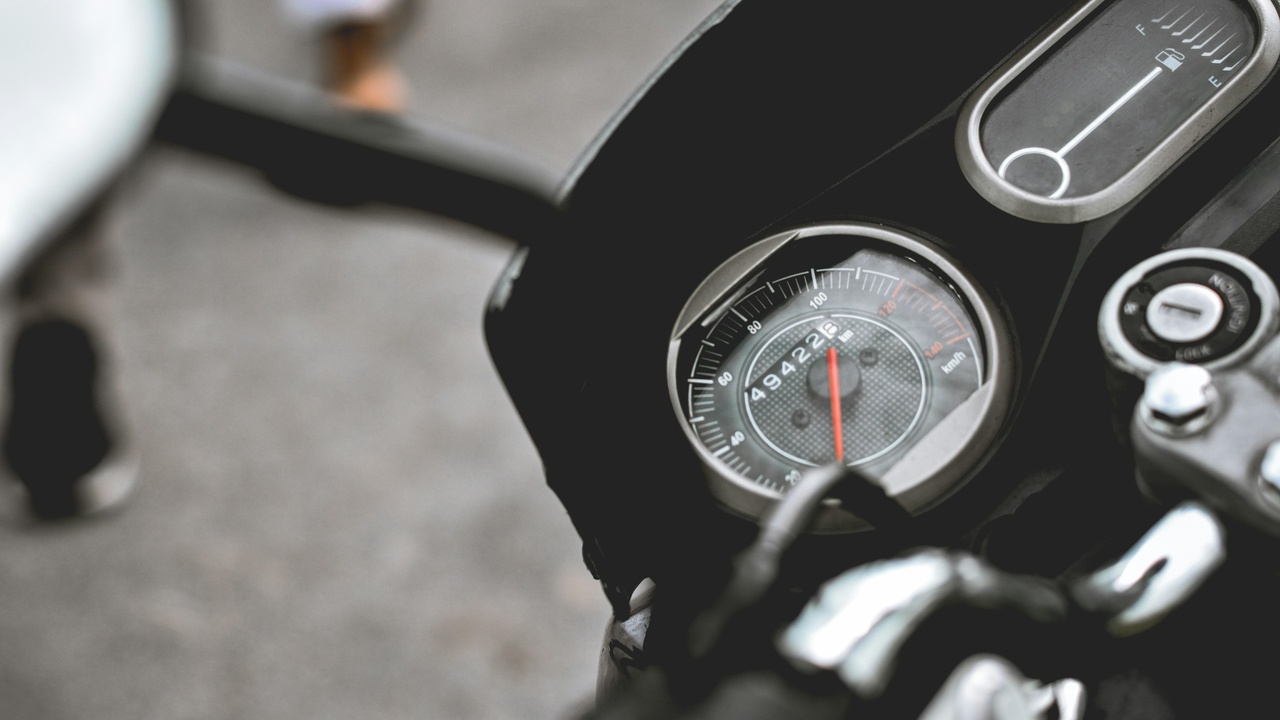
When weighing sport bike vs sport touring, consider purchase price, insurance, fuel economy, and depreciation. Across many segments sport bikes offer lower entry prices, leaner running costs, and steady resale demand among enthusiasts.
7. Lower Purchase and Insurance Costs (for many riders)
Entry-level sport bikes are often more affordable: expect MSRP ranges like $5,000–10,000 for small-displacement sport machines, $8,000–15,000 for midweights, while many sport tourers often start around $12,000 and climb from there.
Insurance depends on displacement, rider history, and region, but a lower-priced sport bike such as a Yamaha YZF-R3 (roughly $5k–6k new) typically costs less to insure than a heavier touring package like a Yamaha Tracer 900GT ($11k–14k). High-end superbikes (Ducati Panigale, Aprilia RSV4) are notable exceptions with steep premiums.
Resale demand for desirable sport models also helps retain value in enthusiast markets, which can offset some depreciation compared with niche tourers.
8. Better Fuel Economy and Lower Routine Running Costs
Many sport bikes return strong MPG numbers compared with larger, heavier sport tourers. Reasonable ranges to expect are about 40–55 mpg for sport machines and roughly 35–45 mpg for tourers, though riding style matters a lot.
Example annual fuel cost at 6,000 miles/year and $3.50/gal: at 45 mpg you’d use ~133 gallons costing about $467; at 38 mpg you’d use ~158 gallons costing about $553 — a yearly fuel savings around $85 in this scenario.
Remember trade-offs: sport tires like the Pirelli Diablo Rosso wear faster when ridden hard, increasing tire turnover. Overall running costs depend on how you ride: commuting gently favors fuel savings, while frequent track-style riding increases tire and brake expenses.
Summary
- Sport bikes deliver superior acceleration, braking, and cornering thanks to lighter curb weights (often 350–450 lb) and race-derived components.
- They offer real everyday advantages: narrower footprints, quicker steering for city commutes, and easier storage or manual maneuvering in tight spaces.
- Ownership costs can tilt in a sport bike’s favor — lower entry MSRPs in many classes, better fuel economy (40–55 mpg typical), and vibrant resale demand for popular models.
- Practical trade-offs remain: less long-distance comfort, more physical riding posture, and potentially faster tire wear if ridden aggressively.
- Next steps: test-ride a midweight sportbike and a comparable sport tourer on the same route, compare curb weight, seat height, and luggage needs, and choose the bike that matches how and where you ride.