8 Advantages of Sport Bike vs Adventure Bike
Recall the 1970s emergence of purpose-built sport motorcycles — machines like the Honda CB750-derived racers that shifted how riders thought about speed and handling. That break with tradition created a lineage of bikes optimized for pace and precision, and it matters when you’re choosing your first performance machine or sizing up an upgrade.
For riders who prioritize on-road speed, razor-sharp handling, and sport-specific engineering, sport bikes offer clear advantages over adventure bikes in eight key areas. Below I group those advantages into three practical sections — Performance & Handling, Rider Experience & Practical Advantages, and Cost/Maintenance & Technology — then walk through eight distinct reasons a sport-focused machine can be the better fit for spirited road use.
Performance & Handling Advantages
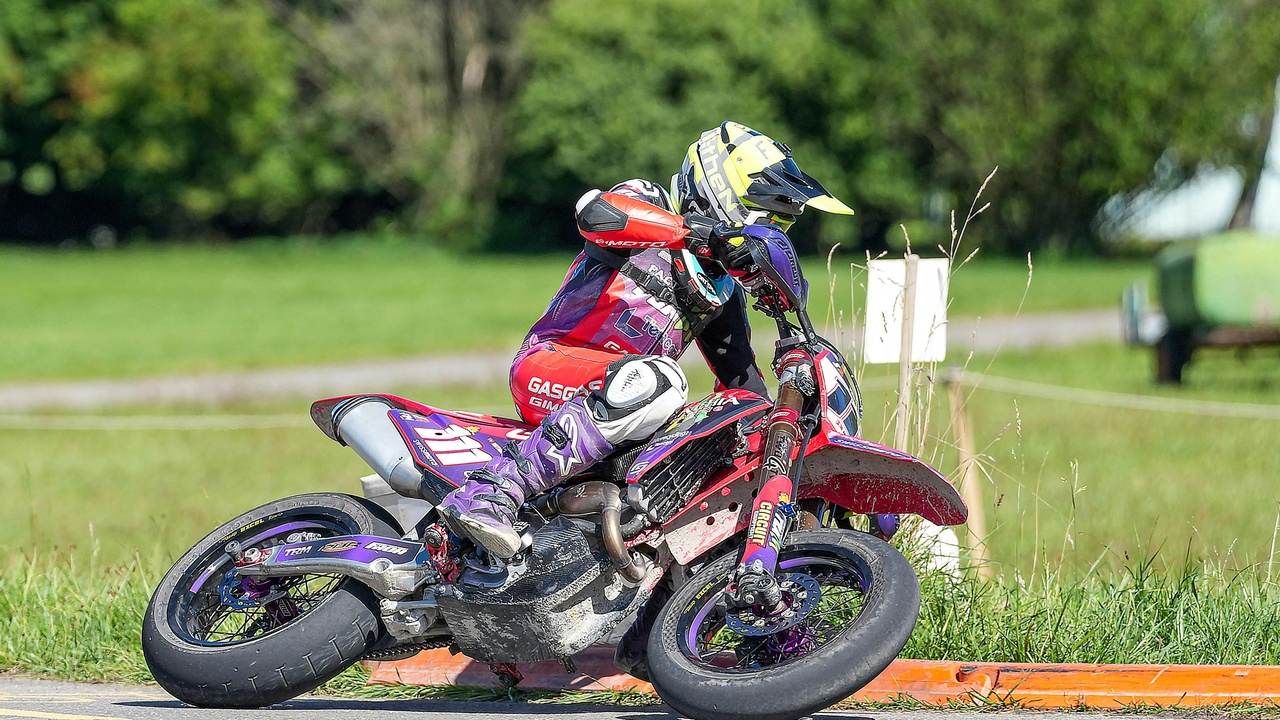
Sport machines are engineered around on-road speed: high power-to-weight ratios, sharpened geometry, and performance-grade brakes and suspension are standard. When comparing sport bike vs adventure bike, those engineering choices directly translate to quicker acceleration, crisper turn-in, and more predictable behavior at speed.
1. Superior On-Road Performance and Acceleration
Sport bikes typically deliver sharper acceleration and higher top-end performance than adventure bikes of similar displacement. Middleweight sport models often make roughly 100–140 hp, while 600–1000cc liter-class machines commonly range between 100 and 180 hp, with many liter bikes doing 0–60 mph in about 3.0–4.5 seconds.
That high-rpm tuning helps with overtakes and fast road sections: a Yamaha YZF‑R6 (midweight sport) is tuned for quick rev response, and a Ducati Panigale V2 leans toward peak power for hard acceleration. By contrast, an adventure machine like the BMW R1250 GS emphasizes broad, usable torque for loaded touring rather than the sharp peak power that favors on-road bursts.
2. Better Cornering and Chassis Precision
Sport bikes use tighter rake and trail, shorter wheelbases, and lighter, stiffer frames to sharpen turn-in and expand usable lean angles. Typical curb weights reflect that focus: many sport bikes sit in the ~160–220 kg range (≈350–485 lb) while adventure machines commonly fall between ~200–260 kg (≈440–575 lb).
That geometry and lower center of gravity give confidence on twisty roads and at the track. Models with race-derived geometry — the Kawasaki Ninja ZX‑6R is a good example — reward precise inputs and let riders carry more corner speed than taller, heavier adventure machines built for stability over rough terrain.
3. High-Performance Brakes and Suspension
Sport bikes commonly ship with stronger braking packages and more adjustable suspension than adventure counterparts. Look for radial-mount calipers and large front discs in the ~310–330 mm range, paired with fully adjustable forks and shocks from suppliers such as Öhlins, Showa, or KYB.
The practical result is shorter stopping distances and confident trail-braking into corners. Brands like Ducati and Yamaha offer radial calipers and dealer/upgraded Öhlins options, which makes the sport bike platform better suited to performance riding and track-day use.
Rider Experience & Practical Advantages
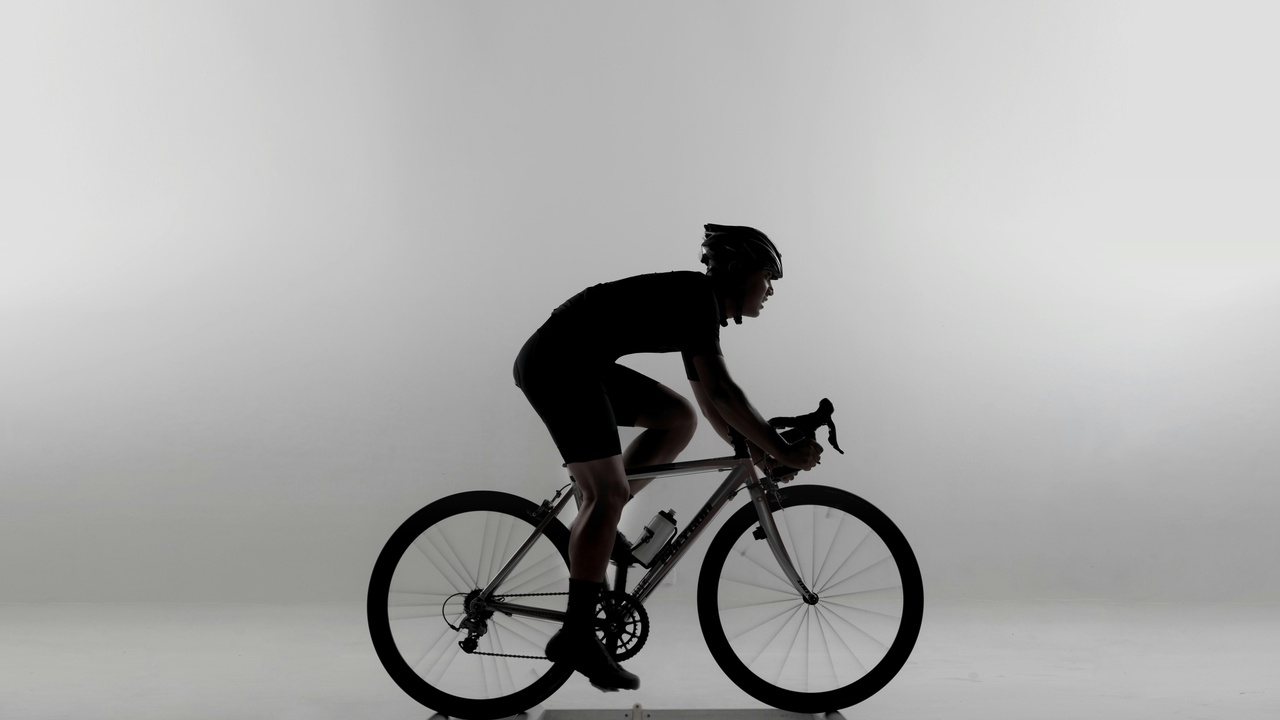
Beyond raw numbers, sport bikes shape the ride through ergonomics and aerodynamics: a lower, more forward stance, streamlined fairings, and compact dimensions create a connected, engaged experience that rewards active riders. There are trade-offs, but the advantages are substantial for road-focused riding.
4. More Engaging Throttle and Power-Delivery for Sport Riding
Sport bikes are tuned for precise throttle response and linear high-rpm delivery. Modern ride-by-wire systems let manufacturers offer crisp throttle maps and multiple engine modes that favor quick, predictable power delivery for corner exits and hard accelerations.
Many contemporary sport models include quickshifters and slipper clutches as standard or common options — Honda’s CBR1000RR comes with factory quickshift tech, and smaller models like the KTM RC390 have selectable quickshifters on recent model years. Those features make spirited riding and track transitions smoother and faster.
5. Aerodynamics and Riding Position Reduce Fatigue at Speed
The crouched position and full fairings on sport bikes lower drag and cut wind buffeting, which reduces rider fatigue on sustained high-speed runs. That aerodynamic advantage also improves stability during high-speed lane changes and reduces rider exposure to wind blast on long stretches of highway.
Seat heights reflect different priorities: many sport bikes sit around 820–840 mm, while adventure bikes often range 830–870+ mm to provide ground clearance and suspension travel. The lower, tucked posture on sport machines usually feels more secure at sustained speeds.
6. Lighter Weight and Agility for Urban and Technical Roads
Lower curb weight makes sport bikes easier to flick through traffic and technical backroads. Lightweight models are less tiring to handle in stop‑and‑go city traffic and feel quicker when changing direction.
For example, a KTM RC390 weighs roughly ~172 kg wet (about 379 lb), while larger adventure bikes such as the KTM 790 Adventure are often quoted near ~189 kg dry in some specifications — and many ADV machines exceed that when fueled and equipped. That weight difference shows up in easier U‑turns, faster lane changes, and reduced effort at low speeds.
Cost, Maintenance & Technology Advantages
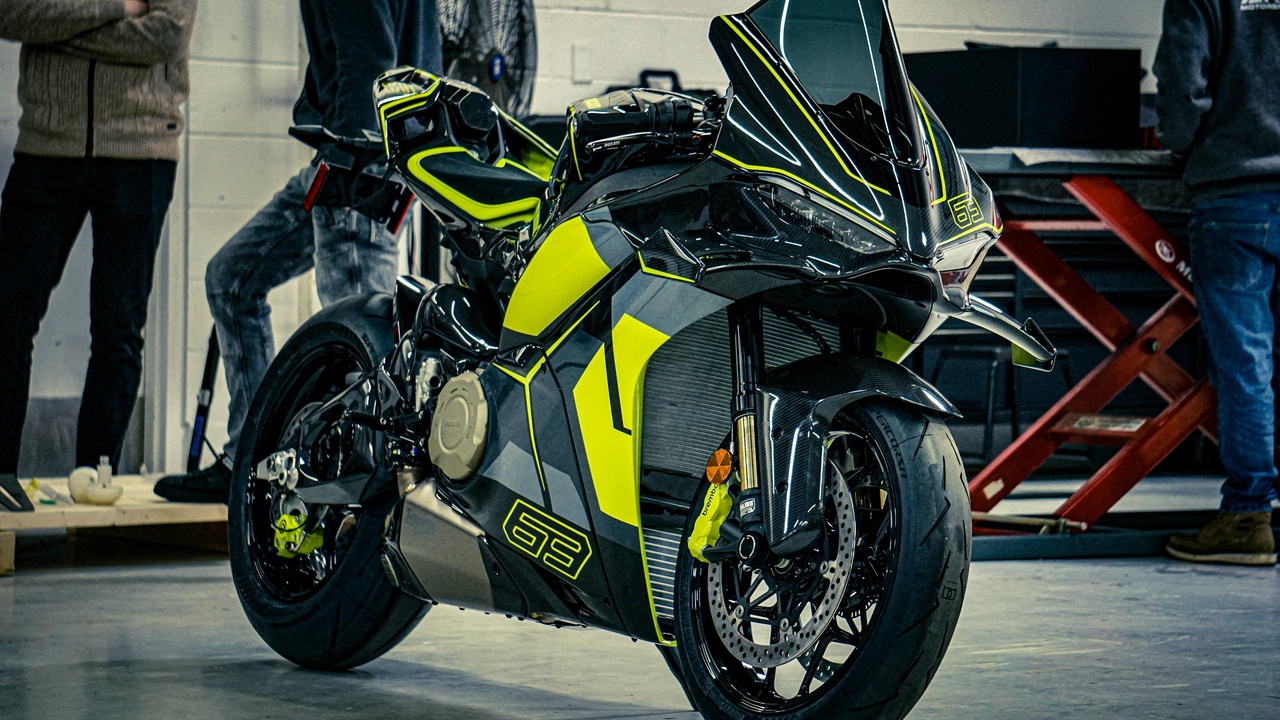
Ownership considerations often favor sport bikes for riders focused on road performance: entry-level pricing, a vast aftermarket, and sport-first electronics make upgrades and maintenance more accessible and often less expensive than full-featured adventure tourers.
7. Better Entry-Level Value and Lower Purchase Price Options
The sport segment includes several affordable, performance-minded machines that undercut comparable adventure models on price. Entry- and mid-level sport bikes commonly fall in the ~$4,500–$9,000 MSRP band, while well-equipped adventure bikes frequently start around $10,000 and can climb above $18,000 for feature-rich versions.
That pricing makes bikes like the KTM RC390, Yamaha YZF‑R3, and Honda CBR500R attractive for riders who want performance without the premium. Adventure machines from BMW or Triumph (think F850/GS or mid‑range Tigers) typically carry higher MSRPs and more costly long‑term upkeep when fitted with touring accessories.
8. Rich Aftermarket and Performance Technology Ecosystem
Sport bikes benefit from an extensive aftermarket focused on performance upgrades and a faster trickle-down of race-derived technology. Common upgrades include full systems from Akrapovič or Yoshimura, upgraded Öhlins suspension, quickshifter and slipper-clutch kits, and ECU tunes tailored to increase power and throttle response.
Manufacturers also debut sport-first electronics on flagship models (Ducati Panigale, Yamaha R1), and those systems migrate down the range. That ecosystem makes it straightforward to convert a road bike into a track-capable machine incrementally and to source parts for performance improvements.
Summary
- Sport bikes win on pure on-road performance: higher peak power, sharper chassis geometry, and stronger brakes give faster acceleration and superior cornering.
- They deliver a more engaging, aerodynamic riding position and lighter, more agile handling that reduces fatigue at speed and aids urban maneuvering.
- Entry-level sport models tend to cost less than feature-rich adventure tourers, and the aftermarket for performance parts and electronics (Akrapovič, Öhlins, ECU tuning, quickshifters) is larger and sport-focused.
- If your priorities are speed, handling, and on-road agility, prioritize a sport bike; if you value luggage capacity, long-travel suspension, and off-road versatility, prefer an ADV.
- Practical next steps: schedule test rides of both styles on comparable roads, compare local dealer options, and list your top three priorities (comfort, luggage, speed) before you buy.