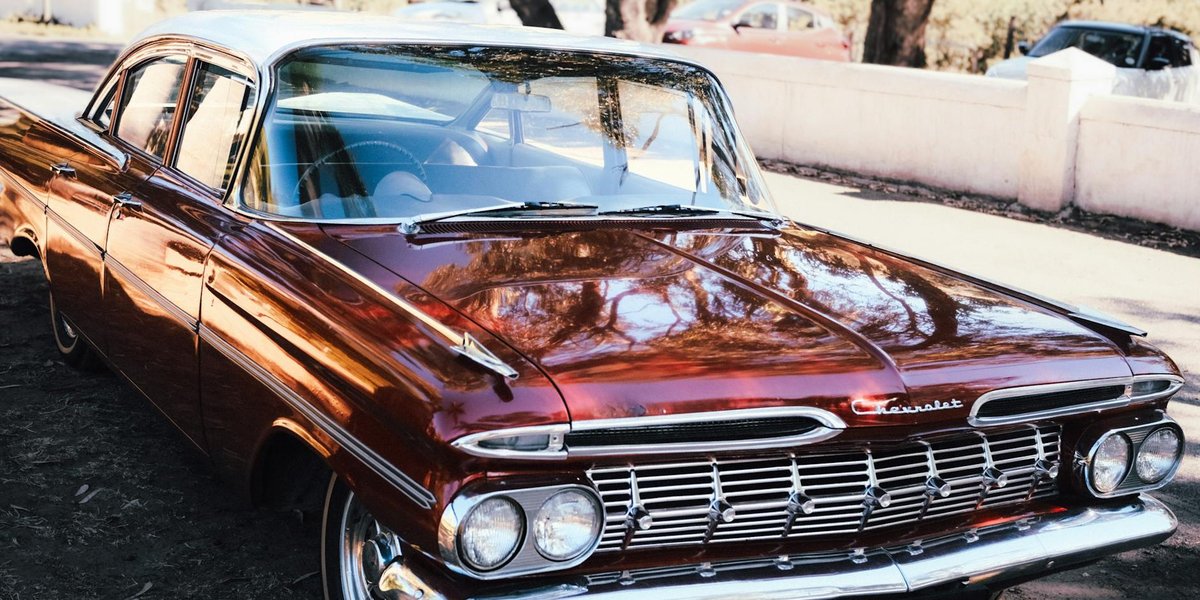
Slovenia doesn’t have a giant car-brand roster like Germany, Japan, or Italy. That’s exactly why the topic gets messy fast. People search for Slovenian car brands and end up with a mix of carmakers, bus builders, parts suppliers, and historic one-off names that are easy to mislabel.
Here’s the clean version: Slovenia has produced a handful of real vehicle brands and manufacturers, plus some important automotive companies that shaped the country’s industry without being passenger-car brands in the usual sense.
TL;DR
The best-known Slovenian car brand is Revoz, the long-running Renault manufacturing plant in Novo Mesto, but it’s not a Slovenian-owned brand. If you mean brands created in Slovenia, the list is short and mostly historical. The most notable name is Tomos for motorcycles and mopeds, while IMV is the key historical automotive manufacturer tied to Slovenian vehicle production. Slovenia’s auto industry matters more for manufacturing and supply than for mass-market badge-on-the-grille brands.
Table of contents
- What counts as a Slovenian car brand?
- Slovenian car brands and manufacturers
- Historic Slovenian vehicle brands
- Companies often confused with car brands
- Slovenia’s automotive industry today
- Why Slovenia matters in automotive history
What counts as a Slovenian car brand?
Before we get into names, we need a definition. That sounds boring, but it saves a lot of confusion.
For this article, a Slovenian car brand means one of three things:
- A vehicle brand founded in Slovenia
- A manufacturer that built cars or commercial vehicles in Slovenia
- A historic Slovenian automotive name that people reasonably search for as a “brand”
That means we’ll separate actual brands from companies that mostly made parts, buses, or licensed vehicles. No badge inflation. No pretending a supplier is a car company just because it has wheels nearby.
Slovenian car brands and manufacturers

IMV
IMV stands for Industrija Motornih Vozil — Motor Vehicle Industry. This is the most important historical automotive name in Slovenia if you’re talking about cars and vans.
Founded in the former Yugoslavia era, IMV became a major vehicle manufacturer in Novo Mesto. It produced cars and commercial vehicles under license and worked with foreign partners, especially Renault. That connection is part of why Slovenian vehicle production still has a strong Renault link today.
IMV matters because it represents Slovenia’s real entry into industrial vehicle production, not just assembly. It was one of the few local names that gave the region a genuine automotive identity.
Revoz
Revoz is the most visible car-manufacturing company in Slovenia today, based in Novo Mesto. It’s a subsidiary of Renault and builds small cars for export markets.
Here’s the catch: Revoz is a manufacturer, not a Slovenian-owned car brand. People still search for it as one because it’s the best-known vehicle operation in the country, and because the line between “brand” and “plant” gets blurred in casual conversation.
If you’re asking “What cars are made in Slovenia?” Revoz is a big part of the answer. If you’re asking “What Slovenian car brands exist?” it doesn’t quite qualify.
Tomos
Tomos is the most famous Slovenian vehicle name for many readers, even though it is better known for mopeds and motorcycles than passenger cars.
Founded in Koper, Tomos became a major name in lightweight two-wheelers across the former Yugoslavia and beyond. It’s not a car brand, but it absolutely belongs in any serious discussion of Slovenian automotive history because so many people mentally file “motor vehicles” and “car brands” into the same drawer.
Tomos is also one of the few Slovenian vehicle names with strong cultural recognition. If you grew up in the region, there’s a decent chance a Tomos moped was part of the scenery.
Historic Slovenian vehicle brands
TAM
TAM — Tovarna avtomobilov in motorjev, or Factory of Automobiles and Motors — was a major vehicle manufacturer based in Maribor. It produced trucks, buses, and other commercial vehicles rather than passenger cars.
TAM is historically important because it shows Slovenia’s industrial strength in the heavy-vehicle segment. The company built a serious reputation in the Yugoslav market, and its vehicles were common in transport and public service use.
Strictly speaking, TAM is not a passenger-car brand. Still, it’s one of the names that comes up whenever people ask about Slovenian car brands, because it sits close enough to the automotive world that the distinction gets fuzzy.
Avtomontaža
Avtomontaža was another notable Slovenian automotive company, best known for vehicle assembly and bodywork rather than creating a traditional standalone car brand.
This is where the “brand” question gets slippery. Avtomontaža contributed to vehicle production, but it wasn’t the kind of marque that sold cars under its own name in the way Fiat or Ford did. It belongs in the historical record, though, because it helped build the region’s automotive capability.
Cimos
Cimos is better known for its industrial and automotive components, but it has also been associated with vehicle production and assembly in the former Yugoslav market.
Again, not a classic consumer car brand. But if you’re mapping Slovenia’s auto history, Cimos is part of the picture. A lot of regional automotive heritage lives in these company names that are not quite brands, not quite suppliers, and not worth ignoring.
Companies often confused with car brands
This is where a lot of articles go wrong. They list every automotive-related company in Slovenia and call it a brand. That’s sloppy.
33 Gears-friendly rule of thumb
If the company did not put its own name on the vehicle in the way a consumer would recognize at a dealership, it’s probably not a car brand. It may still be important. Just not in the same category.
For example:
- Revoz = manufacturer/plant
- TAM = vehicle maker, mostly commercial vehicles
- Tomos = motorcycle and moped brand
- IMV = historical vehicle manufacturer
- Parts suppliers = not car brands, even if they’re very important to the industry
That distinction matters because Slovenia’s strength has usually been production and engineering, not a long list of independent consumer car marques.
Slovenia’s automotive industry today
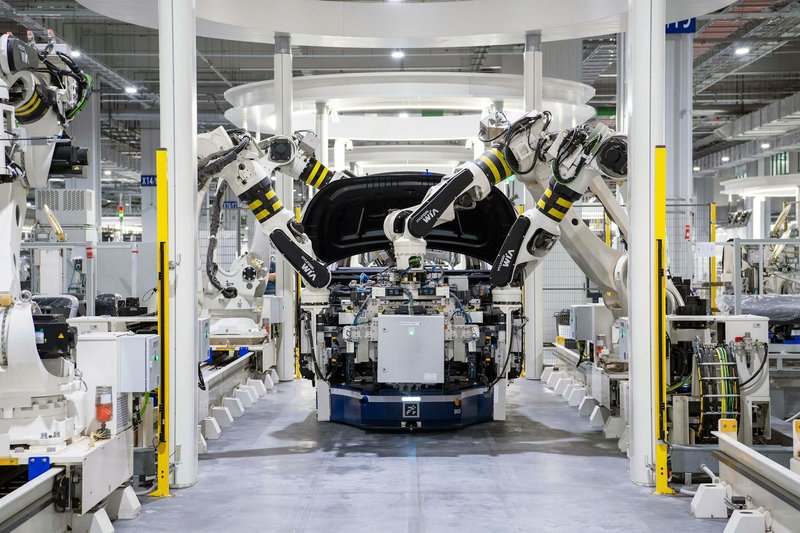
Modern Slovenia punches above its weight in automotive manufacturing. The country may not produce a flood of homegrown passenger-car brands, but it’s deeply plugged into European auto supply chains.
According to the European Automobile Manufacturers’ Association, Europe’s auto sector is shaped as much by manufacturing networks as by brand names, and Slovenia fits that model neatly. The country is home to significant production, components, logistics, and engineering work that feed bigger brands across the continent.
That’s the real story. Slovenia isn’t famous for a parade of domestic badges. It’s famous for doing the industrial work that keeps vehicles rolling.
A few reasons the industry stands out:
- Central European location, useful for logistics
- Strong manufacturing tradition
- Legacy industrial sites from the Yugoslav era
- Deep integration with larger European carmakers
For a small country, that’s a respectable automotive footprint.
Why Slovenia matters in automotive history
Slovenia’s automotive story is less about flashy brands and more about capability. Countries don’t have to produce a dozen famous marques to matter in car history. Sometimes they matter because they built the factories, the buses, the mopeds, the assembly lines, and the parts ecosystem that made everything else work.
That’s Slovenia.
The names worth remembering are the ones that actually shaped that story: IMV, Revoz, TAM, and Tomos. They don’t all fit neatly into the “car brand” box, but they’re the names that come up when you trace the country’s automotive identity back to its roots.
If you were hoping for a long list of exotic Slovenian supercar brands, this isn’t that movie. The real answer is more interesting anyway. Slovenia built an auto industry with substance, not just badges.
Summary
When people ask about Slovenian car brands, the honest answer is that Slovenia has only a small number of true vehicle brands, and several of the best-known names are manufacturers, not consumer marques. IMV is the key historical automotive name, Tomos is the best-known two-wheeler brand, and Revoz is the most important car-production site today even though it isn’t a Slovenian-owned brand. Add TAM and other historic industrial names, and you get a clearer picture of Slovenia’s automotive legacy: compact, practical, and more significant than its size suggests.